
What Can You Eat After Wisdom Tooth Extraction? A Source-Checked Day-by-Day Guide
Quick Answer: What can you eat after wisdom tooth extraction? Start with soft, cool or lukewarm foods such as thin soup, pudding, gelatin, eggs, pasta and bananas, plus milk or juice from a cup. Avoid hard, crunchy, seedy and very hot foods. Add firmer foods gradually as chewing feels comfortable, and follow your dentist’s written instructions.
If you are asking what can you eat after wisdom tooth extraction, you are not alone. Your jaw may be stiff and your cheek swollen, but you still need to eat. Official guidance from Alberta, the Canadian Dental Association and the UK’s NHS agrees on the basics. It differs on timing: how long to stay on soft food, when to use a straw, and how long to avoid alcohol and smoking.
This guide puts those sources side by side, with a day-by-day food table and a checklist. It does not replace your own dentist’s instructions, which are based on your surgery and come first.
Last updated: October 20, 2026. Main sources: MyHealth Alberta wisdom tooth aftercare (current as of July 31, 2024), the Canadian Dental Association’s care after minor oral surgery page (undated), the NHS wisdom tooth removal page (last reviewed June 12, 2024) and a 2010 dry socket review. Full links are at the end.
Key Takeaways
- Soft first: Gelatin, pudding or thin soup, then solids gradually as you heal (MyHealth Alberta).
- Cool, not hot: Avoid hot liquids and let soup cool, because heat can restart bleeding (CDA).
- Skip hard and seedy foods such as nuts or seeds, which can get stuck in the wound (NHS).
- Timelines differ on soft-diet length, straws, smoking and alcohol. Your dentist’s instructions decide.
- Know the warning signs: Worsening pain, swelling or fever means a call to your dentist. Health Link 811 answers 24/7.
What can you eat after wisdom tooth extraction? What the official guidance says
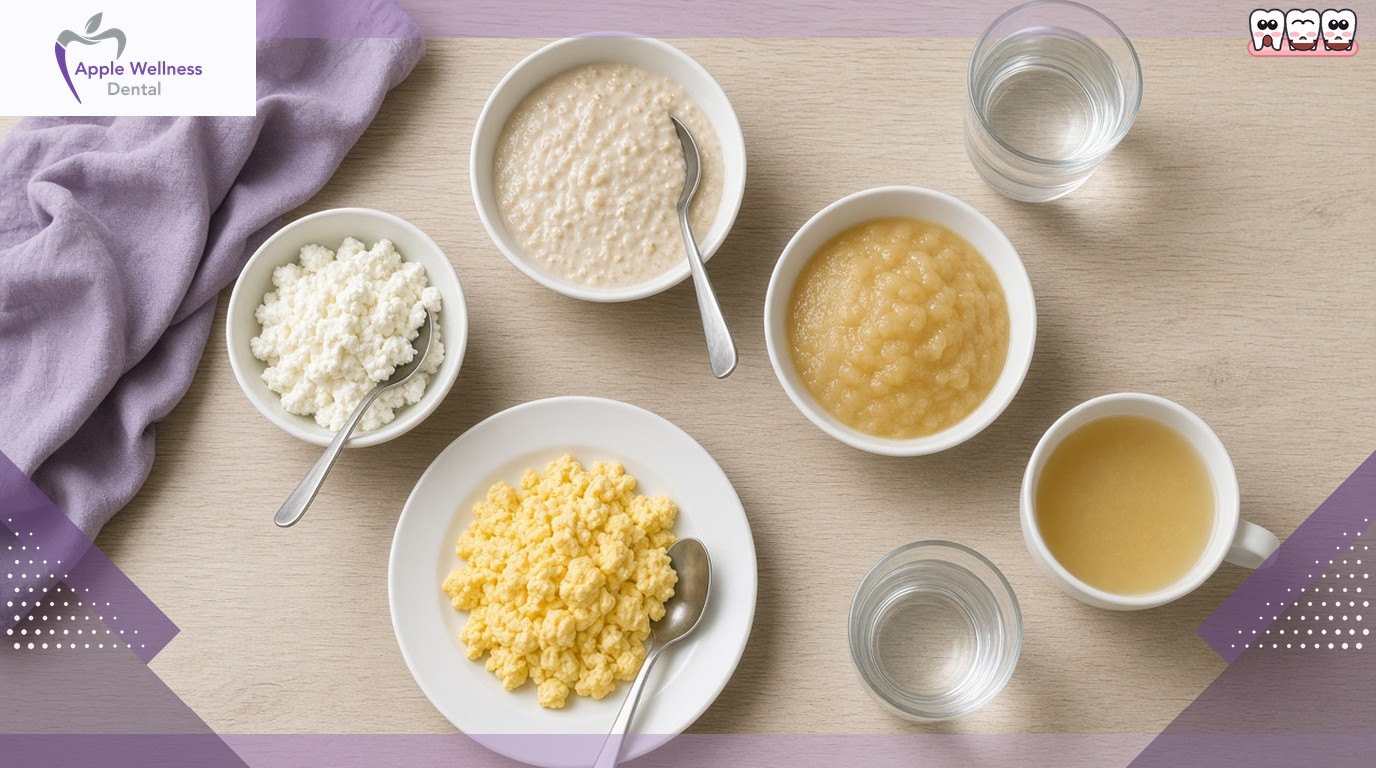
The main sources describe the same kind of diet with slightly different examples:
- MyHealth Alberta says to eat soft foods, such as gelatin, pudding or a thin soup, and to gradually add solid foods to your diet as you heal.
- The Canadian Dental Association (CDA) says that if your jaw muscles are sore, eat foods that are easy to chew, such as eggs, pasta and bananas, and have drinks like milkshakes, milk and juices. If you eat soup, let it cool first.
- The NHS says to eat soft or liquid food until you can chew more comfortably, and not to eat hard or crunchy food or food that could get stuck in the wound, such as nuts or seeds.
So the answer to what can you eat after wisdom tooth extraction is about texture and temperature more than a set menu. Foods that need little chewing, have no hard pieces or seeds, and are served cool or lukewarm fit all three sources. Yogurt, smooth mashed potatoes, applesauce and soft oatmeal have the same texture, though these sources do not name them.
If you want more detail on returning to firmer textures, our guide on when you can eat solid food after wisdom tooth extraction covers that stage.
Day-by-day food plan after wisdom tooth removal
This table answers what can you eat after wisdom tooth extraction stage by stage, with the source for each timing. MyHealth Alberta notes that each person recovers at a different pace, so treat the stages as a guide, not a deadline.
| Stage | What the sources say | Food and drink ideas | Avoid |
|---|---|---|---|
| Day of surgery (first 24 hours) | No rinsing for the first 24 hours (CDA, MyHealth Alberta). Food and drinks should not be too hot, especially while you are still numb (UHD NHS leaflet). A softer diet for the first 24 to 48 hours (UHD NHS leaflet). | Gelatin, pudding, cooled thin soup, milk, juice, water. | Hot drinks, straws, alcohol, chewing while numb (MyHealth Alberta warns about biting your cheek, lip or tongue). |
| Days 2 to 3 | You might have the most pain in the first 24 to 48 hours; soreness can last 3 to 5 days (CDA). No straw for the first few days (MyHealth Alberta). | Scrambled or soft eggs, soft pasta, bananas, milkshakes eaten with a spoon, yogurt, smooth mashed potatoes. | Nuts, seeds, chips, crusty bread, very hot soup, straws. |
| Days 4 to 7 | Jaw muscles may be sore and opening may be hard for up to 7 to 10 days (CDA). One NHS trust says you may need a soft diet for a week or so (University Hospitals Sussex). | Soft-cooked vegetables, flaky fish, rice or pasta, as comfort allows. | Chewing gum, hard or chewy foods (CDA). Do not force your mouth open. |
| Week 2 and beyond | Pain, swelling and some discomfort chewing or swallowing can last up to 2 weeks (NHS). Gradually add solid foods as you heal (MyHealth Alberta). | Your normal diet, step by step. | Alcohol and tobacco: the CDA advises avoiding both for the first 2 weeks. |
Foods in the middle column that are not named in a source (for example yogurt or mashed potatoes) are listed as examples of the same soft texture.
Where the guidance differs: straws, soft-diet length, smoking and alcohol
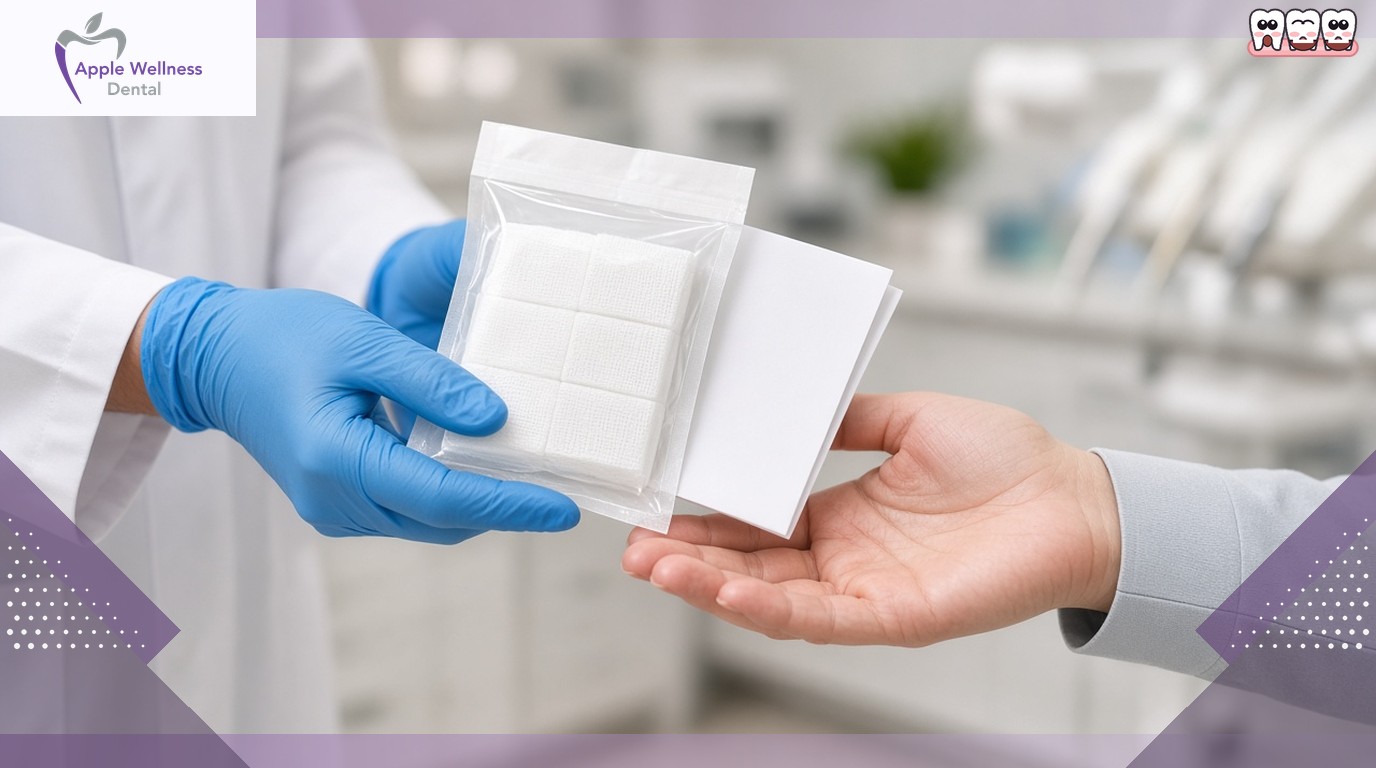
Aftercare advice is written for different patients and procedures, so timelines do not always match:
| Topic | What different sources say |
|---|---|
| How long to eat soft food | University Hospitals Dorset NHS leaflet (March 2026): a softer diet for the first 24 to 48 hours. University Hospitals Sussex (reviewed July 23, 2024): you may need a soft diet for a week or so. MyHealth Alberta and the NHS: add solids as you heal or until you can chew comfortably. |
| Straws | MyHealth Alberta: do not use a straw for the first few days, because sucking can loosen the clot. A 2010 review of dry socket research found no evidence that suction from a straw is a major contributor to dry socket. The cautious approach is still to avoid straws early, as Alberta guidance advises. |
| Smoking | MyHealth Alberta: do not smoke for at least 24 hours. UHD NHS leaflet: no smoking or vaping for at least 72 hours. CDA: avoid tobacco for the first 2 weeks. |
| Alcohol | NHS: do not drink alcohol. CDA: avoid alcohol for the first 2 weeks, and do not drink alcohol when taking pain relief medication. |
| Salt water rinses | CDA: after a full day, rinse gently with warm water (your dentist may suggest 1/2 teaspoon of salt per cup), 4 or 5 times a day for 3 or 4 days. UHD NHS leaflet: 3 to 4 times a day for about 7 to 10 days. |
When sources disagree, follow the written instructions your dentist gives you. If you lost them, call the office. Our article on using a straw after wisdom tooth extraction looks at that question in more depth.
Foods and habits to avoid while the socket heals
A blood clot forms over the wound and helps it heal (NHS). Most “avoid” advice protects that clot and the stitches:
- Hard, crunchy or seedy foods that can get stuck in the wound, such as nuts or seeds (NHS).
- Chewing gum and hard or chewy foods while your jaw is sore (CDA).
- Very hot food and drinks, which can restart bleeding (CDA).
- Alcohol, especially with pain medication (CDA, NHS).
- Straws and smoking in the first days, because suction can loosen the clot (MyHealth Alberta).
- Touching the area with your tongue or fingers (MyHealth Alberta).
Eating around bleeding, swelling and a sore jaw
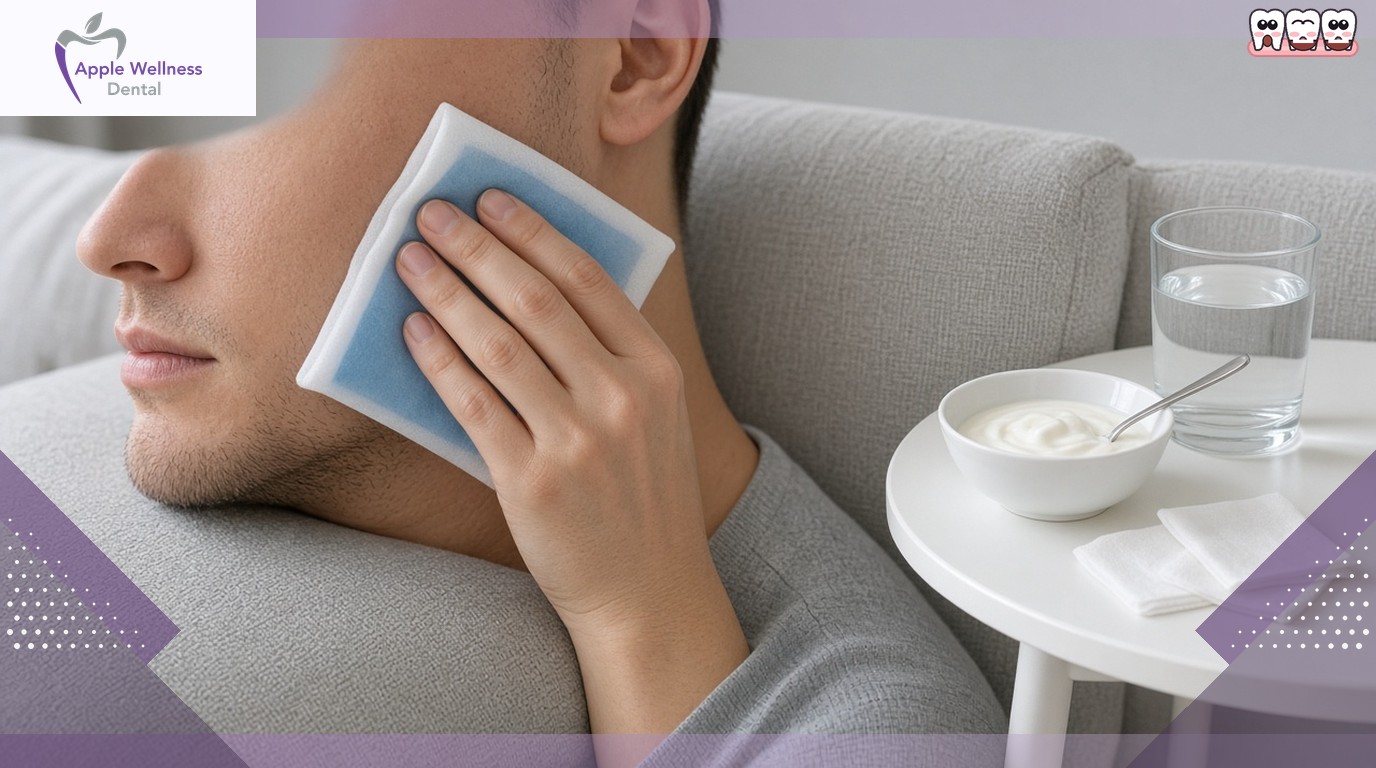
Bleeding. The CDA says you will probably bleed for the first hour or 2 and the area may ooze for up to 24 hours. Keep firm pressure on the gauze pad, and call your dentist if you cannot control the bleeding with pressure after 4 hours. MyHealth Alberta says to call if you still have bleeding 24 hours after surgery. Choose foods that need little chewing. See also our guide on how to stop bleeding after wisdom tooth extraction.
Swelling. On the first day, the CDA suggests a cold compress on the swollen area, 10 minutes on and 10 minutes off. From the second day, it suggests something warm (not hot enough to burn). MyHealth Alberta gives similar advice: ice on the outside of the cheek for the first 24 hours, then moist heat for the following 2 or 3 days.
Sore jaw. The CDA says your jaw may be sore and hard to open for up to 7 to 10 days. It suggests gently massaging sore jaw muscles with a warm, moist face cloth and not forcing your mouth open. Small pieces and small spoonfuls help.
Recovery eating checklist for the first week
- ☐ Buy soft foods before your appointment (pudding, gelatin, soup, eggs, pasta, bananas, milk).
- ☐ Let soups and drinks cool to lukewarm before eating or drinking.
- ☐ Drink from a cup, not a straw, for the first few days.
- ☐ No rinsing for the first 24 hours; after that, rinse gently only as instructed.
- ☐ Keep your dentist’s written aftercare instructions where you can find them.
- ☐ Skip nuts, seeds, chips, gum and other hard or chewy foods.
- ☐ Avoid alcohol, especially if you are taking pain medication.
- ☐ Write down the clinic’s phone number and Health Link 811 for after hours.
Hypothetical example: planning meals around an extraction
Hypothetical example (not a real patient): Sam has two lower wisdom teeth removed on a Friday. Sam buys pudding, soup, eggs, bananas and milk the day before. On Friday, once the freezing wears off, Sam has cooled soup and pudding and sips milk from a cup. Over the weekend Sam moves to soft eggs and pasta. On day four the pain gets worse instead of better and spreads toward the ear, so Sam calls the dental office instead of waiting.
Warning signs: when to call a dentist
According to the CDA, call your dentist or oral surgeon right away if:
- You are bleeding a lot and it has been 4 hours or longer since your surgery.
- You feel like you are going to throw up, or you are throwing up.
- You have a fever.
- You have pain that does not get any better, and it has been 1 full day or longer since your surgery.
- Your swelling is still getting worse, and it has been 2 days or longer since your surgery.
MyHealth Alberta adds signs of infection (more pain, swelling, warmth or redness, pus or fever) and not being able to keep fluids down. It also describes dry socket: severe pain that can extend up to the ear, sometimes with a bad smell, a few days after surgery. The 2010 review notes that dry socket is usually reported 1 to 3 days after extraction, and 95 to 100% of cases appear within a week. Learn more in our article on how dry socket is treated.
Wisdom tooth aftercare in Airdrie: support, costs and coverage
Apple Wellness Dental has provided dental care in Airdrie since 1993 from 229 1st Street SW. Our two general dentists, Dr. Sanjay Rajpal and Dr. Hammad Qasim, offer wisdom teeth removal as well as emergency dental treatment, with same-day emergency appointments available. If you are unsure what can you eat after wisdom tooth extraction in your own case, or something does not feel right, call us at (587) 332-6767 during office hours.
After hours in Alberta. Health Link 811 is a free 24/7 line where registered nurses help you decide if you need urgent care. Its registered dietitians (Monday to Friday, 8:00 a.m. to 4:00 p.m.) answer questions that include eating after surgery. For emergencies such as severe trouble breathing, call 911.
Costs and coverage. Apple Wellness Dental follows the Alberta Dental Fee Guide, bills most private insurance providers directly and accepts the Canadian Dental Care Plan (CDCP). The Government of Alberta explains that fee guide amounts are recommended, not mandatory, and suggests asking your dentist to send a pre-authorization to your insurer before treatment. The CDCP lists removal of teeth and roots among the oral surgery services it can cover when recommended by an oral health provider. Depending on adjusted family net income, it covers 100%, 60% or 40% of its established fees, and extra charges may apply. For a full cost breakdown, see our wisdom tooth extraction cost guide.
Frequently asked questions
What can you eat after wisdom tooth extraction on the first day?
Soft, cool or lukewarm foods such as gelatin, pudding and thin soup that has cooled. Do not rinse your mouth for the first 24 hours.
When can I eat solid food again?
There is no single date. Advice ranges from a softer diet for 24 to 48 hours to a soft diet for a week or so. MyHealth Alberta says to add solids gradually as you heal.
Can I drink from a straw after wisdom tooth removal?
MyHealth Alberta advises against straws for the first few days because suction can loosen the clot. A 2010 review found no evidence that straws are a major cause of dry socket, but avoiding them early is the cautious choice.
Can I drink coffee after wisdom tooth extraction?
The Canadian Dental Association says to avoid hot liquids like coffee and tea because they can restart bleeding. Let drinks cool first.
When should I call a dentist about pain while eating?
Call if pain is not improving after a full day, swelling is still getting worse after two days, or you have a fever or vomiting. Severe pain a few days later can be a sign of dry socket.
Who can I call after hours in Alberta?
Health Link 811 is a free 24/7 line staffed by registered nurses. Call 911 for emergencies such as severe trouble breathing.
Sources
- MyHealth Alberta, “Wisdom Tooth Extraction: What to Expect at Home” (current as of July 31, 2024): myhealth.alberta.ca
- MyHealth Alberta, “Dry Socket” (current as of July 31, 2024): myhealth.alberta.ca
- Canadian Dental Association, “Care after Minor Oral Surgery” (undated): cda-adc.ca
- NHS, “Wisdom tooth removal” (last reviewed June 12, 2024): nhs.uk
- University Hospitals Dorset NHS Foundation Trust, “Aftercare instruction after wisdom tooth removal” (March 2026): uhd.nhs.uk
- University Hospitals Sussex NHS Foundation Trust, “Wisdom tooth surgery” (last reviewed July 23, 2024): uhsussex.nhs.uk
- Kolokythas A, Olech E, Miloro M. “Alveolar Osteitis: A Comprehensive Review of Concepts and Controversies.” International Journal of Dentistry (June 24, 2010): pmc.ncbi.nlm.nih.gov
- Primary Care Alberta, “Health Link 811” (undated): albertahealthservices.ca
- Government of Canada, “Canadian Dental Care Plan: What is covered” (undated): canada.ca
- Government of Alberta, “Dental fees in Alberta” (undated): alberta.ca
Apple Wellness Dental
Dental care in Airdrie, Alberta. This article is general education and does not replace an examination by a dental professional or the aftercare instructions your dentist gives you. It is not medical, legal, tax or financial advice.
Planning a wisdom tooth extraction or have questions about eating during recovery? Book a call or Contact Us, or call 587-332-6767.