
The Complete Guide to Managing Bleeding After Wisdom Tooth Removal
To stop bleeding after a wisdom tooth extraction, place a clean, damp piece of sterile medical gauze directly over the extraction site and bite down with firm, continuous pressure for 30 to 45 minutes. Sit upright to lower your blood pressure in the head, avoid talking or chewing, and do not spit, as spitting creates negative pressure that can dislodge the forming blood clot. If standard gauze does not work, applying a moistened black tea bag to the site for 30 minutes can promote blood clotting due to the natural astringent properties of tannic acid.
Key Takeaways
- Firm Pressure is Crucial: Continuous, firm biting pressure on sterile gauze is the primary method to achieve hemostasis (blood clotting).
- Beware of the Saliva Effect: A small amount of blood mixing with a large amount of saliva often makes bleeding look much worse than it actually is.
- Try the Tea Bag Trick: Black tea contains tannic acid, which naturally shrinks tissues and constricts blood vessels to stop stubborn oozing.
- Protect the Clot: Absolutely no drinking through straws, smoking, vigorous rinsing, or spitting for the first 48 to 72 hours to prevent alveolar osteitis (dry socket).
- Rest and Elevate: Keeping your head elevated on pillows reduces local blood pressure and minimizes ongoing hemorrhage.
- Know When to Call: If heavy, bright red bleeding persists past 24 hours despite applied pressure, contact your oral surgeon immediately.
Understanding Post-Extraction Bleeding: Normal vs. Abnormal

Wisdom tooth extraction is one of the most common surgical procedures performed globally. According to the American Dental Association, approximately 5 million Americans undergo wisdom tooth removal annually. Because the mouth is a highly vascular area—meaning it contains a dense network of blood vessels—some bleeding is an entirely natural and expected part of the body’s healing process.
When a tooth is removed from the jawbone, a socket is left behind. To heal this surgical wound, the body initiates a complex biological process called hemostasis. During hemostasis, blood platelets clump together to plug the injured blood vessels, and a protein called fibrin weaves a protective mesh over the site. This forms the vital blood clot.
It is important to distinguish between active bleeding and normal oozing. Active bleeding is characterized by dark red blood actively pooling in the mouth or flowing continuously. Conversely, normal oozing usually consists of a mixture of saliva and a small amount of blood, which often gives the saliva a pink or light red tint. Research from the National Institutes of Health indicates that intermittent oozing is completely normal for the first 24 to 48 hours following oral surgery.
Step-by-Step: Immediate Actions to Stop Bleeding
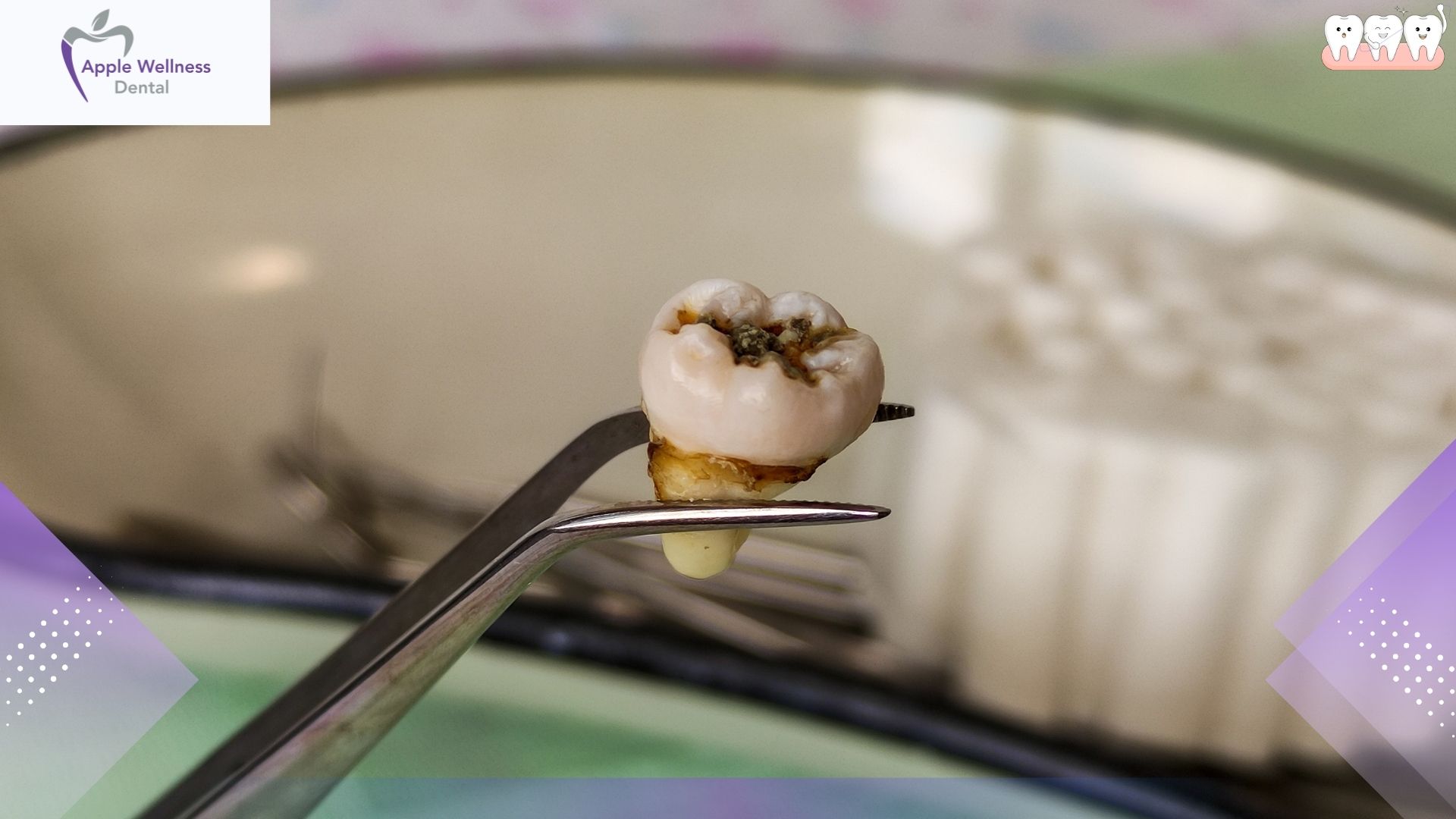
If you are experiencing active bleeding after returning home from your oral surgery appointment, follow these highly specific, sequential steps to establish a stable blood clot.
- Wash Your Hands Thoroughly: Before placing anything inside your mouth, ensure your hands are entirely clean to prevent introducing bacteria into the fresh surgical wound.
- Prepare the Gauze: Take a sterile gauze pad and fold it into a thick, firm square. Lightly dampen it with clean water. Dry gauze can stick to the newly forming blood clot and pull it out when you remove the pad.
- Position the Gauze Correctly: Place the folded gauze directly over the empty tooth socket. Ensure it is sitting on the extraction site, not just caught between your cheek and adjacent teeth.
- Apply Firm, Uninterrupted Pressure: Bite down firmly and hold your jaws shut. The pressure must be continuous. Resist the urge to open your mouth to check on the bleeding, as doing so breaks the pressure and resets the clotting clock. Hold this position for 45 minutes.
- Rest with Head Elevated: Keep your head elevated above your heart using two or three pillows. Lying flat increases blood pressure in your head, which can exacerbate bleeding.
The Black Tea Bag Trick for Stubborn Oozing
If you have followed the standard gauze protocol for two consecutive 45-minute intervals and are still experiencing significant oozing, it is time to try a scientifically backed home remedy: the black tea bag method.
Black tea contains a high concentration of tannic acid. In medicine, tannic acid is known for its astringent properties, meaning it causes organic tissues to contract and shrink. When applied to an extraction site, it promotes localized vasoconstriction (the narrowing of blood vessels), which slows blood flow and encourages the formation of a robust fibrin clot.
How to execute the tea bag method:
- Select a standard black tea bag (do not use green, herbal, or peppermint tea, as they lack sufficient tannic acid).
- Submerge the tea bag in boiling water for 2-3 minutes to activate the tannins.
- Remove the tea bag and allow it to cool completely. You can place it in the refrigerator for 10 minutes to speed up the process, as the cold temperature will also aid in constricting blood vessels.
- Squeeze out the excess water so the bag is damp but not dripping.
- Place the tea bag directly over the wisdom tooth socket and bite down with firm, steady pressure for 30 to 45 minutes.
Protecting the Blood Clot: Preventing Dry Socket
Stopping the bleeding is only the first hurdle; maintaining the blood clot is the crucial second step. If the blood clot is dislodged or dissolves prematurely, it exposes the underlying jawbone and nerve endings to the oral environment. This incredibly painful condition is known medically as alveolar osteitis, or more commonly, dry socket.
According to clinical data published by the World Health Organization, dry socket occurs in roughly 3% to 4% of all routine tooth extractions, but the incidence rate jumps to nearly 30% for impacted lower wisdom teeth. Preventing this complication relies entirely on avoiding negative pressure in the mouth.
Dos and Don’ts for the First 72 Hours
| What to DO (Safe Actions) | What to AVOID (High Risk Actions) |
|---|---|
| Swallow your saliva normally | Spit aggressively into the sink |
| Drink fluids straight from a cup | Use a drinking straw (creates extreme suction) |
| Eat soft, cool foods (yogurt, applesauce) | Eat crunchy, hard, or spicy foods |
| Let water gently fall out of your mouth | Vigorously swish mouthwash or water |
| Rest and limit physical exertion | Smoke or vape (chemicals impair healing and suction dislodges clot) |
The Role of Medications in Coagulation
It is crucial to understand how over-the-counter and prescription medications affect your body’s ability to achieve hemostasis. Certain pain relievers are mild anticoagulants, meaning they thin the blood and delay clotting.
Aspirin and certain NSAIDs (Non-Steroidal Anti-Inflammatory Drugs), like high doses of ibuprofen, can slightly impair platelet function. While your oral surgeon will likely recommend ibuprofen to manage post-operative swelling, if you are struggling to stop active bleeding during the first 24 hours, they may advise you to temporarily rely on acetaminophen (Tylenol). Acetaminophen acts centrally in the brain to block pain signals and does not interfere with platelet aggregation or blood clotting in the periphery.
As standard medical guidelines emphasize, never alter a prescribed medication regimen without consulting your healthcare provider. If you are on prescription blood thinners (such as Warfarin, Eliquis, or Plavix) for pre-existing cardiac conditions, your dentist should have established a custom medication protocol with your primary care physician prior to the surgery. Follow those specific directives closely.
Stages of Post-Extraction Healing
Understanding the timeline of recovery can help alleviate anxiety, which is beneficial because anxiety raises blood pressure, inadvertently increasing bleeding.
- First 24 Hours: The critical period for clot formation. Expect moderate swelling, pain, and intermittent pink-tinged saliva. Stick strictly to a liquid or highly blended diet.
- 24 to 48 Hours: Swelling typically peaks around the 48-hour mark. Bleeding should have completely stopped, though very minor spotting on your pillow overnight is not unusual. Begin gentle saltwater rinses (letting the water fall from your mouth, rather than spitting).
- 3 to 7 Days: The soft gum tissue begins to regenerate and close over the socket. Pain and swelling diminish significantly. You can gradually reintroduce solid, easy-to-chew foods like pasta and scrambled eggs.
- 2 to 4 Weeks: The gum tissue fully heals over the socket. Bone regeneration beneath the surface continues for several months.
When to Contact Your Oral Surgeon or Dentist
While most bleeding can be managed at home using the gauze or tea bag methods, certain symptoms require professional medical intervention. The Mayo Clinic recommends seeking immediate care if you experience any of the following red flags:
- Uncontrollable Hemorrhage: A steady, heavy flow of bright red blood that does not slow down after applying direct pressure for an hour.
- Liver Clots: The appearance of excessively large, dark, jelly-like blood clots (often referred to as “liver clots”) that continuously reform and prevent the wound from sealing.
- Signs of Infection: A rising fever, chills, or swollen lymph nodes in the neck.
- Foul Odor or Pus: A persistent bad taste in the mouth or visible yellow/white discharge oozing from the surgical site.
- Severe Pain Not Managed by Medication: Throbbing pain that suddenly worsens days after the procedure, indicating a potential dry socket or localized infection.
Long-Term Oral Hygiene Following Extraction
Keeping the mouth clean is essential for rapid healing, but traditional brushing must be modified in the days following surgery. For the first 24 hours, avoid brushing the teeth directly adjacent to the extraction site. You may gently brush your other teeth, but do not use mouthwash containing alcohol, as it can burn the raw tissue and disrupt the clot.
Starting on the second day, you can mix half a teaspoon of table salt into eight ounces of warm water to create a soothing saline rinse. Tilt your head to let the solution wash over the surgical area, then gently lean over the sink and open your mouth to let the liquid fall out naturally. Repeat this 3 to 4 times daily, especially after eating, to ensure no food debris becomes trapped in the healing socket.
Frequently Asked Questions (FAQ)
How long should I keep the gauze in after wisdom tooth extraction?
You should keep the initial gauze pad firmly in place for 30 to 45 minutes after leaving the dental office. If bleeding continues, replace it with fresh, damp gauze and bite down for another 45 minutes.
Is it normal to wake up with blood on my pillow?
Yes, finding a small amount of blood mixed with saliva on your pillow the morning after surgery is very common. Place an old towel over your pillowcase for the first two nights to protect your bedding.
Why does it look like I am bleeding so much?
Saliva constantly washes over the extraction site, mixing with a few drops of blood. This dilution makes it appear as though there is a large volume of blood, but it is typically mostly saliva.
Can I drink water immediately after tooth extraction?
Yes, staying hydrated is important, but you must sip gently directly from a cup. Never use a straw, as the suction can immediately dislodge your blood clot.
How does a tea bag stop wisdom tooth bleeding?
Black tea is rich in tannic acid, a natural astringent. When applied to the wound, tannic acid constricts localized blood vessels and promotes faster coagulation.
When is it safe to sleep completely flat?
It is highly recommended to sleep with your head elevated on at least two pillows for the first 48 to 72 hours. Sleeping flat increases blood pressure in your head, which can trigger secondary bleeding.
Conclusion
Managing your recovery effectively is crucial to ensuring a smooth, pain-free healing process. By maintaining firm pressure with damp gauze, utilizing the tannic acid in black tea bags if necessary, and strictly avoiding negative pressure from straws or spitting, you can safely stop bleeding after a wisdom tooth extraction and prevent complications like dry socket. Always listen to your body and prioritize rest during those critical first 48 hours.
If you have followed these steps and are still experiencing uncontrollable bleeding or severe pain, do not hesitate to reach out for professional care. Contact us today to speak with our clinical team and ensure your recovery stays on the right track.
References
- American Dental Association (ADA) – Oral Surgery Recovery Guidelines. https://www.ada.org
- Mayo Clinic – Wisdom Tooth Extraction: Risks and Aftercare. https://www.mayoclinic.org
- National Institutes of Health (NIH) – Hemostasis and Wound Healing in the Oral Cavity. https://www.nih.gov
- World Health Organization (WHO) – Global Data on Dental Surgical Complications. https://www.who.int