
The Complete 2026 Guide to Wisdom Tooth Extraction Costs and Financial Planning
In 2026, the expense associated with removing third molars generally ranges from $75 to $250 per tooth for a routine, simple extraction, and escalates to between $225 and $600 or more per tooth for complex surgical removals involving bony impactions. The total financial investment depends heavily on the anatomical complexity of the roots, the level of clinical impaction, the modality of anesthesia administered, geographic market rates, and whether a general practitioner or a board-certified oral and maxillofacial surgeon performs the surgery. For uninsured patients requiring the surgical extraction of all four impacted third molars under deep intravenous (IV) sedation, comprehensive out-of-pocket expenses typically span between $1,500 and $3,000.
Key Takeaways
- Base Procedural Fees: Simple removals start around $75, while fully impacted bony extractions can exceed $600 per tooth.
- Anesthesia Variations: Local anesthesia is often included in the base fee, but IV sedation typically adds $250 to $800 to the total bill.
- Insurance Mitigation: Standard dental benefit plans generally cover 50% to 80% of the surgical costs, subject to annual maximums.
- Ancillary Expenses: Pre-operative consultations, panoramic X-rays, and advanced 3D imaging (CBCT) introduce necessary supplementary costs.
- Preventive Economics: Proactive extraction often prevents more expensive future treatments for conditions like pericoronitis, cysts, or adjacent tooth decay.
Factors Influencing Third Molar Removal Prices

Understanding the exact financial requirements for oral surgery requires looking beyond a single flat rate. Dental care is highly individualized, and the anatomical position of your teeth dictates the surgical approach. Approximately 85% of adults will eventually require the removal of their third molars, and clinical statistics show that 44% of these teeth present with some degree of impaction. The degree of this impaction is the primary driver of procedural complexity and, consequently, the final invoice.
Categorizing Types of Impaction
In clinical terminology, an extraction is classified based on how deeply the tooth is encased in the jawbone and gingival tissue. These classifications directly correlate with standard dental billing codes (CDT codes).
- Erupted (Simple) Extraction: The tooth has fully emerged through the gum line. The clinician can elevate and grasp the tooth without making surgical incisions. This is the least invasive and most economical scenario.
- Soft Tissue Impaction: The crown of the tooth has partially penetrated the bone but remains covered by a flap of gingival tissue (gum). The surgeon must incise and elevate the tissue to access the tooth, requiring sutures for closure.
- Partial Bony Impaction: A significant portion of the tooth remains trapped within the jawbone. The surgeon must perform an osteotomy (bone removal) and frequently must section (cut) the tooth into smaller pieces for safe removal without damaging the surrounding nerves.
- Full Bony Impaction: The entire tooth is completely encased in the jawbone, often positioned horizontally or inverted. This is the most complex scenario, demanding extensive bone contouring, specialized surgical instruments, and extended operative time.
Anesthesia and Sedation Modalities
Patient comfort is a cornerstone of modern oral surgery, but varying levels of sedation carry distinct financial implications. Local anesthesia, which merely numbs the surgical site, is universally the most cost-effective option and is frequently bundled into the extraction fee. However, many patients opt for anxiolysis or deeper sedation.
Nitrous oxide (laughing gas) provides mild relaxation and typically adds a modest fee to the procedure. Conversely, moderate to deep intravenous (IV) sedation requires specialized monitoring equipment, continuous clinical oversight, and specialized pharmacological agents. As Dr. Louis Rafetto, a noted authority and past president of the American Association of Oral and Maxillofacial Surgeons, has emphasized in clinical literature: ‘Ensuring absolute patient safety during deep sedation requires rigorous, specialized training and dedicated monitoring infrastructure, which naturally reflects in the comprehensive cost of surgical care.’
Average Cost Breakdown for 2026
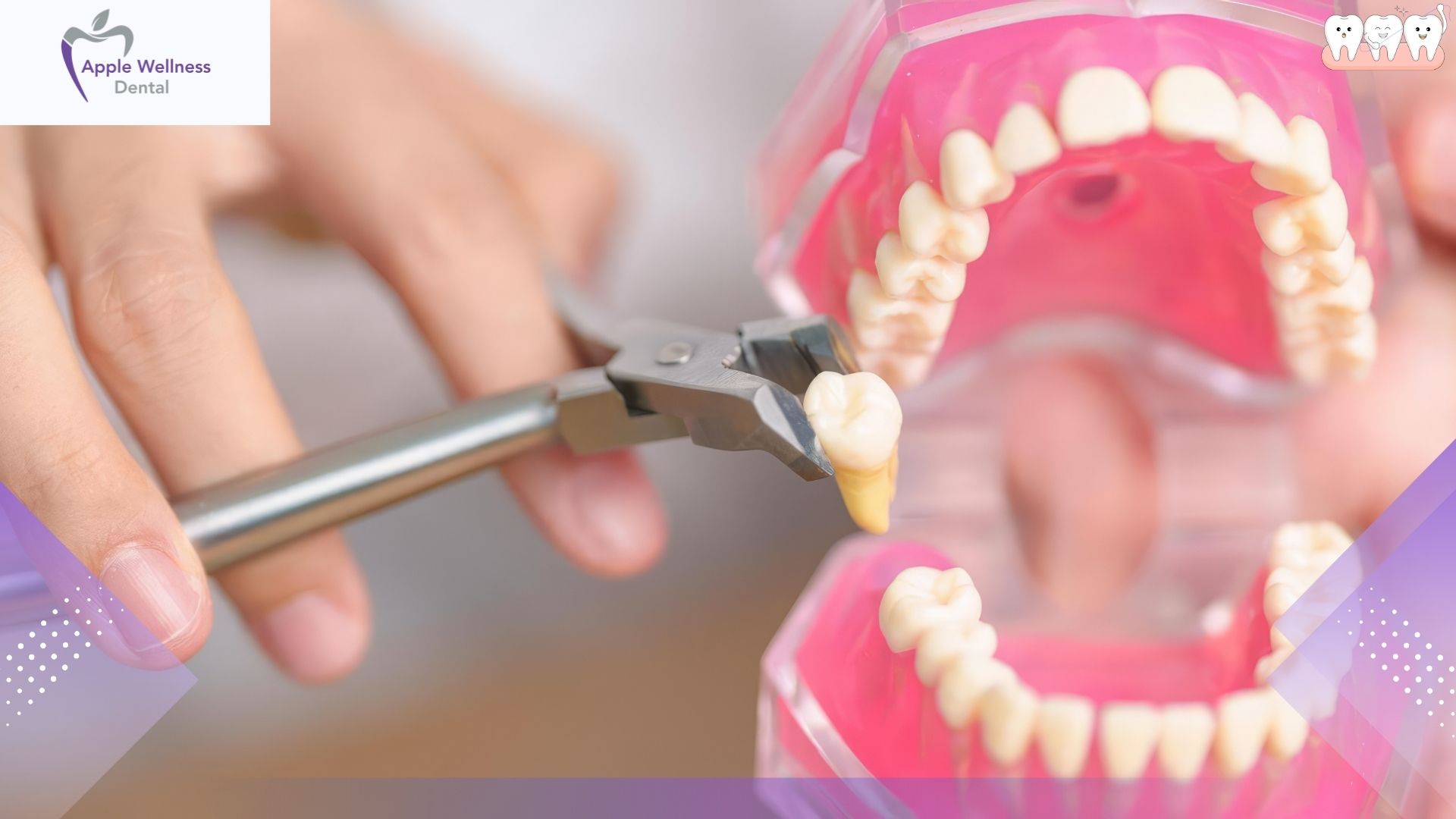
To facilitate accurate financial planning, it is crucial to examine the current average market rates for specific procedures. The following data represents estimated national averages for 2026, reflecting standard inflationary adjustments and current healthcare economic trends. Keep in mind that specialized oral surgeons typically charge a premium of 10% to 20% over general dental practitioners due to their advanced surgical training and specialized clinical environment.
| Procedure / Service Component | Estimated Cost Per Unit (2026) |
|---|---|
| Simple Extraction (Fully Erupted) | $75 – $250 |
| Surgical Extraction (Soft Tissue) | $150 – $400 |
| Surgical Extraction (Partial Bony) | $225 – $450 |
| Surgical Extraction (Full Bony) | $250 – $600+ |
| Nitrous Oxide (Per Hour) | $50 – $150 |
| IV Sedation (First Hour) | $250 – $800 |
It is important to note that these figures represent gross charges prior to the application of any insurance adjustments or network-negotiated fee schedules.
Does Dental Insurance Cover Oral Surgery?
Navigating the intricacies of dental insurance networks is a critical step in determining your true out-of-pocket responsibility. The vast majority of comprehensive dental benefit plans categorize the removal of third molars as either a “Basic” or “Major” restorative/surgical procedure. According to data published by the American Dental Association, standard policies typically cover 80% of the cost for simple extractions and 50% to 80% for complex surgical odontectomies, provided the patient has met their annual deductible.
However, the most significant financial bottleneck patients encounter is the annual maximum benefit. Most traditional dental insurance policies cap their annual payout between $1,000 and $2,000. If an individual requires the extraction of all four impacted teeth under general anesthesia, the gross cost may easily exhaust this annual maximum, leaving the patient responsible for the remaining balance. As Marko Vujicic, Chief Economist and Vice President of the Health Policy Institute, has observed regarding dental care affordability: ‘Out-of-pocket costs remain the primary barrier to accessing specialized dental treatments, underscoring the need for transparent fee structures and comprehensive patient education.’
Identifying Hidden Costs and Additional Fees
When requesting an estimate for oral surgery, patients must ensure they are receiving a comprehensive treatment plan rather than just the surgical extraction fee. Several ancillary services are strictly necessary for standard of care but are billed separately.
- Pre-Operative Consultations: Surgeons typically require an initial evaluation to review medical history, assess airway safety for anesthesia, and plan the surgical approach. This visit generally ranges from $50 to $150.
- Diagnostic Imaging: A standard panoramic radiograph (Panorex) provides a two-dimensional view of the jaws and costs between $75 and $150. For complex impactions, especially teeth in close proximity to the inferior alveolar nerve, a Cone Beam Computed Tomography (CBCT) scan is the gold standard. This 3D imaging technology maps the exact neural pathways and costs between $150 and $300.
- Prescription Medications: Post-operative care often requires prescription antibiotics, specialized antimicrobial mouthwashes (like Chlorhexidine), and analgesic pain relievers. While medical insurance usually covers these, co-pays will apply.
How to Prepare for the Procedure
Proper preparation not only ensures clinical safety but can also streamline your recovery, indirectly minimizing lost wages from taking too much time off work. Follow these critical steps when preparing for your surgical appointment:
- Arrange Secure Transportation: If you are receiving any form of sedation beyond local anesthesia, clinical regulations strictly mandate that a responsible adult must drive you home. You will not be legally or physically capable of operating a vehicle.
- Adhere to Fasting Protocols: For IV sedation or general anesthesia, you must adhere strictly to NPO (nil per os) guidelines. Typically, this means consuming absolutely no food or liquids for 8 to 12 hours prior to the surgery. Failure to comply can result in the cancellation of your procedure due to aspiration risks.
- Prepare a Recovery Sanctuary: Set up a comfortable resting area at home with extra pillows to keep your head elevated, which dramatically reduces post-operative swelling.
- Stock Up on Appropriate Nutrition: Purchase soft, nutrient-dense foods ahead of time. Excellent options include protein shakes, smooth soups, yogurt, and applesauce. Avoid anything hot, spicy, or requiring significant mastication.
- Coordinate Financials Early: Finalize your insurance pre-determinations and set up any necessary payment plans at least a week before the surgery to avoid administrative stress on the day of your procedure.
Ways to Manage Out-of-Pocket Dental Expenses
If you find yourself uninsured, or if your clinical needs exceed your annual insurance maximum, there are several strategic avenues to manage the financial burden of oral surgery.
Third-party patient financing platforms, such as CareCredit or PayBright, act as healthcare-specific credit cards. They frequently offer promotional periods of 6 to 12 months with zero percent interest, provided the balance is paid in full within the promotional window. Alternatively, many modern surgical practices offer proprietary in-house membership plans. For a flat annual fee, uninsured patients gain access to significantly reduced fee schedules, often saving 15% to 20% off standard surgical rates.
For those seeking the most economical route, accredited university dental schools and oral surgery residency programs offer extractions at deeply discounted rates. Because the procedures are performed by students or resident physicians under the direct, vigilant supervision of highly experienced board-certified faculty members, patients receive excellent care at a fraction of private practice costs.
The Long-Term Value of Preventive Extraction
While the immediate financial outlay for oral surgery can appear daunting, delaying necessary extractions frequently results in exponentially higher medical costs down the line. Third molars generally attempt to erupt between the ages of 17 and 25. Because the modern human jaw is frequently too small to accommodate these final molars, they become trapped.
Retaining impacted teeth creates a perpetual breeding ground for aggressive anaerobic bacteria. This commonly leads to pericoronitis—a painful, localized infection of the gum tissue that can spread to the throat and neck. Furthermore, impacted teeth can develop dentigerous cysts, which silently hollow out the surrounding jawbone and permanently damage the roots of healthy adjacent molars. As Dr. Raymond White, a prominent researcher specializing in third molar pathology, has noted in peer-reviewed clinical studies: ‘Even asymptomatic wisdom teeth are not necessarily disease-free, and retaining them requires active, ongoing periodontal monitoring.’ Preventive removal, supported by guidelines from the American Association of Oral and Maxillofacial Surgeons, is often the most economically and biologically sound decision.
Frequently Asked Questions (FAQ)
Does standard medical insurance ever cover oral surgery procedures?
In rare, specific instances, medical insurance may cover the extraction of teeth. This typically only occurs if the impacted tooth has caused a severe, systemic infection, resulted in a severe jaw cyst requiring major bone reconstruction, or if the extractions are a medical prerequisite for radiation therapy or organ transplantation. Routine extractions are almost exclusively billed to dental policies.
Is it more economical to remove all four third molars simultaneously?
Yes. Removing all four teeth during a single surgical session is significantly more cost-effective than scheduling multiple separate procedures. You consolidate the costs of the surgical facility fee, the IV sedation baseline fee, and the diagnostic imaging into one appointment, rather than paying them twice.
What clinical complications arise if I ignore impacted wisdom teeth?
Ignoring an impacted tooth significantly increases your risk of developing chronic localized infections (pericoronitis), severe decay on the adjacent second molars due to impossible hygiene access, and the formation of destructive jaw cysts. Treating these secondary complications often costs thousands of dollars more than the initial preventive extraction.
How long does the recovery process take before I can return to work?
The acute recovery phase typically lasts 3 to 4 days. Most patients experience peak swelling on the second day post-op. Assuming no complications like dry socket occur, most individuals comfortably return to desk work or school within 72 to 96 hours, though strenuous physical labor should be avoided for a full week.
Can a general family dentist perform the extraction, or must I see a specialist?
Many highly skilled general dentists routinely perform simple extractions and mild impaction removals. However, if the tooth is fully encased in bone, deeply entwined with the inferior alveolar nerve, or if you require deep IV sedation, your general dentist will mandate a referral to a board-certified oral and maxillofacial surgeon for your safety.
What is a “dry socket” and does it cost extra to treat?
Alveolar osteitis, commonly known as a dry socket, occurs when the protective blood clot dislodges prematurely, exposing the underlying bone and nerves. It is intensely painful. Most surgical practices will pack the socket with a medicated dressing at no additional charge as part of your comprehensive post-operative care, but you must contact the clinic immediately.
Conclusion
Navigating the expenses associated with oral surgery requires a clear understanding of your unique clinical needs, your insurance benefits, and the specific fees associated with anesthesia and diagnostics. By taking a proactive approach in 2026, you can accurately forecast your out-of-pocket responsibilities and avoid the severe biological and financial consequences of delayed treatment. If you are experiencing jaw pain or have been advised that your third molars require evaluation, do not delay your care. Contact our team today to schedule a comprehensive consultation and receive a transparent, personalized financial estimate.
References
- American Dental Association (ADA) – Public Health and Policy Data
- American Association of Oral and Maxillofacial Surgeons (AAOMS) – Clinical Guidelines for Third Molar Management
- Canadian Dental Association (CDA) – Patient Education on Surgical Extractions
- Mayo Clinic – Wisdom Tooth Extraction Procedures and Risks