
The Definitive 2026 Guide: Returning to a Solid Diet After Wisdom Tooth Extraction
Most patients can begin safely eating normal solid foods exactly seven days after a standard wisdom tooth extraction, though complex surgical impactions may require up to two full weeks of dietary modification. Transitioning from liquids to a regular diet is a critical, phased process: you must rely exclusively on soft, non-chewable foods for the first 24 to 72 hours, introduce semi-solids around day four, and gradually return to your regular meals only once the extraction sites show significant tissue healing. Attempting to consume hard, crunchy, or chewy items prematurely severely increases the risk of complications such as alveolar osteitis, commonly known as dry socket, which delays recovery and causes severe pain.
Key Takeaways
- Days 1-3: Stick strictly to a liquid and very soft diet (applesauce, yogurt, smooth soups) to protect blood clot formation.
- Days 4-7: Gradually introduce semi-solid foods like scrambled eggs, soft pasta, and mashed vegetables that require minimal chewing.
- Day 7+: Normal solid foods can typically be resumed for standard extractions, provided chewing does not cause pain.
- Weeks 2-4: Continue to avoid extremely crunchy, sticky, or sharp foods (nuts, chips, popcorn) until the sockets are completely closed.
- Avoid Straws: Never use a straw during the first week of recovery; the suction can dislodge the blood clot and cause dry socket.
- Hydration: Maintain high fluid intake to support the immune system and promote rapid mucosal healing.
The Physiological Healing Process of Third Molars
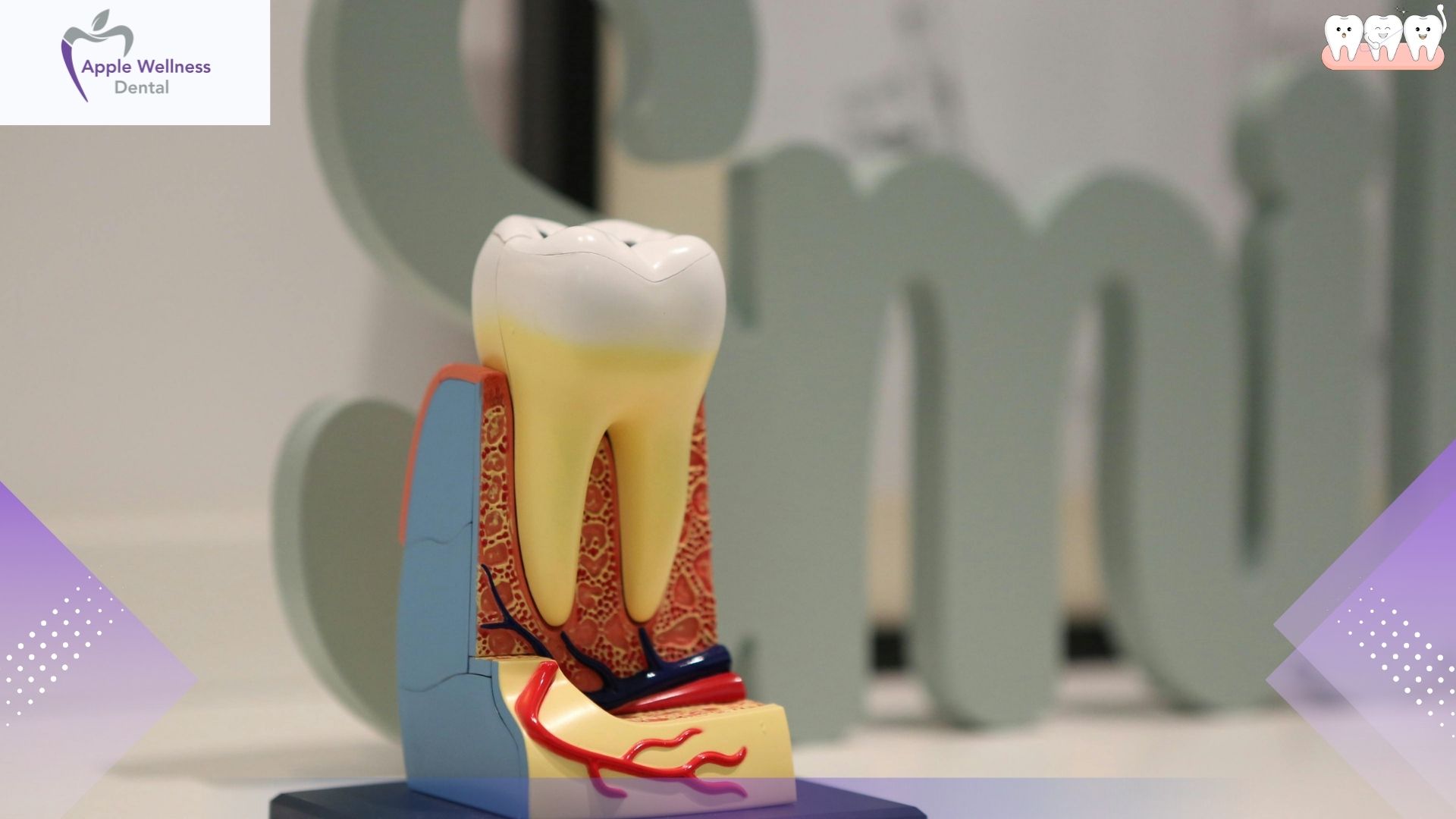
To understand dietary restrictions following oral surgery, it is essential to grasp the biological mechanics of oral wound healing. When a wisdom tooth (third molar) is extracted, the body immediately initiates hemostasis. A blood clot forms within the empty socket over the first 24 hours. This clot serves as a protective biological dressing over the underlying exposed bone and sensitive nerve endings.
According to clinical data from the American Dental Association, the preservation of this blood clot is the single most critical factor in a smooth recovery. Over the subsequent days, this clot transforms into granulation tissue, a matrix of new blood vessels and connective tissue that eventually calcifies into new bone. Disrupting this fragile environment through premature mastication (chewing) of tough foods can tear the healing tissue, introducing oral bacteria deep into the surgical site.
As Dr. James Harrison, a leading Maxillofacial Surgeon, explains:
“The oral cavity is incredibly resilient, but the early stages of socket healing are highly vulnerable to mechanical trauma. Prematurely introducing complex food structures forces the jaw muscles to exert excessive occlusal force, which not only disrupts the blood clot but can also exacerbate postoperative swelling and trismus.”
Dietary Phase 1: The Soft Liquid Diet (Days 1 to 3)
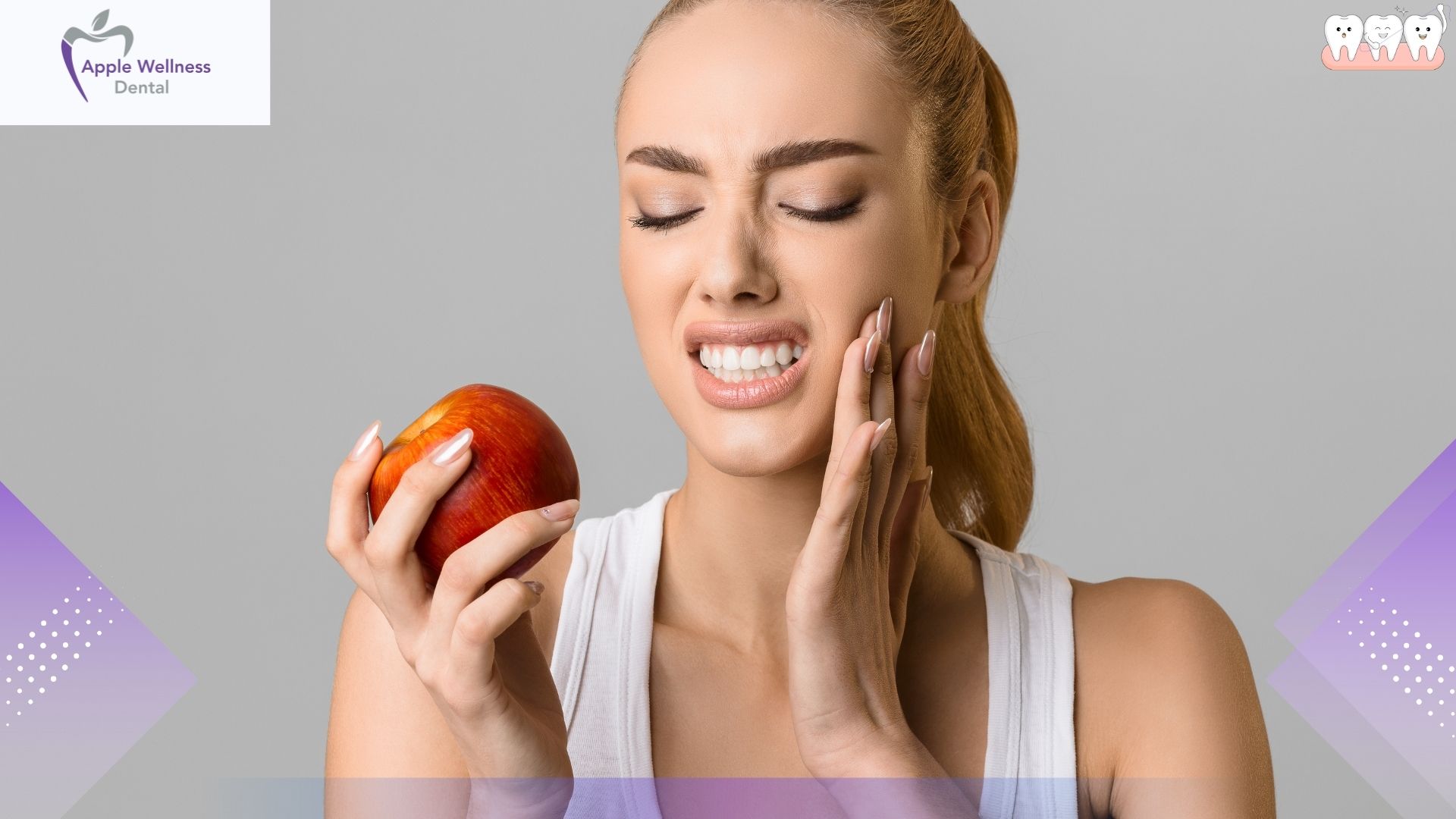
Immediately following your procedure, your jaw and gums will be numb, swollen, and highly sensitive. During the first 72 hours, your diet should consist entirely of liquids and extremely soft foods that can be swallowed without chewing. Mastication during this window is highly dangerous and largely impractical due to trismus, a temporary restriction in jaw mobility caused by muscular inflammation.
Focus on maintaining adequate caloric intake and hydration to fuel your body’s immune response. Excellent nutritional choices during this acute recovery phase include:
- Smooth Soups and Broths: Chicken, beef, or vegetable bone broths provide essential electrolytes. Ensure they are lukewarm, not piping hot, as excessive heat can dissolve the blood clot.
- Greek Yogurt: High in protein and probiotics, yogurt aids in tissue repair and helps counteract the gastrointestinal side effects of prescribed antibiotics.
- Applesauce and Fruit Purées: These deliver vital vitamins and gentle carbohydrates for energy without requiring jaw movement.
- Nutritional Shakes: Meal replacement shakes offer balanced macro and micronutrients. Remember to drink these directly from the glass—never use a straw.
- Mashed Potatoes: Whipped smoothly without lumps, they offer a comforting, calorie-dense option.
Dietary Phase 2: The Semi-Solid Transition (Days 4 to 7)
As you enter the fourth day of convalescence, the initial acute inflammation should begin to subside. The granulation tissue within the extraction site is becoming slightly more robust. If your pain levels are manageable and your jaw flexibility is returning, you can slowly begin transitioning to semi-solid foods. These are foods that require very light, gentle chewing but break down easily in the mouth.
It is vital to chew these foods using your anterior (front) teeth or premolars, keeping the food debris away from the extraction sites at the back of the mouth. Incorporate the following into your meal plan:
- Scrambled Eggs: Soft, easily chewable, and packed with high-quality protein and omega-3 fatty acids for cellular repair.
- Overcooked Pasta: Noodles like macaroni or small shells cooked past al dente can be swallowed with minimal effort.
- Flaky Fish: Well-cooked salmon, cod, or tilapia provide soft proteins that flake apart instantly on the tongue.
- Steamed Mashed Vegetables: Carrots, squash, or peas cooked until mushy provide necessary dietary fiber.
- Oatmeal: Instant oatmeal made with milk or water is soft and filling, though care must be taken to ensure it isn’t served at boiling temperatures.
Post-Extraction Food Progression Timeline
| Recovery Phase | Diet Type | Recommended Foods | Chewing Required |
|---|---|---|---|
| Days 1 – 3 | Liquid / Pureed | Bone broth, yogurt, applesauce, protein shakes | None |
| Days 4 – 7 | Semi-Solid | Scrambled eggs, soft pasta, flaky fish, oatmeal | Minimal (Front teeth) |
| Days 8 – 14 | Normal Solids (Modified) | Chicken, bread, rice, soft vegetables, fruit | Moderate |
| Weeks 3 – 4+ | Unrestricted | Nuts, popcorn, chips, hard crusts, chewy candies | Full mastication |
Dietary Phase 3: When Exactly Can You Resume Your Normal Solid Diet?
By day seven or eight, the majority of patients who have undergone routine third molar extractions can resume eating conventional solid meals. However, readiness is highly subjective and depends heavily on the complexity of your surgery. If your procedure involved complex bony impactions—where the surgeon had to section the tooth and remove surrounding bone—your jaw may require 10 to 14 days before it can handle the mechanical stress of chewing a standard meal.
You will know you are ready to transition back to your regular diet when you meet the following criteria:
- You can open your mouth fully without experiencing a tight, pulling sensation in your jaw muscles.
- The extraction sites are free from throbbing or sharp pain, even when pressure is applied nearby.
- Post-surgical swelling in the cheeks and lymph nodes has completely resolved.
- You no longer rely on prescription or over-the-counter analgesics to manage discomfort.
Research published by the National Institutes of Health in 2026 indicates that approximately 85% of young adults report a full return to unrestricted dietary habits by day 14 post-operation. Even when you transition back to complex meals like chicken breasts, sandwiches, or salads, it remains prudent to chew carefully and slowly to avoid accidentally traumatizing the healing gingival tissues.
Dangerous Dietary Choices: Foods You Must Absolutely Avoid
While understanding what to consume is important, knowing what to aggressively avoid is arguably more critical. The anatomical structure of an extraction socket makes it a prime trap for food debris. Consuming the wrong items can result in localized infections, severe inflammation, and prolonged recovery times.
Until your oral surgeon confirms that your sockets have fully closed over (which can take anywhere from 3 to 6 weeks), you must banish the following items from your pantry:
- Hard and Crunchy Snacks: Tortilla chips, pretzels, and hard taco shells fracture into sharp, jagged fragments during mastication. These shards can lacerate the healing gums or puncture the blood clot directly.
- Small Seeds and Grains: Sesame seeds, poppy seeds, chia seeds, and quinoa are notoriously hazardous. Their microscopic size allows them to fall deep into the extraction socket, where they become lodged in the granulation tissue, rapidly inviting bacterial colonization and infection.
- Acidic and Spicy Foods: Citrus fruits, hot peppers, and vinegar-based sauces will cause extreme chemical irritation and severe burning sensations on raw, healing mucosal tissues.
- Chewy or Sticky Items: Tough steaks, jerky, caramel, and chewing gum require exhaustive jaw mechanics. The intense repetitive motion can trigger severe temporomandibular joint (TMJ) flare-ups and exhaust recovering jaw muscles.
The Severe Risk of Alveolar Osteitis (Dry Socket)
Alveolar osteitis is the most feared complication following an extraction. It occurs when the initial blood clot fails to form, is mechanically dislodged, or dissolves prematurely before the wound has matured. This exposes the underlying alveolar bone and nerve terminals directly to air, food, and oral fluids.
Current 2026 dental statistics reveal that dry socket occurs in about 2% to 5% of all routine tooth extractions. However, this risk skyrockets to 20% to 30% for impacted mandibular (lower) third molars due to denser jawbone structure and reduced blood supply compared to the upper jaw.
As Dr. Elena Rostova, a prominent researcher in oral pathology, notes:
“The pain associated with alveolar osteitis is profound, radiating up through the ear and temple. In nearly 80% of the cases we treat, the complication is traced back to non-compliance with postoperative dietary instructions—specifically, patients consuming hard foods or utilizing straws too early in the convalescent timeline.”
Expert Strategies for Safe Mastication and Oral Hygiene
Navigating the transition back to a complex diet requires diligent oral hygiene to ensure no food debris lingers near the surgical sites. As you begin eating heavier meals, keeping the mouth pristine is non-negotiable.
Follow these expert protocols endorsed by leading dental health institutions:
- The Warm Saline Rinse: Starting 24 hours post-surgery, rinse your mouth gently with warm salt water (1/2 teaspoon of salt dissolved in 8 ounces of warm water) after every single meal. The hypertonic nature of the saline reduces localized swelling and gently lifts food particles away from the surgical wounds without the abrasive action of a toothbrush.
- Gentle Irrigation: If your oral surgeon provided a curved monoject irrigation syringe, begin using it typically around day 5 to 7. Fill it with warm water or a prescribed antimicrobial rinse and flush the lower sockets gently to dislodge trapped food. Never force the water in aggressively.
- Modified Brushing Technique: Continue to brush your remaining teeth twice daily to reduce total bacterial load in the mouth. However, avoid brushing directly over the extraction sites for at least the first 5 days. Angle the toothbrush away from the posterior gums.
- Sleep Position: Keep your head elevated on two pillows for the first few nights. Gravity helps minimize throbbing and reduces the pooling of inflammatory fluids in the jaw, facilitating faster jaw mobility for eating.
Frequently Asked Questions
Can I eat a hamburger 5 days after wisdom teeth removal?
Eating a hamburger at day five is generally not recommended. The dense bread and ground meat require extensive chewing that can exhaust your jaw muscles and risk lodging debris into partially healed sockets.
What happens if food gets stuck in my wisdom tooth hole?
If food enters the socket, do not panic and never use a toothpick to dig it out. Gently rinse the area with warm salt water or use a dental irrigation syringe if your surgeon has cleared you to do so.
Can I eat rice after wisdom teeth extraction?
Avoid rice for at least the first week. The tiny grains easily slip into the extraction sockets, become trapped, and can cause painful infections or disrupt the blood clot.
How long do wisdom tooth holes take to close entirely?
While the gums may appear healed on the surface within 2 to 3 weeks, the underlying bone and deep tissue can take anywhere from 3 to 6 months to completely regenerate and fill the void.
Can I drink coffee after getting my wisdom teeth out?
You should wait at least 48 to 72 hours before consuming coffee. Hot beverages can increase blood flow and dissolve the blood clot, while the caffeine can elevate blood pressure and induce bleeding.
Is it safe to eat pizza after wisdom teeth removal?
Pizza should be avoided for at least a week to 10 days. The chewy crust requires too much bite force, and the acidic tomato sauce can severely irritate the healing mucosal tissues.
Why does my jaw hurt when I try to chew soft food?
Postoperative jaw stiffness, known as trismus, is a normal inflammatory response to the surgery and keeping your mouth open for extended periods. It typically resolves naturally within 5 to 7 days with rest and warm compresses.
When can I use a straw again?
Wait a minimum of 7 to 10 days before using a straw. The intraoral vacuum created by sucking can instantaneously pull the protective blood clot out of the socket, leading directly to a dry socket.
Conclusion
Understanding exactly when you can eat solid food after a wisdom tooth extraction is paramount to ensuring a rapid, complication-free recovery. By strictly adhering to a liquid and soft food diet for the first three days, gradually introducing semi-solids over the next few days, and waiting a full week before attempting your normal diet, you protect your healing jaw from severe complications like dry socket and infection. Remember that patience is your greatest asset during oral convalescence; pushing your dietary limits too early will only result in prolonged pain and delayed healing.
If you are experiencing severe pain, excessive swelling, or are unsure if your extraction sites are healing properly, do not wait for the symptoms to worsen. Get in touch with our team today to schedule a postoperative evaluation or to speak with one of our dental experts.
References
- American Dental Association – Guidelines on Oral Surgery Recovery and Post-Extraction Care (2026).
- Mayo Clinic – Patient Education: Alveolar Osteitis Symptoms and Prevention.
- National Institutes of Health – Statistical Data on Third Molar Extraction Complications and Dietary Compliance.
- World Health Organization – Global Standards for Postoperative Dental Pain Management.