
What Happens If I Don’t Get a Bone Graft After Tooth Extraction? The Real Trade-Offs
Quick Answer: What happens if I don’t get a bone graft after tooth extraction? The socket still heals, but the jaw ridge naturally shrinks. A 2012 systematic review found 29 to 63 percent horizontal and 11 to 22 percent vertical bone loss at six months, mostly in the first three to six months. Whether that matters depends on your replacement plans.
What happens if I don’t get a bone graft after tooth extraction is a smart question to ask before you agree to an extra procedure and fee. A graft is not always needed. For some people, skipping it has no real downside. For others, especially those planning an implant in a visible area, it can make later treatment harder. This guide walks through what the research shows and how to weigh the decision.
Last updated: November 3, 2026. Main source: Atieh MA, et al., Cochrane Database of Systematic Reviews, 2021, and Cleveland Clinic, “Dental Bone Graft,” August 6, 2024. Full links are in the Sources section.
Key Takeaways
- The socket heals without a graft. Bone fills in, but the ridge gets narrower and shorter.
- Most shrinkage happens early. Tan and colleagues (2012) found rapid reduction in the first 3 to 6 months.
- Grafting may reduce shrinkage. A 2021 Cochrane review found ridge preservation may reduce width and height loss slightly, with very low certainty evidence.
- It may not change implant success. The same review found no clear difference in implant failure.
- Your plan for the gap is the deciding factor: implant, bridge, denture or leaving it.
What happens to the socket without a graft
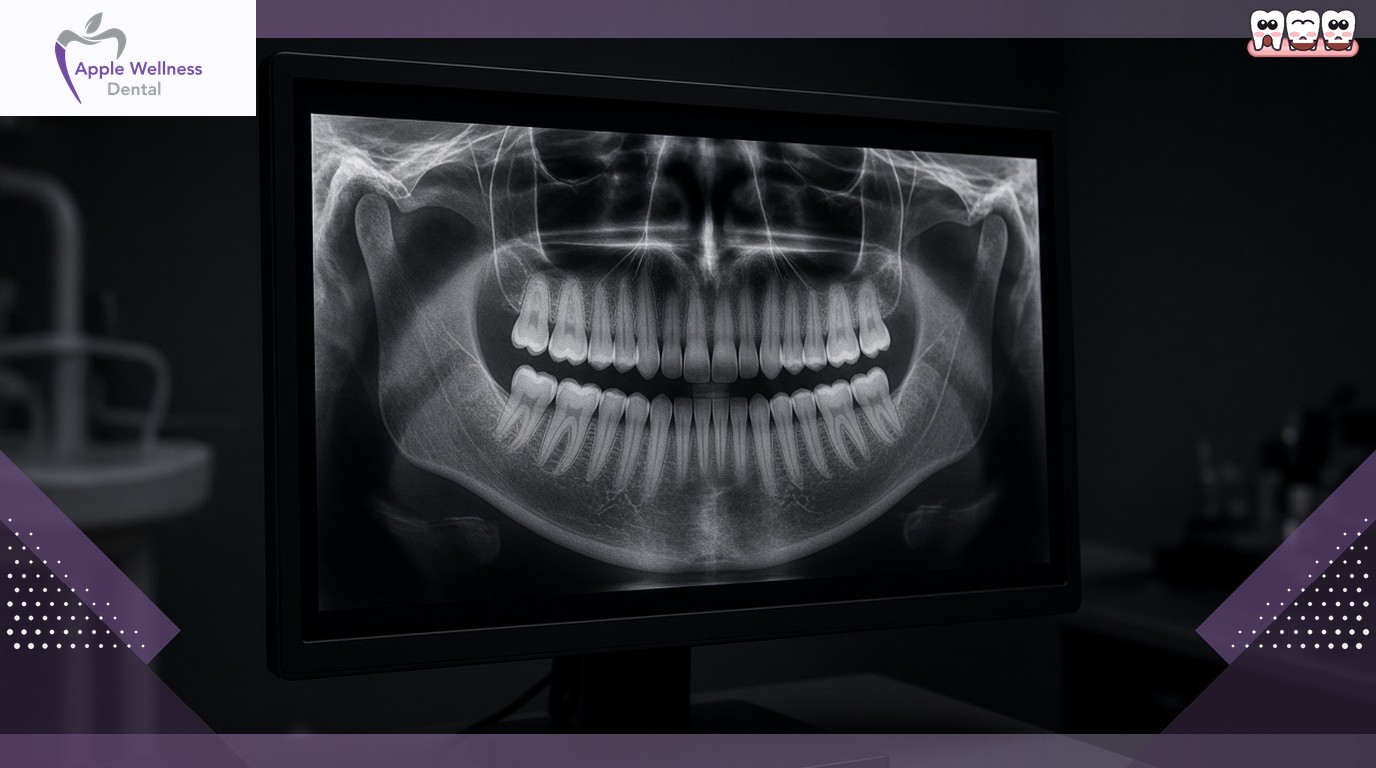
After an extraction, the socket fills with a blood clot, which is gradually replaced by new bone over the following months. At the same time, the outer walls of the socket remodel. Because the bone that held the tooth no longer has a job, the body resorbs some of it. Cleveland Clinic sums this up: “if you don’t use it, you lose it.”
A systematic review by Tan and colleagues, published in Clinical Oral Implants Research in 2012, pooled studies of healing sockets in humans. At six months, they reported:
| Measurement | Reported change at 6 months (Tan et al., 2012) |
|---|---|
| Horizontal (width) bone loss | 29 to 63 percent |
| Vertical (height) bone loss | 11 to 22 percent |
| Timing | Rapid reduction in the first 3 to 6 months, then gradual |
These are average ranges from research, not a prediction for your own mouth. Front teeth with thin bone, for example, can behave differently from back teeth.
What a socket graft does
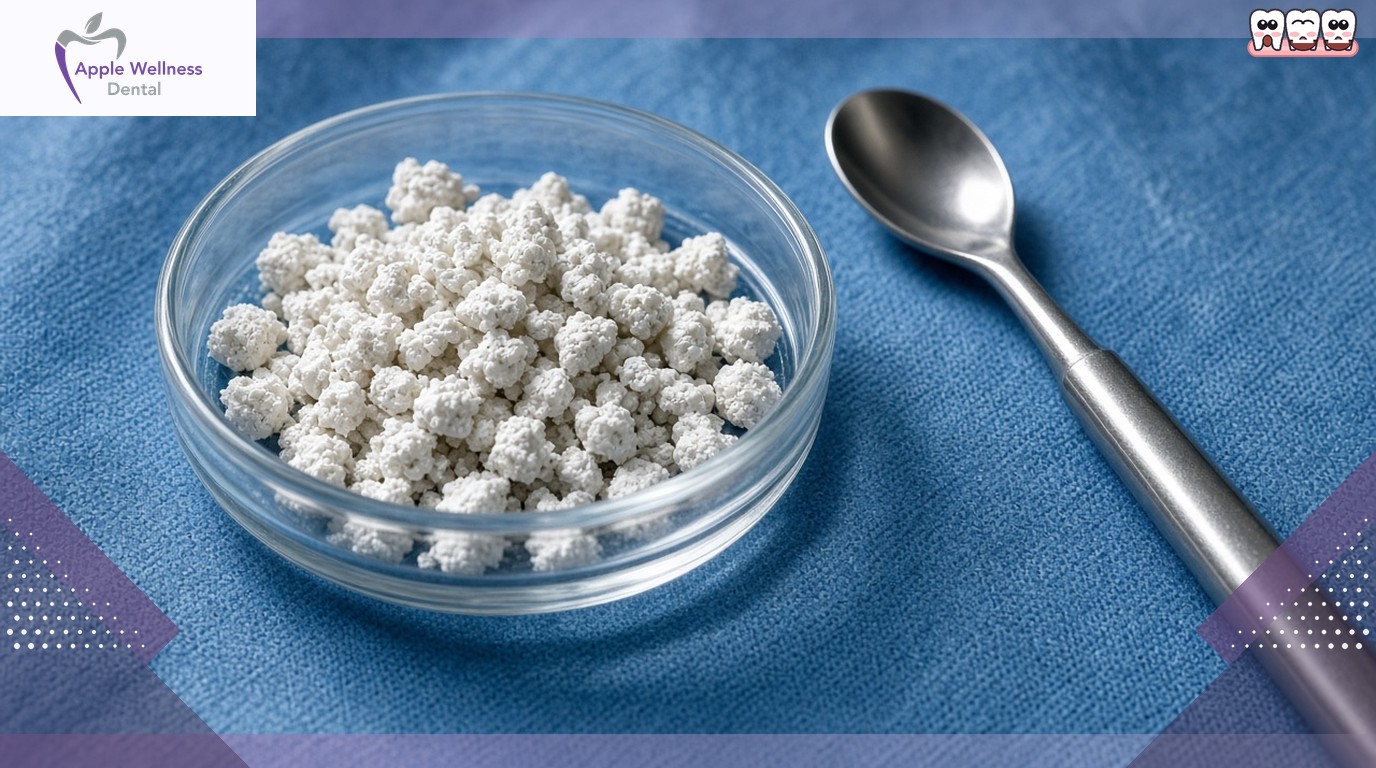
Cleveland Clinic explains that a bone graft can be used to fill a socket right after extraction, to build up the jaw before implants, and to support dentures. A socket graft, also called ridge preservation, packs graft material into the empty socket to help hold its shape while it heals.
The 2021 Cochrane review by Atieh and colleagues compared ridge preservation with leaving the socket to heal naturally. Using xenograft material (usually derived from cow bone), ridge preservation may reduce loss of width by about 1.18 mm and loss of height by about 1.35 mm. The authors rated this as very low certainty evidence, and they found no clear difference in implant failure between groups.
Does skipping it matter? It depends on your plan
| Your plan for the gap | Effect of skipping a graft | Worth discussing |
|---|---|---|
| Leave the gap (back tooth, not visible) | Ridge shrinks; often little practical impact | Whether neighbouring teeth might drift; whether you may want an implant later |
| Dental implant later | Less bone may mean a separate graft before or during implant surgery | Timing of the implant and whether a socket graft now could simplify it |
| Implant placed at extraction | Graft decision is made during surgery | Ask your dentist what they plan |
| Fixed bridge | Ridge shrinkage under the bridge can leave a visible gap in front teeth | How the area under the bridge will look |
| Removable denture | Shrinkage can affect fit over time | Cleveland Clinic notes grafts can help support dentures; ask about relines |
Hypothetical example: A 45-year-old is having a lower back molar removed and does not plan to replace it. Their dentist explains that the ridge will shrink but that this will not affect chewing on the other teeth. They skip the graft. A second person is losing an upper front tooth and wants an implant. Their dentist recommends a socket graft to help preserve the ridge shape for both the implant and the gum line, and explains the extra fee. Both decisions are reasonable for their situations.
Types of graft material
If you and your dentist do decide on a graft, you will likely hear one of these terms. Cleveland Clinic describes several sources of graft material:
| Type | Source |
|---|---|
| Autogenous | Your own bone, taken from another area of your body |
| Allograft | Human bone purchased from a licensed donor bank |
| Xenograft | Animal-derived bone from a licensed donor bank; bovine (cow) and porcine (pig) are common |
| Alloplast | Lab-made bone substitute, such as hydroxyapatite |
Cleveland Clinic explains that graft material acts like a scaffold on which your own bone tissue can grow and regenerate.
The Cochrane review’s main finding on ridge preservation came from xenograft studies. Your dentist will recommend a material based on the site, your health and their experience.
Front teeth versus back teeth
Location changes the stakes. In the front of the mouth, the outer wall of bone is often thin, and even modest shrinkage can show as a dip in the gum line, especially under a bridge or around an implant crown. In the back of the mouth, small changes in ridge shape are usually less visible, and some people choose not to replace a back tooth at all. That is why two people having teeth removed on the same day can receive different advice about grafting. Ask your dentist to show you, on your X-ray or a model, where the bone is thin and what they expect to happen.
If you skip it now, can you graft later?
Yes. Bone grafting can be done later to build up a shrunken ridge, often before implant placement. However, a later graft is usually a bigger procedure than a socket graft at the time of extraction, may need more healing time, and may add a separate surgical visit. For timing considerations, see how long can you wait to get a bone graft after tooth extraction. For an overview of the procedure itself, see what is dental bone grafting.
Questions to ask your dentist
- ☐ Do I need a graft for the replacement option I want?
- ☐ Is this a front or back tooth, and how thin is the bone here?
- ☐ What graft material would you use and why?
- ☐ What is the extra cost, and will my insurance pay any of it?
- ☐ How long will healing take before an implant, with and without a graft?
- ☐ What happens if I decide on an implant in a few years instead?
- ☐ Are there medical reasons, such as smoking or diabetes, that change the recommendation?
Other effects of a missing tooth
Whether or not you graft, a gap can change your bite over time. Neighbouring teeth may tip into the space, and the opposing tooth may drift. These changes are not caused by skipping a graft, but they are part of the bigger decision about whether and how to replace the tooth.
Costs and coverage
Socket grafts add a separate fee for the graft material and placement. The Government of Alberta says fee guide amounts are recommended, not mandatory, and suggests asking your dentist for a pre-authorization to your insurer. Coverage for grafts varies widely between plans. Ask for a written estimate that lists the graft separately so you can compare the options.
Healing after an extraction, with or without a graft
The early aftercare is the same either way. Protect the clot, avoid straws and smoking, and eat soft foods. If a graft was placed, you may notice a few small granules in your mouth in the first days, and your dentist may ask you to be extra gentle with the area. Follow the specific instructions you are given. Our guides on what to eat after extraction and how to sleep after tooth extraction cover the basics.
Extraction and replacement planning in Airdrie
At Apple Wellness Dental, Dr. Sanjay Rajpal and Dr. Hammad Qasim talk through replacement options before an extraction, so you can decide whether a graft makes sense for you. Our clinic at 229 1st Street SW has served Airdrie since 1993. We follow the Alberta Dental Fee Guide, direct bill insurance, offer payment plans and accept the Canadian Dental Care Plan. Call (587) 332-6767, or see our dental services.
Frequently asked questions
Is a bone graft necessary after tooth extraction?
Not always. The socket heals without a graft, but the ridge shrinks. Grafting is most often considered when an implant is planned or the area is visible. Your dentist will advise based on your plan.
How much bone do you lose after a tooth extraction?
A 2012 systematic review by Tan and colleagues found 29 to 63 percent horizontal and 11 to 22 percent vertical bone loss at six months, with most of the change in the first three to six months.
Can I get an implant without a bone graft?
Sometimes. If enough bone remains, an implant may be placed without grafting. If the ridge has shrunk too much, a graft may be needed first.
Does a socket graft improve implant success?
A 2021 Cochrane review found no clear difference in implant failure between ridge preservation and natural healing, although grafting may reduce ridge shrinkage slightly.
Can I get a bone graft years after an extraction?
Yes, grafting can be done later, but it is often a larger procedure than a socket graft at the time of extraction.
What is a bone graft made of?
Cleveland Clinic describes graft material from your own bone, donor human bone, animal bone or synthetic material. Your dentist will recommend one for your situation.
Does skipping a bone graft cause pain or infection?
No. Skipping a graft does not by itself cause pain or infection. The socket heals normally; the main effect is a narrower, shorter ridge.
Sources
- Tan WL, et al. “A systematic review of post-extractional alveolar hard and soft tissue dimensional changes in humans.” Clinical Oral Implants Research, 2012
- Atieh MA, et al. “Alveolar ridge preservation versus early implant placement in single non-molar sites.” Cochrane Database of Systematic Reviews, 2021 (CD010176.pub3)
- Cleveland Clinic, “Dental Bone Graft” (last updated August 6, 2024)
- Government of Alberta, “Dental fees in Alberta” (undated)
Apple Wellness Dental
Dental care in Airdrie, Alberta. This article is general education and does not replace an examination by a dental professional. It is not medical, legal, tax or financial advice.
Planning an extraction? Ask our Airdrie team about your options. Book a call or Contact Us, or call 587-332-6767.