
Can I Eat Before Tooth Extraction Local Anesthesia? Your Pre-Appointment Plan
Quick Answer: Can I eat before tooth extraction local anesthesia? Usually yes. Oxford Health NHS advises patients to eat normally before having teeth removed under local anaesthetic and to take usual medicines unless told otherwise. Fasting rules generally apply to sedation or general anaesthesia instead, so always follow the written instructions your own clinic gives you.
Can I eat before tooth extraction local anesthesia is a common worry, because many people have heard they must fast before surgery. That rule usually applies when you are put to sleep, not when only the area is numbed. This guide explains why eating is generally encouraged before a local anesthetic extraction, what and when to eat, and the exceptions where your clinic may say otherwise.
Last updated: November 3, 2026. Main source: Oxford Health NHS Foundation Trust, “Removal of teeth” leaflet OH 021.26 (2026). Full links are in the Sources section.
Key Takeaways
- Eat normally before local anesthetic. Oxford Health NHS says to eat normally before teeth are removed under local anaesthetic.
- Take your usual medicines unless told otherwise, per the same leaflet. Never stop a medicine without advice.
- Fasting is a sedation or general anaesthesia issue. Follow your care team’s instructions if either is planned.
- Numbness lasts a few hours, so eating beforehand means you will not be hungry while numb.
- Avoid smoking before. Oxford Health asks patients to avoid smoking for 72 hours before.
Local anesthesia versus being put to sleep
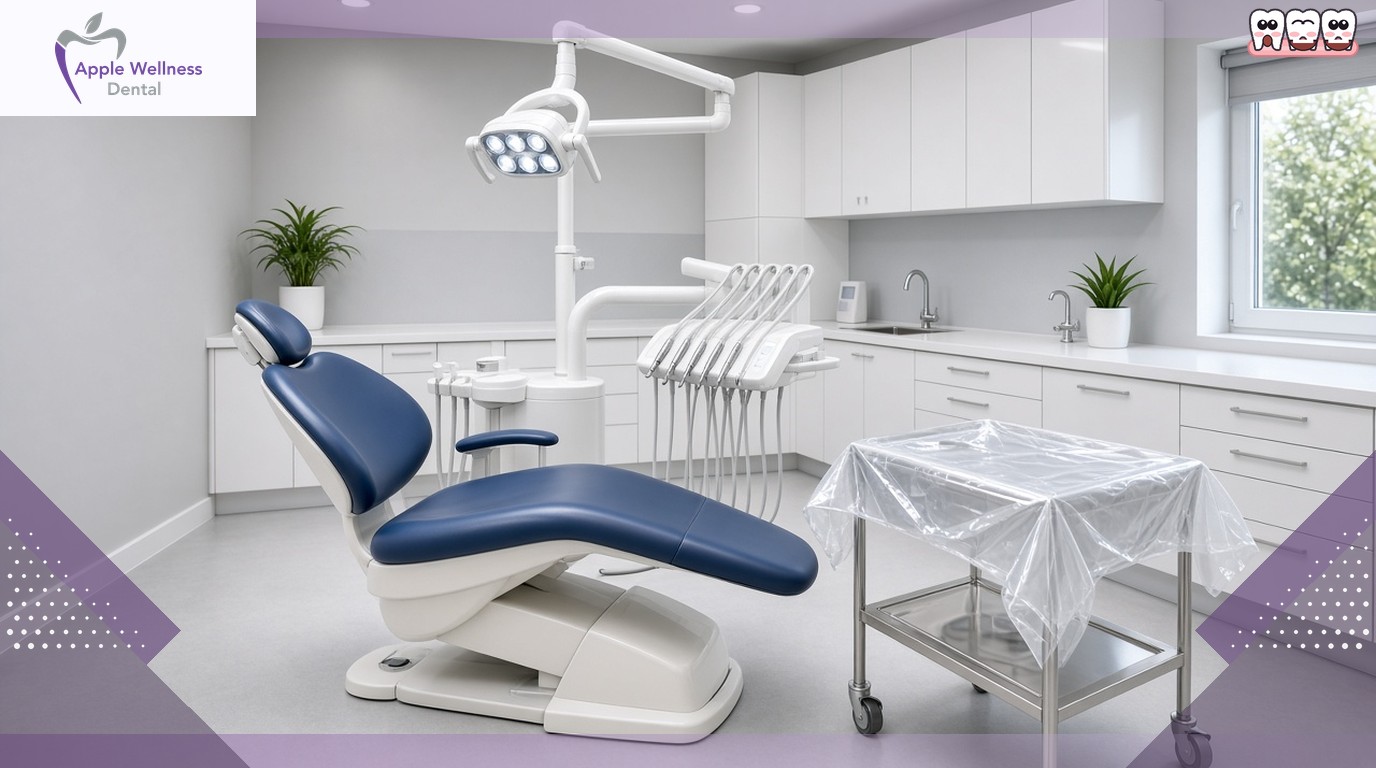
Local anesthesia, often called freezing, numbs only the area around the tooth. You stay awake and can swallow, talk and protect your airway as usual. That is why there is normally no need to fast. The NHS describes local anaesthetic as a medicine that numbs a small area so you do not feel pain, and notes you should be careful until it wears off.
General anaesthesia is different. You are unconscious, so an empty stomach lowers the risk of stomach contents entering the lungs. The NHS says you will be given advice on how to prepare, which usually includes when to stop eating and drinking. Sedation also has its own instructions. If either is part of your plan, your clinic’s instructions replace this article.
| Type of numbing | Can you usually eat beforehand? | Who decides |
|---|---|---|
| Local anesthetic only | Yes, eat normally (Oxford Health NHS) | Your dentist confirms |
| Sedation | Follow specific instructions; may differ | Your care team |
| General anaesthesia | Usually no, for a set time before (NHS: you will be given advice) | Your care team |
Why eating first actually helps
- You will be numb for a few hours. Oxford Health notes numbness lasts a few hours. Eating while numb risks biting your lip, cheek or tongue.
- You may not feel like eating afterward. The first day calls for soft, cool food, so a proper meal beforehand gives you energy.
- Steadier blood sugar. Some people feel faint or shaky at dental visits, especially on an empty stomach.
- Medicines with food. Some regular medicines are meant to be taken with a meal.
What and when to eat
There is no official menu, but common sense guidance works well:
- ☐ Have a normal, balanced meal one to two hours before your appointment
- ☐ Choose something filling: eggs, toast, oatmeal, yogurt or a sandwich
- ☐ Drink water as usual
- ☐ Brush and floss after eating so food is not trapped around the tooth
- ☐ Skip alcohol beforehand
- ☐ Avoid smoking for 72 hours before, as Oxford Health advises
- ☐ Take your usual medicines unless your dentist or doctor has told you otherwise
- ☐ Pack soft foods at home for after: yogurt, applesauce, cooled soup
Hypothetical example: A patient is booked for a simple extraction under local anesthetic at 11 a.m. At 9:30 they have scrambled eggs, toast and water, then take their usual blood pressure pill. They brush and floss, arrive on time and tell the dentist what they ate and which medicine they took. The extraction goes as planned. Because they ate, they are comfortable waiting the few hours for the freezing to wear off before having cooled soup for a late lunch.
Your 24-hour preparation timeline
Here is a simple way to plan the day before and the day of a local anesthetic extraction. It combines the Oxford Health NHS leaflet with general good practice. Your clinic’s instructions take priority.
| When | What to do |
|---|---|
| 3 days before | Stop smoking if you smoke (Oxford Health: avoid for 72 hours before) |
| The day before | Buy soft foods for afterward; confirm your appointment time and any written instructions; arrange a ride home if possible (NHS) |
| The evening before | Eat a normal dinner; skip alcohol; get a good night’s sleep |
| Morning of | Eat a normal breakfast or lunch; take usual medicines unless told otherwise (Oxford Health) |
| 1 hour before | Brush and floss; drink some water; use the washroom |
| At the clinic | Tell the team what you ate, which medicines you took and any health changes |
| Right after | Do not eat or drink hot things until the numbness wears off (NHS) |
Common myths about eating before an extraction
| Myth | What official guidance says |
|---|---|
| You must always fast before any tooth extraction | Oxford Health NHS says eat normally before local anaesthetic; fasting applies to other types of anaesthesia when your team says so |
| An empty stomach makes the freezing work better | Local anaesthetic numbs a small area; there is no official advice that fasting improves it (NHS) |
| You should skip your medicines on the day | Oxford Health says take your tablets as usual unless advised otherwise |
| Eating right after is fine because it does not hurt | The NHS advises being careful until the anaesthetic wears off, as you can bite or burn yourself |
Hypothetical example: A different patient has a 3 p.m. appointment. They eat a normal breakfast and a light, filling lunch of a sandwich and yogurt at 1 p.m., then brush and floss. Because they will likely be numb until early evening, they plan dinner around a cooled soup and mashed potatoes, and set out a glass and water at home so they do not reach for a straw.
If you feel nervous
Anxiety can make some people skip meals before a dental visit, which can leave them feeling light-headed in the chair. Eating normally, arriving a few minutes early, and telling the team you are nervous all help. Ask the dentist to explain each step before it happens, and agree on a hand signal if you need a break.
Exceptions: when your clinic may say otherwise
Instructions vary by service, and Oxford Health itself notes that different instructions apply for sedation or general anaesthesia. Your dentist may also give special instructions if:
- You have diabetes and need a plan for meals and medicine around the appointment.
- You take blood thinners. Do not stop them on your own; your dentist and doctor will advise.
- You are having several teeth out, or the plan could change to sedation.
- You have a medical condition that affects how you handle anesthetic.
If your written instructions say not to eat, follow them, and call the clinic if anything is unclear.
After the appointment: while you are still numb
The NHS advises being careful until the local anaesthetic wears off. Avoid hot drinks and chewing until you can feel your lip, cheek and tongue again. For how long that takes, see how long does freezing from the dentist last. Then follow your aftercare: see how soon after tooth extraction can I eat and what you can eat after wisdom tooth extraction.
Once feeling returns, start with soft, cool or lukewarm foods. Mayo Clinic suggests soft foods such as yogurt or applesauce on the first day and being careful with hot or cold foods and drinks until the numbness wears off. Chew on the opposite side from the extraction, and avoid straws, since Mayo Clinic says not to drink with a straw for at least a week. Having these foods ready before you leave home is one of the easiest ways to make the first evening comfortable, and it means you will not be tempted to grab something crunchy when you are hungry.
The NHS also suggests having someone to take you home if possible. Plan for an easy rest of the day.
Tell your dentist before the appointment
- Every medicine and supplement you take, including blood thinners
- Any allergies, including to anesthetics
- Conditions such as diabetes, heart problems or pregnancy
- Whether you have eaten and when
- If you feel anxious, so the team can explain each step
For a broader checklist, see preparing for oral surgery.
Extractions in Airdrie
At Apple Wellness Dental, Dr. Sanjay Rajpal and Dr. Hammad Qasim perform extractions under local anesthetic and will tell you exactly how to prepare when you book. We have served Airdrie from 229 1st Street SW since 1993, follow the Alberta Dental Fee Guide, direct bill insurance and accept the Canadian Dental Care Plan. Call (587) 332-6767 with any questions before your visit, or see our services.
Frequently asked questions
Should I eat before a tooth extraction with local anesthetic?
Usually yes. Oxford Health NHS advises patients to eat normally before teeth are removed under local anaesthetic. Follow your own clinic’s instructions if they differ.
Do I need to fast before a tooth extraction?
Not usually for local anesthetic alone. Fasting instructions generally apply to sedation or general anaesthesia, and your care team will tell you what to do.
Can I drink water before a tooth extraction with local anesthetic?
Yes, drinking water as usual is generally fine before a local anesthetic extraction. Skip alcohol, and follow any specific instructions your clinic gives you.
Should I take my medicine before a tooth extraction?
Oxford Health NHS says to take your tablets and medication as usual unless advised otherwise. Never stop blood thinners or other medicines without advice.
How long before a tooth extraction should I eat?
There is no official time, but eating one to two hours before gives you time to brush and floss and means you will not be hungry while numb.
Can I smoke before a tooth extraction?
Oxford Health asks patients to avoid smoking for 72 hours before teeth are removed.
How long will I be numb after a tooth extraction?
Oxford Health notes numbness lasts a few hours. Avoid hot drinks and chewing until feeling returns.
Sources
- Oxford Health NHS Foundation Trust, Oxfordshire Community Dental Service, “Removal of teeth” leaflet OH 021.26 (2026)
- NHS, “Local anaesthetic” (last reviewed December 17, 2025)
- NHS, “General anaesthesia” (last reviewed November 29, 2024)
- Mayo Clinic, “Dry socket: Symptoms and causes” (July 18, 2023)
Apple Wellness Dental
Dental care in Airdrie, Alberta. This article is general education and does not replace an examination by a dental professional. It is not medical, legal, tax or financial advice.
Booking an extraction? Call our Airdrie team with your questions. Book a call or Contact Us, or call 587-332-6767.