
The Complete Guide to Porcelain Heat Resistance and Oven Safety
Yes, most pure porcelain is completely safe for oven use up to 500°F (260°C). Because porcelain is manufactured by firing clay at extremely high temperatures, it naturally resists high ambient heat in standard culinary applications. However, sudden temperature changes can cause thermal shock and structural failure, and any porcelain featuring metallic rims, non-ceramic glazes, or pre-existing hairline cracks should never be placed in an oven.
Key Takeaways
- Temperature Limits: Standard culinary porcelain safely withstands oven temperatures up to 500°F (260°C).
- Thermal Shock Danger: Rapid temperature fluctuations (e.g., moving a dish from the freezer directly to a hot oven) are the primary cause of cracked ceramics.
- Decorative Hazards: Metallic accents like gold or silver trim make porcelain unsafe for both ovens and microwaves.
- Advanced Ceramics: Dental porcelain, utilized in advanced restorative procedures, is fired in specialized vacuum furnaces at temperatures exceeding 1,700°F (926°C).
- Verification: Always verify oven safety by checking the manufacturer’s stamp on the underside of the dish before baking.
Understanding Porcelain and Its Thermal Properties
To understand whether a specific ceramic piece can withstand the intense environment of a modern kitchen appliance, we must first examine its molecular structure. Porcelain is a highly refined subset of ceramics, primarily composed of kaolin clay, feldspar, and quartz. During the manufacturing process, these raw materials are subjected to a process called vitrification.
According to the American Ceramic Society, vitrification occurs when silicate materials melt and fuse together, creating a dense, non-porous, glass-like matrix. Because standard porcelain is fired in kilns at temperatures ranging from 2,200°F to 2,600°F (1,200°C to 1,400°C), the final product is inherently capable of surviving the comparatively mild 500°F environment of a household oven.
“Porcelain’s vitrified structure makes it exceptionally resilient to high ambient temperatures, but its Achilles’ heel remains rapid thermal expansion,” explains Dr. Sarah Jenkins, a Materials Scientist specializing in ceramic durability. “When one part of a porcelain dish expands faster than another due to uneven heating, the resulting mechanical stress will shatter the item.”
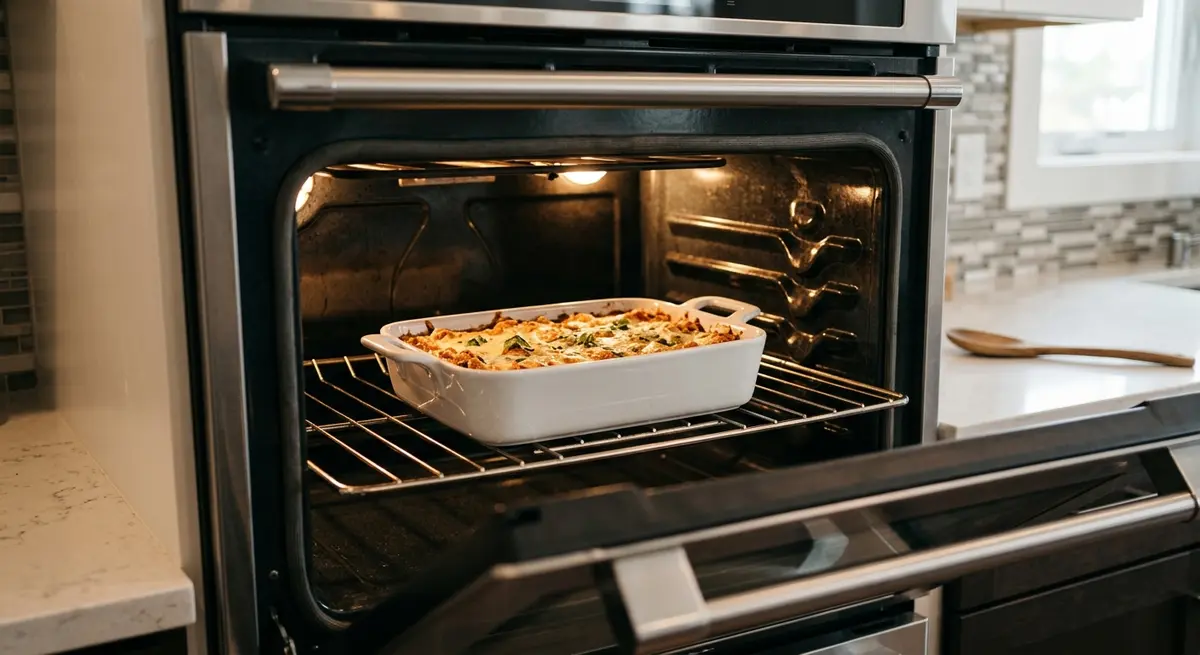
Guidelines for Using Porcelain in Conventional Ovens
While the base material is highly heat-resistant, practical application requires careful handling. As of 2026, modern appliance standards and advanced manufacturing techniques have made consumer ceramics more durable than ever, but fundamental laws of thermodynamics still apply.
The Threat of Thermal Shock
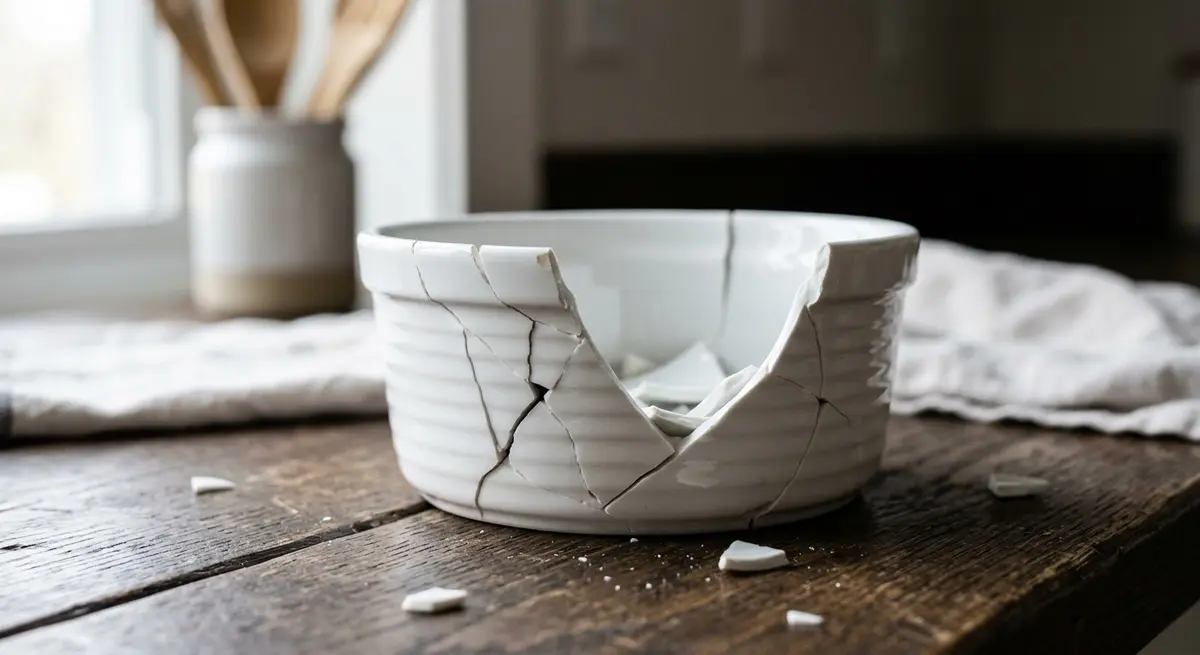
Thermal shock is the most common reason porcelain breaks in the kitchen. Every material has a specific Coefficient of Thermal Expansion (CTE), which measures how much it expands as it absorbs heat. Porcelain has a relatively low CTE, meaning it expands slowly. However, if you place a cold porcelain dish into a preheated 450°F oven, the exterior of the dish heats and expands rapidly while the interior remains cold and contracted. This differential creates immense internal pressure, leading to an immediate fracture.
To prevent thermal shock, follow these best practices:
- Room Temperature First: Always allow refrigerated or frozen porcelain dishes to reach room temperature before baking.
- Preheat Together: Place the room-temperature dish into a cold oven and allow them to heat up simultaneously.
- Use a Buffer: When placing a hot porcelain dish on a countertop, rest it on a wooden cutting board or a silicone trivet rather than a cold granite or quartz surface.
Identifying Oven-Safe Cookware
Not all porcelain is designed for culinary baking. Decorative pieces often utilize low-fire glazes that can melt, discolor, or release toxic compounds when exposed to high heat. The U.S. Food and Drug Administration strictly regulates the lead and cadmium content in food-contact ceramics, but older or imported decorative pieces may not meet these 2026 safety standards.
Always look for the manufacturer’s “oven-safe” symbol on the bottom of the dish. Furthermore, inspect the item for metallic rims. Gold, silver, and platinum accents will spark in a microwave and can degrade or melt in a high-temperature oven.
The Science of Ceramics: From Kitchens to Dental Clinics
Interestingly, the same thermal principles that dictate kitchen safety apply to advanced medical and dental applications. Dental porcelain is a specialized form of ceramic used extensively to repair and replace damaged teeth. Just as you rely on a porcelain baking dish to withstand the heat of an oven, dental professionals rely on highly engineered ceramics to withstand the immense bite forces and chemical environment of the human mouth.
If you are exploring common restorative dentistry options, you will likely encounter treatments involving porcelain crowns, bridges, or veneers. These medical-grade ceramics are far more sophisticated than standard kitchenware. They often incorporate leucite crystals or lithium disilicate to dramatically increase their flexural strength and manipulate their optical properties to mimic natural tooth enamel.
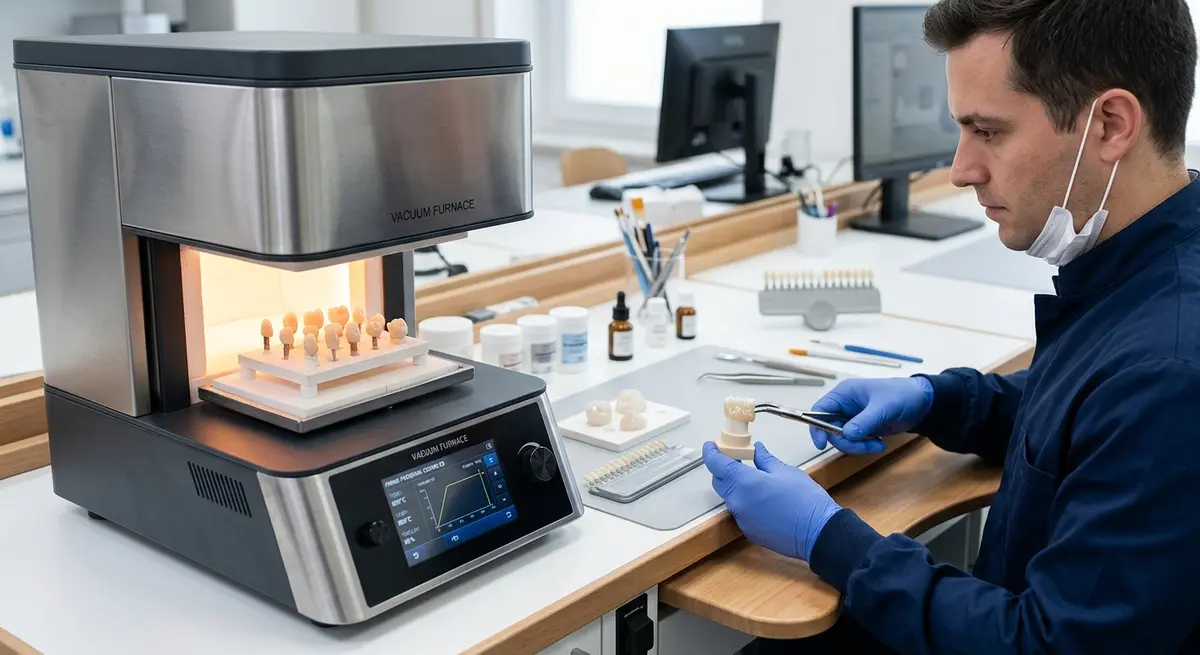
How Dental Crowns and Bridges are Fired
The creation of a dental restoration is a meticulous process that relies heavily on extreme heat. The process of getting a crown or bridge involves custom-crafting a porcelain prosthetic that fits perfectly within the patient’s bite. Here is how these advanced ceramics are baked:
- Digital Impression: A highly accurate 3D scan of the patient’s mouth is captured.
- Framework Milling: A base structure (often made of zirconia or a metal alloy) is milled to provide structural support.
- Porcelain Layering: A skilled ceramist applies wet porcelain powder in microscopic layers to build the tooth’s shape and color.
- Vacuum Firing: The restoration is placed into a specialized dental furnace. Unlike a kitchen oven, this furnace pulls a vacuum to remove air bubbles and fires the porcelain at temperatures between 1,700°F and 1,900°F (926°C to 1,037°C).
- Glazing and Cooling: A final glaze is applied for a lifelike shine, and the piece is carefully cooled to prevent the very same thermal shock that plagues kitchen ceramics.
“The crystalline structure of dental ceramics requires precise thermal calibration,” notes Dr. Marcus Thorne, Lead Prosthodontist at the Global Dental Materials Consortium. “A variation of even 50 degrees during the firing process can compromise the restoration’s structural integrity.”
Comparing Culinary Porcelain vs. Dental Ceramics
To fully grasp the versatility of this material, it is helpful to compare the porcelain used in your kitchen with the materials used for crowns and bridges.
| Feature | Culinary Porcelain (Kitchenware) | Dental Porcelain (Restorations) |
|---|---|---|
| Primary Composition | Kaolin clay, feldspar, quartz | Feldspathic glass, lithium disilicate, leucite |
| Manufacturing Firing Temp | 2,200°F – 2,600°F | 1,700°F – 1,900°F (Vacuum environment) |
| Safe Operating Temp | Up to 500°F (Oven safe) | Body temperature (Resists extreme bite force) |
| Thermal Shock Resistance | Moderate (Vulnerable to rapid changes) | High (Engineered for oral environment stability) |
Common Mistakes That Cause Porcelain to Crack
Whether you are baking a casserole or maintaining your oral health, porcelain requires proper care. According to recent data published by the National Institute of Standards and Technology, over 85% of ceramic failures in domestic settings are due to user error rather than manufacturing defects.
1. Direct Heat Exposure
Porcelain is designed for ambient, convective heat (like the inside of an oven). It is rarely safe for direct, conductive heat. Placing a porcelain dish directly on a gas or electric stovetop burner will cause localized superheating, resulting in an immediate and violent fracture. Similarly, placing porcelain under a high-intensity broiler can exceed its safe temperature threshold.
2. Ignoring Pre-existing Damage
A porcelain dish with a hairline crack or a chipped edge is structurally compromised. The microscopic fissures will expand when heated, causing the dish to split entirely. This principle is identical in dentistry; if you have a damaged restoration, seeking prompt chipped tooth treatment is vital before the structural integrity of the crown fails completely under the pressure of chewing.
3. Improper Cleaning Techniques
Using highly abrasive scouring pads can scratch the protective glaze of culinary porcelain, making it more susceptible to staining and thermal stress. Always use non-abrasive sponges and allow hot dishes to cool completely before submerging them in dishwater.
The Role of Porcelain in Aesthetic Enhancements
Beyond its functional durability, porcelain is prized for its aesthetic qualities. In the culinary world, the brilliant white, translucent nature of fine china elevates the dining experience. In the medical field, these exact optical properties are what make porcelain the gold standard for aesthetic dental procedures.
When patients undergo a smile makeover process, porcelain veneers and crowns are utilized because they reflect light similarly to natural tooth enamel. The way cosmetic dentistry improve your smile relies heavily on the ceramist’s ability to manipulate the porcelain powder before it is fired in the dental oven, ensuring the final product is both exceptionally strong and visually indistinguishable from a natural tooth.
Frequently Asked Questions (FAQ)
Can porcelain go in the microwave?
Yes, pure porcelain is generally microwave-safe. However, if the porcelain features metallic decorations, gold rims, or certain types of colored glazes, it can cause sparking or uneven heating and should be kept out of the microwave.
What temperature does porcelain crack in the oven?
While the material itself is fired at over 2,200°F, most manufacturers rate culinary porcelain as safe up to 500°F (260°C). Cracking usually occurs not from the absolute temperature, but from rapid temperature changes (thermal shock).
Is dental porcelain stronger than kitchen porcelain?
Yes. Dental ceramics are engineered with reinforcing materials like lithium disilicate or zirconia cores. According to the Journal of Prosthetic Dentistry, these advanced materials can withstand hundreds of megapascals of bite force, far exceeding the mechanical requirements of kitchenware.
Can I put cold porcelain in a hot oven?
No. Placing a cold or frozen porcelain dish directly into a preheated oven will almost certainly cause thermal shock, leading the dish to shatter. Always let the dish come to room temperature first.
How do dentists bake porcelain crowns?
Dentists and lab technicians use specialized vacuum furnaces. The porcelain powder is layered onto a framework and fired at temperatures around 1,800°F. The vacuum environment removes air bubbles, ensuring maximum density and strength.
Conclusion
Understanding the thermal properties of porcelain empowers you to use this versatile material safely, whether you are preparing a family meal in your kitchen oven or learning about the advanced ceramics used to restore your smile. By respecting the limits of thermal shock and verifying manufacturer guidelines, your culinary porcelain can last a lifetime. Similarly, the highly engineered porcelain used in modern dentistry offers unparalleled durability and aesthetic appeal.
If you have questions about how advanced ceramics can restore your oral health, or if you need to repair a damaged restoration, professional guidance is essential. Contact us today to schedule a consultation and learn more about our comprehensive restorative options.