
The Complete 2026 Guide to Dental Veneer Costs: What to Expect
In 2026, the average cost of dental veneers ranges from $400 to $3,000 per tooth, depending heavily on the material chosen, the geographic location of the clinic, and the expertise of the dental professional. Porcelain veneers typically require a financial investment between $1,200 and $3,000 per tooth, offering superior durability and a highly natural appearance. Conversely, composite resin alternatives are more budget-friendly, generally ranging from $400 to $1,500 per tooth, though they may require more frequent replacement.
Key Takeaways
- Porcelain Pricing: Expect to pay between $1,200 and $3,000 per tooth for high-quality porcelain restorations.
- Composite Pricing: Resin-based alternatives cost significantly less, averaging $400 to $1,500 per tooth.
- Lifespan Factors: Porcelain can last 10 to 15 years (often up to 20), while composite typically lasts 5 to 7 years.
- Insurance Limitations: Purely cosmetic procedures are rarely covered by standard dental insurance, though exceptions exist for structural damage.
- Financing is Available: Many clinics offer third-party financing with 0% interest for 12 to 24 months to make the investment manageable.
- Full Mouth Estimates: A complete aesthetic transformation (typically 6 to 8 front teeth) averages between $10,000 and $24,000.
The True Financial Investment of Dental Veneers in 2026
When patients begin researching how to enhance their smiles, the most immediate question is usually regarding the financial commitment. Understanding the pricing structure requires looking beyond a single flat rate. The cosmetic dentistry market, which is projected to reach $45 billion globally by 2028, offers a variety of materials and techniques tailored to different aesthetic goals and budgets.
According to the American Academy of Cosmetic Dentistry (AACD), the primary driver of price variance is the material composition of the restoration. Patients must weigh the initial upfront cost against the long-term longevity of the treatment.
Porcelain vs. Composite Resin Pricing
Porcelain is widely considered the gold standard in cosmetic dentistry. These ultra-thin shells of medical-grade ceramic are custom-crafted in a dental laboratory to fit perfectly over the front surface of your natural teeth. Because they mimic the light-reflecting properties of natural enamel and are highly resistant to stains, they command a premium price. In 2026, you can expect to pay between $1,200 and $3,000 per porcelain unit.
Composite resin, on the other hand, is applied directly to the tooth and sculpted by the dentist in a single visit. Because there are no laboratory fees and the procedure is less time-consuming, the cost drops to between $400 and $1,500 per tooth. However, composite is more porous than porcelain, making it more susceptible to staining from coffee, tea, and red wine.
No-Prep Veneers (Lumineers) Cost Breakdown
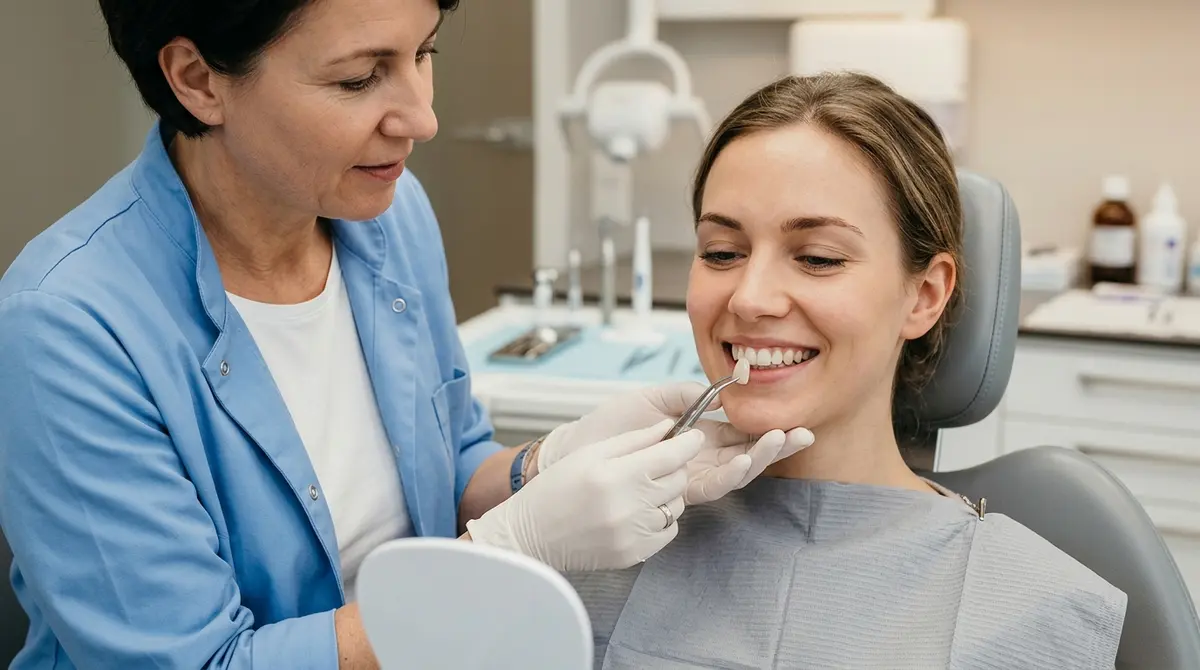
Another popular option is the “no-prep” or minimal-preparation veneer, commonly known by brand names like Lumineers. These are even thinner than traditional porcelain—often compared to the thickness of a contact lens. Because they require little to no removal of natural tooth enamel, the procedure is faster and often reversible. The cost for no-prep options generally falls between $800 and $2,500 per tooth.
As Dr. Michael Apa, a globally recognized aesthetic dentist, explains: “Patients shouldn’t shop for aesthetic dental work based solely on price. You are commissioning a piece of permanent art for your face. The quality of the material and the hands of the ceramist dictate the final result.”
Key Factors That Influence Your Total Bill
If you are trying to determine exactly how much it costs to get veneers, you must account for several variable factors that influence the final quote provided during your consultation.
Material Quality and Laboratory Fees
Not all porcelain is created equal. Advanced materials like lithium disilicate (often known as e.max) offer unparalleled strength and translucency but come with higher laboratory fees. Furthermore, top-tier dentists partner with master ceramists rather than commercial, high-volume labs. A master ceramist hand-layers the porcelain to create natural opacity and gingival margins, which significantly increases the cost of fabrication.
Geographic Location and Clinic Overhead
Where you live plays a massive role in dental pricing. Clinics located in major metropolitan areas with high costs of living will naturally charge more to cover their overhead expenses. A practice in a boutique urban neighborhood may charge 20% to 30% more than a suburban or rural clinic for the exact same procedure.
The Dentist’s Expertise and Specialization
A general dentist who occasionally performs cosmetic procedures will likely charge less than a specialized prosthodontist who focuses exclusively on complex aesthetic reconstructions. Understanding the difference between cosmetic and restorative dentistry is vital here; cosmetic specialists invest heavily in advanced continuing education and state-of-the-art technology, such as CAD/CAM milling machines and digital smile design software.
The Step-by-Step Application Process
The journey to improve your smile is a multi-step process that requires precision and careful planning. Here is what you are paying for when you invest in this treatment:
- Initial Consultation and Digital Imaging: Your dentist will evaluate your oral health, discuss your aesthetic goals, and take digital impressions or X-rays. Many modern clinics use 3D imaging to show you a preview of your final results.
- Tooth Preparation: To ensure a seamless fit, a fraction of a millimeter of enamel (usually about 0.5mm) is gently removed from the front of the teeth. This process, known as enamel microabrasion, is done under local anesthesia. If you are anxious about numbness, understanding dental freezing areas can help alleviate concerns.
- Temporary Placement: While your permanent restorations are being fabricated in the lab (which takes 1 to 3 weeks), you will wear acrylic temporaries. These protect your prepared teeth and give you a trial run of your new smile.
- Final Bonding: Once the permanent units arrive, the dentist will temporarily place them to check the fit and color. If perfect, the teeth are cleaned, polished, and etched. A special cement is applied, and a curing light is used to trigger photopolymerization, hardening the bond instantly.
Does Dental Insurance Cover Cosmetic Procedures?
A common question among patients is whether their insurance benefits will offset the expense. According to data published by the American Dental Association (ADA), standard dental insurance plans typically provide 0% coverage for procedures deemed purely cosmetic.
However, there are notable exceptions. If a tooth has suffered severe decay, structural failure, or trauma, a restoration might be deemed “medically necessary.” For example, if you are undergoing chipped tooth treatment after an accident, your insurance might cover up to 50% of the cost of a restorative crown or veneer, up to your annual maximum.
Sarah Thompson, a financial coordinator specializing in dental billing, notes: “Understanding the difference between cosmetic and restorative coding is crucial when submitting claims to dental insurance providers. Always ask your clinic to submit a pre-treatment estimate to your insurer so there are no surprises.”
Smart Financing Options for Your Smile Makeover
Because a full aesthetic transformation (often involving 6 to 8 upper front teeth) can total between $10,000 and $24,000, most patients do not pay out of pocket in a single lump sum. The smile makeover process is an investment, and clinics offer several ways to manage the financial impact.
- Third-Party Lenders: Companies specializing in medical and dental financing often offer promotional periods of 0% interest for 12 to 24 months for qualified applicants.
- In-House Payment Plans: Some dental offices allow you to split the cost over the duration of your treatment, requiring a deposit upfront and installments at each subsequent visit.
- Health Savings Accounts (HSAs) and Flexible Spending Accounts (FSAs): If your procedure has a restorative component that is medically necessary, you may be able to use pre-tax dollars from these accounts to cover the out-of-pocket expenses.
A 2026 report by Forbes Health indicates that over 60% of patients undergoing major cosmetic dentistry utilize some form of structured financing to achieve their aesthetic goals without draining their savings.
Long-Term Value: Are They Worth the Investment?
When evaluating the cost, it is essential to consider the lifespan of the materials. While composite resin is cheaper initially, it may need to be replaced two or three times over a 15-year period. Porcelain requires a higher initial outlay but offers superior longevity and stain resistance.
| Material Type | Average Cost Per Tooth (2026) | Expected Lifespan | Aesthetic Quality |
|---|---|---|---|
| Porcelain | $1,200 – $3,000 | 10 – 15+ Years | Excellent (Highly natural, stain-resistant) |
| Composite Resin | $400 – $1,500 | 5 – 7 Years | Good (Prone to eventual staining) |
| No-Prep (Lumineers) | $800 – $2,500 | 10 – 20 Years | Very Good (Can appear slightly bulkier) |
Dr. John Kois, a leading figure in dental education, emphasizes the importance of maintenance: “The longevity of a porcelain restoration depends heavily on the underlying tooth structure and the precision of the bonding protocol. However, patient compliance with home care and regular professional maintenance is equally critical.”
To maximize your investment, commit to excellent oral hygiene. This includes brushing twice daily with non-abrasive toothpaste, flossing, and scheduling routine professional teeth cleaning appointments. If you suffer from bruxism (teeth grinding), your dentist will likely recommend a custom night guard to prevent your new restorations from chipping or fracturing while you sleep.
Frequently Asked Questions About Veneer Expenses
Are payment plans available for cosmetic dentistry?
Yes, the vast majority of modern dental practices offer flexible payment plans. These are often facilitated through third-party healthcare lenders that provide 0% interest financing for 12 to 24 months, allowing patients to break down a $10,000 procedure into manageable monthly payments.
Do I need to treat all my teeth?
No, you do not need to treat every tooth. Most patients only treat the teeth that are visible when they smile—typically the upper front 6 to 8 teeth. If you only have one discolored or misshapen tooth, a single unit can be custom-color-matched to blend seamlessly with your surrounding natural teeth.
Are there hidden costs I should be aware of?
While a reputable dentist will provide a comprehensive quote, you should ask if the initial consultation, X-rays, 3D imaging, temporary acrylics, and the final protective night guard are included in the per-tooth price. Sometimes, these are billed as separate line items.
How much does a full set cost?
A “full set” usually refers to the 6 to 8 teeth visible in your smile line. Using 2026 pricing averages, a full set of high-quality porcelain restorations will generally cost between $10,000 and $24,000. Composite resin for the same number of teeth would range from $3,200 to $12,000.
Will I ever need to pay to replace them?
Yes, cosmetic dental work is rarely permanent. Porcelain units typically last 10 to 15 years, while composite lasts 5 to 7 years. Because the natural tooth enamel is altered during the preparation phase, the procedure is irreversible, meaning you will need to budget for replacement costs in the future.
Is it cheaper to get a crown instead?
Not necessarily. The process of getting a crown or bridge is generally similar in cost to a veneer, ranging from $1,000 to $2,500 per tooth. Crowns are typically reserved for teeth that have significant decay or structural damage, as they require more aggressive removal of the natural tooth structure compared to the conservative preparation used for aesthetic facings.
Conclusion
Deciding to transform your smile is a highly personal and significant financial decision. By understanding the variables that dictate the pricing—from the choice between porcelain and composite to the expertise of the ceramist—you can make an informed choice that aligns with both your aesthetic desires and your budget. Remember that while the upfront cost may seem substantial, the confidence and self-esteem gained from a radiant, flawless smile often provide an immeasurable return on investment.
If you are ready to explore your options and receive a personalized estimate for your unique smile, get in touch with our team today to schedule your comprehensive consultation.