
Restoring Your Bite: What to Expect During Your Crown or Bridge Appointments
Restoring a damaged or missing tooth is a significant step toward reclaiming your oral health. Whether you are dealing with a fractured tooth that needs protection or a gap that makes chewing difficult, dental crowns and bridges are reliable solutions. However, many patients feel anxious simply because they do not know what happens during the appointments. Understanding what is the process of getting a crown or bridge removes that uncertainty. By knowing exactly what to expect—from the initial numbing to the final bite check—you can approach your treatment with confidence and ease.
Key Takeaways
-
Two-Visit Standard: The procedure typically requires two main appointments: one for preparation and one for placement.
-
Comfort is Priority: Local anesthesia is used to keep you comfortable during the tooth preparation phase.
-
Temporary Protection: You will wear a temporary restoration while a dental lab custom-crafts your permanent crown or bridge.
-
Precision Fit: The final appointment focuses on adjusting the fit and bite to ensure the restoration feels natural.
-
Maintenance Required: While durable, these restorations require specific hygiene habits to prevent decay at the gum line.
Overview
The journey to a restored smile is straightforward and systematic. Generally, the process involves an initial consultation to confirm the treatment plan, followed by two active treatment visits. During the first visit, we prepare the tooth (or teeth) by removing decay and shaping the enamel to fit the prosthetic. We then take impressions and place a temporary cover. About two weeks later, you return for the permanent placement. This timeline allows us to verify that the custom restoration matches your natural teeth in shade and shape perfectly. We prioritize your comfort at every stage, using modern techniques to make the experience efficient and stress-free.
The Initial Consultation and Examination

Before any work begins, we must determine if a crown or bridge is the right solution for your specific needs. Not every damaged tooth requires a full crown, and not every gap is best served by a bridge.
During this visit, we take digital X-rays to assess the health of the tooth’s roots and the surrounding bone. If there is extensive decay reaching the nerve, we might need to perform root canal therapy first. This step is critical; placing a crown over an infected nerve can lead to pain later, potentially requiring us to drill through the new crown to treat it.
We also examine your gum health. A bridge, in particular, relies on strong anchor teeth (abutments). If you have gum disease, the foundation might be too weak to support the bridge, and we may need to address that condition before proceeding.
Step 1: Preparing the Tooth
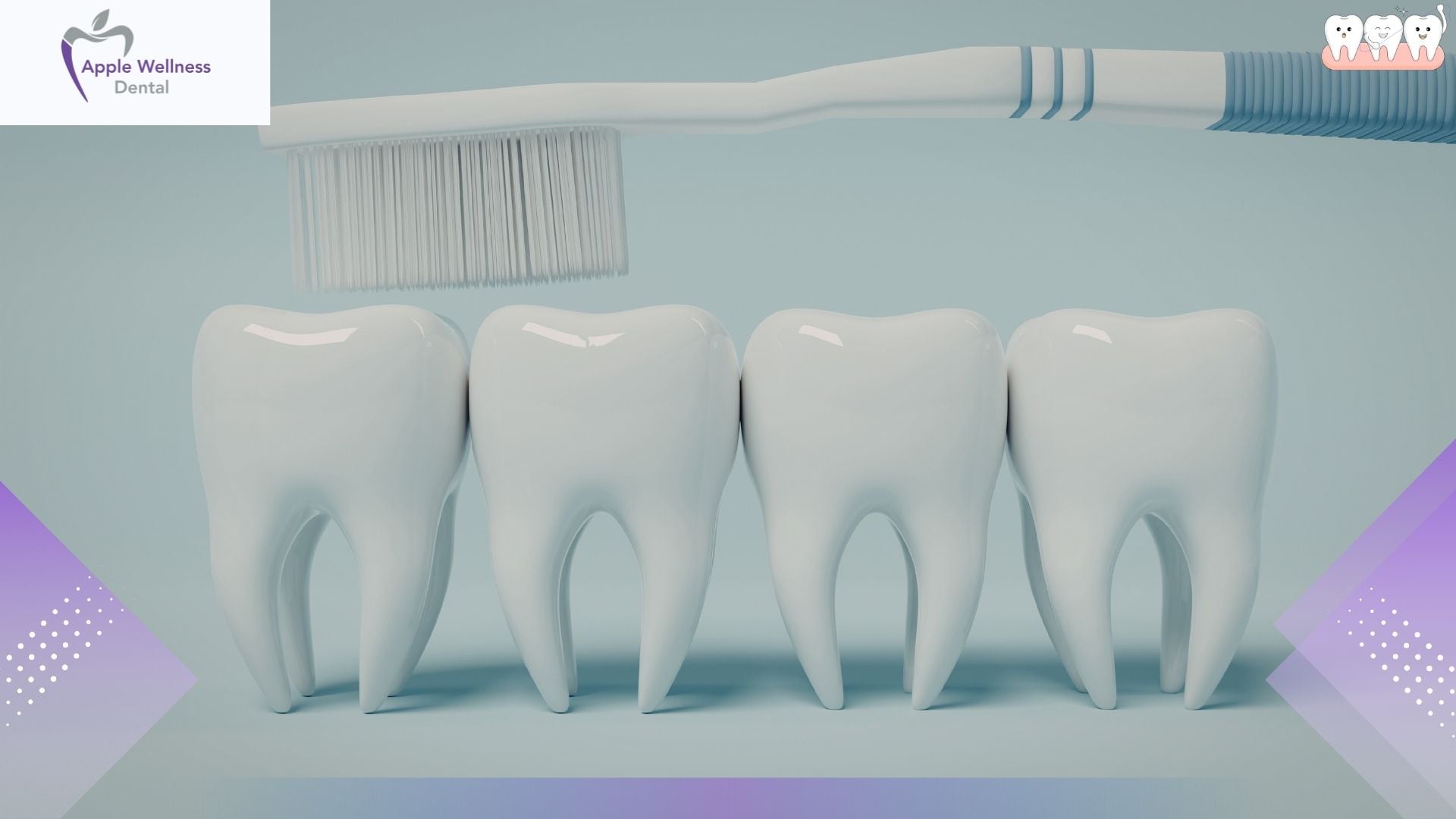
The first clinical appointment is where the actual work begins. The goal here is to create a solid foundation for your new restoration.
Numbing and Shaping
We start by administering local anesthesia to the area. Once you are fully numb, we carefully shape the tooth. For a crown, this involves removing a layer of enamel from all sides to make room for the material (porcelain, zirconia, or gold). If we did not remove this enamel, the crown would be bulky and interfere with your bite.
For a bridge, we prepare the two teeth on either side of the gap. These serve as the anchors that will hold the artificial tooth (pontic) in place. We aim to preserve as much healthy tooth structure as possible while creating enough space for a durable restoration.
Building Up the Core
Sometimes, a tooth is so broken down that there isn’t enough structure left to hold a crown. In these cases, we perform a “core build-up.” We use a filling material to recreate the center of the tooth, giving the crown a substantial shape to grip onto.
Step 2: Impressions and Shade Matching
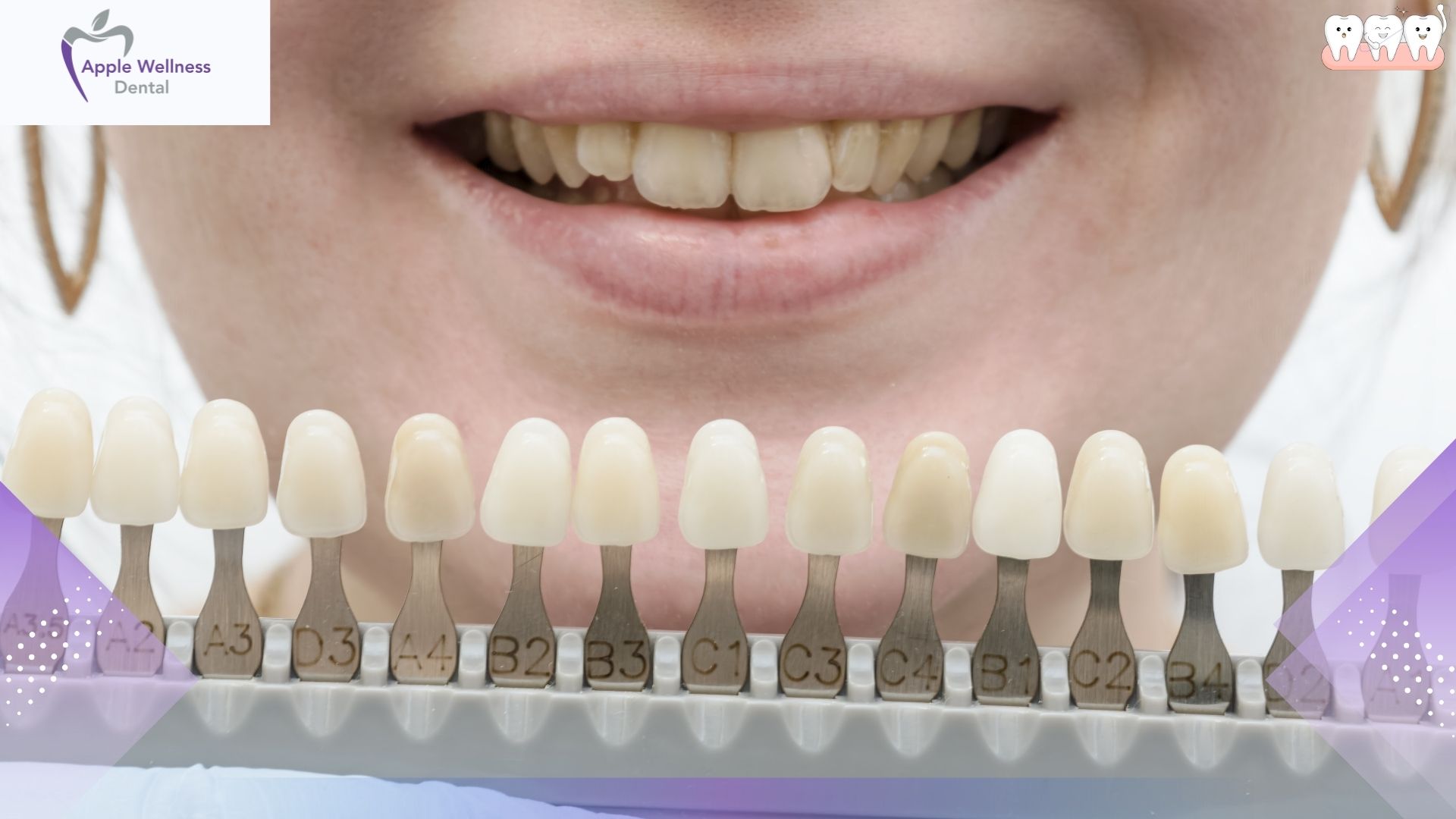
Once the teeth are prepared, we need an exact replica of your mouth to send to the dental laboratory.
Taking the Impression
Traditionally, this involved biting into a tray filled with a putty-like material. While some situations still require this method, many modern practices use digital scanners to create a 3D virtual model of your teeth. This method is faster and much more comfortable for patients with a sensitive gag reflex.
Choosing the Color
This is the artistic part of the process. We use a shade guide to select the color of porcelain that best matches your adjacent teeth. We look at hue, value, and chroma to make sure your new tooth looks indistinguishable from the rest of your smile. If you are considering brightening your smile, it is often best to do so before this step, as crowns cannot be whitened later.
Step 3: Placing the Temporary Restoration
Because the lab needs time to fabricate your custom crown or bridge—usually about two weeks—we cannot leave your prepared teeth exposed. They would be extremely sensitive to air and temperature.
We fabricate a temporary crown or bridge right in the office using an acrylic material. This temporary serves several purposes:
-
Protection: It covers the exposed dentin to prevent sensitivity.
-
Function: It allows you to chew (carefully) and speak normally.
-
Space Maintenance: It prevents the adjacent teeth from shifting into the gap while you wait.
You will need to be careful with this temporary. Sticky foods can pull it off, and hard foods can break it. If you do damage it, check our guide on what to do if you chip a tooth or restoration for immediate advice.
Step 4: The Dental Laboratory Process
While you are wearing your temporary, the dental laboratory is hard at work. Skilled technicians use the impressions we sent to craft your permanent restoration.
They pour a mold of your teeth and build the crown layer by layer. If you chose a zirconia crown, they might mill it from a solid block of crystal for maximum strength. If it is porcelain-fused-to-metal, they will cast the metal substructure and then stack porcelain on top for aesthetics. This off-site fabrication is why the quality of lab-made crowns is generally superior to instant, same-day options for complex cases.
Step 5: Fitting the Permanent Restoration
Approximately two weeks after the preparation visit, you will return for the final step. This appointment is usually shorter and often requires no anesthesia, though we can use it if you are sensitive.
Removal and Cleaning
We remove the temporary restoration and clean any temporary cement from the tooth. This provides a clean surface for bonding.
The Try-In
We place the new crown or bridge onto your tooth to check the fit. We look for:
-
Marginal Integrity: The edge of the crown must seal perfectly with your tooth to prevent bacteria from entering.
-
Contact Points: The crown should touch the neighboring teeth with just the right amount of pressure—too tight, and you can’t floss; too loose, and food gets stuck.
-
Occlusion (Bite): We use marking paper to check how your teeth come together. If the crown is even a fraction of a millimeter too high, it can cause jaw pain or sensitivity.
Cementation
Once we are satisfied with the fit and you are happy with the appearance, we cement the restoration permanently. We use a strong dental adhesive or luting cement. After it sets, we remove any excess cement from below the gum line.
Aftercare and Maintenance
Learning what is the process of getting a crown or bridge is only half the battle; maintaining it is the rest. A crowned tooth is still susceptible to decay at the gum line.
Hygiene for Bridges
Cleaning a bridge requires a bit more effort than a single crown because the teeth are connected. You cannot floss down between them. Instead, you must use a floss threader or a special interdental brush to clean underneath the false tooth. We have a specific guide on how to clean under a dental bridge that explains the technique in detail.
Protecting Your Investment
If you grind your teeth at night, the forces can crack porcelain over time. We often recommend a nightguard to protect your new dental work. Additionally, avoid chewing on ice or hard candies.
Why Professional Placement Matters
While DIY dental repair kits exist in pharmacies, they are strictly temporary measures for emergencies. Attempting to glue a loose crown back on yourself can lead to severe consequences. You might trap bacteria inside, leading to deep decay, or seat the crown improperly, throwing off your bite and causing jaw pain. Professional treatment guarantees that the materials used are biocompatible and that the fit is verified by X-rays.
Choosing a provider who takes the time to explain the procedure and verify the fit is essential. If you are unsure where to start, read our expert tips on how to find a good dentist to ensure you receive quality care.
Pediatric Considerations
While crowns and bridges are common for adults, children sometimes need them too, usually stainless steel crowns for baby teeth with extensive decay. The process is simplified for kids but follows the same principle of protection. You can learn more about how we handle these cases in our children’s dentistry guide.
Conclusion
The journey to a restored smile is a partnership between you and your dental team. By understanding what is the process of getting a crown or bridge, you eliminate the fear of the unknown. From the precise preparation of your tooth to the final polish of the porcelain, every step is designed to restore your function and aesthetics. With proper care, these restorations can serve you well for many years, allowing you to eat, speak, and smile without hesitation.
If you are in Airdrie and believe you might need restorative work, or if you have questions about the condition of your current dental work, we are here to guide you. Contact Apple Wellness Dental at 229 1st Street SW, Airdrie, AB, or call us at +1 587 332 6767 to schedule your consultation. Let us help you achieve a smile that is both healthy and confident.
Common Questions About what is the process of getting a crown or bridge
Q: How long does the entire process take?
A: typically, the process spans two to three weeks. The first appointment involves preparing the tooth and placing a temporary. The second appointment, where the permanent crown is placed, occurs roughly two weeks later once the lab has finished fabrication.
Q: Is the procedure painful?
A: We use local anesthesia to numb the tooth and surrounding area during the preparation phase, so you should not feel pain. After the numbness wears off, you might experience some soreness or sensitivity for a few days, which is usually manageable with over-the-counter pain relievers.
Q: What happens if my temporary crown falls off?
A: This can happen if you chew sticky foods. If your temporary falls off, call us immediately. It is important to have it re-cemented or replaced to protect the tooth and prevent it from shifting, which could make the permanent crown not fit.
Q: Do I need a root canal before getting a crown?
A: Not necessarily. A root canal is only needed if the decay has reached the nerve of the tooth or if the tooth is infected. However, many teeth that need crowns have deep decay, so the risk of needing a root canal in the future is slightly higher.
Q: Can I eat normally after the procedure?
A: After the permanent crown is cemented, you should wait about an hour or until the numbness wears off before eating to avoid biting your cheek. For the first 24 hours, avoid hard or sticky foods to allow the cement to fully set.
Q: How long will my new crown last?
A: On average, crowns and bridges last between 10 and 15 years. However, with excellent oral hygiene and regular dental check-ups, they can last much longer. The most common reason for failure is decay at the gum line, not the failure of the crown itself.
Q: What materials are used for crowns?
A: We use various materials depending on the location of the tooth. Zirconia and all-ceramic crowns are popular for their strength and natural appearance. Porcelain-fused-to-metal (PFM) is also common, while gold is sometimes used for back molars due to its durability.
Q: Will the crown look like my natural teeth?
A: Yes. During the impression phase, we select a shade that matches your adjacent teeth. The dental lab technicians are skilled artists who layer the porcelain to mimic the translucency and color of your natural enamel.
Q: Why do I need a bridge instead of an implant?
A: A bridge is often chosen if you want a faster solution without surgery, or if you do not have enough bone density for an implant. For a detailed comparison, you can look at our resources on dental implants versus bridges.
Q: Is the process different for a front tooth?
A: The technical steps are the same, but the aesthetic demands are higher. For front teeth, we take extra care with shade matching and may use specific ceramic materials that reflect light more naturally than those used for back molars.
Ready to Restore Your Smile?
Don’t let a damaged or missing tooth compromise your health or confidence. Now that you know the steps involved, you can take action with peace of mind. Schedule your visit with Apple Wellness Dental today and let us help you regain a strong, functional smile.