
Day 3 After Tooth Extraction: Safe Foods That Support Your Recovery
If you’ve just had a tooth pulled and you’re now on day three, you’ve already crossed one of the most critical milestones in the healing process. The blood clot in the socket is more stable, the initial swelling has likely peaked, and your body is now actively building new tissue. But that doesn’t mean you’re in the clear to eat whatever you want. What you put in your mouth right now can either accelerate your healing or set it back significantly.
So what can you eat 3 days after tooth extraction? The short answer is: soft, gentle, nutrient-rich foods that require little to no chewing and won’t disturb the healing socket. This guide walks you through exactly what’s safe, what to avoid, and why your food choices during this window matter more than most people realize.
Key Takeaways
- By day three, the blood clot is more stable, allowing you to introduce slightly more variety into your diet while still sticking to soft foods.
- Foods rich in protein, vitamins, and minerals — such as scrambled eggs, yogurt, and blended soups — actively support tissue repair.
- Avoid hot, crunchy, spicy, or chewy foods for at least five to seven days to prevent dry socket and irritation.
- Never use a straw at any point during early recovery — the suction can dislodge the blood clot entirely.
- If you’re unsure whether a food is safe, a dental professional is always your best resource.
- Professional aftercare guidance, not guesswork, is what keeps complications away and recovery on track.
Overview
This article covers everything you need to know about eating safely on day three of your tooth extraction recovery. We’ll walk through which foods are safe and why, explain the science behind the healing process, and give you a practical day-by-day dietary progression. You’ll also find clear guidance on what to avoid and the reasons behind each restriction. We address common concerns like dry socket, swallowing discomfort, and nutritional needs during recovery. Our FAQ section tackles the most searched questions on this topic, and we’ll point you toward professional support so your recovery goes as smoothly as possible.
Why Day 3 Is a Turning Point in Tooth Extraction Recovery
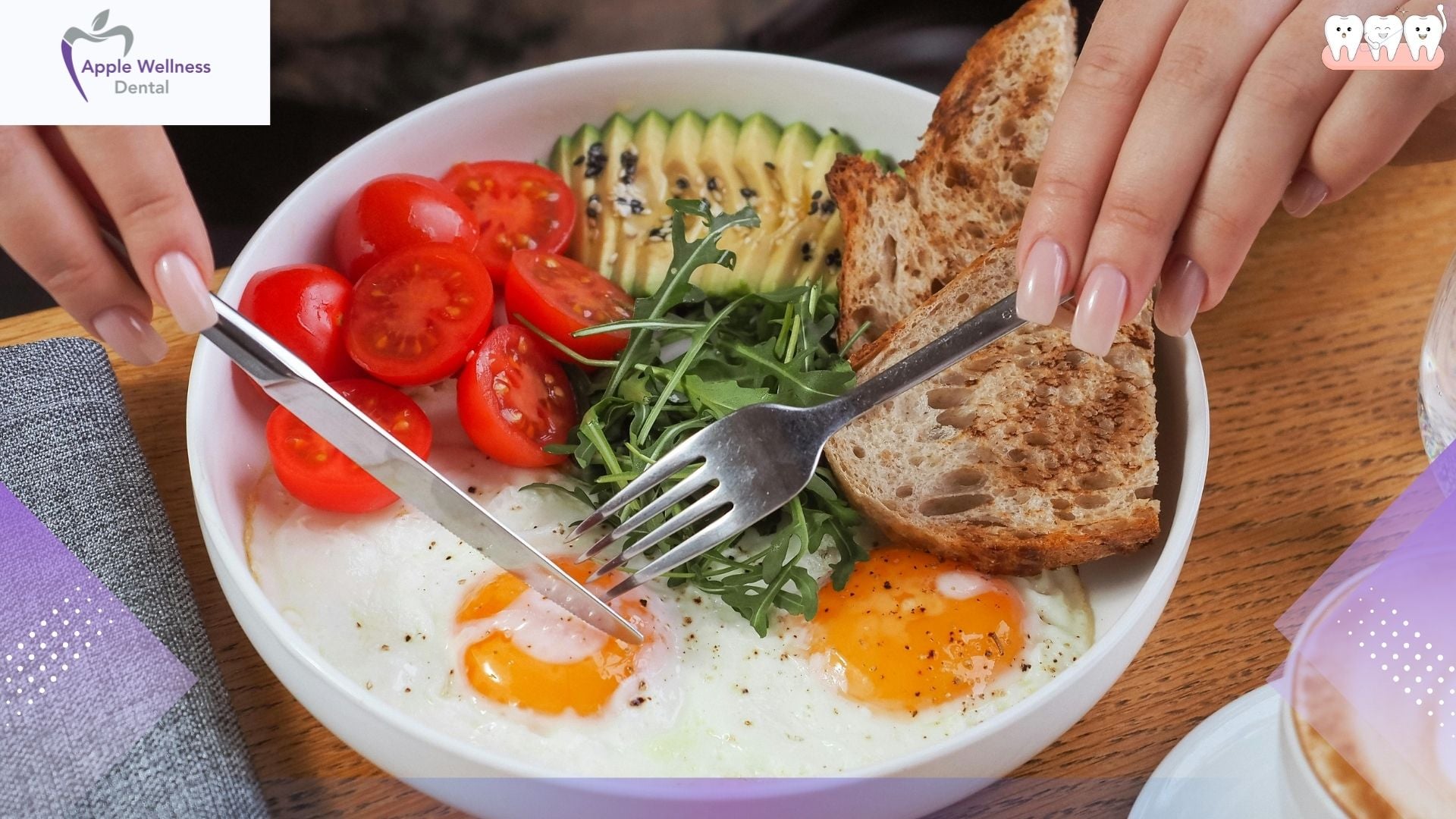
The first 24 to 48 hours after a tooth removal are all about protecting the blood clot. That clot is the foundation of your healing — it covers the exposed bone and nerve endings and serves as the biological scaffold for new tissue. During this early phase, even warm food can increase blood flow and disrupt clot formation, which is why most dentists recommend cold or room-temperature liquids only in the very beginning.
By day three, the clot has had time to firm up and begin organizing into granulation tissue. This is when your immune system ramps up its repair work. The socket is still very much healing, but it is no longer at the same level of fragile vulnerability as it was on day one. This is also the point where inflammation and swelling typically begin to taper off, and many patients start feeling noticeably more comfortable.
Because your body is now directing significant energy toward rebuilding tissue, your nutritional needs actually increase during this phase. Eating well — specifically, choosing foods that deliver protein, vitamins C and A, zinc, and calcium — directly fuels that repair process. Poor nutrition, or worse, skipping meals out of uncertainty about what’s safe, can delay healing and weaken your immune response. Understanding what to eat after tooth extraction from day one gives you the foundation to make confident choices as your recovery progresses.
What Can You Eat 3 Days After Tooth Extraction: Full Food List
On day three, your options expand meaningfully compared to the first 48 hours. The goal is still to avoid anything that requires real chewing or that could leave particles trapped in the socket. Below is a comprehensive breakdown of what’s appropriate at this stage.
Soft Proteins That Promote Healing
Protein is the most important macronutrient for tissue repair, and fortunately several high-protein foods are completely safe at the three-day mark. Scrambled eggs are one of the top recommendations from dental professionals — they’re soft, easy to prepare, and deliver a complete amino acid profile. Cook them gently without adding crunchy toppings, and let them cool to a lukewarm temperature before eating.
Greek yogurt and cottage cheese are excellent choices that double as a protein and calcium source. Calcium supports bone remodeling in the socket area, which becomes critical in the weeks ahead. Choose plain varieties without granola, nuts, or fruit bits with seeds that could enter the wound. Soft tofu is another outstanding option — it’s virtually textureless, protein-rich, and can be eaten plain or blended into a smooth soup. Flaked or poached white fish such as tilapia or cod also works well at this stage, as the flesh separates easily and requires almost no jaw force to consume.
Blended and Pureed Soups
Soups deserve special mention because they accomplish multiple healing goals at once: they hydrate you, provide easily absorbed nutrients, and can be loaded with vitamins and minerals depending on what goes into them. By day three, you can introduce lukewarm soups as long as they are fully blended with no chunks, seeds, or hard pieces.
Pureed butternut squash soup, blended potato and leek, cream of carrot, and lentil bisque are all fantastic options. Bone broth is particularly rich in collagen, minerals, and glycine — all of which play a role in soft tissue and bone healing. Avoid soups with rice, noodles, or vegetable pieces until you’re further along in recovery. Always let soups cool to lukewarm before consuming, as hot liquids can still irritate the socket even at three days post-procedure.
Dairy and Calcium-Rich Foods
Yogurt, pudding, and soft cheeses like ricotta and cream cheese are gentle, nutritious options that go down easily without any chewing. Regular yogurt (not frozen, to avoid temperature extremes) provides live cultures that can actually support your immune response and gut health during the recovery period — particularly if you’re on a course of antibiotics. Milk and calcium-fortified plant-based milks are also excellent for maintaining nutritional intake when solid food is limited.
Mashed Vegetables and Starches
Mashed potatoes are a classic post-extraction staple for good reason — they’re smooth, filling, calorie-dense, and satisfying. Prepare them without hard toppings like bacon bits or coarse pepper. Sweet potato mash is an even better choice nutritionally, as it delivers vitamin A and beta-carotene, both of which support immune function and mucous membrane integrity. Other great options include mashed butternut squash, pureed peas, and cooked, mashed carrots.
By day three, well-cooked and mashed root vegetables should be comfortable to eat as long as you chew gently on the opposite side of the extraction and avoid anything with stringy fibers or hard bits. Soft pasta (cooked until very tender) and white rice that has been cooked thoroughly until it’s very soft are also acceptable at this stage, though you should be careful not to let small grains enter the socket.
Fruits and Smoothies
Mashed banana is one of the most convenient foods you can eat three days after a tooth removal — it requires no preparation, is rich in potassium and vitamin B6, and has an ideal texture. Mashed avocado is similarly beneficial, providing healthy fats and vitamin E, both of which support cell membrane repair. Applesauce, canned peaches in natural juice (not syrup), and ripe mango puree are all gentle and nutrient-forward options.
Smoothies can be a very effective way to pack nutrition into a meal when chewing feels uncomfortable. Blend yogurt, soft fruits, nut butter (smooth only, no chunks), and milk or a dairy-free alternative. The key rule: never use a straw. The suction generated by straw drinking is one of the most common causes of dry socket, and this rule applies through at least the first week of recovery. Pour the smoothie into a glass and sip it gently instead. For a full breakdown of the one-week diet after tooth extraction, following a day-by-day plan is the safest approach.
Comforting Soft Foods for Morale
Recovery doesn’t have to feel like deprivation. Pudding, gelatin (Jell-O), and custard are all completely safe and can make the recovery period feel a little less restrictive. Plain ice cream (without crunchy mix-ins) can also be eaten in moderation — and the cool temperature may actually help ease any residual discomfort around the socket. Just make sure you’re not sucking it through a straw or gulping large spoonfuls rapidly, as this can create negative pressure in the mouth.
Foods to Avoid on Day 3 After Tooth Extraction
Knowing what not to eat is equally important. Even with the clot more stable by day three, several food categories remain off the table for now.
Hard, Crunchy, and Brittle Foods
Anything that fractures or crumbles when bitten — chips, crackers, toast, raw vegetables, nuts, popcorn — poses a dual risk. First, the physical act of biting down with force can open or aggravate the socket. Second, small fragments can lodge directly inside the wound and act as a bacterial breeding ground, dramatically increasing infection risk. These foods should be avoided for a minimum of five to seven days, and ideally longer depending on your healing progress.
Hot and Spicy Foods
Hot temperature (not spice) increases blood flow to the area, which can destabilize the clot or encourage renewed bleeding. Spicy seasonings, chili peppers, and acidic condiments like hot sauce or citrus-based dressings can chemically irritate the exposed wound tissue and delay tissue regeneration. Keep your food at room temperature or lukewarm throughout the early recovery phase.
Chewy and Sticky Foods
Caramel, gummy candies, chewy meats, bagels, and tough bread all require significant jaw movement and can physically pull at the wound edges. Even if you chew on the opposite side, the muscles involved in mastication affect the entire jaw, and the movement can create micro-disruptions in the healing tissue. Sticky foods also have a tendency to adhere to the socket opening, which is difficult to remove without vigorous rinsing — itself a risk at this stage.
Alcohol and Carbonated Drinks
Alcohol interferes with the normal healing cascade and can interact negatively with pain medications or antibiotics. Carbonated beverages create gas and pressure in the oral cavity that can disturb the clot — particularly if you take a large gulp. Even sparkling water should be avoided during the first week of recovery. Stick to plain water, diluted juice (non-citrus), herbal tea (lukewarm, not hot), or milk.
Day-by-Day Dietary Timeline After Tooth Extraction
Understanding exactly when to introduce which foods helps take the guesswork out of recovery. Here’s how a healthy dietary progression typically looks:
Days 1–2: Liquids and Ultra-Soft Foods Only
During the first 48 hours, the priority is clot protection. Consume only cold or room-temperature liquids: water, diluted juice, thin smoothies (no straw), broth, and milk. Very soft solids like yogurt, pudding, and gelatin are acceptable from the first few hours once the numbness has worn off. Avoid all hot foods and any food that requires chewing of any kind.
Day 3–5: Soft Foods With Mild Texture
This is the phase covered in depth throughout this article. By day three, you can introduce scrambled eggs, mashed vegetables, soft tofu, blended soups, soft pasta, mashed fruits, cottage cheese, and flaked fish. Continue avoiding anything hard, crunchy, hot, sticky, or spicy. Chew exclusively on the side opposite to the extraction site.
Days 5–7: Transitioning to Semi-Soft Foods
By the end of the first week, most patients with uncomplicated extractions can begin eating softer versions of normal foods — well-cooked pasta, soft bread without crusts, ground meat in sauces, and tender cooked vegetables. You can also begin gently rinsing with warm salt water at around the 24-hour mark, which helps keep the socket clean without mechanical irritation. To understand how long after tooth extraction you can eat normally, the timeline largely depends on your individual healing and the complexity of the procedure.
Week 2 and Beyond: Gradual Return to Normal
Most patients with simple single-tooth extractions can resume a near-normal diet around days 10 to 14. Wisdom tooth removal typically takes longer — often two to three weeks before a fully regular diet is comfortable. Always follow your dentist’s specific instructions, as your individual healing rate may differ. Our detailed article on when you can eat normally after wisdom tooth extraction covers this timeline in full.
Nutritional Priorities During Extraction Recovery
Many patients focus entirely on what foods are safe texturally, while forgetting that nutritional quality also plays a major role in how quickly the body heals. Three nutrients deserve particular attention during the post-extraction window.
Protein
Protein provides the amino acids needed to build collagen, which is the structural foundation of new gum tissue. Without adequate protein intake, the body cannot produce enough collagen to fill the socket properly. Adults generally need between 0.8 and 1.2 grams of protein per kilogram of body weight daily, and during active healing that requirement increases. Eggs, yogurt, tofu, cottage cheese, and soft fish are all high-protein, extraction-safe foods that meet this need effectively.
Vitamin C and Zinc
Vitamin C is critical for collagen synthesis and immune defense. While citrus fruits are off-limits during recovery due to their acidity, mashed strawberries, soft kiwi, and fortified drinks can provide a gentle source. Zinc supports wound healing at the cellular level and is found in eggs, yogurt, and smooth nut butters. If your diet is particularly restricted during recovery, a supplement can bridge the gap — but always check with your dental professional first.
Calcium and Phosphorus
The socket site eventually fills in with new bone, and that process requires a steady supply of calcium and phosphorus. Dairy products like milk, yogurt, and soft cheeses provide both. For those who avoid dairy, calcium-fortified plant milks (oat, almond, soy) are excellent alternatives that are also completely safe texturally during the recovery period.
Common Mistakes That Slow Healing After a Tooth Extraction
Even patients who are careful about food choices sometimes make other mistakes that set their recovery back. Being aware of these pitfalls is part of a smooth recovery.
Rinsing Vigorously Too Soon
Many people instinctively want to rinse their mouth aggressively after eating to keep the wound clean. However, forceful rinsing in the first 24 hours is one of the most common causes of blood clot dislodgement. After the first day, a gentle warm salt water swirl (not a vigorous gargle) is appropriate and beneficial. Let the water fall out of your mouth under gravity rather than spitting it with force.
Skipping Meals
The discomfort and uncertainty of eating after an extraction causes some patients to simply skip meals. This is counterproductive — your body needs a consistent nutrient supply to mount an effective healing response. If solid food feels too uncomfortable, opt for high-calorie, nutrient-dense smoothies or broths rather than going without food entirely.
Returning to Normal Foods Too Soon
Feeling significantly better by day three or four can create a false sense of security. The socket may feel fine on the surface while the deeper tissue layers are still actively rebuilding. Introducing hard or chewy foods prematurely can crack open the wound edges and restart the healing clock from scratch. Patience at this stage pays off significantly in the long run. A well-structured complete guide on what to eat after a tooth extraction helps you stay on track at every phase.
Ignoring Warning Signs
If you notice a sudden increase in pain three to five days after your extraction — especially a throbbing pain that radiates toward your ear or jaw — this can be a sign of dry socket, the most common post-extraction complication. Other red flags include fever, increasing swelling after day three, pus at the socket, or a persistent bad taste that doesn’t respond to gentle rinsing. These are not problems you should try to manage at home. Professional evaluation is the only appropriate response to these symptoms. Understanding the risks of a dental extraction in advance helps you recognize when something isn’t right.
How Preparation Before Your Extraction Improves Recovery
One of the best things you can do for your post-extraction diet is prepare for it before the procedure takes place. Stocking your kitchen in advance with appropriate foods means you won’t be tempted to eat something unsuitable simply because it’s the only thing available at home. It also removes the stress of grocery shopping when you’re in discomfort.
Before your appointment, consider purchasing yogurt, pudding cups, applesauce, soft tofu, canned pureed soups, eggs, avocados, bananas, mashed potato flakes, cottage cheese, and protein powder for smoothies. Having a variety of options on hand prevents meal fatigue and gives you the flexibility to meet your nutritional needs comfortably. Thorough preparation for a tooth extraction extends well beyond the procedure itself — what happens at home in the days that follow is equally important to a successful outcome.
When to Seek Professional Guidance
While this guide provides a thorough overview of safe eating after an extraction, it cannot replace the individualized advice of your dental care team. Every patient heals differently depending on age, overall health, immune function, medications, and the complexity of the extraction itself. A straightforward single-root extraction heals far more quickly than a surgical wisdom tooth removal involving bone cutting and sutures.
If you are unsure whether a particular food is safe for your specific situation, the safest course of action is always to call your dentist’s office. Our team is here to answer those questions quickly and prevent any unnecessary setbacks in your recovery. Attempting to self-manage post-operative care based solely on general internet advice — without professional support — increases your risk of complications significantly.
At Apple Wellness Dental, we provide thorough post-operative instructions and are always available to support patients through their recovery. We’re located at 229 1st Street SW, Airdrie, AB, and you can reach us by phone at +1 587 332 6767. Whether you have questions about what’s safe to eat, concerns about how your socket looks, or you’d like a follow-up check, our team is ready to help. Recovery from a tooth extraction is a process, not an event — and having professional support throughout that process makes all the difference.
Common Questions About What Can I Eat 3 Days After Tooth Extraction
Q: Can I eat scrambled eggs 3 days after tooth extraction?
A: Yes, scrambled eggs are one of the most recommended foods at the three-day mark. They are soft, require virtually no chewing, and are an excellent source of protein and vitamins that actively support tissue healing. Cook them gently and let them cool to lukewarm before eating. Avoid adding crunchy toppings like crispy onions or crumbled bacon.
Q: Is it safe to eat mashed potatoes on day 3 after a tooth pull?
A: Mashed potatoes are completely safe and one of the most popular choices during extraction recovery. Prepare them smooth and creamy without hard add-ins like bacon bits or coarse seasoning. Their soft texture means they cause no friction against the socket, and their calorie density helps you maintain energy levels when your food options are limited.
Q: Can I drink a smoothie 3 days after tooth extraction?
A: Yes, but the method matters enormously. Smoothies are nutritionally excellent for post-extraction recovery — however, you must never drink them through a straw. The suction created by straw drinking is one of the leading causes of dry socket. Pour your smoothie into a glass and sip it gently. Avoid adding seeds, citrus, or hard chunks to the blend.
Q: Can I eat yogurt after a tooth extraction?
A: Yogurt is safe from the very first day after a tooth extraction and continues to be a great option at day three and beyond. It’s soft, requires no chewing, and provides calcium, protein, and beneficial bacteria. Choose plain or lightly flavored varieties without granola, nuts, fruit seeds, or other crunchy toppings that could irritate the extraction site.
Q: When can I eat solid food after a tooth extraction?
A: Most patients can begin transitioning to semi-solid foods around days five to seven, and return closer to a normal diet by days ten to fourteen for a simple extraction. Wisdom tooth removal typically requires a longer soft-food period of two to three weeks. Your dentist’s specific guidance takes priority, as healing timelines vary significantly between individuals and procedure types.
Q: What should I absolutely avoid eating 3 days after a tooth extraction?
A: Avoid hard or crunchy foods like chips, nuts, and raw vegetables; chewy items like tough meat, gummies, and bagels; hot foods and beverages; spicy or acidic foods; and carbonated drinks. Also avoid using straws at any point. These categories either risk dislodging the blood clot, introducing bacteria into the wound, or causing physical trauma to the healing tissue.
Q: Can I eat pasta or rice 3 days after a tooth removal?
A: Well-cooked, very soft pasta is generally acceptable at the three-day point. Cook it past al dente until it’s tender and easy to press between your tongue and the roof of your mouth. Rice is trickier — small grains can lodge inside the socket and are difficult to remove safely. If you do eat rice, ensure it’s very well-cooked and sticky, and rinse gently with warm water afterward.
Q: Is ice cream safe to eat after a tooth extraction?
A: Plain ice cream (without mix-ins like chocolate chips, nuts, or waffle cones) is safe and can even help soothe mild discomfort around the socket during the first couple of days. By day three, it remains a reasonable treat option in moderation. Choose soft-serve or smooth varieties, avoid extremely cold temperatures if they cause sensitivity, and do not eat it from a cone or use a spoon aggressively.
Q: Can I eat soup on day 3 after tooth extraction?
A: Yes, and soup is actually one of the most recommended recovery foods. The key is that it must be fully blended or pureed — no chunks, pieces, or noodles that could enter the socket. It should also be lukewarm, not hot. Bone broth, pureed vegetable soups, and cream-based blended soups are all excellent choices that provide hydration, minerals, and collagen-supporting nutrients in an easy-to-consume format.
Q: What can I eat 3 days after a tooth extraction if I’m very hungry but can’t chew?
A: If chewing is still very uncomfortable on day three, focus on calorie-dense options that require zero chewing at all: full-fat yogurt, smooth protein shakes (sipped gently from a glass), avocado blended into a smooth consistency, pudding, cream-based blended soups, and drinkable meal replacements. These can sustain your energy and nutritional needs entirely without putting any mechanical stress on the extraction site.
Conclusion
Three days after a tooth extraction, your body is doing remarkable work rebuilding the tissue, bone, and blood supply in the socket. What you choose to eat during this window genuinely matters — it fuels that repair process, reduces the risk of complications like dry socket and infection, and determines how quickly you get back to feeling like yourself. Soft proteins, mashed vegetables, blended soups, gentle dairy, and smooth fruits are all excellent choices that support healing without risking the socket.
The temptation to return to normal eating can feel strong, especially when you start feeling better. But patience and the right food choices now mean a smoother, faster recovery overall. If you have any lingering questions about what to eat 3 days after tooth extraction or concerns about how your socket is healing, the team at Apple Wellness Dental is here to help. Book a follow-up visit or call us — getting professional guidance during your recovery is the smartest investment you can make in your oral health.