
Is It Safe to Smoke After a Tooth Extraction? Risks, Timeline, and What to Do Instead
If you’re a smoker who just had a tooth removed, the urge to light up can feel overwhelming — especially if you’re dealing with discomfort and reaching for your usual habits as a form of relief. But before you do, there’s something important you need to understand. Smoking after a tooth extraction is one of the most common reasons patients end up back in the dental chair with a serious and painful complication called dry socket. The question isn’t just whether you can smoke after a tooth extraction — it’s whether you’re prepared to accept the very real consequences of doing so too soon.
This guide gives you a clear, factual breakdown of what smoking does to a healing extraction site, how long you actually need to wait, what dry socket feels like and how it’s treated, and what your options are if quitting cold turkey isn’t realistic for you right now. We’ve also included a comprehensive FAQ section covering the most common concerns patients raise about smoking and tooth extraction recovery.
Key Takeaways
- Smoking after a tooth extraction significantly increases your risk of developing dry socket — a painful condition caused by the loss or disruption of the protective blood clot.
- Dentists generally recommend avoiding smoking for a minimum of 72 hours after extraction; waiting five to seven days or longer is strongly preferred.
- Smokers are more than three times more likely to develop dry socket compared to non-smokers, with an incidence rate of approximately 13.2% versus 3.8% in non-smokers.
- The suction created by inhaling — whether from a cigarette, pipe, cigar, or vaping device — is mechanically capable of pulling the blood clot out of the socket.
- Nicotine and tobacco chemicals constrict blood vessels, reduce oxygen delivery to the wound, and suppress immune function, all of which slow healing.
- If you develop dry socket, professional treatment from a dental clinic is the only effective path to relief — this is not a condition that resolves on its own at home.
Overview
This article covers everything you need to know about smoking and tooth extraction recovery. We explain exactly what happens biologically when you smoke near an extraction site, outline the recommended waiting periods from dental professionals, and describe the symptoms and treatment of dry socket in detail. You’ll also find information on vaping, cigars, and nicotine alternatives, as well as practical advice for patients who are finding it difficult to abstain. Our FAQ section tackles the most-searched patient questions on this topic. Throughout, we reinforce why professional dental guidance — not trial and error — is the right approach to protecting your oral health after an extraction.
What Happens to Your Mouth After a Tooth Extraction
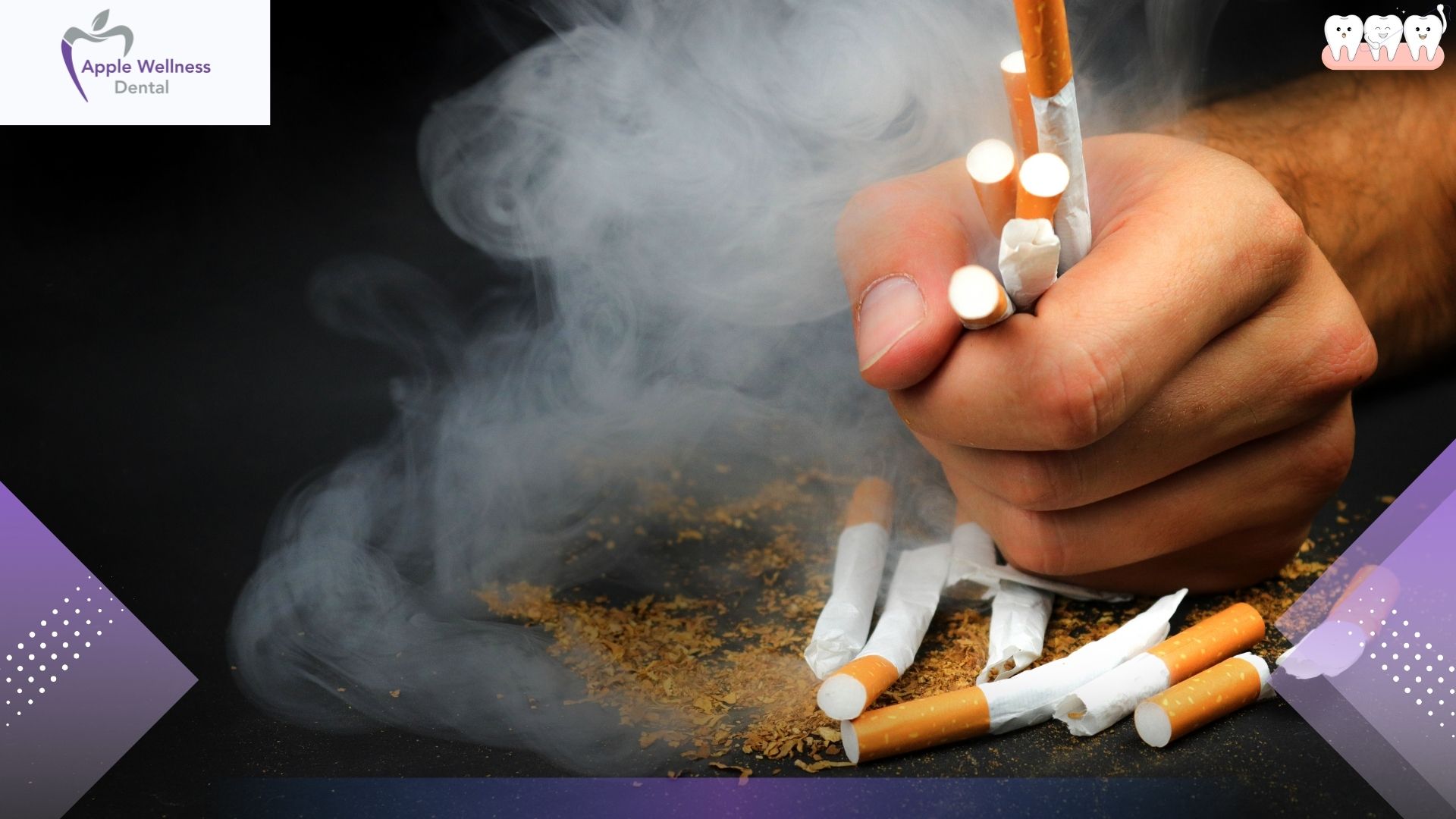
To understand why smoking is so harmful after a tooth removal, you first need a clear picture of what the healing process actually looks like. When a tooth is extracted, the socket — the hollow space left behind in the jaw — begins filling with blood almost immediately. Within the first 24 hours, that blood organizes into a blood clot, which is not just a sign that bleeding has stopped. The clot is the biological foundation of your entire recovery. It covers exposed bone and nerve endings, acts as a physical barrier against bacteria, and provides the scaffold on which new soft tissue and eventually new bone will form.
Over the following days, the body begins converting that clot into granulation tissue — a specialized, highly vascular tissue packed with the cells needed for wound repair. By the end of the first week, the socket edges begin pulling together and the wound becomes progressively more protected. This process continues for several weeks, with bone remodeling in the socket taking place over the course of months. The first three to five days represent the most fragile and critical phase of the entire recovery. Disrupting the clot during this window — through suction, heat, chemical irritation, or mechanical interference — can derail the healing process entirely. For a detailed look at what risks a dental extraction carries and how complications develop, understanding the healing stages is essential context.
Why Smoking Is So Harmful After Tooth Extraction
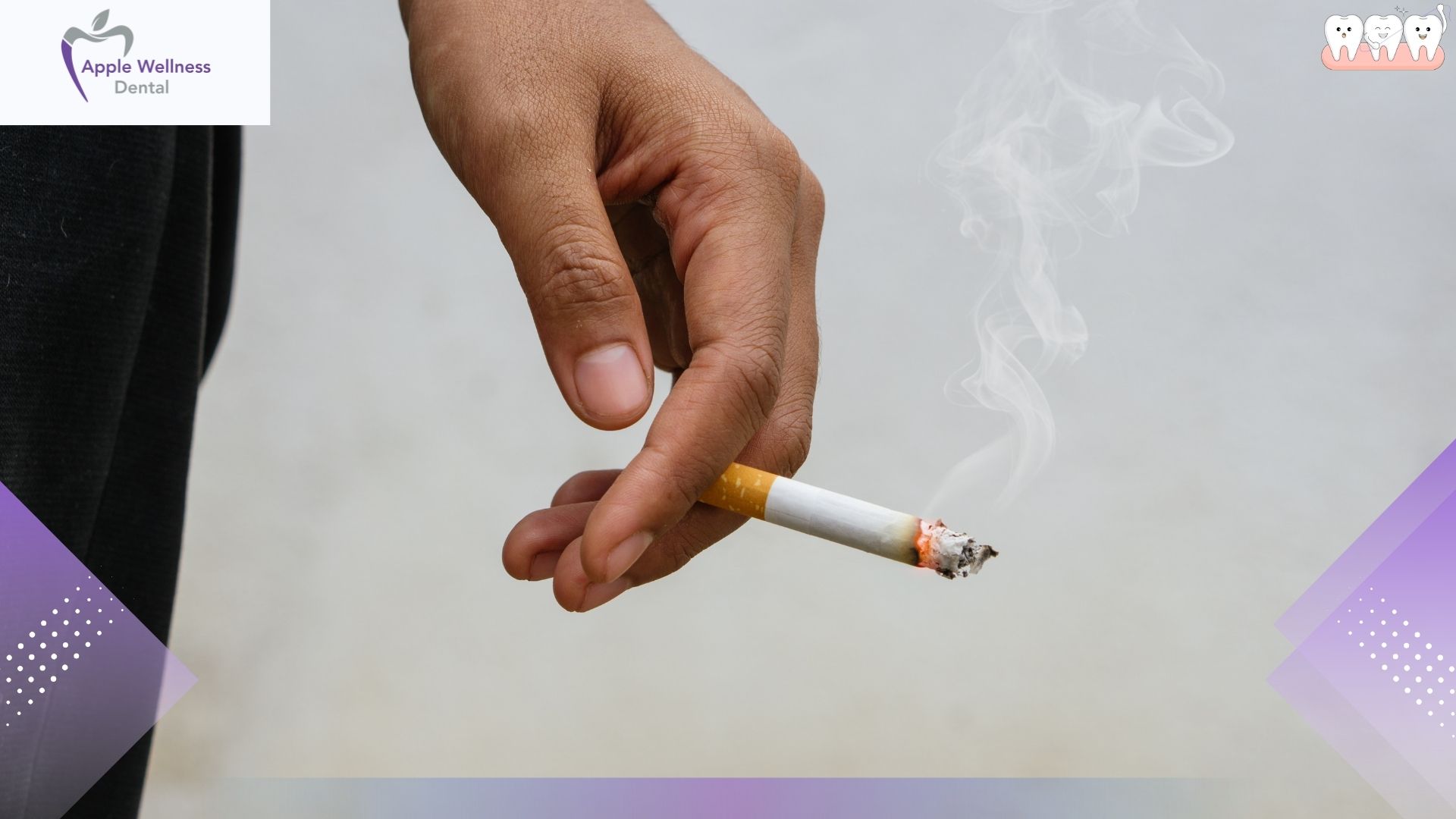
Smoking after a tooth extraction creates multiple overlapping threats to the healing socket. These risks are not theoretical — they are clinically documented and well-supported by dental research. Understanding each mechanism helps explain why dental professionals are consistent and firm in their guidance to avoid smoking during the post-extraction window.
The Suction Mechanism and Blood Clot Dislodgement
The act of inhaling from a cigarette generates negative pressure inside the oral cavity. This suction is directional and powerful enough to physically pull a newly formed blood clot away from the socket walls. Both the inhalation and exhalation motion of smoking can contribute to this effect. Even a single puff in the first 24 to 72 hours — before the clot has had adequate time to stabilize and begin converting to granulation tissue — can dislodge it completely. Once the clot is gone, the bone and nerves at the base of the socket are left fully exposed to the oral environment, triggering the intensely painful condition known as dry socket.
This same mechanical risk applies to vaping and e-cigarette devices. The suction action is functionally identical regardless of whether you’re drawing on a cigarette, a vape pen, or a hookah pipe. Patients who switch to vaping in the belief that it is a safer alternative after extraction are making a mistake that carries the same core risk of clot dislodgement.
Nicotine’s Effect on Blood Flow and Oxygen Delivery
Nicotine is a potent vasoconstrictor — it causes blood vessels to narrow, which reduces blood flow throughout the body, including to the extraction site. Healing tissue depends on a robust blood supply to deliver oxygen, white blood cells, clotting factors, and the nutrients needed to build new collagen and bone. When blood flow is diminished, all of these processes slow down. Reduced oxygen delivery to the wound also increases the risk that anaerobic bacteria — the kind that thrive in low-oxygen environments — will colonize the socket and cause infection.
The impact of nicotine on vasculature also interferes with the body’s ability to fill the socket with the blood needed to even form a stable clot in the first place. In some smokers, clot formation is impaired from the outset, meaning the socket may never develop adequate protection during the critical early healing window. This biological reality explains why smokers are at elevated risk even when they try to be careful about suction.
Toxic Chemicals and Immune Suppression
Cigarette smoke contains more than 7,000 chemical compounds, many of which are directly toxic to oral tissue cells. These chemicals trigger an inflammatory cascade in the gum tissue surrounding the extraction site, which actually increases swelling and discomfort rather than reducing it. At the same time, certain tobacco compounds suppress the local immune response — the very mechanism your body depends on to fight off the bacteria that inevitably enter the socket during everyday activities like eating and breathing.
Elevated inflammation combined with reduced immune defense creates the ideal conditions for post-extraction infection. An infected socket can progress to osteitis — inflammation of the bone itself — and in severe cases may require more extensive treatment, including surgical debridement of the socket or antibiotic therapy. These outcomes are far more serious, painful, and costly than the discomfort of temporarily abstaining from smoking. Learning about dry socket medication and pain relief options gives you a clearer picture of what treatment involves if complications do arise.
The Statistics: How Much Does Smoking Increase Your Risk?
The research on smoking and post-extraction complications is both consistent and sobering. According to a 2022 systematic review and meta-analysis published in a peer-reviewed dental journal, tobacco smokers have more than a three-fold increase in the odds of developing dry socket after tooth extraction compared to non-smokers. The combined incidence of dry socket in smokers was found to be approximately 13.2%, compared to just 3.8% in non-smokers — meaning smokers are roughly 3.5 times more likely to experience this complication. You can review the original research at PubMed’s systematic review on smoking as a dry socket risk factor.
This risk is not evenly distributed across the post-extraction timeline. The greatest danger period is the first 72 hours, when the clot is at its most vulnerable. Smoking during this window dramatically increases the probability of complication. The risk decreases progressively as the clot matures and granulation tissue begins to form — but it does not disappear entirely until the socket is substantially healed, typically around seven to ten days for a straightforward single-tooth extraction.
What Is Dry Socket and How Do You Know If You Have It?
Dry socket — formally called alveolar osteitis — is the most common serious complication following tooth extraction, and smoking is one of its leading causes. It occurs when the blood clot at the extraction site is either dislodged, dissolves prematurely, or fails to form adequately in the first place, leaving the underlying jawbone and nerve endings directly exposed to air, food, fluids, and bacteria in the mouth.
The hallmark symptom of dry socket is a deep, throbbing pain that typically begins one to three days after the extraction and often radiates toward the ear, temple, or eye on the same side as the extracted tooth. Unlike the normal post-extraction soreness that gradually improves after the first day or two, dry socket pain tends to intensify over time rather than fade. Patients frequently describe it as one of the most severe pains they’ve experienced in or around the mouth. Other signs include a visible empty socket (where you might see bone rather than a dark blood clot), an unpleasant taste, and persistent bad breath that doesn’t respond to rinsing.
Dry socket does not resolve on its own without professional treatment. A dentist will clean the socket to remove any debris or bacteria, then pack it with a medicated dressing that provides immediate pain relief and creates a protective environment for healing to resume. Multiple dressing changes over the course of a week or more may be needed depending on severity. Understanding how long pain typically lasts after tooth extraction helps you distinguish between normal recovery discomfort and something that needs clinical attention.
How Long Should You Actually Wait Before Smoking?
This is the question most patients want answered directly, so here it is: the absolute minimum wait time recommended by dental professionals is 72 hours (three full days). This is not a suggestion — it is a clinical guideline based on the time the blood clot needs to stabilize sufficiently to withstand the suction and chemical exposure associated with smoking. However, three days is a floor, not a target.
Most dental professionals prefer that patients wait five to seven days before resuming smoking, and the strongest guidance recommends abstaining for the full first week or longer. For wisdom tooth extractions, where the sockets are larger, the surgical site is often deeper, and the healing process is more complex, waiting a full week to ten days is the more appropriate threshold. Our detailed guide on when it’s safe to smoke after wisdom tooth extraction covers the extended timeline for those more involved procedures. The longer you can hold off, the better your chances of a complication-free recovery.
Why Waiting Longer Is Always the Safer Choice
Each additional day you wait to smoke after an extraction gives the socket more time to progress through the healing stages. By day five, granulation tissue has typically formed a more stable protective layer over the clot. By day seven, the wound edges have often begun to close. By day ten, most patients with uncomplicated extractions have a socket that is substantially protected and far less vulnerable to the mechanical disruption of smoking. The temporary discomfort of abstaining is a small price compared to the pain, additional dental visits, and potential medical treatment required if dry socket develops.
What About Vaping, Cigars, and Other Tobacco Products?
Patients frequently ask whether switching from cigarettes to vaping, cigars, or smokeless tobacco eliminates the post-extraction risk. The answer depends on the specific product, but the short version is: none of them are safe during the critical healing window.
Vaping and E-Cigarettes
Vaping carries the same mechanical risk as cigarette smoking because it involves the same suction action. The draw required to activate a vaping device creates the same negative oral pressure capable of dislodging a blood clot. Additionally, many vaping liquids contain nicotine, which has all the vasoconstrictive effects described above. Even nicotine-free vaping products create oral pressure and may expose the extraction site to propylene glycol, vegetable glycerin, and flavoring chemicals that can irritate healing tissue. Vaping should be avoided for the same duration as cigarette smoking after a tooth extraction.
Cigars and Pipes
Cigars and pipes generate suction in the same way cigarettes do. They also typically involve longer, deeper draws, which may actually create more pressure than cigarette smoking in some cases. The argument that cigars are “safer” because smoke is not inhaled into the lungs does not apply to the oral cavity — the suction happens in the mouth regardless of whether smoke reaches the lungs, and that suction is what poses the risk to the socket.
Smokeless Tobacco
Chewing tobacco, dip, snuff, and similar products avoid the suction risk, but they introduce a different set of problems. These products are placed directly in the mouth, often near the extraction site, where they expose the wound to highly concentrated tobacco chemicals and bacteria from the product itself. They also stimulate increased saliva production and may physically dislodge the clot through tongue manipulation. Smokeless tobacco should be avoided for at least a week after extraction. Our guide on the smoking after tooth extraction timeline and risks addresses the full spectrum of tobacco products in more detail.
Practical Options for Smokers During Recovery
We understand that for many people, going 72 hours to a week without smoking is genuinely difficult. Nicotine addiction is a recognized medical condition, and withdrawal symptoms — including irritability, anxiety, difficulty concentrating, and increased cravings — are real. The goal here is not to judge smokers for their habit but to give you realistic options that minimize the damage to your healing socket while acknowledging the realities of addiction.
Nicotine Replacement Options
Nicotine patches, gums (tucked into the cheek, not chewed forcefully), and nicotine lozenges can help manage cravings without the suction risk of smoking. These delivery methods bypass the oral cavity in terms of suction — a patch, for example, delivers nicotine transdermally without any impact on the socket whatsoever. Nicotine gum does contain vasoconstriction risks due to the nicotine itself, but it eliminates the mechanical suction danger. Always discuss any nicotine replacement plan with your dental team before your extraction appointment, not after, so you can have a strategy ready in advance.
If You Do Smoke During Recovery
If abstaining entirely is not possible, there are ways to reduce — though not eliminate — the risk. Taking the shallowest possible puffs, covering the socket with damp gauze before smoking, and rinsing gently with lukewarm water afterward are harm-reduction strategies rather than safe alternatives. None of these measures eliminate the risks described throughout this article. They simply lower the degree of exposure. We share this information not to give permission to smoke during recovery, but because patients who are going to smoke regardless are better off knowing how to reduce harm than proceeding without any guidance at all. That said, professional advice from your own dental team should always take priority over general information. For guidance on how long after wisdom tooth extraction it’s safe to smoke, always consult directly with your dentist before making that call.
Signs You May Have a Complication After Extraction
Knowing what normal recovery looks and feels like is the best way to catch a complication early. Normal post-extraction healing involves moderate soreness for the first two to three days that gradually improves, some swelling that peaks around day two and then diminishes, and mild oozing for the first few hours. These are expected.
Warning signs that require prompt dental attention include: pain that worsens after the second or third day instead of improving; a throbbing, radiating ache toward the ear or jaw; a visible empty socket where the clot used to be; fever above 38°C (100.4°F); increasing swelling after day three; pus, discharge, or a foul taste that doesn’t respond to rinsing; and numbness that persists well beyond the expected period after local anesthetic. If you experience any of these, do not attempt to self-treat. These are signals that your body needs professional intervention, not a home remedy. Patients who wonder what qualifies as a dental emergency should treat worsening post-extraction pain as a situation that warrants a call to their dental office the same day.
Why Professional Care After Extraction Changes Everything
Much of the anxiety patients feel about smoking after a tooth removal stems from being sent home without a clear plan for the recovery period. When you receive thorough post-operative instructions, know exactly what to watch for, and have easy access to your dental team for questions, the entire recovery process becomes less stressful and more manageable. The difference between a smooth recovery and a complicated one often comes down to the quality of post-operative guidance you receive and how closely you follow it.
At Apple Wellness Dental, we make it a priority to send every patient home with clear, practical instructions and a direct line to our team if questions arise during recovery. We’re located at 229 1st Street SW, Airdrie, AB, and you can reach us at +1 587 332 6767. Whether you need guidance on managing cravings during your no-smoking window, have concerns about how your socket looks, or want a follow-up check before resuming normal activities, we’re here to support your recovery at every step. Getting professional dental care — before, during, and after an extraction — is the most effective way to avoid the complications that bring patients back in with preventable problems.
Common Questions About Can I Smoke After Tooth Extraction
Q: Can I smoke immediately after a tooth extraction?
A: No. Smoking immediately after a tooth extraction is one of the most harmful things you can do to a healing socket. The first 24 hours are when the blood clot forms and is at its most fragile. The suction from smoking can pull this clot out entirely, causing dry socket. Nicotine also constricts blood vessels and impairs the oxygen delivery your healing tissue needs from the very first minutes of recovery.
Q: How long after a tooth extraction can I smoke?
A: The minimum recommended waiting period is 72 hours — three full days. Most dental professionals prefer patients wait five to seven days, and for wisdom tooth extractions, a full week to ten days is the more appropriate standard. The longer you can wait, the lower your risk of developing dry socket or delaying healing. Your dentist’s specific post-operative instructions take priority over any general guideline.
Q: What happens if I smoke after tooth extraction?
A: Smoking after an extraction raises your risk of dry socket, infection, delayed healing, and increased pain. The suction action can dislodge the blood clot, exposing the bone and nerves in the socket. Nicotine reduces blood flow and oxygen to the wound, suppressing your immune response. Toxic chemicals in tobacco trigger inflammation and can introduce harmful bacteria directly into the healing site.
Q: Can I vape instead of smoking after a tooth extraction?
A: No. Vaping carries the same mechanical risk as cigarette smoking because it requires the same suction action to activate. This suction is capable of dislodging the blood clot in the extraction socket. Many vaping products also contain nicotine, which has the same vasoconstrictive effects on healing tissue. Switching to vaping during recovery is not a safe alternative and should be avoided for the same duration as cigarette smoking.
Q: Is dry socket very painful?
A: Yes — dry socket is consistently described by patients as one of the most intense dental pains they have experienced. It typically begins one to three days after extraction and is characterized by a deep, throbbing ache that often radiates toward the ear, jaw, or temple. Unlike normal post-extraction soreness that improves each day, dry socket pain intensifies over time. It requires professional treatment and does not go away on its own.
Q: Can I use nicotine patches or gum after a tooth extraction?
A: Nicotine patches are generally considered a much safer option than smoking during extraction recovery because they deliver nicotine through the skin without any suction or oral mechanical risk. Nicotine gum can be used with care — it should be tucked into the cheek gently rather than chewed actively. Nicotine itself still has vasoconstrictive effects that slow healing, so these are harm-reduction options rather than completely risk-free alternatives. Discuss any nicotine replacement strategy with your dentist before your procedure.
Q: What does dry socket look like and how is it treated?
A: Dry socket appears as an empty-looking socket where the dark blood clot is absent or incomplete. You may be able to see exposed yellowish-white bone at the base of the socket. Treatment involves professional cleaning of the socket, removal of any debris or bacteria, and placement of a medicated dressing that provides immediate pain relief and stimulates healing. Multiple dressing changes over several days are commonly required before the pain resolves and healing resumes.
Q: Does smoking with gauze over the socket reduce the risk?
A: Placing gauze over the socket before smoking is sometimes suggested as a harm-reduction measure, but it does not eliminate the risk. Gauze can reduce some of the direct chemical exposure to the wound, but it does not neutralize the negative oral pressure generated by smoking, which is the primary mechanical cause of clot dislodgement. This should be treated as a last resort if abstaining is genuinely impossible, not as a permission slip to smoke during the critical healing window.
Q: Is smoking after a wisdom tooth extraction more dangerous than after a regular extraction?
A: Yes, generally speaking. Wisdom tooth extractions typically involve larger sockets, sometimes require cutting of bone, and frequently include sutures. The healing process is more complex and takes longer. For this reason, the recommended waiting period before smoking is longer — most dental professionals suggest a minimum of five to seven days, with ten days being a more conservative and appropriate target. The risk of dry socket with wisdom teeth is also higher overall, even without smoking as a factor.
Q: Can I smoke after tooth extraction if I feel no pain?
A: Feeling minimal pain does not mean the socket is healed or that smoking is safe. Pain is an imperfect indicator of internal healing progress — the blood clot and granulation tissue form on a biological timeline that doesn’t always correlate directly with how you feel. Many patients with dry socket report that symptoms didn’t emerge until two to three days after the extraction, often after they thought they were past the danger zone. Absence of pain is not a reliable indicator that the socket can safely withstand the suction and chemical exposure from smoking.
Conclusion
The honest answer to whether you can smoke after a tooth extraction is: not safely, and not yet. The risks are real, well-documented, and avoidable. A minimum of 72 hours is the clinical floor, and most patients are better served by waiting the full five to seven days — or longer for wisdom tooth removals. Dry socket, infection, delayed healing, and the additional dental visits that come with those complications are outcomes entirely within your power to prevent.
Your recovery after an extraction depends on the choices you make at home just as much as the quality of care you receive in the chair. If you have questions about whether it is safe to smoke after a tooth extraction in your specific situation, or if you’re experiencing symptoms that concern you during your recovery, the right move is always to call your dental team rather than guess. At Apple Wellness Dental, we’re ready to help you recover well and avoid setbacks that nobody wants. Reach out to our Airdrie team and let us support your healing from start to finish.