
The Complete Guide to Tooth Replacement Option: Finding Your Perfect Smile
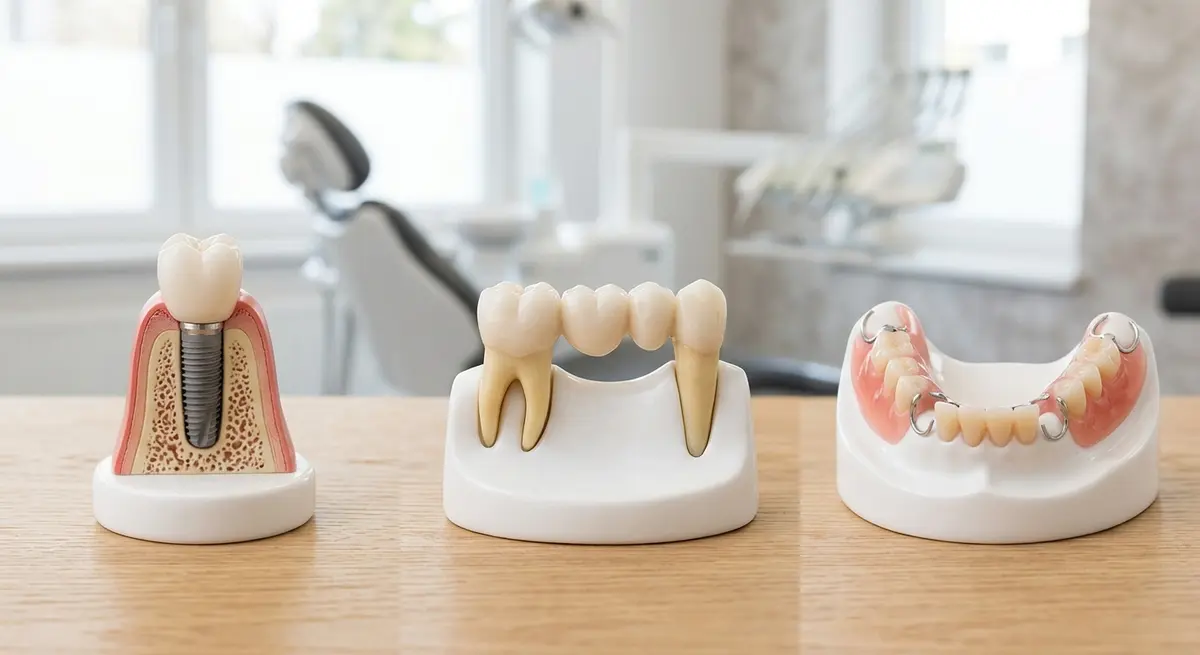
The most effective tooth replacement options available today include endosteal dental implants, fixed porcelain bridges, and removable partial or full dentures. The ideal choice for restoring your smile depends entirely on your jawbone density, overall oral health, budget, and the specific number of missing teeth. Dental implants are widely considered the gold standard due to their ability to prevent bone loss, while bridges offer a faster fixed solution, and modern dentures provide an economical way to replace multiple teeth simultaneously.
Key Takeaways
- Dental Implants: Offer the highest longevity and are the only option that actively prevents alveolar bone resorption by stimulating the jawbone.
- Fixed Dental Bridges: Provide a rapid, non-removable solution by anchoring a prosthetic tooth to adjacent healthy teeth.
- Modern Dentures: Have evolved significantly by 2026, offering lightweight, comfortable, and highly aesthetic solutions for extensive tooth loss.
- Bone Health is Time-Sensitive: The jawbone begins to deteriorate within months of a tooth extraction, making timely replacement critical.
- Customization is Key: Advanced 3D imaging and materials like monolithic zirconia ensure that modern replacements look entirely natural.
Why Replacing Missing Teeth is Critical in 2026
Losing a tooth is more than just an aesthetic concern; it is a complex medical issue that triggers a cascade of changes throughout the oral cavity. When a tooth is lost, the alveolar bone—the portion of the jawbone that anchors the tooth roots—no longer receives the biomechanical stimulation required to maintain its density. According to the National Institute of Dental and Craniofacial Research, patients can experience up to 25% bone loss in the affected area within the first year of extraction if the tooth is not replaced.
Beyond bone resorption, adjacent teeth will naturally begin to drift into the empty space. This shifting disrupts the bite alignment (occlusion), which can lead to temporomandibular joint (TMJ) disorders, chronic headaches, and uneven wear on remaining teeth. Furthermore, missing teeth severely impact dietary choices and digestion. Patients often find themselves avoiding nutrient-dense foods that require heavy chewing, which is why understanding eating after a tooth extraction and planning for a permanent replacement is vital for long-term systemic health.
Top Tooth Replacement Methods Explained
When evaluating what the best tooth replacement options are for your specific clinical needs, it is essential to understand the mechanics, benefits, and limitations of the three primary restorative pathways. Dentistry in 2026 utilizes highly advanced biocompatible materials, ensuring that whichever route you choose, the results are highly functional and visually indistinguishable from natural teeth.
Dental Implants: The Gold Standard
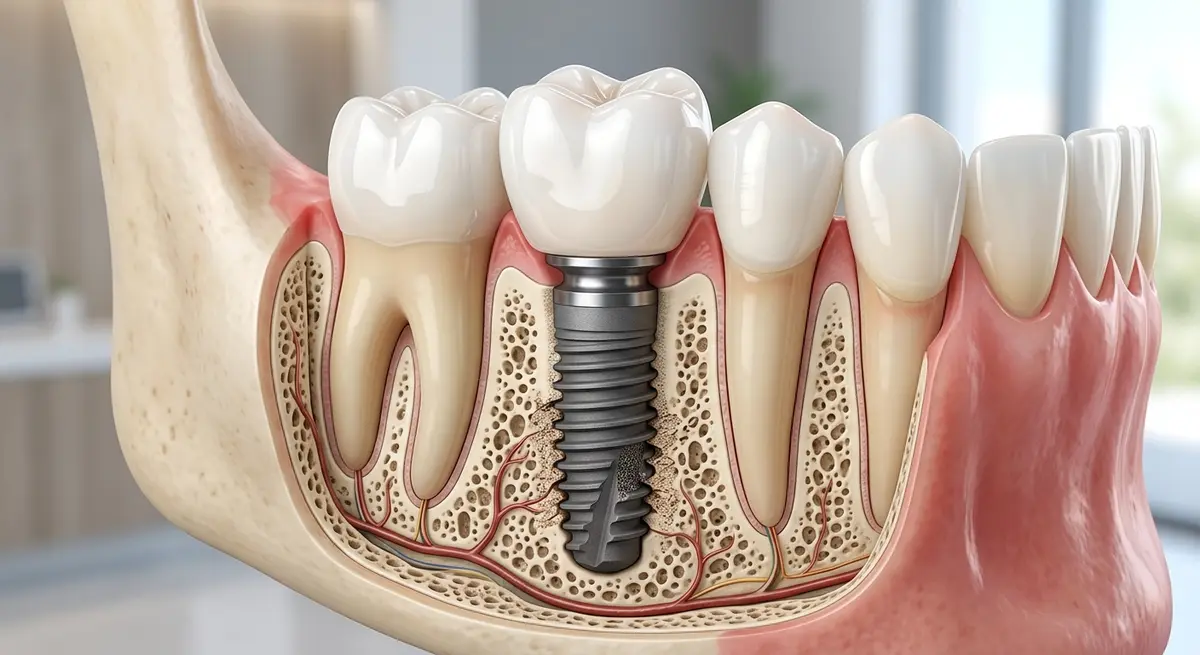
Dental implants represent the pinnacle of modern restorative dentistry. An implant is a small, screw-like post—typically made of medical-grade titanium or ceramic zirconia—that is surgically embedded into the jawbone. Over a period of three to six months, a biological process called osseointegration occurs, wherein the living bone fuses tightly to the implant surface. This creates an incredibly stable foundation for a custom dental crown.
As Dr. Sarah Jenkins, Chief Prosthodontist at the Global Dental Research Consortium, explains: “The integration of AI-assisted CBCT scanning in 2026 has elevated the success rate of dental implants to an unprecedented 98.5%. They are the only restorative option that mimics the natural tooth root, thereby halting bone atrophy and preserving the patient’s facial structure.”
While the initial cost and treatment timeline are higher than other options, the lifespan of restorative work involving implants is unparalleled. With proper oral hygiene, the titanium post can last a lifetime, though the prosthetic crown may need replacement after 15 to 20 years.
Fixed Dental Bridges: Fast and Reliable
For patients who lack the necessary bone density for implants or prefer to avoid oral surgery, fixed dental bridges are an excellent alternative. A traditional bridge consists of a false tooth (known as a pontic) held in place by dental crowns cemented onto the healthy teeth adjacent to the gap (the abutment teeth).
Bridges are highly effective for restoring chewing function and preventing surrounding teeth from shifting. The procedure is relatively swift, typically requiring only two appointments over a couple of weeks. However, the primary drawback is that the adjacent abutment teeth must be permanently altered—shaved down to accommodate the crowns. Additionally, because there is no artificial root stimulating the underlying bone, some localized bone loss will still occur over time beneath the pontic.
Removable Dentures: Full and Partial Solutions
Dentures have shed their historical stigma thanks to massive leaps in material science. Today’s dentures are highly customized, lightweight, and incredibly realistic. They are generally categorized into two types: partial and full.
When deciding on choosing between partial and full dentures, the dentist evaluates the number of healthy teeth remaining. Partial dentures utilize a metal or flexible acrylic framework that clasps onto existing teeth to fill in multiple gaps. Full dentures replace an entire arch of teeth and rely on suction or dental adhesive to stay in place.
Understanding the materials used in modern dentures is crucial. High-impact acrylic resins and advanced composites used in 2026 resist staining and mimic the translucency of natural enamel far better than their predecessors. While dentures are the most cost-effective option, they do require a period of adaptation for speaking and eating, and they must be relined every few years as the shape of the jaw naturally changes.
Comparing Your Options: Which is Right for You?
To help clarify the distinctions between these restorative dentistry treatments, the following table breaks down the critical factors patients must consider.
| Feature | Dental Implants | Fixed Bridges | Removable Dentures |
|---|---|---|---|
| Bone Preservation | Excellent (stimulates bone) | Poor (bone loss occurs under pontic) | Poor (accelerates ridge resorption) |
| Longevity | Lifetime (crowns 15-20 yrs) | 10-15 years | 5-10 years (requires relining) |
| Procedure Time | 3 to 9 months | 2 to 4 weeks | 3 to 6 weeks |
| Impact on Adjacent Teeth | None (stands independently) | Requires shaving down healthy teeth | May place stress on anchor teeth (partials) |
The Step-by-Step Process of Replacing a Tooth
While the exact timeline varies based on the chosen method, the general pathway to restoring your smile follows a structured, clinical approach. According to guidelines published by the American College of Prosthodontists, a meticulous diagnostic phase is the strongest predictor of long-term success.
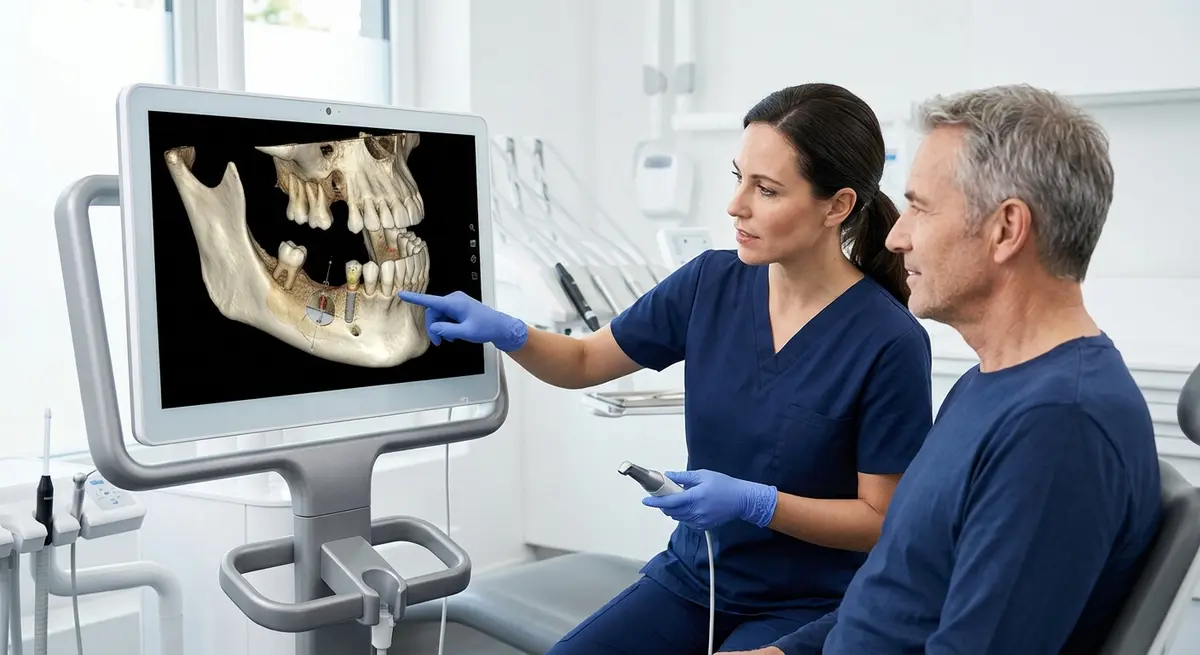
- Comprehensive Diagnostic Imaging: The process begins with 3D Cone Beam Computed Tomography (CBCT). This scan provides a 360-degree view of your teeth, jawbone, nerves, and sinus cavities, allowing the dentist to determine if you have sufficient bone volume for implants or if another option is safer.
- Preparatory Procedures: If a damaged tooth is still present, it must be extracted. In cases where implants are chosen but bone density is lacking, a bone graft may be performed simultaneously. Patients should review guidelines on preparing for oral surgery to ensure a smooth recovery during this phase.
- Placement or Impressions: For the dental implant placement process, the titanium post is surgically inserted into the jaw. For bridges and dentures, highly accurate digital impressions are taken using an intraoral scanner to map the exact contours of your mouth.
- Fabrication of the Prosthesis: The digital data is sent to a specialized dental laboratory. Using CAD/CAM (Computer-Aided Design and Computer-Aided Manufacturing) technology, technicians mill the final crown, bridge, or denture from high-strength materials like monolithic zirconia or advanced acrylics.
- Final Fitting and Adjustment: Once the prosthesis is ready (and osseointegration is complete in the case of implants), the final restoration is securely attached or fitted. The dentist will check your bite articulation to ensure perfect occlusion and make any necessary micro-adjustments.
Expert Insights on Restorative Dental Care
The psychological impact of tooth loss is profound. Research from the Mayo Clinic indicates that individuals with untreated missing teeth are 40% more likely to experience social anxiety and depressive symptoms related to their appearance. Restoring a complete smile is as much about mental well-being as it is about physical health.
Dr. Marcus Thorne, a leading researcher in biomaterials, notes: “Patients often delay treatment due to fear of pain or cost. However, the technological advancements available in 2026 mean that procedures are minimally invasive, and the long-term cost of doing nothing—treating subsequent bone loss, shifting teeth, and TMJ disorders—far outweighs the investment of early replacement.”
Furthermore, statistics show that over 120 million people in North America are missing at least one tooth. You are not alone in this journey, and modern dentistry offers highly predictable, comfortable solutions to restore both function and confidence.
Frequently Asked Questions (FAQ)
What is the most natural-looking tooth replacement option?
Dental implants paired with all-ceramic or zirconia crowns provide the most natural appearance. Because the implant emerges from the gums exactly like a natural tooth root, it creates a seamless, lifelike transition at the gumline that bridges and dentures struggle to replicate perfectly.
Can I get a tooth pulled and replaced on the same day?
Yes, in specific clinical scenarios, a procedure known as “immediate load implants” or “teeth in a day” is possible. This involves extracting the failing tooth and placing the implant post and a temporary crown during the same appointment, provided there is sufficient healthy bone and no active infection.
Are dental implants painful to get?
The implant placement procedure is generally not painful, as it is performed under local anesthesia, and sedation options are often available. Most patients report that the post-operative discomfort is surprisingly mild, often less severe than the pain experienced during a standard tooth extraction, and easily managed with over-the-counter analgesics.
How do I clean and maintain a dental bridge?
Maintaining a fixed bridge requires brushing twice daily and using specialized flossing tools, such as floss threaders or water flossers, to clean underneath the pontic (the false tooth). Keeping the gumline around the abutment teeth free of plaque is critical to prevent decay from undermining the bridge.
Will my insurance cover the cost of tooth replacement?
Insurance coverage varies widely depending on your specific provider and plan. Most dental insurance plans will cover a significant percentage of traditional bridges and dentures. While coverage for dental implants is increasing in 2026, many plans still classify the surgical placement as an elective upgrade, though they may cover the attached crown.
Am I too old to get dental implants?
Age is rarely a limiting factor for dental implants; bone health and overall systemic health are much more important. As long as a patient has adequate jawbone density and does not have uncontrolled medical conditions (like severe diabetes) that impair healing, they are likely a viable candidate for implant surgery.
Conclusion
Navigating the aftermath of tooth loss can feel overwhelming, but understanding your restorative options is the first step toward regaining your confidence and oral health. Whether you opt for the permanent stability of dental implants, the rapid restoration of a fixed bridge, or the economical versatility of modern dentures, replacing a missing tooth is an investment in your long-term well-being. Delaying treatment only allows bone loss and dental shifting to progress, complicating future procedures.
Every smile is unique, and the best way to determine your ideal treatment path is through a comprehensive clinical evaluation. If you are ready to explore your options and reclaim your smile, contact our dental team today to schedule a personalized consultation.