
The Complete 2026 Guide: When and What to Eat After a Tooth Extraction
You can typically consume clear liquids and soft, cool foods like applesauce or yogurt immediately after the bleeding stops, which is usually 1 to 2 hours post-extraction. However, you must avoid chewing near the extraction site, consuming hot liquids, and using straws for at least 24 to 48 hours to prevent dislodging the critical blood clot that forms in the empty socket. Transitioning back to a normal diet should be a gradual process spanning 7 to 10 days, depending on the complexity of your oral surgery.
Key Takeaways for Post-Extraction Eating
- Wait 1-2 hours: Do not eat or drink anything until the initial bleeding has stopped and the local anesthesia has worn off to prevent accidental biting of your cheek or tongue.
- First 24 hours: Stick exclusively to liquid and highly soft foods (e.g., yogurt, smoothies, pudding) served at cool or room temperatures.
- Avoid negative pressure: Never use a straw, spit forcefully, or smoke, as this can cause a painful condition known as dry socket.
- Chew on the opposite side: Protect the extraction site by directing all mastication (chewing) to the other side of your mouth.
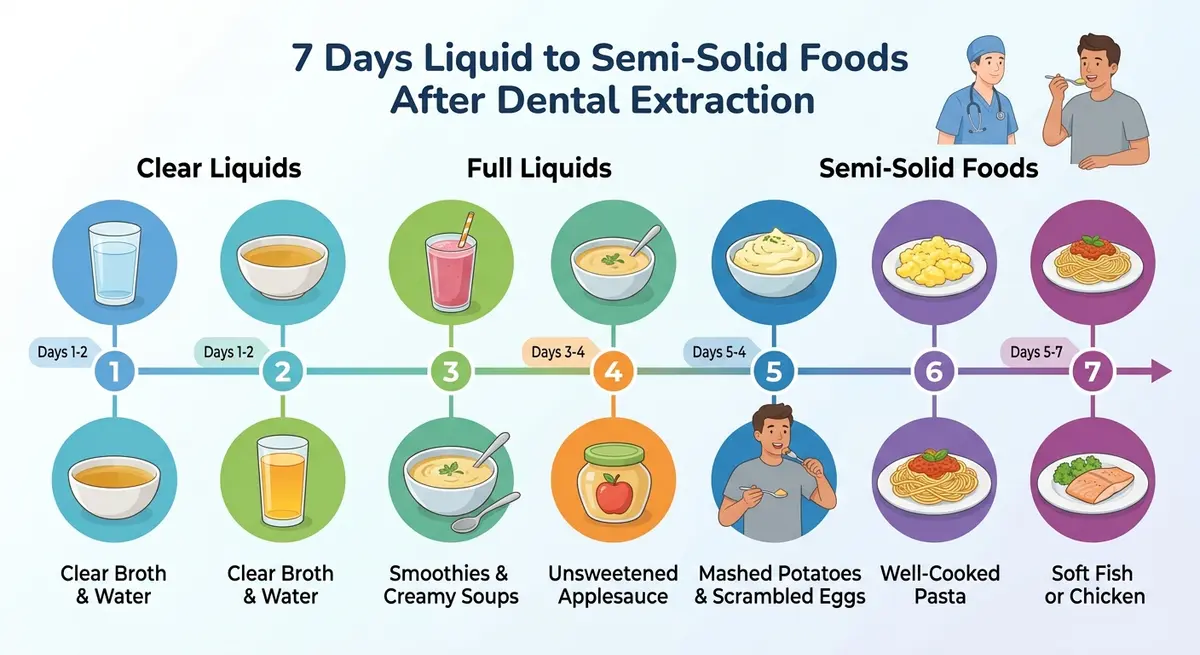
- Gradual reintroduction: Slowly introduce semi-soft foods like scrambled eggs and mashed potatoes on days 2 and 3.
The Immediate Aftermath: Hours 1 to 24
The first 24 hours following a dental extraction are the most critical for your recovery. During this window, your body is actively working to achieve hemostasis—the cessation of bleeding—and forming a protective fibrin network over the exposed bone and nerves. Patients frequently ask about the exact timeline for eating following a dental extraction, and the answer relies heavily on this biological process.
According to a 2026 publication by the American Dental Association (ADA), the initial blood clot forms within the first 12 to 24 hours. Disrupting this clot can lead to severe complications. Furthermore, you must wait to eat until you fully regain sensation in your mouth. If you are unsure about when mouth numbness wears off, it typically takes 2 to 4 hours depending on the type and amount of anesthetic used.
Ideal Soft Foods for Day One
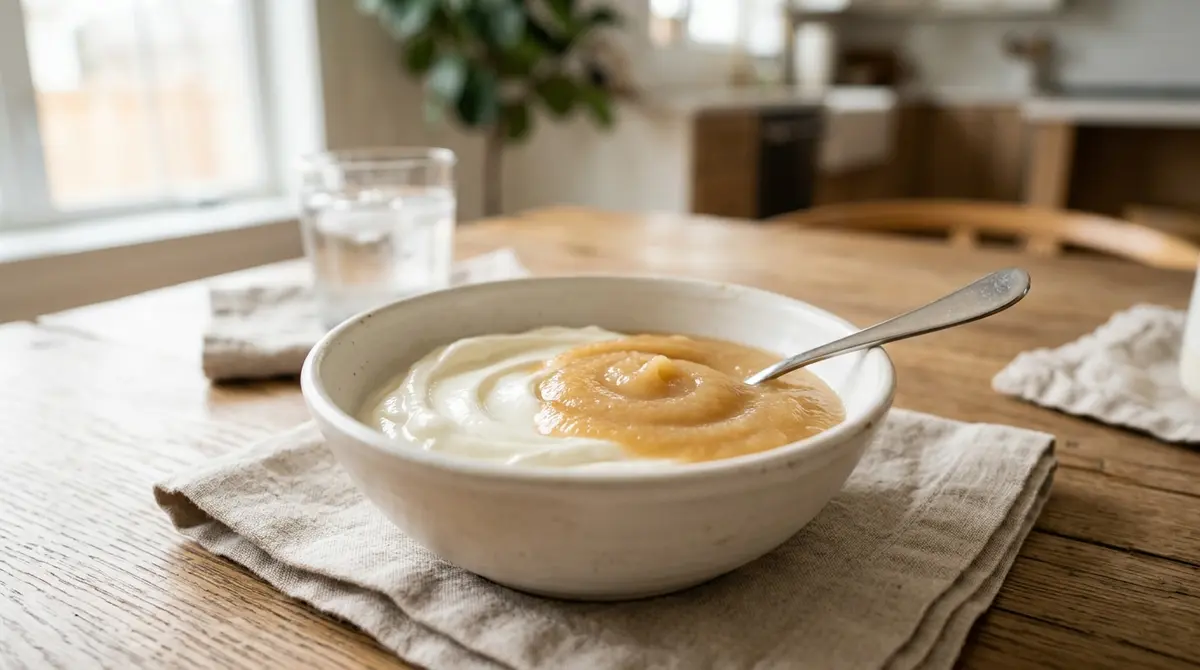
Once the numbness dissipates and bleeding subsides, you need to nourish your body without requiring any chewing effort. Focus on nutrient-dense, smooth textures. Cold foods are particularly beneficial as they help constrict blood vessels, reducing postoperative swelling and inflammation.
As Dr. Sarah Jenkins, Chief of Oral Surgery at the National Dental Institute, explains: “The first 24 hours are critical for hemostasis. Premature mastication or consuming hot liquids can disrupt the fibrin network, leading to delayed healing and increased risk of infection.”
Days 2 to 3: Transitioning Your Diet
By the second and third days, the blood clot should be relatively stable, though still vulnerable. Swelling often peaks around 48 hours post-surgery. At this stage, you can begin introducing semi-soft foods that require minimal chewing. It is vital to continue chewing on the side of your mouth opposite the extraction site.
If you are recovering from a more complex procedure, such as impacted molars, your timeline might be slightly extended. Following a comprehensive wisdom teeth removal recovery protocol is essential during these transitional days to ensure the gums heal properly.
Safe vs. Unsafe Foods (Days 1-3)
To simplify your meal planning, reference this comparison table of approved and restricted foods during the initial 72-hour recovery window.
| Safe Foods (Soft & Cool) | Unsafe Foods (Avoid Completely) |
|---|---|
| Applesauce and mashed bananas | Spicy foods (irritates the wound) |
| Greek yogurt and smooth cottage cheese | Crunchy snacks (chips, popcorn, nuts) |
| Lukewarm broths and blended soups | Hot beverages (coffee, hot tea) |
| Scrambled eggs and mashed potatoes | Chewy foods (steak, gummies, bagels) |
| Protein shakes (drunk from a glass, NO straws) | Acidic foods (citrus fruits, tomatoes) |
Days 4 to 7: Returning to Normalcy
Between days 4 and 7, the extraction site begins to develop granulation tissue—a highly vascularized connective tissue that replaces the initial blood clot. This tissue is the foundation for new bone and gum formation. Research from the National Institutes of Health (NIH) indicates that while the surface gums may appear healed within 7 to 10 days, the underlying alveolar bone takes up to 6 months to fully regenerate.
During this week, you can slowly reintroduce solid foods, such as soft pasta, baked fish, and steamed vegetables. However, continue to avoid extremely hard or crunchy items like nuts and seeds, as small fragments can easily become lodged in the healing socket, triggering an infection.
If your extraction was a precursor to future restorative work, this healing phase is crucial. A healthy, infection-free socket is mandatory before considering dental implant placement or other prosthetic solutions.
Critical Foods and Habits to Avoid
Understanding what not to eat is arguably more important than knowing what you can eat. The primary goal during recovery is to prevent alveolar osteitis, commonly known as dry socket. This excruciating condition occurs when the blood clot is dislodged or dissolves prematurely, exposing the underlying bone and nerves to air, food, and fluids.
The Danger of Straws and Suction
According to 2026 clinical data published in the Journal of Oral and Maxillofacial Surgery, dry socket occurs in 2% to 5% of routine extractions, but the incidence rate spikes to nearly 30% in impacted lower wisdom teeth. The leading cause? Negative pressure in the oral cavity.
Dr. Marcus Thorne, a leading researcher in maxillofacial recovery, notes: “Alveolar osteitis is entirely preventable in over 85% of cases simply by avoiding negative pressure. Using a straw, smoking a cigarette, or vigorous spitting creates a vacuum effect that easily pulls the fragile clot right out of the socket.”
Spicy, Crunchy, and Acidic Hazards
Spicy foods containing capsaicin can cause severe burning sensations on the raw tissue. Acidic foods, such as citrus and tomatoes, can alter the pH of your saliva, potentially dissolving the blood clot. Crunchy foods like popcorn and chips break into sharp, jagged pieces that can lacerate the healing gums or become trapped deep within the extraction site.
Step-by-Step Guide to Eating Safely Post-Extraction
To ensure a smooth recovery and minimize discomfort, follow this actionable, step-by-step process when consuming meals during your first week of healing:
- Assess your numbness: Before taking your first sip or bite, gently tap your cheek and lip to ensure all local anesthesia has completely worn off. If you are still numb, wait another 30 minutes.
- Start with hydration: Drink a glass of cool water (without a straw) to hydrate your oral tissues and assess your swallowing comfort.
- Choose the right temperature: Ensure your food is lukewarm or cold. Test the temperature on your wrist before putting it in your mouth.
- Take small bites: Use a teaspoon rather than a tablespoon to control portion sizes and prevent overextending your jaw.
- Chew strategically: Consciously push the food to the opposite side of your mouth. Take your time and chew slowly.
- Rinse gently: After eating, do not swish vigorously. Instead, gently roll warm salt water around your mouth and let it fall passively into the sink to clear away food debris.
If you experience minor discomfort while eating, you may need to review safe managing post-extraction tooth pain strategies, such as taking prescribed anti-inflammatories 30 minutes before a meal.

Recognizing Complications: When to Call a Professional
Even with the most meticulous dietary care, complications can occasionally arise. It is vital to monitor your extraction site for signs of abnormal healing. While mild swelling and a dull ache are standard, severe, throbbing pain that radiates to your ear or neck is a hallmark symptom of dry socket.
According to Dr. Emily Chen, Director of Restorative Dentistry: “Transitioning to solid foods too quickly is the number one cause of postoperative micro-tears in healing gum tissue. If a patient notices increased bleeding after day three, it is usually diet-related.”
If you experience a fever above 101°F (38.3°C), persistent bleeding that fills your mouth with blood, or foul-tasting discharge, contact your dental provider immediately. To minimize these risks in the future, always review a comprehensive guide on preparing for oral surgery before your appointment, ensuring your pantry is stocked with appropriate soft foods in advance.
Frequently Asked Questions (FAQ)
Can I eat a burger 3 days after tooth extraction?
It is highly recommended to avoid burgers and other chewy meats for at least 5 to 7 days. Biting into a burger requires significant jaw extension and chewing force, which can disrupt the healing socket and cause pain.
When can I drink coffee after a tooth extraction?
You should avoid hot coffee for at least 48 hours, as the heat can dissolve the blood clot and increase bleeding. Iced coffee is acceptable after 24 hours, provided you do not use a straw to drink it.
Is it safe to eat rice after a tooth extraction?
Avoid rice, quinoa, and other small grains for the first 4 to 5 days. These tiny particles can easily become trapped inside the open extraction socket, leading to bacterial buildup and painful infections.
How long should I wait to eat dairy products?
Soft dairy products like yogurt, pudding, and ice cream are excellent choices immediately after the bleeding stops (1-2 hours post-surgery). However, if you are taking specific antibiotics, consult your dentist, as dairy can sometimes interfere with medication absorption.
Can I eat pizza a week after tooth extraction?
By day 7, most patients can safely eat pizza if the healing process has been normal. However, you should avoid hard, crunchy crusts and chew carefully on the opposite side of the extraction site to prevent irritation.
What happens if food gets stuck in the extraction hole?
If food becomes lodged in the socket, do not use a toothpick or your finger to dig it out. Gently rinse with warm salt water. If the food remains stuck, contact your dentist for a professional, safe irrigation.
Conclusion
Knowing exactly how long after a tooth extraction you can eat is crucial for a painless and efficient recovery. By waiting for the anesthesia to wear off, sticking to cool, soft foods for the first 24 to 48 hours, and strictly avoiding straws and crunchy snacks, you protect the vital blood clot and set the stage for optimal healing. Always listen to your body and transition back to your normal diet gradually over a 7 to 10-day period.
If you are experiencing severe pain, prolonged bleeding, or have questions about your specific recovery timeline, do not hesitate to reach out for professional guidance. Get in touch with our team today to ensure your smile heals safely and beautifully.