
The Complete Guide to Restoring Your Smile and Oral Health After Losing a Tooth
How to fill gap after tooth extraction is the most critical question patients face once a compromised tooth has been surgically removed. Leaving an edentulous space (an empty gap) in your dental arch leads to significant biomechanical and aesthetic complications, including rapid jawbone resorption, the shifting of adjacent teeth, and a collapsed facial profile. The primary clinical solutions to replace a missing tooth include endosteal dental implants, fixed dental bridges, and removable partial dentures. By understanding the timeline, costs, and materials associated with each option, patients can make an informed decision that ensures long-term oral health and restores full masticatory (chewing) function.
Key Takeaways
- Bone Loss Begins Immediately: Up to 25% of alveolar bone width is lost within the first year after an extraction if the gap is not filled.
- Dental Implants Are the Gold Standard: Implants are the only restorative option that mimics a natural tooth root, stimulating the jawbone and preventing resorption.
- Dental Bridges Offer Rapid Restoration: A fixed bridge provides a permanent, non-surgical solution by utilizing adjacent healthy teeth for support.
- Timeline Matters: While temporary dentures can fill the gap immediately, permanent restorations like implants typically require 3 to 6 months of tissue healing and osseointegration.
- Socket Preservation Is Crucial: A bone graft placed at the time of extraction significantly improves the success rate of future implant placement.
The Clinical Consequences of Ignoring a Missing Tooth
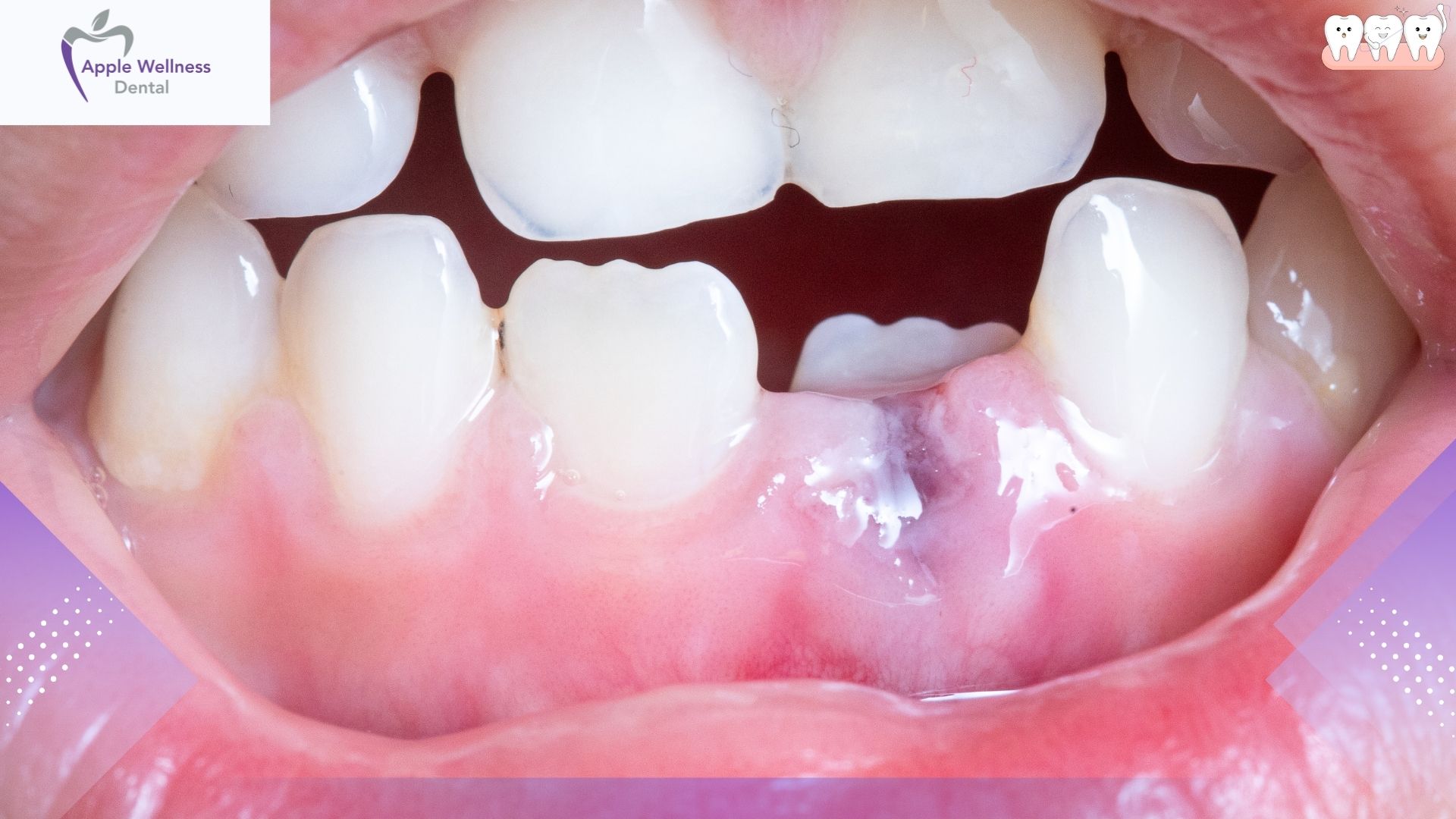
When a tooth is extracted, the immediate focus is often on pain management and healing. However, the long-term focus must shift to structural preservation. The human dentition operates as a highly interdependent system. When one component is removed, the entire structure is compromised.
According to data published by the American Dental Association, patients who fail to replace a missing tooth experience a cascade of oral health issues. The most severe consequence is alveolar bone resorption. The jawbone requires the physical stimulation of chewing forces transmitted through the tooth root to maintain its density. Without this stimulation, the body reabsorbs the bone tissue, leading to a sunken facial appearance.
Furthermore, the teeth adjacent to the extraction site will inevitably begin to drift into the empty space. This mesial drift alters the patient’s bite (occlusion), creating misalignment that makes proper cleaning difficult. The opposing tooth in the opposite jaw may also super-erupt, growing down or up into the gap because it lacks an opposing force to hold it in place. This ultimately increases the risk of temporomandibular joint (TMJ) disorders, advanced periodontal disease, and further tooth loss.
Primary Solutions: How to Fill Gap After Tooth Extraction
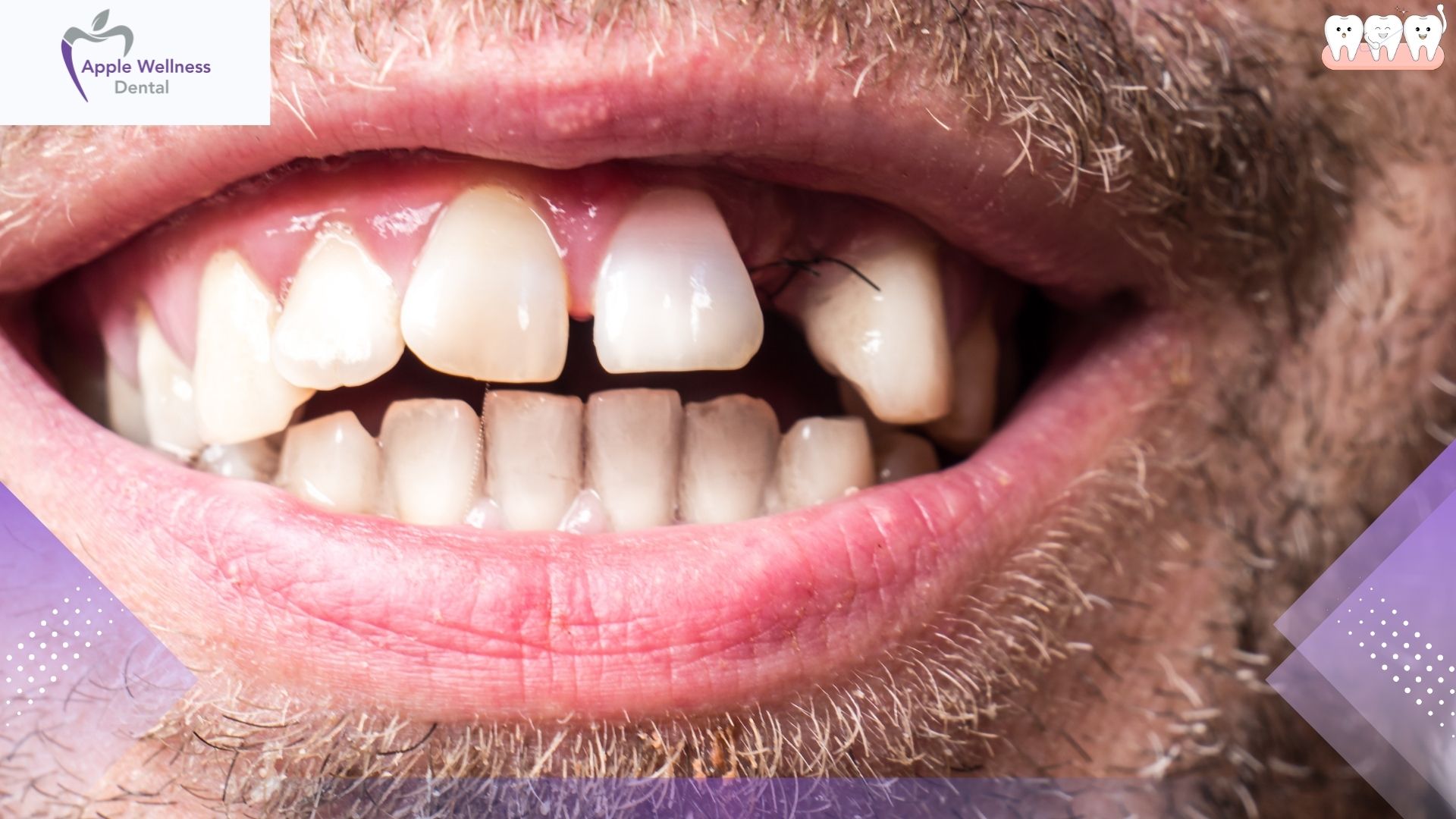
Modern dentistry provides three primary modalities for replacing extracted teeth. Each varies in its biological integration, longevity, and clinical indication. In 2026, advances in restorative materials, such as monolithic zirconia, have dramatically improved both the aesthetics and durability of these options.
1. Endosteal Dental Implants: The Gold Standard
A dental implant is a biocompatible titanium post surgically embedded into the jawbone, serving as an artificial tooth root. After a period of healing, a custom-fabricated crown is attached to the implant via an abutment. As the American Academy of Implant Dentistry notes, implants are the only dental restoration option that actively preserves natural bone structure.
The success of a dental implant relies on a biological process called osseointegration, wherein the bone cells attach directly to the titanium surface, fusing the implant firmly within the jaw. Because an implant operates independently, it does not require the alteration or filing down of adjacent healthy teeth.
2. Fixed Dental Bridges
A traditional dental bridge consists of two dental crowns positioned on the healthy abutment teeth adjacent to the gap, with a false tooth (known as a pontic) suspended between them. Bridges are highly effective for restoring the chewing surface and preventing neighboring teeth from migrating.
While a fixed bridge is a stable, permanent restoration that does not require surgery, it has biological drawbacks. Preparing the abutment teeth requires removing a significant portion of healthy enamel. Additionally, because the pontic simply rests on the gum tissue rather than penetrating the bone, the jawbone directly beneath the missing tooth will still undergo resorption over time.
3. Removable Partial Dentures
For patients seeking an economical or non-invasive alternative, removable partial dentures (RPDs) remain a viable option. An RPD consists of replacement teeth attached to a pink or gum-colored acrylic base, often stabilized by a cast metal framework that clips onto the remaining natural teeth.
While functional and aesthetically pleasing, partial dentures do not provide the same bite force as implants or bridges. They must be removed nightly for cleaning to prevent the accumulation of plaque, which can compromise the supporting teeth and gum tissue.
Comparative Analysis: Choosing the Right Restoration
To evaluate how to fill gap after tooth extraction effectively, patients must weigh longevity against upfront biological and financial costs. The table below outlines the specific characteristics of the top three restorative methods.
| Clinical Feature | Dental Implant | Fixed Bridge | Partial Denture |
|---|---|---|---|
| Bone Preservation | Excellent (stimulates bone) | Poor (bone continues to resorb) | Poor |
| Impact on Adjacent Teeth | None | Requires shaving healthy enamel | Stress from metal clasps |
| Expected Longevity | 25+ Years / Lifetime | 10 to 15 Years | 5 to 7 Years |
| Masticatory Function | 100% of natural bite force | ~80% of natural bite force | ~30% of natural bite force |
| Treatment Timeline | 3 to 6 Months | 2 to 4 Weeks | 2 to 4 Weeks |
Step-by-Step Timeline for Replacing an Extracted Tooth
Patients frequently ask how quickly they can restore their smile after an extraction. The process is strictly governed by biology and the body’s natural healing timeline. Fast-tracking restorative work can lead to complications such as implant failure or poorly fitting prosthetics.
- Initial Extraction and Socket Preservation (Day 1): During the extraction, the surgeon may place a bone graft into the empty socket. This prevents the socket walls from collapsing and preserves the ridge dimensions for future implant placement.
- Soft Tissue Healing (Weeks 1 to 3): The gingival (gum) tissue closes over the extraction site. During this phase, patients must adhere strictly to soft diets and avoid creating negative pressure in the mouth, which could dislodge the blood clot and cause alveolar osteitis (dry socket).
- Bone Remodeling and Hard Tissue Healing (Months 1 to 4): The bone graft integrates, and the jawbone begins to densify. According to the American Academy of Periodontology, achieving adequate bone density is the most critical precursor to successful implant placement.
- Implant Placement and Osseointegration (Months 4 to 8): If proceeding with an implant, the titanium post is surgically placed. The integration process requires an additional 12 to 16 weeks, during which a temporary cosmetic flipper may be worn to mask the gap.
- Final Restoration Delivery (Month 9): Once osseointegration is confirmed via radiographic imaging, the custom permanent crown, bridge, or denture is securely affixed, restoring full functional capacity.
Temporary Solutions During the Healing Phase
It is rarely acceptable to leave a visible gap in the aesthetic zone (the front teeth) while waiting for an implant to integrate. Dentists utilize several temporary options to ensure patients maintain their confidence and normal speech patterns during the 4 to 6-month healing window.
An acrylic removable partial denture, commonly known as a ‘flipper,’ is the most widely utilized temporary solution. It is lightweight, inexpensive, and fabricated prior to the extraction, meaning the patient leaves the clinic with the gap already concealed. Another temporary option is an Essix retainer, which resembles a clear orthodontic aligner with a false tooth painted inside the missing space. This prevents adjacent teeth from shifting while entirely avoiding any pressure on the healing surgical site.
Financial Considerations and Long-Term Value
The upfront cost of replacing a tooth varies drastically based on the chosen modality. While a removable partial denture represents the lowest initial financial barrier, its short lifespan (averaging 5 to 7 years) and lower functional capacity often result in higher long-term replacement costs.
According to the Centers for Disease Control and Prevention, poor oral health and untreated tooth loss are directly correlated with decreased nutritional intake and lower systemic health outcomes. Investing in a permanent restoration like a dental implant—while carrying a higher initial fee—offers a lifetime return on investment. Furthermore, many modern dental insurance plans in 2026 recognize the medical necessity of implants and offer substantial coverage for the surgical and restorative phases.
Conclusion
Understanding how to fill gap after tooth extraction is an empowering first step toward reclaiming your oral health. Whether your clinical situation calls for a state-of-the-art dental implant, a reliable fixed bridge, or a functional partial denture, leaving an extraction site empty is never the medically sound choice. By acting promptly, you preserve your jawbone structure, maintain the alignment of your natural bite, and safeguard your confident smile. If you are preparing for a tooth extraction or are living with a missing tooth, contact us today to schedule a comprehensive restorative consultation and discover the best path forward for your specific clinical needs.
Frequently Asked Questions
How long can you safely wait to fill the gap after a tooth extraction?
While soft tissue heals in about three weeks, bone loss begins almost immediately. Dentists strongly recommend placing an implant or beginning the restoration process within three to six months to prevent severe bone resorption and shifting of adjacent teeth.
Can I get a dental implant on the same day as my tooth extraction?
In certain clinical scenarios, an “immediate implant” can be placed directly into the socket immediately following extraction. However, this depends heavily on the presence of adequate bone density and the total absence of active infection.
Is a dental bridge better than an implant?
A dental implant is generally superior because it preserves jawbone health and does not damage adjacent teeth. However, a bridge is a faster alternative and may be recommended if the neighboring teeth already require crowns due to extensive decay.
Does a missing back tooth really need to be replaced?
Yes. Even though a missing molar is not visible when you smile, it plays a massive role in mastication. A missing back tooth causes bite collapse, forces front teeth to absorb uncharacteristic chewing pressures, and leads to TMJ dysfunction.
What is the cheapest way to replace a missing tooth?
A removable partial denture, specifically an acrylic “flipper,” is the most cost-effective method to fill a gap. However, it is generally considered a temporary solution due to its fragility and lower functional bite force.
What happens if I never replace an extracted tooth?
Failure to replace a missing tooth results in a 25% loss of bone width within the first year, drifting of neighboring teeth, increased risk of cavities and gum disease in adjacent teeth, and eventual alteration of your facial structure.