
Post-Extraction Diet: The Definitive 2026 Guide to Eating Soft Foods Safely
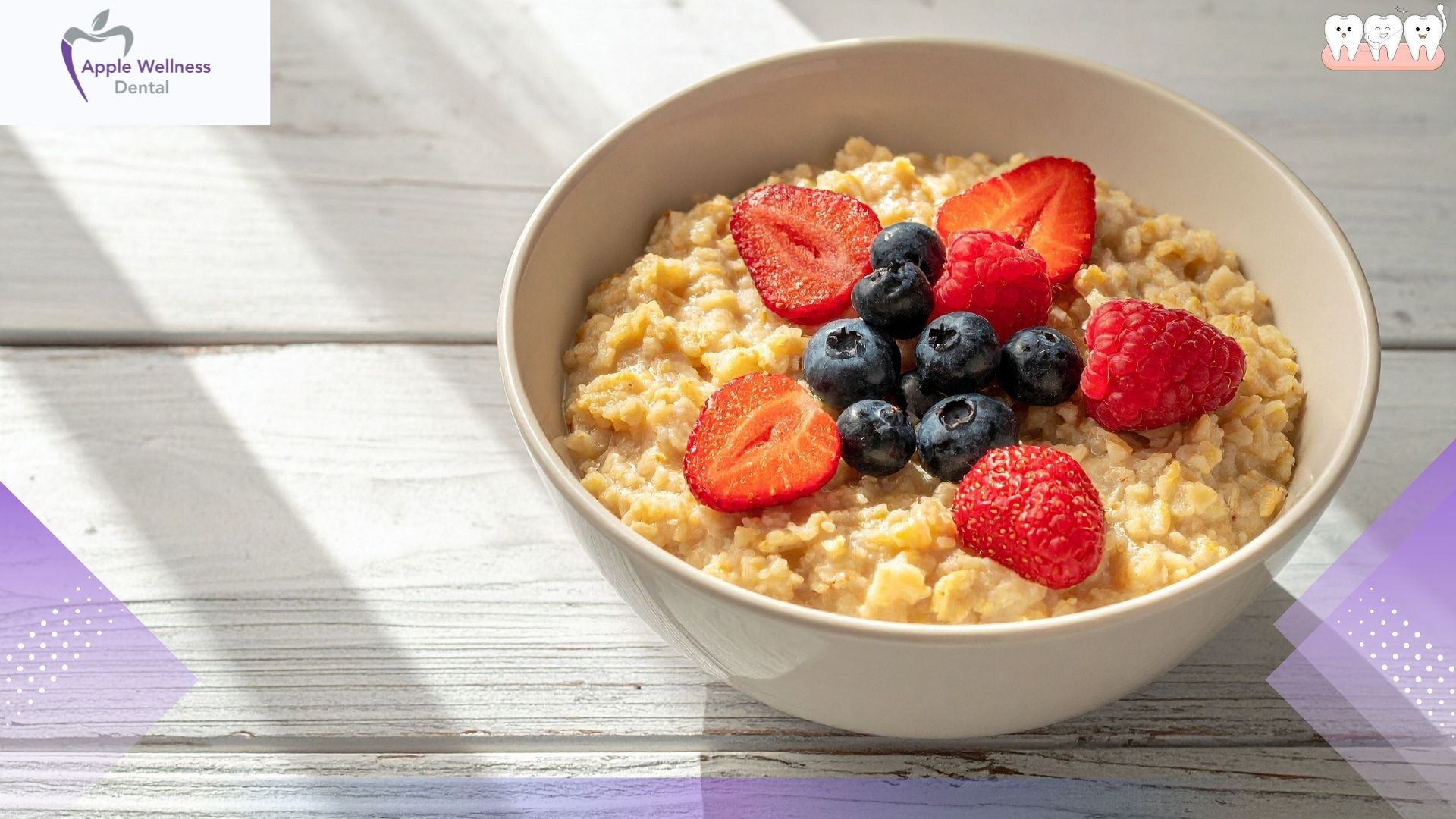
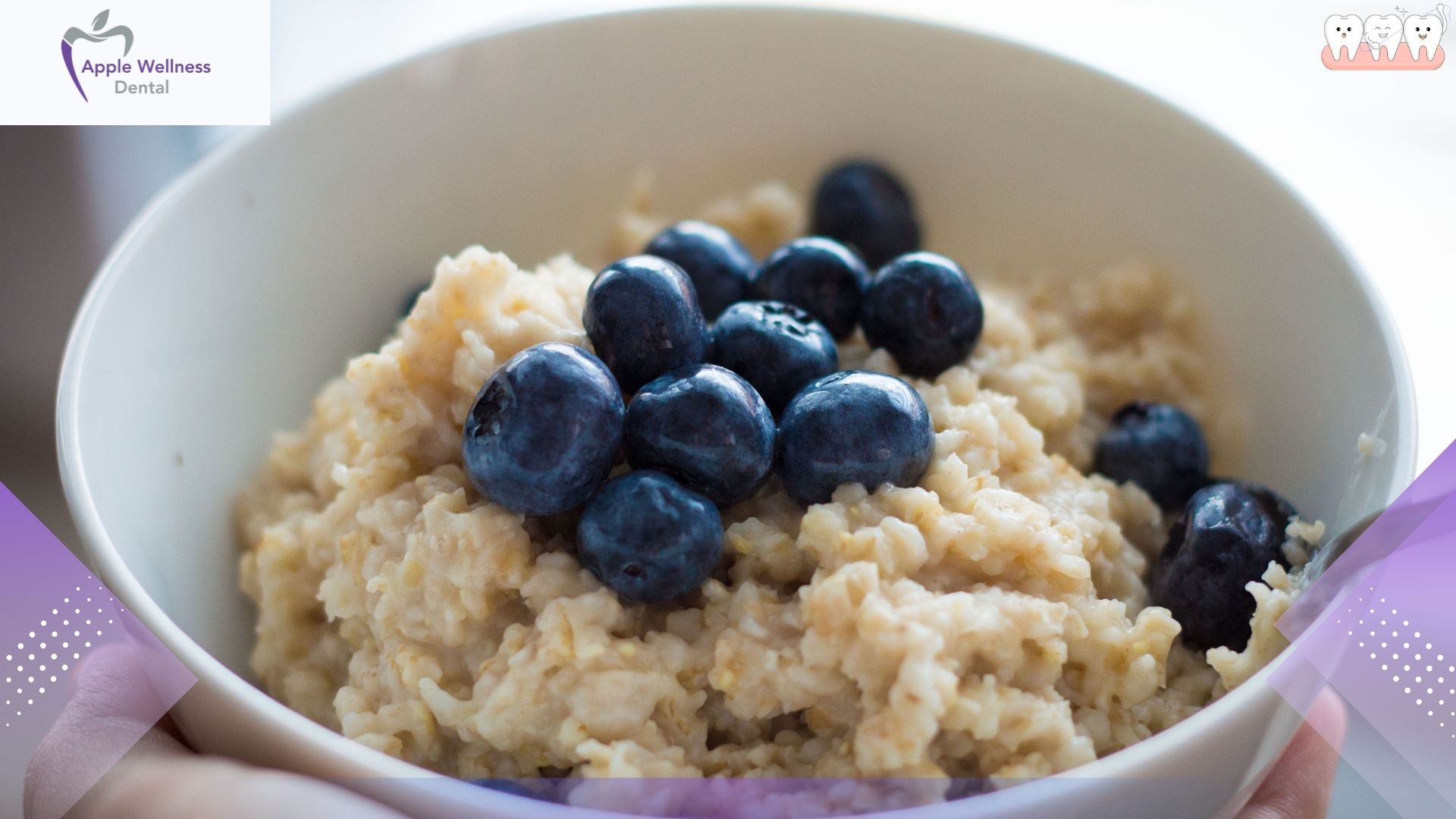
Can I eat oatmeal after tooth extraction? Yes, you absolutely can. When prepared correctly, oatmeal is an exceptional dietary choice following oral surgery. Because it requires minimal mastication (chewing) and provides a dense source of essential vitamins and minerals, oatmeal serves as an ideal recovery food. However, patients must strictly adhere to specific temperature and texture guidelines to protect the delicate blood clot forming in the extraction site.
Key Takeaways
- Temperature is crucial: Never eat hot oatmeal. It must be lukewarm or room temperature to prevent dislodging the blood clot.
- Texture matters: Prepare the oatmeal so it is exceptionally smooth and soupy. Do not use thick or sticky consistencies.
- Avoid mix-ins: Do not add nuts, seeds, or chewy fruits, as these particles can become trapped in the surgical site.
- Never use a straw: Eat your thinned oatmeal with a spoon. The suction from a straw can cause alveolar osteitis (dry socket).
- Wait for anesthesia to wear off: Wait at least 2 to 3 hours post-surgery before eating to avoid accidentally biting your cheek or tongue.
The Science of Tooth Extraction Recovery
To understand why food choices like oatmeal are critical, it is important to understand the biological healing process of an extraction site. Immediately after a tooth is pulled, your body begins a complex sequence of physiological responses to protect the exposed jawbone and nerves.
Within the first 24 to 48 hours, a fibrin network forms a blood clot in the empty socket. This blood clot is the foundation of your recovery. It acts as a protective scab, shielding underlying bone and nerves from bacteria, air, and food debris. Furthermore, this clot contains osteoblasts (bone-forming cells) and fibroblasts (connective tissue cells) that eventually rebuild the area.
According to clinical data published by the American Dental Association (ADA), maintaining the integrity of this blood clot is paramount to preventing alveolar osteitis, commonly known as dry socket. Statistics show that dry socket occurs in 2% to 5% of standard tooth extractions, but the risk surges to 20% to 30% for impacted mandibular third molars (lower wisdom teeth). If the clot is dissolved by hot liquids or dislodged by mechanical force, the resulting exposure is incredibly painful and delays healing by weeks.
Why Oatmeal is an Excellent Post-Op Food
During the initial 5 to 7 days post-surgery, patients are typically restricted to a soft food diet. This restriction can make it challenging to consume enough calories and nutrients to fuel the body’s immune response and tissue repair mechanisms. As emphasized in dietary guidelines from the World Health Organization (WHO), “adequate intake of dietary fiber and essential nutrients accelerates the body’s recovery mechanisms.”
Oatmeal bridges this nutritional gap perfectly. According to the Mayo Clinic, a standard half-cup serving of dry oats contains approximately 4 grams of dietary fiber, 5 grams of protein, and a robust profile of vitamins and minerals including iron, magnesium, and zinc.
Additionally, oats contain a unique soluble fiber called beta-glucan. Beta-glucan has been clinically proven to improve satiety, meaning a bowl of oatmeal will keep you feeling full longer than a bowl of clear broth or a serving of plain gelatin. When you cannot chew solid meals, maintaining satiety is vital for patient comfort and preventing the temptation to eat hard foods too early.
Crucial Rules for Eating Oatmeal Safely
While the answer to “can I eat oatmeal after tooth extraction” is a resounding yes, the preparation method dictates whether it is safe or hazardous. Follow these four mandatory steps to protect your extraction site:
1. Let it Cool Down (Temperature Control)
This is the most critical rule. Heat promotes vasodilation (the widening of blood vessels) and can actively dissolve the delicate fibrin network holding your blood clot together. Current 2026 dental guidelines strongly advise consuming foods at room temperature or colder for the first 48 hours. Ensure your oatmeal is lukewarm or completely cooled before taking the first bite.
2. Make it Extremely Soupy
Standard oatmeal can be thick, sticky, and require slight chewing or aggressive manipulation with the tongue. To avoid this, dilute your oatmeal with extra milk, almond milk, or water. The final consistency should resemble a thick soup or a very loose pudding. You want to be able to swallow it directly without needing to chew.
3. Avoid All Chewy or Crunchy Mix-ins
It is tempting to flavor your oatmeal with healthy additions, but you must resist. Nuts, chia seeds, flaxseeds, and berries with tiny seeds (like raspberries or strawberries) are strictly prohibited. These tiny particles can easily fall into the extraction socket, bypass the healing tissue, and cause a severe infection. Stick to smooth flavorings like honey, a dash of cinnamon, or smooth maple syrup.
4. Do Not Use a Straw
If you thin your oatmeal to a drinkable consistency, you might consider drinking it through a straw. Do not do this. The negative pressure created in your mouth when sucking through a straw is one of the leading mechanical causes of dislodged blood clots.
Comparison: Best vs. Worst Oatmeal Preparation Methods
To ensure clarity, review this comparison table detailing the safe versus unsafe ways to consume oatmeal during your recovery period.
| Preparation Factor | Safe (Recommended) | Unsafe (Avoid) |
|---|---|---|
| Temperature | Lukewarm or room temperature (under 100°F / 37.8°C) | Steaming hot or warm enough to require blowing on |
| Consistency | Soupy, highly diluted, easily swallowable | Thick, sticky, clumpy, or requiring tongue manipulation |
| Additives | Smooth liquids (honey, syrup), finely ground cinnamon | Walnuts, chia seeds, flaxseeds, granola, berry seeds |
| Consumption Method | Eaten slowly with a spoon | Sucked through a straw |
A Dentist’s Timeline for Reintroducing Foods
Navigating the soft food diet requires patience. While oatmeal is a staple, understanding when to introduce different food textures is essential for a smooth recovery.
Days 1 to 2: The Critical Phase
During the first 48 hours, your primary goal is clot stabilization. As official post-operative literature from the Centers for Disease Control and Prevention (CDC) advises regarding general oral care, “Proper nutrition is critical for tissue healing and immune response after oral surgeries.” During this window, stick strictly to liquid and ultra-soft foods. Soupy, lukewarm oatmeal, cold yogurt, applesauce, and blended protein shakes are your best options. Avoid anything requiring chewing. Wait at least 2 hours after your surgery before attempting to eat, ensuring the local anesthesia has completely worn off so you do not bite your oral tissues.
Days 3 to 4: The Granulation Phase
By day three, healthy granulation tissue begins to form over the clot. You can start introducing slightly thicker soft foods. Your oatmeal can be prepared with a more traditional consistency, though it should still be lukewarm. Scrambled eggs, mashed potatoes, and soft-cooked pasta are generally safe to introduce. Continue to chew on the opposite side of your mouth from the extraction site. As guidelines from leading medical authorities state, “Avoid chewing on the side of your mouth where the extraction occurred until the area heals.”
Days 5 to 7: Returning to Normalcy
Most patients begin feeling significantly better by day five. The soft food diet typically lasts 5 to 7 days in total. You can slowly reintroduce solid foods, but continue to avoid hard, crunchy, or heavily seeded items (like popcorn or hard taco shells) for at least two to three weeks, as the underlying bone is still actively remodeling.
What Happens If Food Gets Stuck in the Extraction Hole?
Despite your best efforts, a stray piece of soft food might find its way into the extraction socket. If this happens, do not panic, and absolutely do not use a toothpick, water flosser, or your finger to dig it out. Mechanical interference will destroy the blood clot.
Instead, rely on gentle saline rinses. You are generally advised not to rinse aggressively for the first 24 hours. After 24 hours, you can create a gentle saltwater rinse by mixing 1/2 teaspoon of salt into 8 ounces of warm water. Gently tilt your head side to side to let the liquid wash over the socket and passively let it fall out of your mouth into the sink. Do not spit forcefully. The natural flushing action of the saline will typically dislodge trapped soft foods safely while promoting an antibacterial environment.
Other Soft Foods to Complement Your Diet
While oatmeal is a fantastic option, you will want variety to ensure you consume a broad spectrum of nutrients during your 2026 recovery protocol. Consider incorporating the following safe foods into your post-extraction meal plan:
- Greek Yogurt: High in protein and probiotics, naturally smooth, and served cold.
- Mashed Potatoes: Calorie-dense and easy to swallow. Ensure they are completely smooth with no potato skins.
- Blended Soups: Tomato, butternut squash, or blended chicken noodle soup (served lukewarm, never hot).
- Applesauce: Provides natural sugars and vitamin C without any chewing required.
- Scrambled Eggs: Soft, easily mashable, and an excellent source of healthy fats and proteins (introduce on day 2 or 3).
FAQ Section
Can I put sugar in my oatmeal after a tooth extraction?
Yes, you can add a moderate amount of refined sugar, honey, or smooth maple syrup to flavor your oatmeal. Ensure the sweetener is fully dissolved so it does not create a gritty texture that could irritate the surgical site.
How long should I wait to eat oatmeal after having a tooth pulled?
You should wait approximately 2 to 3 hours before eating any food, including oatmeal. This allows the local anesthesia to fully wear off, preventing you from accidentally biting your cheek, tongue, or lips.
Is instant oatmeal safe after tooth extraction?
Instant oatmeal is highly recommended because it is generally softer, finer, and easier to digest than steel-cut or rolled oats. Just remember to thin it out with milk or water and let it cool to room temperature.
Can I eat oatmeal on the first day of my wisdom teeth removal?
Yes, oatmeal is perfectly safe on the first day, provided it is extremely soupy and lukewarm or cold. Never eat it hot on the first day, as the heat can melt the newly formed blood clot.
What happens if an oat gets stuck in my wisdom tooth hole?
If an oat gets trapped, do not dig it out with a toothpick. Wait until 24 hours have passed since your surgery, then gently rinse the area with warm saltwater by tilting your head and letting the water fall passively from your mouth.
Why does the oatmeal have to be lukewarm?
Hot temperatures increase blood flow and can dissolve the fibrin that holds your protective blood clot together. Consuming hot foods increases the risk of the clot dislodging, which leads to a painful condition called dry socket.
Conclusion
Recovering from an oral surgery requires diligence, particularly when it comes to your diet. The question of “can I eat oatmeal after tooth extraction” is easily answered: it is one of the best foods you can consume, provided you respect the rules of temperature and consistency. By keeping your oatmeal smooth, lukewarm, and free of crunchy additions, you give your body the caloric fuel it needs to heal rapidly while safeguarding your extraction site against painful complications like alveolar osteitis.
If you have any concerns about your healing process, experience persistent pain, or need personalized dietary advice following your procedure, do not hesitate to reach out to our dental professionals. Contact us today to schedule a follow-up appointment or to speak with our clinical team regarding your post-operative care.
References
- American Dental Association (ADA) – Oral Health and Surgery Recovery Guidelines
- Mayo Clinic – Nutritional Value of Oats and Post-Surgical Diet Recommendations
- World Health Organization (WHO) – Guidelines on Dietary Fiber and Healing
- Centers for Disease Control and Prevention (CDC) – General Oral Health and Infection Prevention