
The Complete Guide to the Dental Veneer Process: Timelines, Steps, and Expectations
How long does it take to get veneers? For most patients seeking traditional porcelain veneers, the complete process takes between two to four weeks from the initial consultation to the final placement. This timeframe typically involves three separate appointments: a preliminary consultation, a tooth preparation and impression visit, and a final bonding session. However, if you opt for composite resin veneers or same-day CEREC technology, your smile makeover can often be completed in just a single afternoon.
Key Takeaways
- Traditional Porcelain Timeline: Expect a 2- to 4-week process spread across three appointments.
- Same-Day Options: Composite resin and CAD/CAM (CEREC) veneers can be completed in a single visit.
- Preparation is Crucial: About 0.3mm to 0.5mm of enamel must be removed for traditional placement.
- Temporary Phase: You will wear temporary acrylic veneers for 1 to 2 weeks while the dental lab crafts your permanent set.
- Prerequisites: Underlying issues like gum disease or tooth decay must be resolved before the veneer process can begin, which may extend your timeline.
The Standard Timeline for Porcelain Veneers

When asking about the timeline for aesthetic dentistry, it is vital to understand that a lasting, natural-looking smile requires precision. According to the American Academy of Cosmetic Dentistry, porcelain veneers are the gold standard for durability and aesthetics, offering a lifespan of 10 to 15 years when properly maintained. Achieving this result is a multi-step process.
Step 1: The Initial Consultation (Day 1)
Your journey begins with a comprehensive evaluation. During this initial visit, your dentist will assess your oral health to ensure you are a suitable candidate. This involves taking X-rays, evaluating your bite alignment, and discussing your aesthetic goals. Advanced practices in 2026 frequently use digital smile design software to show you a simulated “after” photo of your potential new smile before any physical work begins.
Step 2: Preparation and Impressions (Week 1 or 2)
Once you approve the treatment plan, the next appointment is scheduled for tooth preparation. To ensure the veneers sit flush with your natural gum line and do not look bulky, the dentist must remove a microscopic layer of enamel—typically between 0.3 and 0.5 millimeters. Because this alters the tooth structure, local anesthesia is usually applied to guarantee your comfort.
Following preparation, the dentist takes an impression of your teeth. While older methods relied on messy putty, most modern clinics now use high-speed intraoral scanners to capture a highly accurate 3D digital model of your mouth. Before you leave the clinic, your dentist will affix temporary veneers to protect your prepared teeth and reduce sensitivity.
Step 3: Laboratory Fabrication (Weeks 2 to 3)
Your digital impressions are sent to a specialized dental laboratory. Master ceramists use these models to handcraft your custom porcelain veneers, meticulously layering different shades of ceramic to mimic the natural translucency of human enamel. This fabrication process usually takes between 10 and 14 days, though rush services are sometimes available for an additional premium.
Step 4: Final Bonding and Placement (Week 3 or 4)
When your custom veneers arrive, you will return for your final appointment. The dentist will temporarily place the veneers on your teeth to verify the fit, shape, and color. Minor adjustments can be made chairside. Once both you and the dentist are satisfied, the teeth are cleaned, polished, and etched to create a strong bonding surface. A specialized dental cement is applied, and an ultraviolet curing light is used to harden the adhesive instantly.
Comparing Veneer Materials and Their Timelines
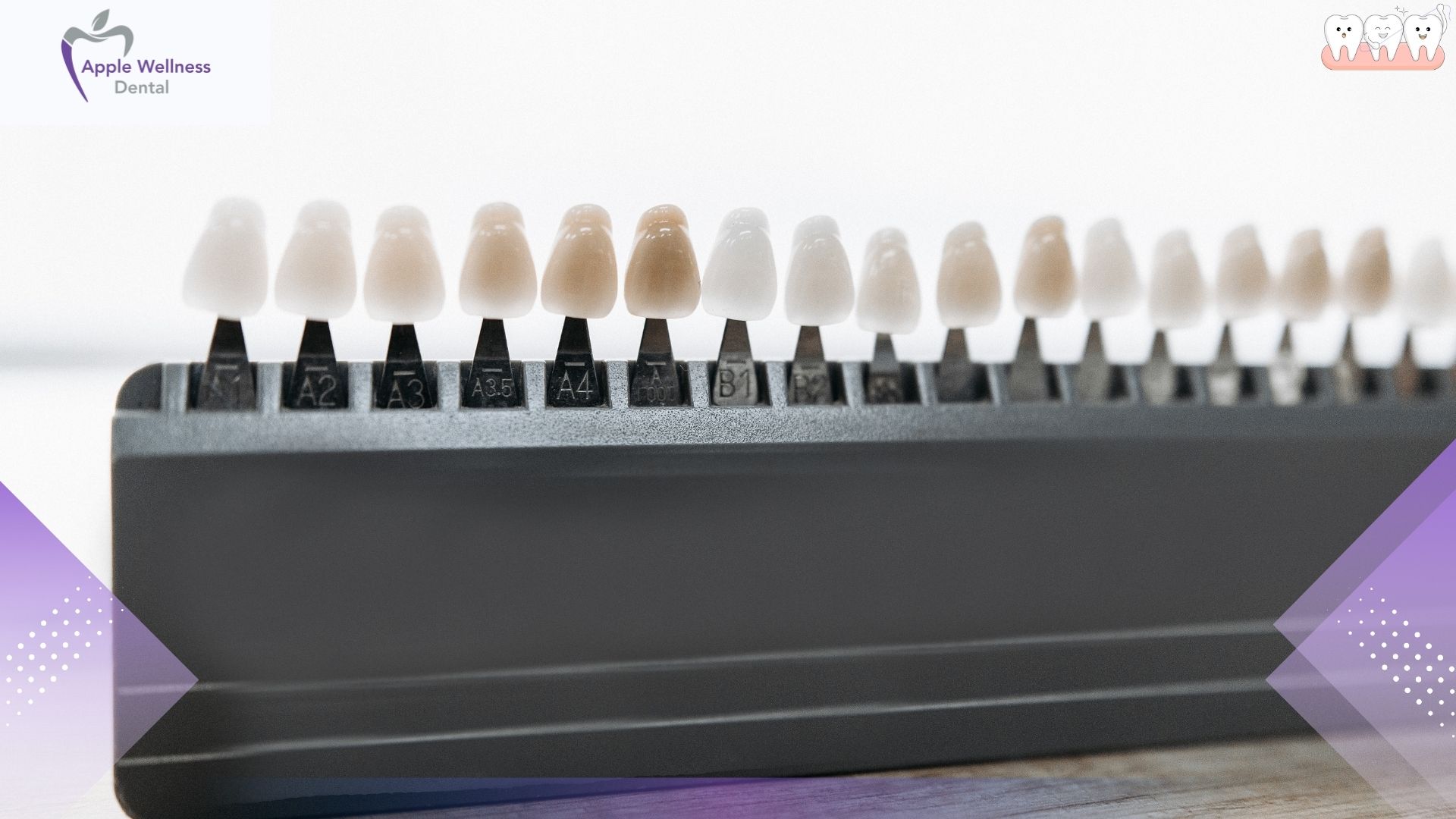
The type of material you select plays the most significant role in determining your timeline. As dental technology has advanced into 2026, patients have more options than ever before.
| Veneer Type | Expected Timeline | Lifespan | Key Characteristic |
|---|---|---|---|
| Traditional Porcelain | 2 to 4 weeks | 10 – 15+ years | Highest durability and natural translucency. |
| Composite Resin | 1 day (Single visit) | 5 – 7 years | Cost-effective, minimally invasive. |
| Same-Day CEREC | 1 day (2-4 hours) | 10 – 15 years | Milled on-site; no temporary veneers required. |
Same-Day Veneers: The CAD/CAM Revolution
If a two-to-four-week wait seems too long, you might consider same-day veneers. Utilizing Computer-Aided Design and Computer-Aided Manufacturing (CAD/CAM) technology, clinics can bypass the external dental laboratory entirely.
During a CEREC (Chairside Economical Restoration of Esthetic Ceramics) appointment, the dentist prepares the teeth, takes a digital optical scan, and designs the restorations on a computer monitor right next to the chair. These designs are wirelessly transmitted to an on-site milling machine that carves the veneers out of a solid block of high-grade ceramic (often lithium disilicate) in a matter of minutes. As Dr. Gordon Christensen, founder of Clinicians Report, explains regarding modern dental materials: “Lithium disilicate provides an exceptional balance of strength and aesthetic vitality, allowing for beautiful monolithic restorations.”
Factors That Can Delay Your Veneer Timeline
While the standard process takes roughly a month, certain clinical factors can significantly extend your timeline. Aesthetic dentistry must be built upon a foundation of excellent oral health. The American Dental Association firmly advises that restorations should only be placed on healthy tissue.
1. Untreated Gum Disease (Periodontitis)
If you have active gingivitis or periodontitis, your gums are likely inflamed and prone to bleeding. Taking accurate impressions of swollen gums is impossible, and bonding veneers to teeth surrounded by infected tissue severely compromises the adhesive seal. Treating gum disease can delay your cosmetic procedure by several weeks or even months, depending on the severity of the infection.
2. Active Tooth Decay
Cavities must be excavated and filled before a veneer can be securely placed over the tooth. If a tooth is severely decayed, a veneer may no longer be viable, and a full-coverage dental crown might be recommended instead.
3. Bite Alignment and Bruxism
Patients who suffer from severe bruxism (teeth grinding) or significant malocclusion (bite misalignment) present a unique challenge. Porcelain is strong but brittle; chronic grinding can chip or fracture the ceramics. In these cases, a dentist may require you to undergo a short course of clear aligner therapy or wait for the fabrication of a custom nocturnal bite guard, adding to the overall timeline.
What to Expect While Wearing Temporary Veneers
For the 10 to 14 days you wait for your final porcelain restorations, you will wear temporaries made from acrylic or composite materials. This is often described by patients as the most challenging part of the timeline.
Temporary veneers serve a functional purpose: they seal the exposed dentin to prevent acute sensitivity to hot and cold temperatures, and they give you a “test drive” of your new smile. However, because they are designed to be easily removed during your final appointment, they are adhered with a relatively weak temporary cement.
During this phase, you must strictly follow dietary guidelines. Avoid hard, crunchy foods like apples and nuts, and steer clear of heavily pigmented foods such as red wine, coffee, and turmeric, as temporary acrylic is highly porous and stains easily.
Expert Insights on the Veneer Procedure
Understanding the clinical philosophy behind the procedure helps contextualize the timeline. Renowned clinicians consistently emphasize that rushing the diagnostic phase leads to inferior long-term results. As Dr. Frank Spear, leading dental educator at Spear Education, notes in his clinical teachings: “The success of aesthetic restorations is deeply tied to meticulous planning and allowing adequate time for tissue response.”
Statistically, research published by the American College of Prosthodontists indicates that porcelain veneers boast a success rate of over 91% over a 10-year period, provided the clinical protocols—including appropriate preparation and curing times—are strictly adhered to.
Post-Procedure Care and Maximizing Longevity
Once your final veneers are bonded, the timeline transitions from fabrication to maintenance. The immediate recovery time is virtually zero; you can resume normal activities and eating habits the moment you leave the office. However, to ensure your investment lasts the expected 15 years, you must adopt excellent oral hygiene habits.
- Use a Non-Abrasive Toothpaste: Highly abrasive whitening toothpastes can scratch the polished surface of the porcelain, dulling their shine over time.
- Floss Daily: While the veneer itself cannot decay, the natural tooth structure underneath and behind it remains vulnerable to cavities.
- Wear a Night Guard: If you clench your teeth during sleep, a custom occlusal guard is mandatory to protect the ceramics from immense pressure.
- Maintain Regular Dental Cleanings: Professional cleanings every six months allow your dentist to polish the margins and ensure the bonding cement remains completely sealed.
Frequently Asked Questions (FAQ)
Do veneers ruin your natural teeth?
No, they do not ruin your teeth, but the process is irreversible. A very thin layer of enamel (about 0.3mm to 0.5mm) must be permanently removed to make room for the restoration. The remaining tooth remains healthy and protected under the ceramic shell.
Are temporary veneers uncomfortable?
They can take a few days to get used to. They may feel slightly bulkier than your natural teeth or the final porcelain restorations, and you might experience mild sensitivity to temperature changes, but they should not cause acute pain.
How long do composite veneers take?
Composite resin veneers are almost always completed in a single dental visit. The dentist applies the tooth-colored resin directly to your teeth, sculpts it into the desired shape, and cures it with a specialized light in one sitting.
Can I speed up the traditional veneer process?
Some dental laboratories offer “rush” fabrication for an additional fee, potentially reducing the wait time from two weeks to three or four days. However, you must still attend the separate preparation and bonding appointments.
Does the procedure hurt?
The procedure is generally pain-free. Local anesthesia is administered during the enamel preparation phase to eliminate discomfort. You may experience minor gum soreness for a few days following the final placement.
Conclusion
When considering a smile makeover, understanding the timeline is a critical part of the planning process. Whether you opt for the rapid, single-day convenience of CEREC technology or the meticulous, multi-week artisanship of traditional porcelain, the outcome is designed to be a permanent, transformative enhancement to your appearance. Rushing the process often yields subpar results, so patience during the temporary phase is well rewarded by a beautiful, enduring smile.
If you are ready to begin your journey to a more confident smile, the first step is scheduling a thorough consultation. Contact us today to speak with our aesthetic dental team and discover which timeline and treatment plan is right for your unique goals.
References
- American Dental Association (ADA) – Patient guidelines on cosmetic restorations. https://www.ada.org
- American Academy of Cosmetic Dentistry (AACD) – Data on aesthetic dentistry lifespan and procedures. https://www.aacd.com
- American College of Prosthodontists (ACP) – Research on ceramic restoration success rates and durability. https://www.prosthodontics.org