
The Complete Guide to Dental Veneer Costs and Materials in 2026
When patients ask, “how much to veneers cost,” they are usually surprised to learn that the answer depends on several intersecting factors, including the material chosen, the clinician’s expertise, and the geographic location of the practice. As of 2026, transforming your smile with dental veneers is an investment in both oral function and facial aesthetics. Expect to pay anywhere from $400 for a direct composite veneer to over $2,500 for a premium, master-ceramist crafted porcelain veneer. Because cosmetic dentistry is highly customized, the final financial commitment relies heavily on your specific anatomical needs and aesthetic goals.
Key Takeaways
- Porcelain veneers average $1,200 to $2,800 per tooth in 2026, offering superior durability and stain resistance.
- Composite resin veneers provide a more budget-friendly option, ranging from $400 to $1,500 per tooth.
- Lifespan varies significantly by material: high-quality porcelain typically lasts 10 to 15 years, while composite lasts 5 to 7 years.
- Dental insurance rarely covers veneers when they are applied strictly for cosmetic enhancements, though exceptions exist for structural repairs.
- Choosing a highly qualified cosmetic dentist and a dedicated master ceramist impacts the overall price but guarantees better long-term clinical success.
Understanding Dental Veneers: Beyond the Basics
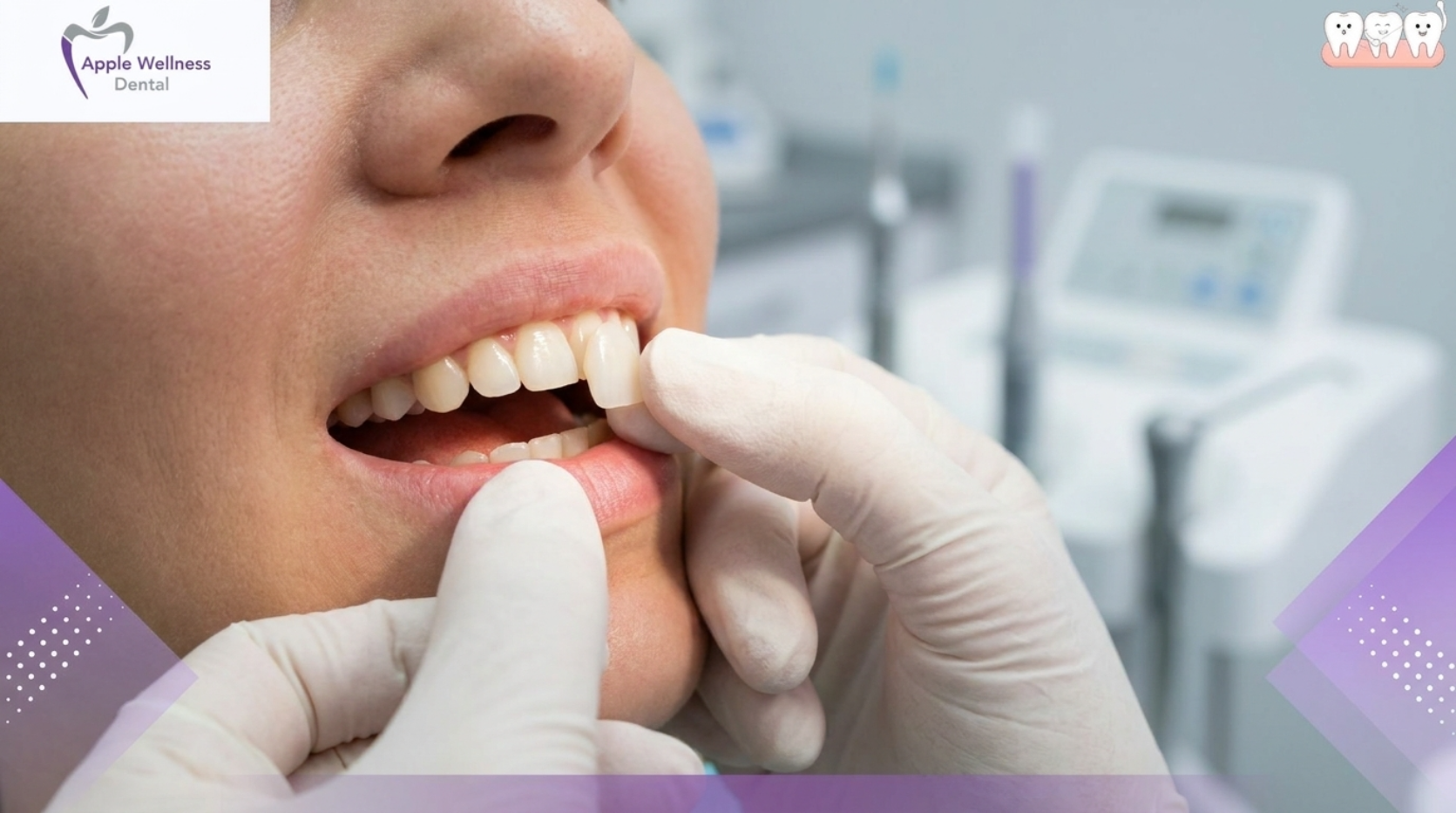
Dental veneers are ultra-thin, custom-fabricated shells designed to cover the facial (front) surface of teeth. They are widely utilized in modern restorative and cosmetic dentistry to correct a myriad of imperfections, including severe discoloration, chipped enamel, diastemas (gaps), and minor misalignments. The process blends precise engineering with artistic vision, requiring a clinician to carefully evaluate the patient’s occlusion, facial symmetry, and gingival architecture.
According to the American Academy of Cosmetic Dentistry (AACD), “Veneers are thin, custom-made shells of tooth-colored materials designed to cover the front surface of teeth to improve your appearance.” This foundational definition highlights their primary purpose: aesthetic enhancement coupled with functional protection. In 2026, advancements in digital smile design and CAD/CAM (Computer-Aided Design and Computer-Aided Manufacturing) technology have made the fabrication of these restorations more precise than ever before.
However, not all veneers are created equal. The choice of material dictates not only the aesthetic outcome but also the biological cost to the natural tooth structure. Materials range from traditional feldspathic porcelain and modern lithium disilicate (E-max) to direct composite resins. Each material possesses distinct optical properties, such as translucency, opalescence, and fluorescence, which must be carefully matched to the surrounding natural dentition.
Average Cost Breakdown by Material in 2026
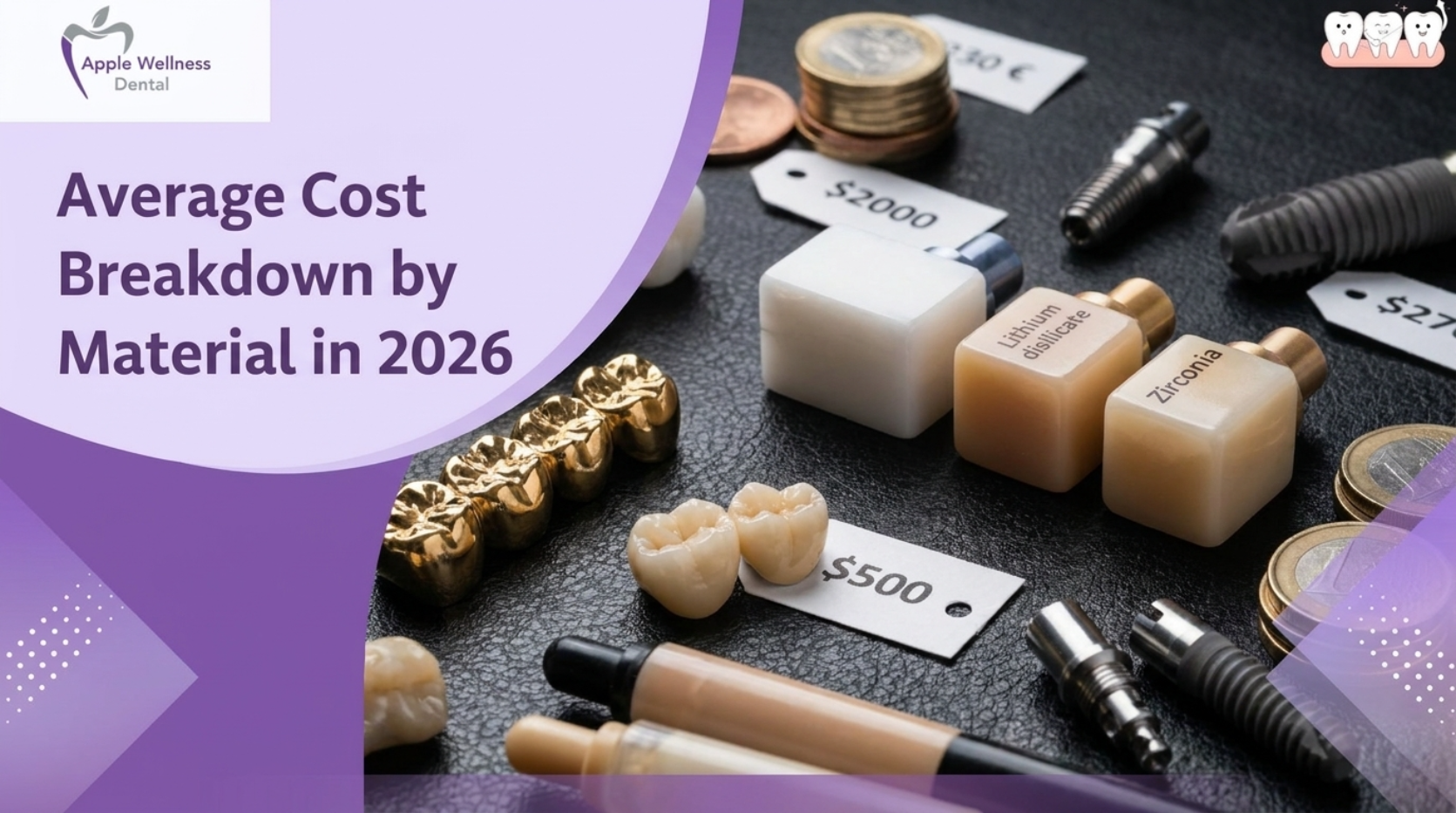
To accurately address the financial considerations of this treatment, it is essential to categorize pricing based on the materials utilized. The table below outlines the national average costs per tooth as of 2026. Keep in mind that a standard “smile makeover” typically involves 6 to 8 teeth across the visible aesthetic zone.
| Veneer Material | Average Cost Per Tooth (2026) | Expected Lifespan | Key Characteristics |
|---|---|---|---|
| Direct Composite Resin | $400 – $1,500 | 5 – 7 Years | Applied directly to the tooth; requires less enamel removal; prone to staining over time. |
| Standard Porcelain | $1,200 – $2,500 | 10 – 15 Years | Highly aesthetic and stain-resistant; requires laboratory fabrication and minimal enamel reduction. |
| Lithium Disilicate (E-max) | $1,500 – $2,800 | 15+ Years | Exceptional strength and translucency; ideal for patients who clench or grind. |
| No-Prep (e.g., Lumineers) | $1,000 – $2,000 | 10 – 20 Years | Ultra-thin; requires little to no tooth preparation; may feel slightly bulkier depending on the case. |
It is critical to note that while composite veneers have a lower upfront cost, their shorter lifespan and susceptibility to marginal degradation mean they may cost more over a patient’s lifetime due to frequent replacements.
Crucial Factors Influencing Veneer Prices
Several variables contribute to the final quotation provided during a cosmetic consultation. Understanding these factors can help patients navigate their treatment plans and make informed financial decisions.
1. Geographic Location
The overhead costs of running a dental practice vary wildly depending on the region. A high-end clinic in a major metropolitan area will naturally charge more than a standard practice in a suburban or rural setting. This discrepancy accounts for higher commercial rent, staff salaries, and the general cost of living in that specific area.
2. The Clinician’s Expertise
Cosmetic dentistry is as much an art as it is a science. Dentists who have invested hundreds of hours in continuing education, particularly in advanced restorative techniques, will command higher fees. Dr. Frank Spear, a widely recognized authority in dental education, teaches that “the predictability of an aesthetic restoration relies on conservative preparation and a deep understanding of occlusion.” Clinicians who follow these rigorous standards invest heavily in their skills, which is reflected in their pricing.
3. The Master Ceramist and Laboratory Fees
Exceptional porcelain veneers are handcrafted by master ceramists in specialized dental laboratories. These technicians layer different shades and opacities of porcelain to mimic the natural anatomy of a tooth. High-end laboratories charge the dentist a premium for this bespoke service, which is subsequently passed on to the patient. A cheap veneer is often monochromatic and opaque, resembling a “Chiclet,” whereas a premium veneer is virtually indistinguishable from a natural tooth.
Are Veneers Covered by Dental Insurance?
One of the most common questions surrounding restorative dentistry is whether insurance will subsidize the cost. The short answer is usually no. Because veneers are predominantly considered an elective cosmetic procedure, traditional dental insurance plans do not provide coverage.
However, there are rare exceptions. If a veneer is deemed medically necessary—for example, to restore a tooth that has suffered significant structural trauma, severe enamel hypoplasia, or decay—an insurance provider might cover a portion of the cost, often categorizing it similarly to a dental crown. According to guidelines set forth by the American Dental Association (ADA), “Because it’s necessary to remove a small amount of enamel from your teeth to accommodate the shell, placing veneers is usually an irreversible process.” If the procedure is required to protect the remaining tooth structure, a narrative from the dentist and preoperative radiographs may secure partial reimbursement.
For patients paying out of pocket, many practices offer third-party financing options such as CareCredit or specialized health loans, which allow the cost to be spread over 12 to 24 months with zero or low interest.
Step-by-Step Guide: The Veneer Placement Process
Getting veneers is not a single-appointment procedure. It requires meticulous planning and clinical precision. Here is the standard protocol for receiving porcelain veneers in 2026:
- Comprehensive Consultation and Digital Smile Design: The process begins with a thorough examination, clinical photographs, and digital scans. Using modern software, the dentist can create a “virtual wax-up,” allowing the patient to see a 3D rendering of their projected smile before any physical work begins.
- The Trial Smile (Mock-up): A temporary composite resin material is often placed over the teeth to test the aesthetics and function of the proposed design. This allows the patient to “test drive” their new smile and request modifications to the length, shape, or color.
- Tooth Preparation: Once the design is approved, the teeth are prepared. This involves removing approximately 0.3mm to 0.5mm of the facial enamel to ensure the final veneers do not look bulky and to create a strong mechanical bond. Local anesthesia is administered to ensure profound numbness.
- Impressions and Temporization: High-precision digital impressions (using an intraoral scanner) are taken and sent to the ceramist. The dentist then fabricates and bonds temporary veneers to protect the prepared teeth and prevent sensitivity while the permanent restorations are being made.
- Final Try-in and Bonding: After 2 to 3 weeks, the patient returns. The temporaries are removed, and the permanent veneers are tried in with a try-in paste. Once the fit, margins, and aesthetics are verified, the teeth are isolated, etched, and coated with a bonding agent. The veneers are then permanently affixed using a dual-cure or light-cure resin cement, followed by meticulous polishing of the margins.
The Long-Term Value: Replacement and Maintenance
While the initial cost is substantial, the long-term value of a beautifully executed smile makeover is immeasurable for many patients, impacting their confidence, professional lives, and overall well-being. However, veneers are not invincible. They require dedicated home care and professional maintenance.
To maximize the lifespan of these restorations, patients must practice excellent oral hygiene. This includes brushing twice daily with a non-abrasive toothpaste, as abrasive formulas can scratch the porcelain surface, compromising its gloss and leading to stain accumulation. Flossing daily is non-negotiable to prevent decay at the margins where the veneer meets the natural tooth root.
Furthermore, the Canadian Dental Association emphasizes the importance of protecting dental work from parafunctional habits. If a patient is prone to bruxism (teeth grinding or clenching), the dentist will mandate the use of a custom-fitted occlusal guard (night guard) to wear during sleep. The sheer bite force generated during nocturnal grinding can easily fracture even the strongest lithium disilicate porcelain.
Frequently Asked Questions (FAQ)
Do veneers ruin your natural teeth?
When performed by a skilled conservative dentist, veneers do not ruin your teeth. However, because a thin layer of enamel is removed (usually 0.3mm to 0.5mm) to create room for the porcelain, the procedure is considered irreversible. The underlying tooth remains vital and healthy but will always require a restoration.
Are veneers painful to get?
The procedure is typically not painful. Local anesthetics are utilized during the preparation phase to ensure the patient feels no discomfort. Some minor post-operative sensitivity to hot and cold temperatures is normal and usually subsides within a few weeks as the teeth acclimate.
Can I whiten my veneers if they get stained?
No, dental porcelain and composite resins do not respond to traditional bleaching agents like hydrogen peroxide. If your veneers become heavily stained or discolored over time, they must be professionally polished or entirely replaced. This is why non-porous porcelain is often preferred over composite.
How do I know if I am a good candidate?
Ideal candidates have healthy teeth and gums, adequate remaining enamel, and realistic expectations. Individuals with severe active periodontal disease, massive structural decay, or untreated severe bruxism may need those issues addressed before considering cosmetic enhancements.
What happens if a veneer falls off?
If a veneer debonds, keep it safe and contact your dental office immediately. In many cases, if the veneer is intact and the underlying tooth is healthy, the dentist can easily re-bond it. Do not attempt to reattach it yourself using household adhesives.
Conclusion
Deciding to invest in a smile makeover is a highly personal choice that merges aesthetic desires with financial realities. Understanding the baseline costs, the distinct advantages of various materials, and the clinical expertise required can empower you to make an informed decision. While the upfront investment for premium porcelain may seem steep, the durability, lifelike appearance, and longevity often make it the most cost-effective solution over a lifetime.
If you are ready to take the next step toward your ideal smile and want a precise breakdown of what your unique case would entail, professional guidance is essential. Contact us today to schedule a comprehensive digital smile design consultation and discover how transformative exceptional cosmetic dentistry can be.
References
- American Dental Association (ADA) – Guidelines on restorative and cosmetic procedures.
- American Academy of Cosmetic Dentistry (AACD) – Statistical data on cosmetic dentistry materials and lifespans.
- Canadian Dental Association (CDA) – Recommendations on bruxism and the maintenance of dental restorations.
- WebMD Health Network – General overviews on dental health and elective cosmetic procedures.