
The Complete 2026 Guide: Healing Timelines and Post-Extraction Care
Wondering when can I drink from a straw after tooth extraction? The definitive answer is that you should wait a minimum of 72 hours, though the majority of dental health professionals strongly recommend waiting a full seven days before using a straw. Suction created in your mouth can dislodge the critical blood clot that forms in the empty tooth socket, leading to a severely painful condition known as alveolar osteitis, commonly referred to as dry socket. Allowing your mouth proper time to heal ensures a smooth, pain-free recovery process.
Key Takeaways
- Minimum Wait Time: Avoid straws entirely for at least 72 hours post-extraction.
- Recommended Wait Time: Wait 7 to 14 days for optimal healing, especially after wisdom tooth removal.
- The Core Risk: Using a straw creates intraoral negative pressure, which can tear the protective blood clot from the healing socket.
- Dry Socket Reality: Dislodging the clot exposes bone and nerves, causing severe, radiating pain that requires immediate professional intervention.
- Safe Alternatives: Hydrate using open cups, spoons, or gently pouring liquids without sealing your lips.
- Other Suction Risks: Smoking, vaping, aggressive spitting, and slurping hot soups carry the exact same risks as straw usage.
The Physiology of Tooth Extraction Healing
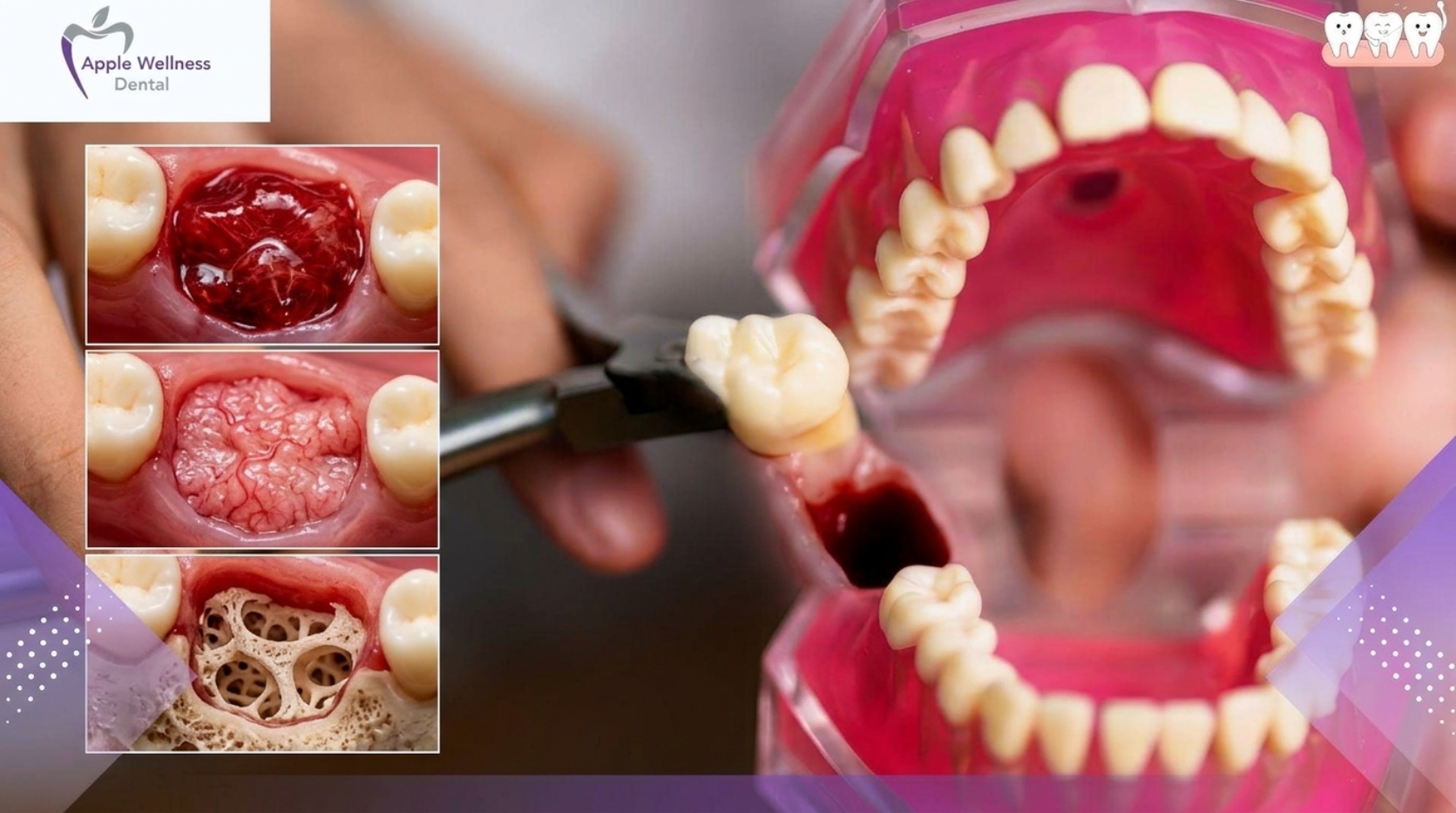
To truly understand why straws pose such a severe threat to your oral recovery, it is essential to understand the biological phases of oral wound healing. When a tooth is removed, your body initiates a rapid defense and repair sequence. Within the first 24 hours, a process called hemostasis occurs. Blood floods the empty socket, and platelets begin to stick together, forming a protective fibrin mesh. This blood clot is the crucial foundation of your entire recovery.
According to researchers at the National Institutes of Health, the clot serves as a biological bandage. It protects the underlying alveolar bone and sensitive nerve endings from the oral environment, which is filled with bacteria, food particles, and changing temperatures. More importantly, this clot acts as a structural scaffold. Over the following days, your body sends fibroblasts and osteoblasts into the clot, which slowly replace the temporary fibrin mesh with granulation tissue and, eventually, new bone.
If this clot is lost prematurely—whether through physical trauma, infection, or the negative pressure from a straw—the healing process completely halts. The body cannot easily form a new clot once the initial 24-hour window has passed, leaving the bone directly exposed to the mouth.
The Physics of Suction: Why Straws Are Dangerous
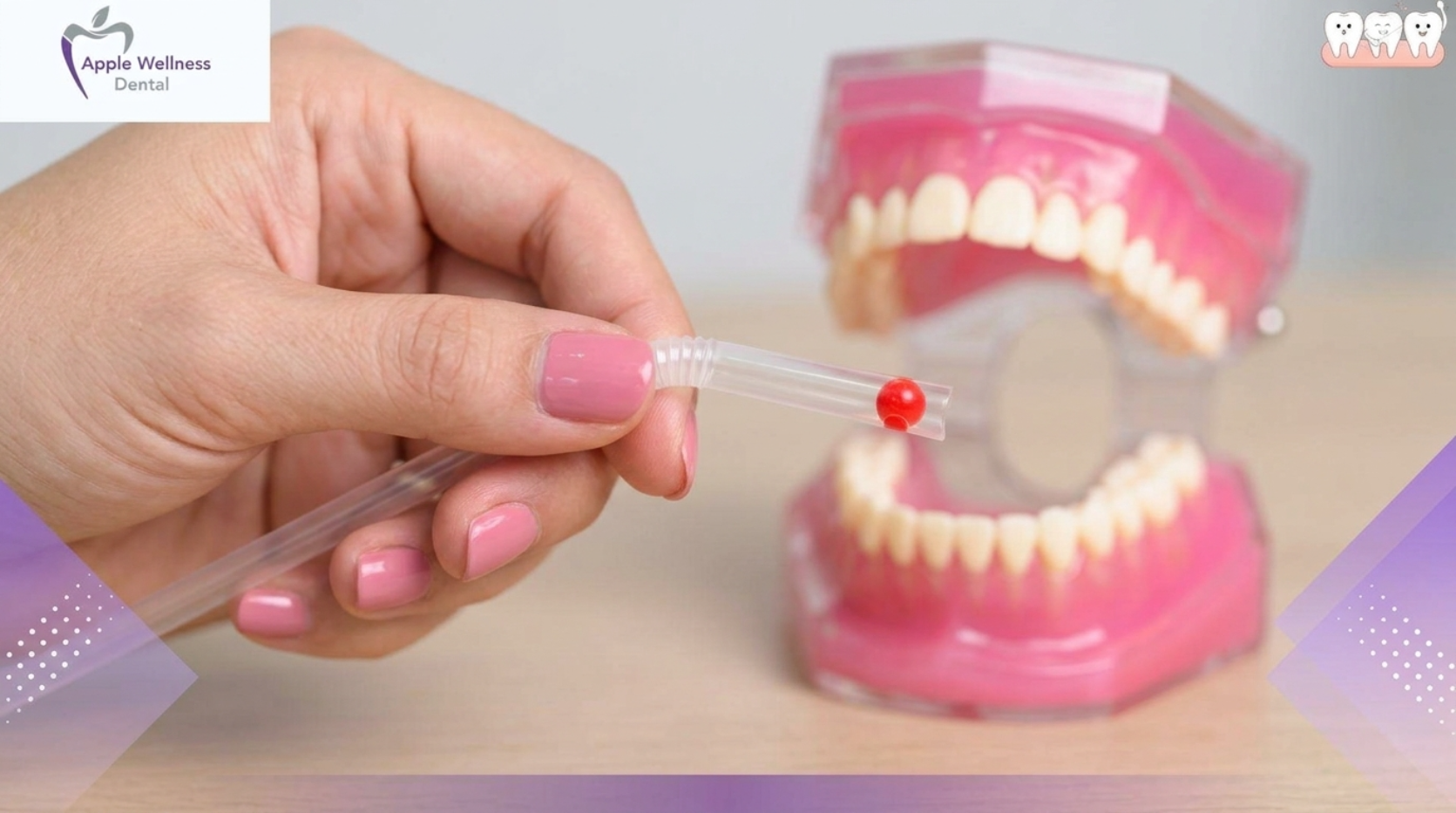
Drinking through a straw may feel effortless, but it requires a complex mechanism of physics inside your mouth. When you seal your lips around a straw and pull liquid upward, you are expanding your oral cavity slightly while keeping the lips tightly sealed. This creates a vacuum, or negative intraoral pressure. Clinical studies indicate that sucking a thick liquid like a milkshake can generate intraoral pressure exceeding 50 mmHg.
This negative pressure acts exactly like a vacuum cleaner directly over your surgical site. The delicate fibrin bonds holding the blood clot in place are no match for this mechanical force. The suction effortlessly lifts the clot out of the socket. Because the mouth is numbed or the patient is taking pain medication, they may not immediately realize the clot has been dislodged until hours later when the medication wears off and the severe pain begins.
Detailed Timeline: When Is It Safe?
The timeline for safe straw usage depends heavily on the type of extraction you underwent and your body’s individual healing rate. However, modern 2026 dental recovery guidelines provide a clear roadmap for patient safety.
Hours 0 to 72: The Critical Window
During the first three days following your extraction, the blood clot is incredibly fragile. It is loosely attached to the bone walls and is highly susceptible to displacement. Using a straw during this 72-hour window carries the absolute highest risk of inducing a dry socket. You must strictly avoid any suction, spitting, or smoking.
Days 4 to 7: The Vulnerable Transition
Between days four and seven, the clot begins to transition into granulation tissue. It becomes slightly more robust and better attached to the surrounding tissue. For minor, simple extractions (like a small front tooth), the risk begins to decrease. However, for molar extractions, the risk remains significant. The official guidelines strongly advise against using straws during this period to ensure absolute safety.
Days 8 to 14: Maturation and Safety
By the second week, the soft tissue has usually closed over the extraction site, or the clot has fully integrated into stable granulation tissue. For most simple extractions, using a straw is now safe. However, if you had impacted mandibular third molars (lower wisdom teeth) removed, the sockets are larger and heal slower. Dentists often recommend waiting the full 14 days before resuming heavy suction, such as drinking thick smoothies through a straw.
Recovery Timeline Summary Table
| Time Post-Extraction | Clot Status | Straw Usage Risk Level | Action Required |
|---|---|---|---|
| 0 – 72 Hours | Fragile, newly formed | Extremely High | Absolute avoidance of straws. |
| 4 – 7 Days | Transitioning to tissue | Moderate to High | Continue to avoid for safety. |
| 8 – 14 Days | Stable granulation tissue | Low | Generally safe, but proceed gently. |
| 14+ Days | Gum tissue closed | Zero Risk | Normal drinking habits can resume. |
Understanding Dry Socket (Alveolar Osteitis)
To emphasize the importance of these wait times, one must understand the consequences of failing to adhere to them. Alveolar osteitis, or dry socket, is the most common postoperative complication following tooth extraction. Statistics published in general dental literature indicate that dry socket occurs in about 2% to 5% of all routine extractions. However, that number spikes dramatically to 20% to 30% for the extraction of impacted lower wisdom teeth.
When the clot is removed by suction, the underlying bone is exposed. Because bone has a rich nerve supply, the exposure to air, fluid, and food causes excruciating pain. This pain is often described as a dull, throbbing ache that radiates from the extraction site up to the ear, eye, temple, or neck on the same side of the face. Conventional over-the-counter pain medications like ibuprofen or acetaminophen are often entirely ineffective against this specific type of nerve pain.
As noted in patient care literature from the Mayo Clinic, a dry socket also leads to a distinctly foul taste in the mouth and severe bad breath (halitosis) due to food debris accumulating and fermenting in the empty bone cavity. If you experience these symptoms between days three and five of your recovery, it is highly likely that your clot has been lost, and you need to contact your dentist immediately for a palliative medicated dressing containing eugenol (clove oil), which rapidly soothes the exposed nerves.
Safe Alternatives for Staying Hydrated
Hydration is absolutely critical during your recovery phase. Water helps your body flush out toxins, maintains blood volume, and speeds up the cellular repair processes. Since straws are strictly forbidden, you must adopt alternative methods to consume fluids.
- The Open Cup Method: The safest way to drink is directly from an open rimmed glass or cup. Take small, controlled sips, allowing gravity to do the work rather than using suction. Let the liquid flow gently to the back of your throat.
- Using a Spoon: For thicker liquids like meal-replacement shakes, smoothies, or lukewarm soups, eating them with a spoon is highly recommended. It completely eliminates negative pressure and allows you to bypass the surgical site.
- Squeeze Bottles: If you struggle with cups due to numbness, a soft plastic squeeze bottle can be helpful. However, you must be extremely careful not to seal your lips around the nozzle. Keep your lips open and gently squeeze the liquid into your mouth.
Other Actions That Mimic Straw Usage
It is important to recognize that straws are not the only culprits when it comes to negative intraoral pressure. Several other common habits can generate the exact same dangerous vacuum effect inside your mouth. To protect your healing socket, you must also avoid the following for at least a week:
Smoking and Vaping: The inhalation action required for cigarettes, cigars, and vape pens creates severe suction. Furthermore, according to the American Dental Association, the chemical toxins and heat from smoke severely restrict blood flow to the oral tissues, doubling or even tripling the risk of complications.
Spitting: Aggressive spitting forces saliva through a narrowed lip opening, generating high pressure. Instead of spitting out excess saliva or blood during the first few days, simply lean over the sink and let it drool out passively.
Slurping: Whether it is a bowl of hot soup or a strand of noodles, the physical action of slurping draws air inward sharply, which can easily catch and displace a healing clot.
Special Considerations: Wisdom Teeth vs. Simple Extractions
Not all tooth extractions are created equal, and your timeline may need adjustment based on the surgical complexity. A simple extraction involves a tooth that is fully erupted and visible above the gum line. The dentist simply loosens and elevates the tooth. Because the surgical trauma is minimal and the socket is relatively small, the 7-day rule is usually perfectly sufficient.
Impacted wisdom teeth, however, are a completely different scenario. These teeth are often buried deep within the jawbone and covered by dense gum tissue. Removing them requires incisions, bone removal, and sectioning of the tooth. The resulting socket is significantly larger, and the body takes much longer to build a stable fibrin network across such a wide gap. As established by the American Association of Oral and Maxillofacial Surgeons, the recovery protocols for surgical extractions require longer wait times. If you have undergone impacted wisdom tooth removal, err on the side of caution and abstain from straw usage for a full 14 days.
Maintaining Oral Hygiene Without Suction
Keeping your mouth clean post-surgery is vital to prevent infection, but you must do so without creating negative pressure. Do not swish vigorously. Instead of aggressive mouthwash rinsing, adopt the “head roll” technique. Take a small amount of warm salt water into your mouth, gently tilt your head from side to side so the liquid washes over the extraction site, and then lean forward to let the water passively fall out of your mouth into the sink. This ensures the site remains clean without threatening the clot.
When to Contact Your Dental Professional
Despite your best efforts to avoid straws and suction, complications can still arise. You should reach out to your dental care provider immediately if you experience any of the following symptoms:
- Severe, worsening pain that peaks on the third or fourth day post-extraction.
- Pain that radiates from the jaw up to the ear, temple, or neck.
- A sudden, foul taste in your mouth that does not go away with gentle rinsing.
- Visible bone inside the extraction socket (often appearing as a dry, whitish hole rather than a dark blood clot).
- Excessive bleeding that fills your mouth rapidly and does not slow down with biting pressure on gauze.
Frequently Asked Questions
Can I drink from a straw 5 days after tooth extraction?
While the most critical risk period is the first 72 hours, using a straw at day 5 still carries a moderate risk of dislodging the healing clot. It is highly recommended to wait a full 7 days before resuming straw usage.
What happens if I accidentally used a straw after a tooth extraction?
If you accidentally took a sip through a straw, stop immediately and monitor your symptoms. If you do not feel sudden, increasing pain over the next 24 hours, the clot is likely still intact. Do not use the straw again.
Is it safe to drink cold liquids without a straw?
Yes, cold liquids are actually highly beneficial during the first 24 to 48 hours. They help constrict blood vessels, reduce swelling, and numb the area. Just ensure you drink directly from the rim of a glass.
Why does dry socket hurt so much?
Dry socket hurts severely because the loss of the blood clot leaves the jawbone and thousands of microscopic nerve endings completely exposed to the open air, food debris, and fluids in your mouth.
Can I eat ice cream after an extraction?
Yes, eating ice cream with a spoon is an excellent post-extraction food as the cold temperature soothes inflammation. However, absolutely avoid drinking thick milkshakes through a straw, as the heavy suction is almost guaranteed to cause a dry socket.
How do I know if my blood clot fell out?
The clearest sign is a sudden onset of severe, throbbing pain roughly 3 to 5 days after the surgery, accompanied by a bad taste or odor in the mouth. You may also visibly notice an empty, dry-looking hole where the dark clot used to be.
Conclusion
Navigating the recovery period after dental surgery requires patience and strict adherence to postoperative instructions. The negative pressure created by sucking liquids can instantly ruin days of natural healing. By waiting the recommended 7 to 14 days and utilizing safe alternatives like open cups and spoons, you can effectively bypass the severe pain and extended recovery times associated with alveolar osteitis. Prioritize your healing, keep your mouth clean using gentle techniques, and let your body’s natural processes work uninterrupted.
If you suspect you have dislodged your blood clot, or if you are experiencing severe radiating pain that isn’t managed by your prescribed medication, do not wait for it to resolve on its own. Contact us today to schedule a follow-up appointment so we can provide immediate, soothing relief and ensure your recovery stays on track.
References
- American Dental Association (ADA) – Post-Extraction Care and Complications.
- Mayo Clinic – Dry Socket Overview, Symptoms, and Causes.
- American Association of Oral and Maxillofacial Surgeons (AAOMS) – Guidelines for Wisdom Tooth Management.
- National Institutes of Health (NIH) – Clinical reviews on alveolar osteitis and oral wound healing physiology.