
The Ultimate Guide to Eating Mashed Potatoes After a Tooth Extraction
Can I eat mashed potatoes after tooth extraction? The short and definitive answer is a resounding yes. If you have recently undergone dental surgery, you already know that your postoperative diet is one of the most critical factors in ensuring a smooth, pain-free recovery. Mashed potatoes are widely considered the gold standard of soft foods for dental patients. They require zero mastication (chewing), are incredibly gentle on the sensitive extraction site, and provide essential carbohydrates to keep your energy levels up while your body heals.
Key Takeaways
- Safe and Comforting: Mashed potatoes are universally approved by dental professionals as an ideal Phase 1 recovery food.
- Temperature Matters: Never eat them piping hot; lukewarm or room temperature is necessary to protect the blood clot.
- Seamless Consistency: Ensure they are mashed thoroughly with no lumps or potato skins that could lodge in the extraction site.
- Nutritional Boost: Add butter, sour cream, or bone broth to increase caloric and fat intake while you are restricted from solid foods.
- Avoid Spices: Skip the black pepper, chili flakes, or crunchy garnishes like bacon bits and chives until you are fully healed.
Why Mashed Potatoes Are the Perfect Post-Extraction Food
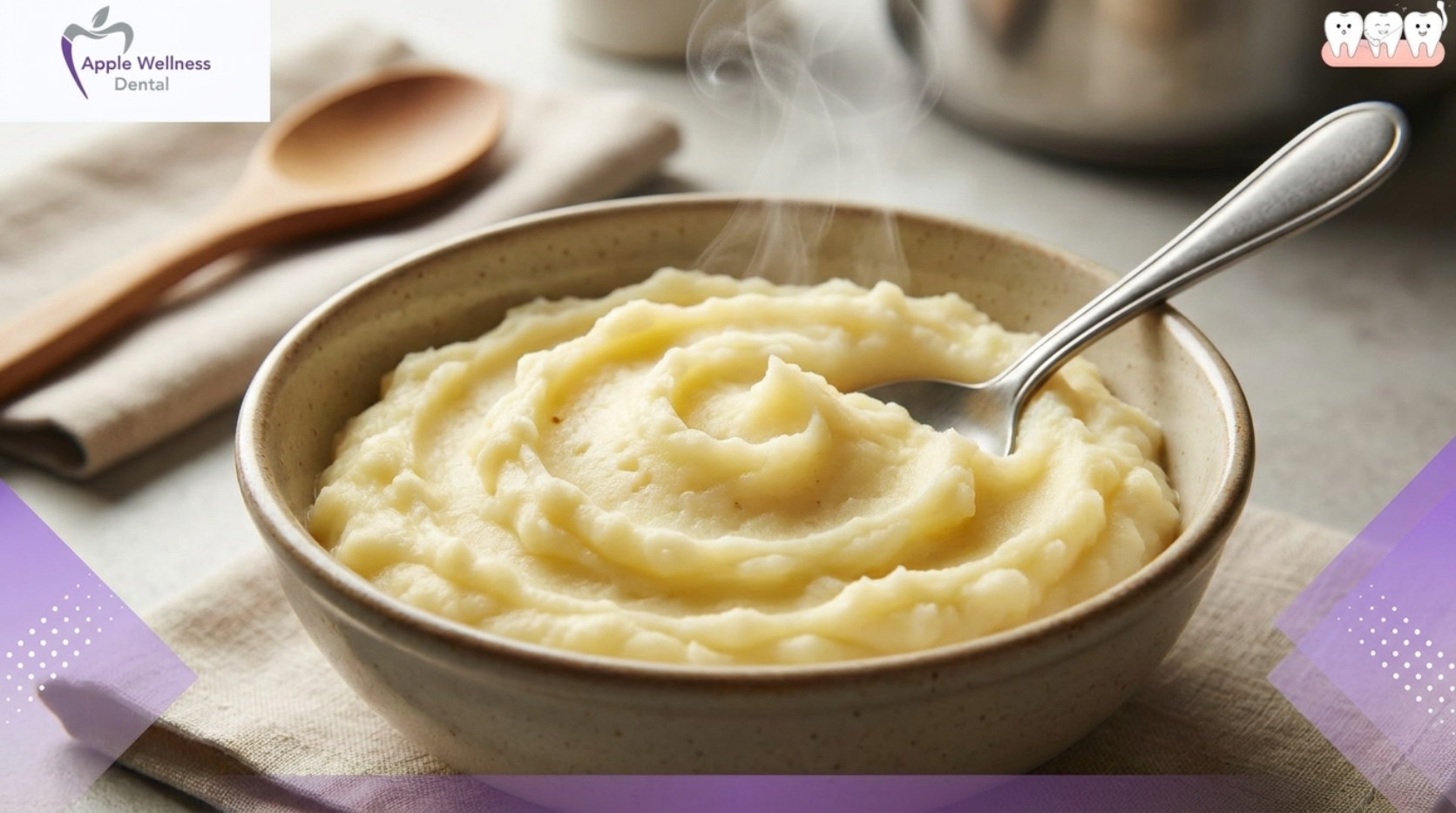
When a tooth is extracted, your body immediately goes to work forming a blood clot over the empty socket. This clot acts as a protective scab, shielding the underlying bone and delicate nerves from the oral environment. According to the American Dental Association, maintaining this blood clot is the single most important objective during the first 72 hours of recovery.
Mashed potatoes are ideal because their creamy consistency eliminates the need for chewing. Mastication creates mechanical stress in the mouth and increases the risk of accidentally biting the surgical site while you are still numb from local anesthesia. Furthermore, a single serving of potatoes is rich in potassium, vitamin C, and easily digestible carbohydrates, providing the caloric density needed to facilitate tissue repair.
As Dr. Matthew Messina, a prominent consumer advisor for the American Dental Association, emphasizes: “The key to a successful recovery is maintaining a soft diet that provides adequate nutrition without disturbing the delicate blood clot in the healing socket.” Mashed potatoes fit this criterion perfectly.
The Importance of Temperature: Avoid Piping Hot Foods
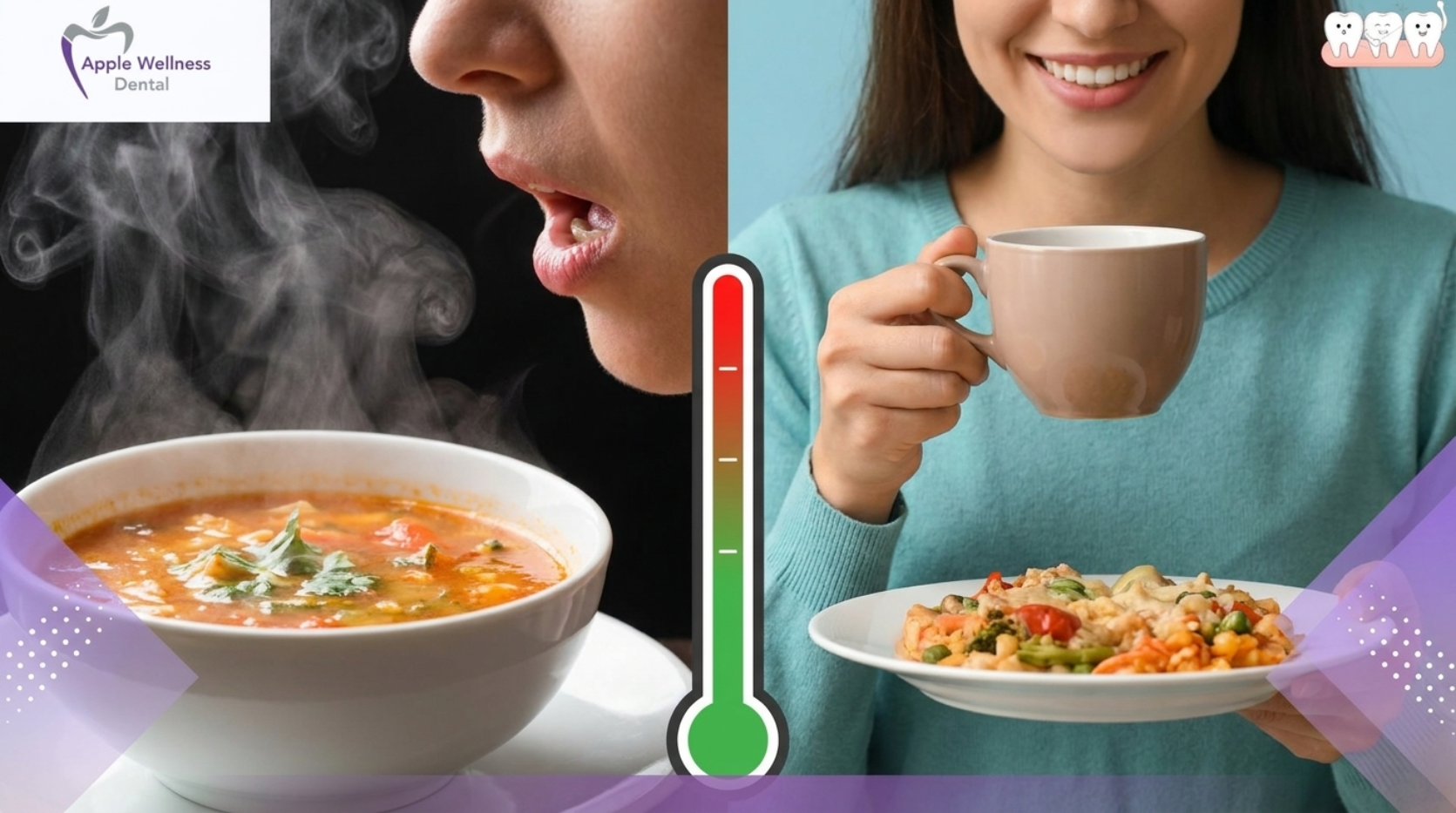
While the texture of mashed potatoes is perfect, the temperature at which you serve them is a critical detail that many patients overlook. Serving piping hot mashed potatoes is a major postoperative mistake. Heat causes vasodilation—the widening of blood vessels—which can increase bleeding at the extraction site and potentially dissolve or dislodge the newly formed blood clot.
Research indicates that food should be cooled to approximately 98.6°F (body temperature) or lower during the first 48 hours following oral surgery. Always allow your mashed potatoes to sit on the counter until they reach a lukewarm or room-temperature state. In 2026, modern dental recovery protocols consistently emphasize the “lukewarm rule” to minimize the risk of prolonged bleeding and alveolar osteitis (dry socket).
How to Prepare Mashed Potatoes for Safest Recovery
Not all mashed potatoes are created equal when it comes to oral surgery recovery. A rustic, chunky mash with skins might be delicious on a regular day, but it presents severe risks to an open socket. Here is the step-by-step guide to preparing dentist-approved mashed potatoes:
- Peel Completely: Ensure absolutely all potato skins are removed. Small, fibrous pieces of skin can easily become trapped inside the extraction socket, leading to infection or irritation.
- Boil Until Extra Soft: Cook the potatoes longer than you normally would. They should effortlessly fall apart when pierced with a fork.
- Mash to a Puree: Use a potato ricer, food processor, or immersion blender to achieve a silky, lump-free consistency. Lumps can require mild chewing, which you want to avoid.
- Enrich for Calories: Because you are likely eating less volume overall, make the calories count. Blend in full-fat milk, heavy cream, melted butter, or smooth sour cream.
- Cool Down: Transfer the mash to a bowl and let it rest until it is comfortably lukewarm.
Comparison: Ideal vs. Risky Add-Ins
While plain mashed potatoes can become monotonous, you must be extremely selective about what you add to them. The wrong garnish can derail your healing process.
| Safe Add-Ins (Approved) | Unsafe Add-Ins (Avoid) | Reasoning |
|---|---|---|
| Melted Butter / Ghee | Bacon Bits | Crunchy items like bacon can tear tissue and get stuck in the wound. |
| Smooth Sour Cream | Chives or Green Onions | Small leafy pieces can easily become trapped in the extraction socket. |
| Bone Broth / Gravy (Strained) | Black Pepper / Spices | Spices can severely burn and irritate the raw surgical site. |
| Melted, fully integrated cheese | Unmelted shredded cheese | Stringy textures require chewing and can pull at sutures. |
The Danger of “Dry Socket” and Diet’s Role
Alveolar osteitis, commonly known as dry socket, is the most dreaded complication following a tooth extraction. Statistics show that dry socket occurs in approximately 2% to 5% of all standard tooth extractions, but that number can jump to 20% or higher for impacted lower wisdom teeth.
A dry socket occurs when the blood clot fails to develop or is dislodged before the wound has healed, exposing the underlying bone and nerves to air, food, and fluids. This results in severe, radiating pain. Your diet plays a massive role in preventing this.
By consuming exclusively soft foods like finely mashed potatoes, you eliminate the friction of chewing that can mechanically dislodge the clot. Furthermore, eating with a spoon rather than using a straw is vital. Suction created by straws is the number one cause of dry socket. Always eat your soft foods gently from a spoon, taking care not to slurp.
Other Dentist-Approved Soft Foods to Pair
While mashed potatoes are fantastic, you will need nutritional variety over the 5 to 7 days it takes for the primary healing phase to complete. Fortunately, there are many other excellent soft food options that pair well with your recovery plan. According to the nutritional guidelines provided by institutions like the Mayo Clinic, a balanced soft-food diet should include various vitamins and proteins.
- Scrambled Eggs: Soft, easily chewed (or swallowed whole if very soft), and packed with high-quality protein necessary for tissue repair.
- Greek Yogurt: Smooth, cold (which soothes inflammation), and rich in probiotics which can be helpful if you have been prescribed postoperative antibiotics.
- Applesauce: Provides a sweet alternative and essential vitamin C without the acidity of citrus fruits.
- Blended Soups: Tomato, butternut squash, or creamy potato soup (ensure they are strained and served lukewarm).
- Mashed Sweet Potatoes: An excellent alternative to white potatoes, offering high doses of Vitamin A, which aids in immune function and healing.
Common Mistakes to Avoid When Eating After Surgery
Even with the perfect bowl of mashed potatoes, poor eating techniques can compromise your recovery. Here are the most common pitfalls to avoid:
First, never eat on the side of the extraction. If you had a tooth pulled on the right side, consciously direct all food and gentle chewing (when you progress to semi-solid foods) to the left side. This prevents food particles from gravitating toward the wound.
Second, do not forcefully rinse your mouth after eating. It is natural to want to clean your mouth after consuming starchy foods like mashed potatoes, but aggressive swishing can pull the blood clot out. Instead, beginning 24 hours after surgery, perform gentle saltwater rinses. Simply place the warm saltwater in your mouth, tilt your head side to side, and let the water passively fall into the sink—do not spit forcefully.
Third, do not rush the transition back to solid foods. Many patients feel “fine” by day three and attempt to eat a burger or chips, only to cause a setback. Listen to your body and strictly adhere to your dentist’s timeline.
Frequently Asked Questions
Can I use instant mashed potatoes after a tooth extraction?
Yes, instant mashed potatoes are completely safe and often very convenient during recovery. Because they are processed into fine flakes, they mix into a perfectly smooth puree with no risk of lumps or skins, making them an excellent hassle-free option.
How long do I need to eat soft foods like mashed potatoes?
Most dentists recommend a strict soft-food diet for the first 48 to 72 hours following an extraction. Depending on the complexity of the surgery (like impacted wisdom teeth), you may need to continue this diet for up to a week. Always follow your specific provider’s instructions.
Can I put gravy on my mashed potatoes?
Yes, gravy is a great addition as it adds flavor, moisture, and extra calories. However, ensure the gravy is completely smooth, strained of any meat chunks or onion pieces, and served lukewarm rather than hot.
Can I add salt and pepper to my potatoes?
Salt is generally fine and can even be mildly antibacterial, but you should absolutely avoid black pepper. Pepper flakes can easily become lodged in the extraction site and cause severe burning, irritation, or infection.
Are sweet potatoes okay to eat?
Absolutely. Mashed sweet potatoes follow the exact same rules as regular white potatoes. They must be peeled, boiled until entirely soft, mashed thoroughly without lumps, and served at a lukewarm temperature.
Conclusion
Navigating your diet after dental surgery doesn’t have to be stressful. Mashed potatoes stand out as the ultimate comfort food that actively supports your recovery by being gentle on the mouth, highly nutritious, and remarkably versatile. By ensuring your potatoes are perfectly smooth, free of risky mix-ins, and served lukewarm, you are setting yourself up for a complication-free healing process. Remember to pair them with other soft, protein-rich foods, and always avoid straws and aggressive rinsing.
If you are experiencing prolonged pain, excessive bleeding, or suspect you may have developed a dry socket despite following these dietary guidelines, do not wait. Professional dental care is essential to keep your recovery on track. Contact us today to schedule a follow-up appointment or speak with our care team regarding any postoperative concerns.
References
- American Dental Association – Guidelines on postoperative care and maintaining the blood clot.
- Mayo Clinic – Nutritional guidelines for soft-food diets following oral surgery.
- Centers for Disease Control and Prevention – Data and statistics regarding oral health, surgical complications, and alveolar osteitis.