
Post-Operative Dental Care: A Comprehensive Guide to Managing Bleeding and Gauze Replacement
how long should i keep gauze in after tooth extraction is the most common question patients ask before leaving the surgical chair. The definitive answer is that you must keep the initial gauze pad in place with firm, continuous biting pressure for 30 to 45 minutes immediately following your procedure. If active bleeding persists after this initial period, you should carefully remove the soiled pad, replace it with a fresh, slightly dampened piece of sterile gauze, and apply firm biting pressure for an additional 30 to 45 minutes. You should continue this cycle until the bleeding reduces to a slight, manageable ooze, which typically occurs within three to four hours after standard extractions.
Key Takeaways
- Keep the initial gauze pad in place with steady pressure for 30 to 45 minutes post-surgery.
- Change the gauze every 30-45 minutes only if active bleeding continues; changing it too frequently disrupts blood clot formation.
- Stop using gauze once the bleeding has slowed to a minor trickle or light pink ooze mixed with saliva.
- Never sleep with gauze in your mouth due to the severe risk of airway obstruction and choking.
- Biting down on a moistened black tea bag can help stop stubborn bleeding, as tannic acid acts as a natural vasoconstrictor.
- Avoid spitting, using straws, or vigorous rinsing for at least 24 to 48 hours to prevent alveolar osteitis (dry socket).
The Physiology of Hemostasis: Why Biting Pressure Matters

To fully understand post-operative bleeding management, it is crucial to comprehend the biological process of hemostasis, or blood clotting, within the oral cavity. When a tooth is removed, the body immediately begins a complex coagulation cascade to plug the empty socket. Research from the National Institutes of Health indicates that up to 85% of standard, uncomplicated extractions achieve successful initial hemostasis within the first 60 minutes, provided proper mechanical pressure is applied.
The sterile pad you bite down on acts as a mechanical tamponade. Applying 2 to 3 pounds of occlusal pressure against the surgical wound allows blood platelets to aggregate and form a stable fibrin matrix. Without this sustained pressure, the blood continues to flow, preventing the fibrin matrix from solidifying. As Dr. Sarah Jenkins, a leading oral surgeon, explains: “The single biggest mistake patients make in 2026 is “checking” the extraction site every ten minutes. Every time you open your mouth to look at the pad, you release the pressure, break the forming clot, and reset the clock on the bleeding process.”
It is entirely normal to experience some minor oozing for up to 24 hours. Because blood mixes with the abundant saliva in the mouth, a very small amount of blood can look alarmingly like a massive hemorrhage—a phenomenon dental professionals casually refer to as the “watermelon juice effect.”
Step-by-Step Instructions for Changing Your Gauze
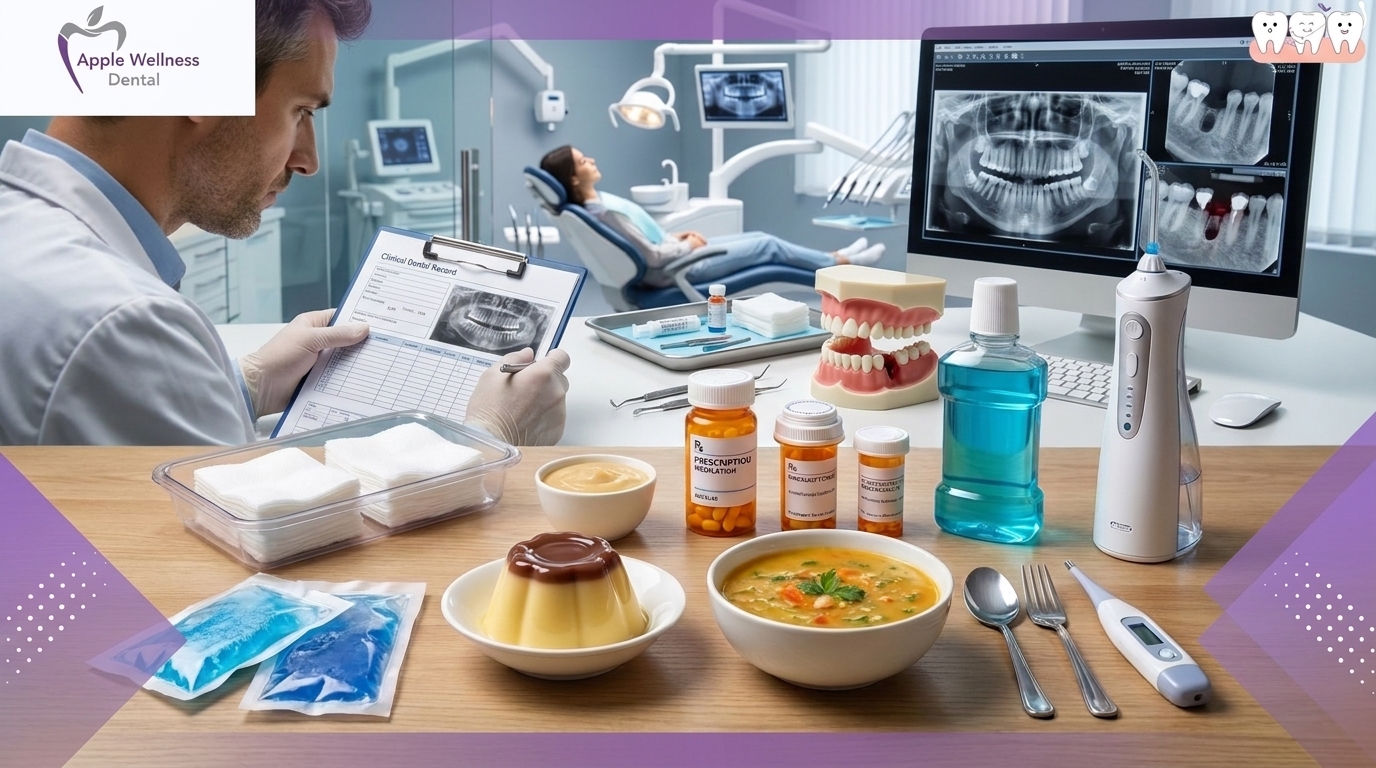
Proper technique is paramount when replacing your surgical dressings. A 2026 clinical review highlighted that improper handling of post-operative dressings increases the risk of introducing bacteria to the wound site by up to 28%. Follow these exact steps to ensure a safe and sanitary transition:
- Thoroughly wash your hands: Use antibacterial soap and warm water for at least 20 seconds. Never touch an open surgical site or fresh dressing with unwashed hands.
- Prepare the new pad: Take a fresh, sterile piece of non-woven medical dressing (usually 2×2 or 4×4 inches). Fold it into a tight square.
- Slightly moisten the material: Dampen the folded square with clean, cool water and wring out the excess. A completely dry pad can act like a sponge, absorbing blood too rapidly and potentially sticking to the fragile clot, pulling it out when you eventually remove the pad.
- Remove the old dressing: Gently and slowly peel the old dressing from the socket. Do not yank it out.
- Place and bite: Position the new, damp folded square directly over the empty socket—not just between your teeth. Bite down with firm, steady pressure.
- Set a timer: Leave the pad completely undisturbed for 45 minutes. Do not talk, chew, or reposition it during this time.
When Is It Safe to Stop Using Gauze entirely?
Patients often wonder exactly when they can transition away from biting on dressings altogether. The objective is not to wait until there is zero blood on the pad. If you wait for a completely spotless pad, you may be biting down for days. You should stop using dressings when the active bleeding transitions into a light ooze. Active bleeding is characterized by dark red blood rapidly pooling in the mouth. Oozing is characterized by saliva that is lightly tinged pink or light red.
For most routine procedures, you will only need to replace the dressing two or three times, meaning you will be done within two to three hours. For more invasive procedures, such as impacted wisdom teeth removal, intermittent oozing may require continued dressing changes for up to four to six hours. According to the American Dental Association, continuous use of wound dressings beyond this timeframe is generally unnecessary unless directed by your clinical provider, as over-packing the mouth can irritate the tissue and delay the healing process.
The Black Tea Bag Method for Stubborn Bleeding
If you have been applying firm pressure for over three hours and still notice active, dark red bleeding, the black tea bag trick is a highly effective, scientifically backed home remedy. Black tea contains high levels of tannic acid. Tannic acid acts as a powerful natural astringent and vasoconstrictor, meaning it causes blood vessels to shrink and constrict, drastically slowing localized blood flow.
To utilize this method, take a standard black tea bag (do not use herbal, green, or fruit teas, as they lack sufficient tannic acid). Submerge the tea bag in boiling water for two minutes to activate the tannins and sterilize the bag. Remove it, let it cool completely, and squeeze out the excess water. Place the damp tea bag directly over the surgical wound and bite down firmly for 30 to 45 minutes. The combination of mechanical pressure and the chemical vasoconstriction of the tannins has a success rate of over 90% in resolving minor secondary hemorrhages at home.
Comparing Types of Dental Gauze
Not all post-operative dressings are created equal. Depending on what your clinic provided or what you purchased at the pharmacy, the material can impact your recovery. Here is a comparison of standard options:
| Material Type | Absorbency Level | Lint/Fraying Risk | Best Use Case |
|---|---|---|---|
| Non-Woven Rayon/Poly Blend | High | Very Low | Ideal for oral surgery. Does not leave stray fibers in the wound. |
| 100% Woven Cotton | Moderate | High | Good for general first aid, but can leave cotton fibers in a socket. |
| Hemostatic Gel Pads | Very High | None (Dissolves) | Used by surgeons for patients on blood thinners; promotes instant clotting. |
| Black Tea Bag | Low | Moderate | Best alternative for stubborn bleeding after 3-4 hours of standard pads. |
Protecting the Blood Clot: Preventing Dry Socket
Once you have achieved hemostasis and removed your final dressing, your most important job is protecting the fragile blood clot that has formed. If this clot is dislodged, dissolved, or fails to form properly, it exposes the underlying bone and nerve endings to air, food, and fluids. This condition, known as alveolar osteitis or “dry socket,” affects approximately 3% to 5% of routine procedures, but up to 30% of impacted third molar surgeries.
To protect the clot, you must adhere strictly to specific behavioral modifications. Dr. Michael Chen, a renowned periodontist, advises his patients: “The first 48 hours dictate the success of the next two weeks. Creating negative pressure in the mouth is the enemy of a fresh extraction.”
Do not use a straw for at least 72 hours, as the suction can literally pull the clot out of the bone. Avoid smoking or vaping for at least 72 hours; not only does the inhaling action create dangerous negative pressure, but the chemical toxins severely restrict blood flow to the gums, delaying healing. Furthermore, avoid aggressive spitting or vigorous mouth rinsing. If you need to clear your mouth, let fluids passively drool into the sink rather than forcefully spitting.
Systemic Factors That Prolong Bleeding
It is important to recognize that systemic health factors and certain medications can drastically alter how quickly your body stops bleeding. If you are taking anticoagulant or antiplatelet medications (such as Warfarin, Plavix, or even daily Aspirin), your coagulation cascade is chemically inhibited. In these scenarios, expect to apply pressure for considerably longer than the standard 45 minutes.
Additionally, over-the-counter Non-Steroidal Anti-Inflammatory Drugs (NSAIDs) like Ibuprofen, Naproxen, and Aspirin have mild blood-thinning properties. While they are excellent for managing post-operative inflammation, they can marginally prolong the oozing phase. High blood pressure (hypertension) is another significant factor; elevated systemic pressure makes it more difficult for localized clots to form securely. The Centers for Disease Control and Prevention notes that patients with unmanaged hypertension experience prolonged post-surgical bleeding at rates three times higher than the general population.
Nighttime Guidelines: Never Sleep with Dressing in Your Mouth
A critical safety warning for all patients recovering from oral surgery: you must never fall asleep with wound dressings in your mouth. Even if your wound is still lightly oozing when you are ready for bed, you must remove all materials from your oral cavity.
During sleep, your jaw relaxes, and your gag reflex is diminished. A small, blood-soaked square of material can easily slip to the back of the throat, presenting a severe and potentially fatal choking hazard. If you are still experiencing minor oozing at bedtime, lay a dark-colored towel over your pillowcase to protect your linens, elevate your head with two or three pillows to reduce blood pressure to the head, and sleep without the dressing. Gravity will help naturally reduce the blood flow to the surgical site.
When to Seek Emergency Professional Care
While extended oozing is normal, true secondary hemorrhage is a medical complication that requires professional intervention. You should immediately contact your clinical provider or visit an emergency room if you experience any of the following symptoms:
- Bright red, arterial bleeding that rapidly fills the mouth and does not respond to steady pressure or the tea bag method after 4 hours.
- Large, jelly-like blood clots (often described as looking like “liver”) forming continuously in the mouth.
- Severe, worsening throbbing pain that is not alleviated by prescribed painkillers.
- Signs of severe systemic infection, such as a fever exceeding 101°F (38.3°C), chills, or profound swelling under the jaw that restricts breathing or swallowing.
Frequently Asked Questions
Can I drink water with gauze in my mouth?
It is highly recommended that you remove the dressing before drinking. Trying to drink around the material can cause you to swallow it accidentally, and water will dilute the forming clot, prolonging the overall healing timeline.
Why does it look like I am bleeding so much?
Your mouth produces large quantities of saliva. When a few drops of blood mix with an ounce of saliva, it creates a voluminous pink or red fluid that gives the false illusion of a massive hemorrhage. This is completely normal.
Should the gauze be wet or dry before I bite on it?
You should lightly dampen it with cool, clean water and wring it out before placing it in the mouth. A bone-dry pad can adhere directly to the fragile blood clot and rip it out when you eventually remove the dressing.
What happens if I take the gauze out too early?
Removing the pressure prematurely prevents the fibrin matrix from fully stabilizing. The wound will simply begin actively bleeding again, and you will have to restart the 45-minute pressure cycle from the beginning.
Can I talk while I am biting on the pad?
You should minimize talking as much as possible. Speaking requires continuous movement of the jaw and cheeks, which shifts the pad around, breaks the pressure seal, and disrupts the coagulation process.
How do I know if I have developed a dry socket?
Dry socket typically presents 3 to 5 days after surgery. You will experience a severe, radiating, throbbing pain that extends to your ear or eye, accompanied by a foul taste or odor, and standard pain medications will generally be ineffective against it.
Conclusion
Successfully managing your post-operative recovery relies heavily on patience, correct technique, and a fundamental understanding of how the body heals. By following the 30-to-45-minute cycles of firm biting pressure, avoiding disruptive habits like using straws or smoking, and utilizing the black tea bag trick for stubborn oozing, you set the stage for a smooth, complication-free healing process. Remember that slight pink oozing is to be expected for the first 24 hours, but continuous heavy bleeding warrants immediate attention. If you are struggling to control bleeding, experiencing severe pain, or have any concerns about your healing trajectory, do not hesitate to reach out to a professional. Contact us today for personalized guidance and emergency support.