
The Ultimate 2026 Patient Guide to Post-Extraction Bleeding Control
How long do I keep gauze in after tooth extraction? The immediate clinical answer is 30 to 45 minutes of firm, continuous bite pressure immediately following your procedure. Maintaining this uninterrupted pressure is critical, as it compresses the severed blood vessels and provides the necessary scaffolding for a stable blood clot to form in the surgical site. Once the initial 45 minutes have passed, you should carefully evaluate the extraction socket; if active, bright red bleeding persists, a fresh piece of sterile gauze should be applied for an additional 30 to 45 minutes.
Key Takeaways: Bleeding Management
- Initial Timeframe: Keep the original post-operative pad in place for exactly 30 to 45 minutes with firm, consistent bite pressure.
- Evaluation: After the initial period, remove the pad carefully. If active bleeding continues, replace it for another 45 minutes.
- Normal Healing: Light oozing (saliva tinged with pink or red) is completely normal for up to 24 to 48 hours and does not require constant packing.
- What to Avoid: Do not talk, chew, sleep, or spit with the dressing in your mouth, as this can dislodge the forming thrombus.
- Alternative Solutions: If standard sterile dressings fail to stop minor oozing, a moistened black tea bag can be used; the tannic acid acts as a natural astringent.
The Physiology of Hemostasis in Dentistry
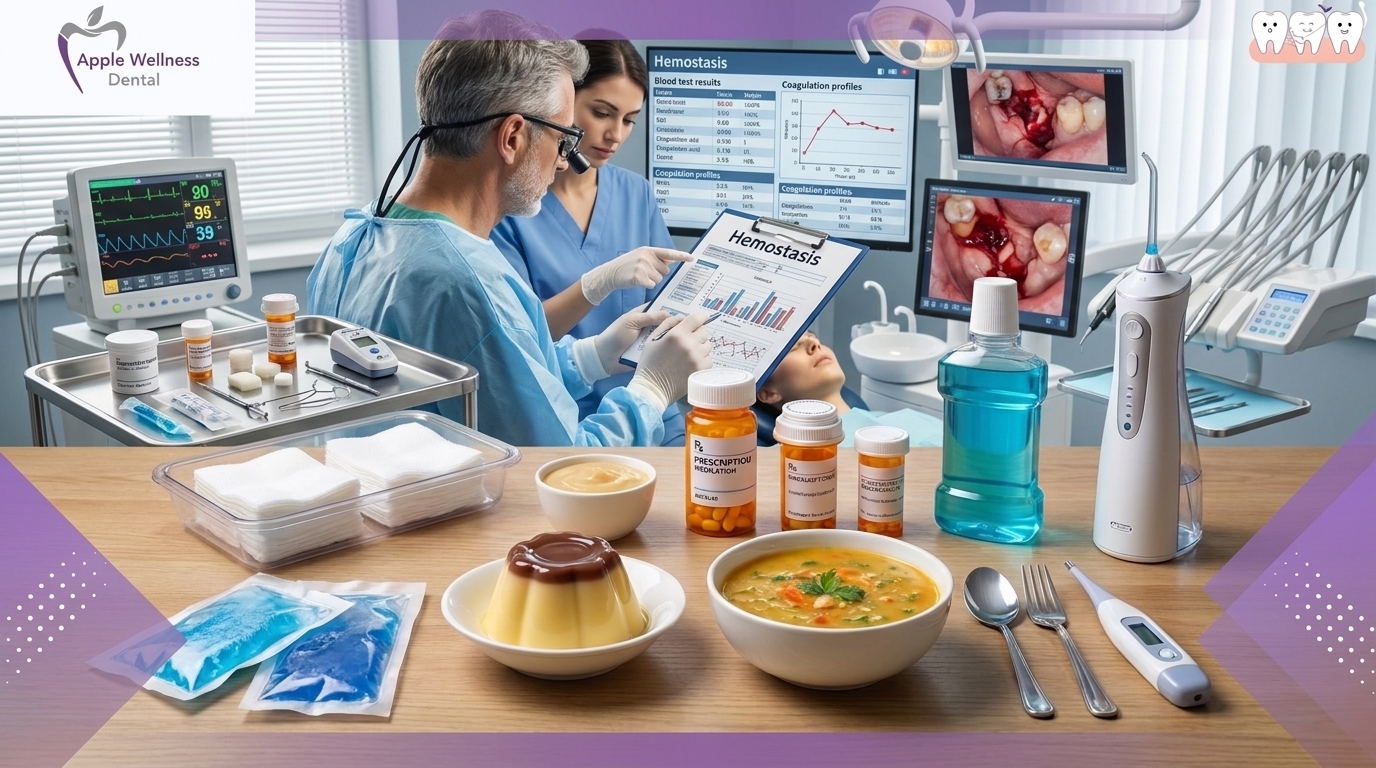
To understand why postoperative protocols are structured the way they are, it is important to comprehend the biological process of hemostasis—the body’s natural mechanism to stop hemorrhage. When a tooth is removed, the alveolar bone and surrounding gingival tissues are exposed. The body responds immediately by initiating the coagulation cascade.
As noted in contemporary oral and maxillofacial surgery literature, “Achievement of hemostasis is dependent on localized mechanical pressure to facilitate the intrinsic and extrinsic coagulation cascades.” The physical pressure you apply by biting down restricts the capillary flow, allowing platelets to adhere to the exposed collagen in the socket. Within the first 60 minutes, these platelets release chemicals that weave a complex fibrin network, effectively creating a physiological plug.
If you remove the dressing prematurely, talk excessively, or chew on it, you disrupt this delicate fibrin network. This forces the body to restart the coagulation cascade from the beginning, significantly increasing your risk of developing alveolar osteitis, commonly known as a dry socket. According to 2026 clinical data, dry socket occurs in 1% to 5% of routine procedures, but that number can spike up to 30% for complex impacted wisdom teeth removals if proper pressure protocols are ignored.
Step-by-Step Instructions: Proper Placement Technique
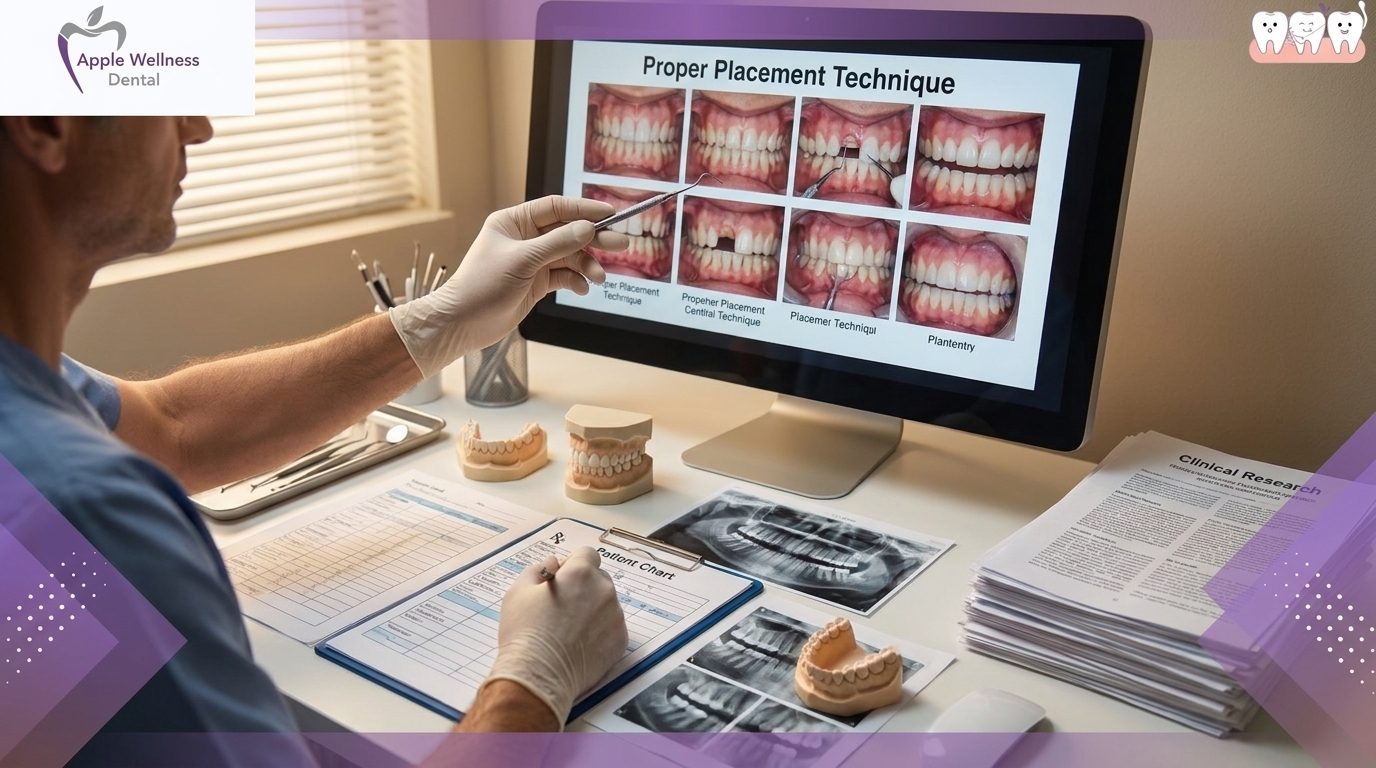
Properly applying pressure is just as important as the duration of application. If the surgical sponge is sitting on the adjacent teeth rather than directly over the surgical wound, you are not applying effective pressure to the bleeding source.
- Wash Your Hands: According to the Centers for Disease Control and Prevention guidelines on infection control, minimizing the introduction of opportunistic pathogens to an open wound is paramount. Always use soap and warm water before touching any oral dressing.
- Prepare the Material: Take a standard 2×2 inch sterile dental sponge. Fold it in half, and then in half again, creating a dense, firm square.
- Position Directly Over the Socket: Place the folded square directly over the extraction site. It must sit high enough that your opposing teeth strike it before your teeth come together completely.
- Apply Firm Pressure: Bite down firmly and hold your jaw still. Avoid grinding or shifting your jaw, as the friction can wipe away the forming clot.
- Rest the Jaw: Maintain this static pressure for a minimum of 45 minutes. Sit upright with your head elevated at a 45-degree angle to reduce local blood pressure in the head and neck.
Timeline: What to Expect in the First 48 Hours
Recovery is a dynamic process. Understanding the timeline of normal postoperative bleeding can alleviate unnecessary anxiety and prevent you from over-packing the wound, which can sometimes do more harm than good by continually traumatizing the surgical site.
| Timeframe | Expected Bleeding Level | Required Action |
|---|---|---|
| 0 – 45 Minutes | Moderate to heavy (active bleeding) | Maintain firm, uninterrupted bite pressure. Do not remove or check the site. |
| 45 Minutes – 2 Hours | Moderate oozing or spotting | Replace the pad every 45-60 minutes only if active red bleeding persists. |
| 2 – 24 Hours | Light pinktinged saliva (oozing) | Discontinue packing unless steady red blood flows. Keep head elevated. |
| 24 – 48 Hours | Minimal to no bleeding | Begin warm salt water rinses (gently). No further compression needed. |
Recognizing Normal Oozing vs. Active Hemorrhage
One of the most common reasons patients contact an oral surgeon after hours is the panic associated with the “blood-in-the-sink” phenomenon. The human body produces roughly 0.5 to 1.5 liters of saliva per day. When a single drop of rich, red blood mixes with a mouthful of saliva, it dyes the entire volume of fluid red. This creates the illusion of massive blood loss, even when the actual hemorrhage is less than a teaspoon.
Active hemorrhage is characterized by a continuous, pooling flow of dark red or bright crimson liquid that quickly fills the mouth and forces you to swallow frequently. Capillary oozing, on the other hand, presents as mostly clear or yellowish saliva with pink streaks. In 2026 clinical guidelines, it is noted that 90% of post-extraction bleeding is resolved with localized pressure alone, and minor oozing does not require intervention.
Research from the Mayo Clinic indicates that negative pressure in the oral cavity—caused by sucking on a straw, aggressive spitting, or smoking—is the primary mechanism that dislodges a newly formed thrombus. If you spit out your saliva to check for bleeding, you are actively creating the negative pressure that restarts the hemorrhage.
Factors Influencing Bleeding Duration
Not all surgical recoveries are identical. Several underlying variables can significantly extend the amount of time you will need to rely on post-operative pressure applications. Understanding your unique medical and anatomical profile is crucial for managing expectations.
Pharmacological Factors
Patients taking anticoagulant medications (such as warfarin or apixaban) or antiplatelet drugs (like daily aspirin or clopidogrel) will naturally experience prolonged clotting times. If you are on these medications, your clinician may advise you to maintain bite pressure for up to two hours initially, swapping out the dressing every 45 minutes. Never adjust or pause your prescribed medications without direct authorization from your primary care physician and operating surgeon.
Anatomical Complexity
The location and nature of the surgery play a massive role. A simple anterior (front tooth) extraction leaves a relatively small, manageable socket. In contrast, removing a fully bony impacted third molar (wisdom tooth) requires bone removal and tissue manipulation. The larger surface area of wounded tissue translates directly to increased vascular exposure, often requiring longer periods of targeted compression.
Underlying Comorbidities
Systemic conditions such as untreated hypertension (high blood pressure) can physically force blood through a newly formed clot, preventing stabilization. Additionally, undiagnosed bleeding disorders, like Von Willebrand disease, can impair platelet aggregation. If you have a history of prolonged bleeding from minor cuts, communicate this to your care team prior to surgery.
Common Mistakes to Avoid with Post-Extraction Gauze
Even with explicit instructions, patients frequently make well-intentioned errors that disrupt the healing process. Avoiding these pitfalls will ensure a smoother, faster recovery trajectory.
- Talking with the Pad in Place: Every time you move your jaw to speak, the friction disrupts the seal over the wound. Keep communication to text messages or nods for the first hour.
- Sleeping with Dressing in the Mouth: Never fall asleep with any material in your mouth due to the severe choking hazard. If you are still bleeding at bedtime, elevate your head with two pillows and cover your pillowcase with an old towel to catch minor drool, but remove all oral dressings.
- Frequent Changing: Removing the pad every 10 minutes to “check if it’s working” guarantees that it will not work. Hemostasis requires continuous, uninterrupted time.
- Chewing on the Sponge: The goal is static pressure, not a mastication exercise. Chewing acts as a pump, pulling blood out of the surrounding tissues.
Alternatives to Traditional Cotton Dressings
If you have run out of the sterile supplies provided by your clinic and are still experiencing persistent, moderate oozing, a highly effective, evidence-based home remedy exists: the black tea bag.
According to the American Dental Association, standard black tea contains high concentrations of tannic acid. Tannic acid is a powerful natural astringent that induces localized vasoconstriction (shrinking of blood vessels) and accelerates tissue coagulation. To utilize this method, steep a regular black tea bag in boiling water for two minutes to activate the tannins and sterilize the bag. Allow it to cool completely—or chill it in the refrigerator for 10 minutes—wrap it in a single layer of standard gauze if available, place it over the wound, and bite down firmly for 45 minutes. The combination of thermal cooling, mechanical pressure, and tannic acid is exceptionally effective at achieving hemostasis.
Advanced Hemostatic Agents Used in 2026
In modern clinical practice, oral surgeons often utilize advanced intraoperative materials to ensure a stable clot before the patient even leaves the chair. If you are prone to bleeding, your provider may have placed a resorbable hemostatic agent deep inside the socket. Common materials include oxidized regenerated cellulose (Surgicel), absorbable gelatin sponges (Gelfoam), or highly purified collagen plugs.
These bio-absorbable materials serve as an artificial three-dimensional matrix that traps platelets and accelerates the intrinsic clotting cascade. Furthermore, the strategic placement of resorbable sutures helps to approximate the gingival tissues, effectively shrinking the surface area of the wound and minimizing the reliance on external bite pressure. If you have stitches or surgical packing, be exceptionally gentle when placing your external dressings to avoid pulling on the sutures.
Frequently Asked Questions
Can I drink water while the gauze is in my mouth?
No, you should not eat or drink anything while you are actively applying pressure with a surgical dressing. Wait until the initial 45-minute period is over, remove the material carefully, and then you may take small, gentle sips of water. Avoid using straws entirely.
What should I do if the bleeding hasn’t stopped after 4 hours?
If you have applied steady, uninterrupted pressure with either sterile pads or a moistened black tea bag for several hours and heavy, bright red bleeding continues to pool in your mouth, you should contact your clinical provider or seek emergency care immediately.
Do I need to wake up in the night to replace the packing?
You should never sleep with any dressing in your mouth due to the risk of airway obstruction. Before sleeping, ensure active hemorrhage has ceased. Minor pink drool on your pillow overnight is normal and does not require waking up to repack the area.
How do I remove the pad without pulling out the blood clot?
If the material feels stuck to the wound, do not rip it away forcefully. Take a small sip of clean, room-temperature water to moisten the fibers, gently letting the water soak into the cotton for a few seconds before lifting it away slowly.
Is it normal for the gauze to look completely soaked?
Yes, because the cotton absorbs saliva as well as blood. A pad that appears saturated is usually 90% saliva and 10% blood. Judge the severity of the bleeding by looking at the socket itself after removing the pad, rather than the appearance of the discarded material.
Conclusion
Properly managing your post-operative care is the most critical step in ensuring a swift, painless recovery. By understanding exactly how long to maintain pressure, utilizing the correct folding and biting techniques, and avoiding activities that create negative oral pressure, you empower your body to heal efficiently. Remember, heavy initial bleeding is standard, but by following the 45-minute continuous pressure rule, you will give your body the time it needs to establish a secure clot.
If you have persistent bleeding that does not resolve with the methods outlined above, or if you have questions regarding your unique surgical recovery, please do not hesitate to reach out for professional guidance. Contact us today to speak directly with our clinical team and ensure your healing process remains on track.
References
- American Dental Association – Clinical Guidelines on Post-Operative Hemostasis.
- Mayo Clinic – Patient Care and Health Information regarding tooth extractions and dry socket prevention.
- Centers for Disease Control and Prevention – Infection Control in Dental Settings.
- World Health Organization – Global Guidelines on Safe Surgical Practices and Wound Management.
- Nature Dental Journals – Recent 2026 publications on the physiological mechanisms of the alveolar coagulation cascade.