
The Clinical Reality: Understanding the Structure of Teeth Underneath Veneers
what happens to teeth under veneers is a fundamental question for anyone considering this cosmetic dental procedure. When a porcelain or composite shell is applied, the underlying natural tooth undergoes a specific, irreversible structural modification known as enameloplasty. Typically, a dentist removes a micro-thin layer of the tooth’s outer enamel—usually between 0.3 to 0.5 millimeters—to create space and an optimal bonding surface for the new restoration. Once the veneer is permanently adhered using dental cement, the natural tooth remains alive, housing its original dentin and pulp, but it becomes permanently reliant on the restoration for protection against bacteria, temperature changes, and structural wear.
Key Takeaways
- Enamel Reduction: Standard veneers require the permanent removal of 0.3 to 0.5 millimeters of dental enamel.
- Irreversibility: Because enamel cannot regenerate, a veneered tooth will always require a protective covering.
- Tooth Vitality: The underlying tooth remains alive; the dentin, pulp, and internal nerves continue to function normally.
- Decay Risks: Teeth can still develop cavities under veneers if the bonding margin is compromised or oral hygiene is neglected.
- Lifespan: With 2026 advancements in bonding technology, well-maintained porcelain veneers boast a 91% survival rate over a decade.
The Preparation Phase: How Enamel is Altered
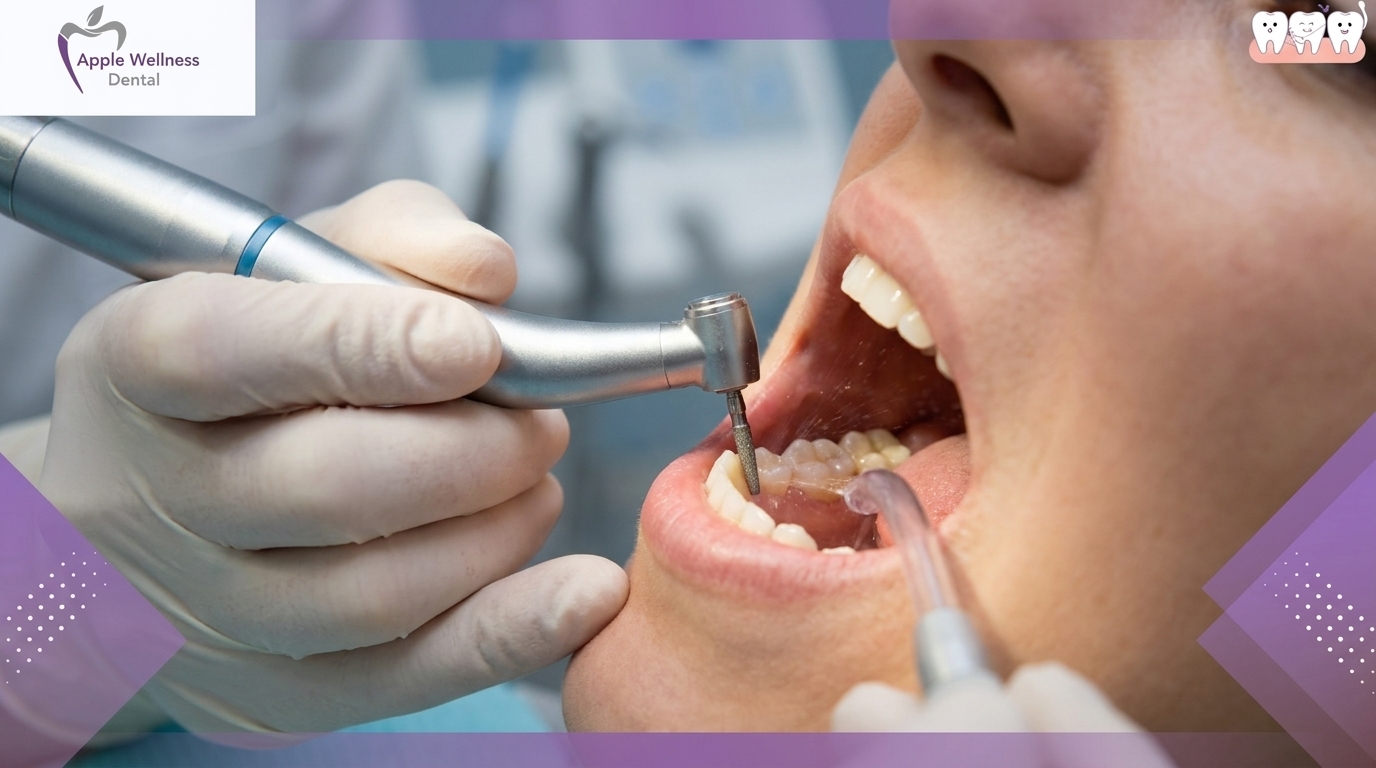
Before a restoration can be placed, the tooth must be prepared. This process, technically referred to as enameloplasty, is crucial for both aesthetic and biomechanical reasons. Dental enamel constitutes the highly mineralized outer 1 to 2.5 millimeters of the tooth. By removing a fraction of this layer, clinicians prevent the final veneer from looking unnecessarily bulky and ensure it aligns seamlessly with the natural gum margin.
The goal during preparation is to remain entirely within the enamel layer, avoiding exposure of the softer, more porous underlying dentin. According to clinical standards established by the American Dental Association, retaining the enamel is critical because dental adhesives bond significantly stronger to enamel than to dentin. If preparation cuts too deeply, the risk of dentin hypersensitivity increases, and the long-term bond strength of the restoration decreases exponentially.
As Dr. John Kois, an internationally recognized prosthodontist and educator, explains: “The structural integrity of the underlying tooth is paramount. By preserving dentin and staying strictly within the enamel layer, the bond strength increases, dramatically reducing the risk of premature failure.”
The Bonding Process: Sealing the Natural Tooth
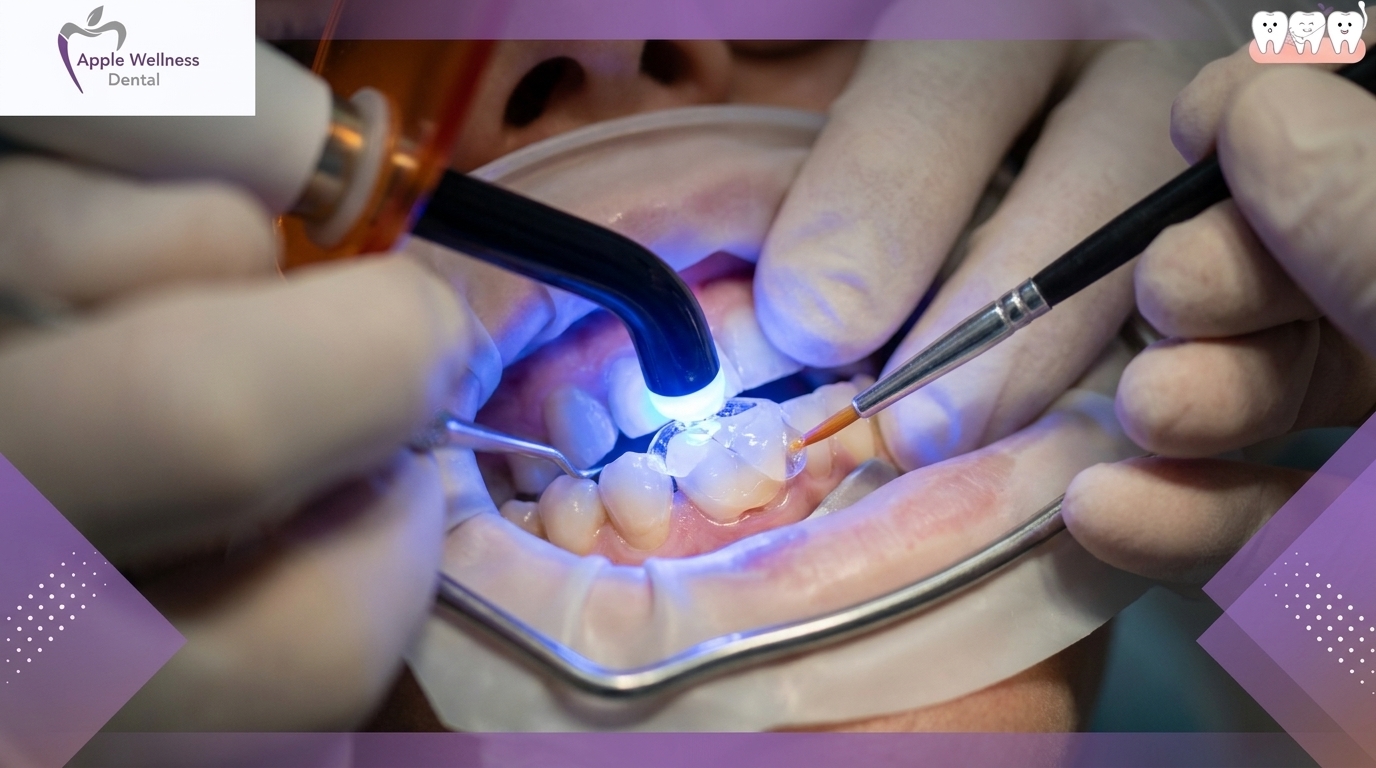
Once the tooth is prepared, the natural structure is exposed and temporarily vulnerable. To secure the permanent restoration, dentists utilize a highly specialized, multi-step chemical bonding protocol. First, the surface of the prepared tooth is etched with a mild phosphoric acid gel. This creates microscopic porosities on the enamel, drastically increasing the surface area for the adhesive.
Next, a silane coupling agent and a specialized resin cement are applied. When cured with an intense blue light, the liquid resin hardens, creating a micromechanical interlocking bond between the porous tooth surface and the internal surface of the ceramic. This seal is completely watertight when executed correctly, preventing bacteria from infiltrating the space between the restoration and the natural tooth.
In 2026, the advancement of bioactive dental cements has further improved this process. These modern adhesives release trace amounts of fluoride and calcium, helping to remineralize microscopic defects at the margin and actively protecting the enclosed tooth from decay.
Traditional Veneers vs. No-Prep Veneers
The extent of modification to the underlying tooth depends heavily on the type of veneer selected. The dental industry generally categorizes these into traditional preparations and “no-prep” or minimal-prep alternatives.
| Feature | Traditional Veneers | No-Prep Veneers |
|---|---|---|
| Enamel Removed | 0.3 mm to 0.5 mm | 0.0 mm to 0.2 mm |
| Reversibility | Strictly Irreversible | Theoretically Reversible (but highly difficult) |
| Best Suited For | Severe discoloration, moderate crowding | Small teeth, minor cosmetic tweaks |
| Tooth Vulnerability | Relies entirely on the veneer for protection | Maintains almost all natural defenses |
Do Teeth Rot Under Veneers? Debunking the Myth
A prevalent fear among patients is that their natural teeth will rot or decay out of sight beneath the ceramic shells. The clinical reality is that porcelain itself cannot decay. However, the natural tooth structure underneath remains entirely susceptible to cavities if bacteria manage to penetrate the seal.
Decay under a restoration typically occurs at the margin—the exact microscopic line where the veneer meets the natural tooth, usually near the gumline. This phenomenon is known as microleakage. If plaque accumulates at the margin due to poor brushing habits or a high-sugar diet, the bacteria produce acids that erode the tooth structure, tunneling underneath the veneer.
Dr. Michael Apa, a leading aesthetic dentist, notes: “Veneers do not ruin teeth; poor execution and lack of patient maintenance do. A perfectly sealed margin protects the underlying tooth, but the patient must maintain impeccable oral hygiene to keep that margin secure over the decades.”
Statistical data from the National Library of Medicine indicates that secondary caries (decay under restorations) occurs in fewer than 5% of veneer cases when the patient adheres to a strict regimen of bi-annual cleanings and proper home care. When decay does occur, it is often due to neglected periodontal (gum) health, causing the gums to recede and exposing the vulnerable root surface of the tooth.
The Lifespan of the Bond and Potential Vulnerabilities
While the underlying tooth is protected while the bond is intact, that bond is not infinitely invincible. Traditional porcelain restorations have an average lifespan of 10 to 15 years, though 2026 clinical tracking studies demonstrate that with optimal care, up to 91% survive past the 10-year mark, and many last well over 20 years.
Over time, the natural tooth undergoes biomechanical stress. Daily chewing generates forces exceeding 200 pounds of pressure per square inch. While the ceramic is highly durable, the resin cement holding it to the tooth can fatigue. If a patient suffers from bruxism (chronic teeth grinding), the relentless force can cause the porcelain to fracture or the cement seal to crack. Once the seal is broken, saliva and bacteria infiltrate the underlying tooth, initiating decay without the patient immediately realizing it.
Furthermore, as patients age, natural gum recession is common. Even a millimeter of recession will expose the root of the natural tooth below the veneer margin. Unlike the crown of the tooth, the root is not covered by protective enamel; it is composed of cementum and dentin, which decay much faster when exposed to acidic oral environments.
How to Protect the Underlying Tooth Structure
Protecting the teeth beneath your cosmetic dental work requires a proactive approach. The Canadian Dental Association emphasizes that restorative dentistry demands a lifelong commitment to maintenance.
- Wear a Custom Night Guard: Over 80% of dental professionals emphasize night guard usage for extending the longevity of restorations. This prevents the nocturnal grinding forces from shattering the porcelain or weakening the adhesive bond.
- Use Non-Abrasive Toothpaste: Highly abrasive whitening toothpastes can scratch the porcelain polish and aggressively wear down the natural tooth root if the gums have receded. Opt for a gentle, fluoride-rich or hydroxyapatite-based toothpaste.
- Maintain Periodontal Health: Flossing daily is non-negotiable. Flossing clears the plaque from the interproximal spaces and the marginal gingiva, preventing the microleakage that leads to hidden decay.
- Avoid Using Teeth as Tools: Opening packages, biting nails, or chewing on ice puts catastrophic shearing forces on the veneer, risking both the ceramic and the underlying tooth structure.
- Adhere to Bi-Annual Examinations: Routine dental check-ups allow clinicians to inspect the margins under high magnification and take targeted X-rays to ensure the underlying dentin remains healthy and decay-free.
Can a Veneered Tooth Be Restored to Its Original State?
One of the most critical factors for patients to understand is the irreversibility of the procedure. Because enamel is an acellular tissue (meaning it contains no living cells), it cannot heal, regenerate, or grow back once it has been removed by a dental bur.
Dr. Gordon Christensen, a prominent prosthodontist and clinical researcher, emphasizes this reality: “The irreversible nature of enamel preparation demands meticulous case selection. Once that 0.5 millimeter is gone, the tooth is committed to a restoration for life.”
If a veneer chips, cracks, or fails after 15 years, the patient cannot simply choose to have it removed and live with their natural teeth. The underlying tooth has been permanently altered; without a protective covering, it would be highly sensitive to hot and cold temperatures, visibly smaller, abnormally shaped, and extremely susceptible to rapid decay. Therefore, entering into this cosmetic commitment means accepting a lifetime of maintenance and inevitable replacement cycles.
Expert Insights on Dental Restorations in 2026
As we navigate 2026, the landscape of cosmetic dentistry has shifted towards hyper-conservative preparation techniques. The integration of 3D digital scanning, artificial intelligence in smile design, and ultra-translucent lithium disilicate ceramics allows dentists to craft incredibly thin restorations.
Historically, aggressive tooth reduction was required to mask dark stains or correct severe misalignments. Today, advanced opaquing resins and biomimetic protocols allow clinicians to achieve stunning results while leaving up to 30% more of the natural enamel intact compared to techniques used a decade ago. This preservation of the natural tooth structure underneath ensures better long-term vitality of the dental pulp and drastically reduces the incidence of post-operative sensitivity.
However, regardless of technological advancements, the biological principles remain exactly the same. The tooth beneath the restoration is a living organ in the human body. It requires a pristine environment, free from persistent bacterial attack, to thrive over the course of a patient’s life.
Conclusion
Understanding the state of your natural teeth beneath dental restorations is vital for making informed cosmetic decisions. The procedure involves the permanent removal of a micro-thin layer of enamel to accommodate the new ceramic shell. While the tooth remains alive and structurally sound, it becomes permanently dependent on the restoration for protection. Decay is entirely preventable through rigorous daily hygiene, routine clinical check-ups, and the use of protective oral appliances like night guards. By committing to excellent maintenance, you can ensure that both your outward smile and the natural tooth structure underneath remain healthy and vibrant for decades.
If you have questions about cosmetic dental procedures or want to evaluate if your natural teeth are healthy enough for restorations, professional guidance is essential. Contact us today to schedule a comprehensive consultation with our team.
Frequently Asked Questions (FAQ)
Do teeth rot under veneers?
No, teeth do not inherently rot under veneers. However, if the bonding margin fails or if a patient has poor oral hygiene, bacteria can infiltrate beneath the restoration and cause cavities in the underlying natural tooth structure.
Is the tooth shaved down to a peg?
No, modern veneer preparations are incredibly conservative. Typically, only 0.3 to 0.5 millimeters of the front enamel is removed, meaning the tooth largely retains its original shape and size underneath.
Are my natural teeth still alive underneath?
Yes, the natural tooth remains fully vital. The internal dentin, pulp chamber, blood vessels, and nerves continue to function normally beneath the protective ceramic shell.
Can I go back to my natural teeth later?
Traditional preparations are irreversible because dental enamel does not regenerate. Once a tooth is prepared for a restoration, it will always require a covering to remain functional, aesthetic, and pain-free.
How often do veneers need to be replaced?
On average, porcelain restorations last between 10 and 15 years. With excellent oral hygiene, routine dental visits, and the use of a nighttime mouthguard, many last well over 20 years before requiring replacement.
References
- American Dental Association (ADA) – Clinical Guidelines on Restorative Materials. https://www.ada.org
- National Library of Medicine (PubMed) – Survival rates of porcelain laminate veneers and incidence of secondary caries. https://pubmed.ncbi.nlm.nih.gov
- Canadian Dental Association (CDA) – Maintenance of Cosmetic Restorations. https://www.cda-adc.ca