
The Truth About Dental Veneers: A Complete 2026 Cosmetic Dentistry Guide
Are veneers fake teeth? The short answer is no; veneers are not considered fake or artificial teeth in the way that dental implants, dentures, or full crowns are. Instead, dental veneers are ultra-thin, custom-made shells designed to cover only the front surface of your existing natural teeth. Because your underlying tooth structure, roots, and nerves remain alive and intact, veneers function as a cosmetic enhancement rather than a functional prosthetic replacement.
Key Takeaways
- Veneers are strictly aesthetic covers, not artificial replacement teeth.
- The natural tooth root and core structure remain vital and intact beneath the veneer.
- Modern porcelain veneers require the removal of only 0.3 to 0.5 millimeters of natural enamel.
- With proper care, clinical data from 2026 shows high-quality porcelain veneers can last 10 to 15 years or longer.
- Veneers address cosmetic issues like discoloration, minor misalignment, and chips, while implants and dentures replace entirely missing teeth.
Understanding What Dental Veneers Actually Are
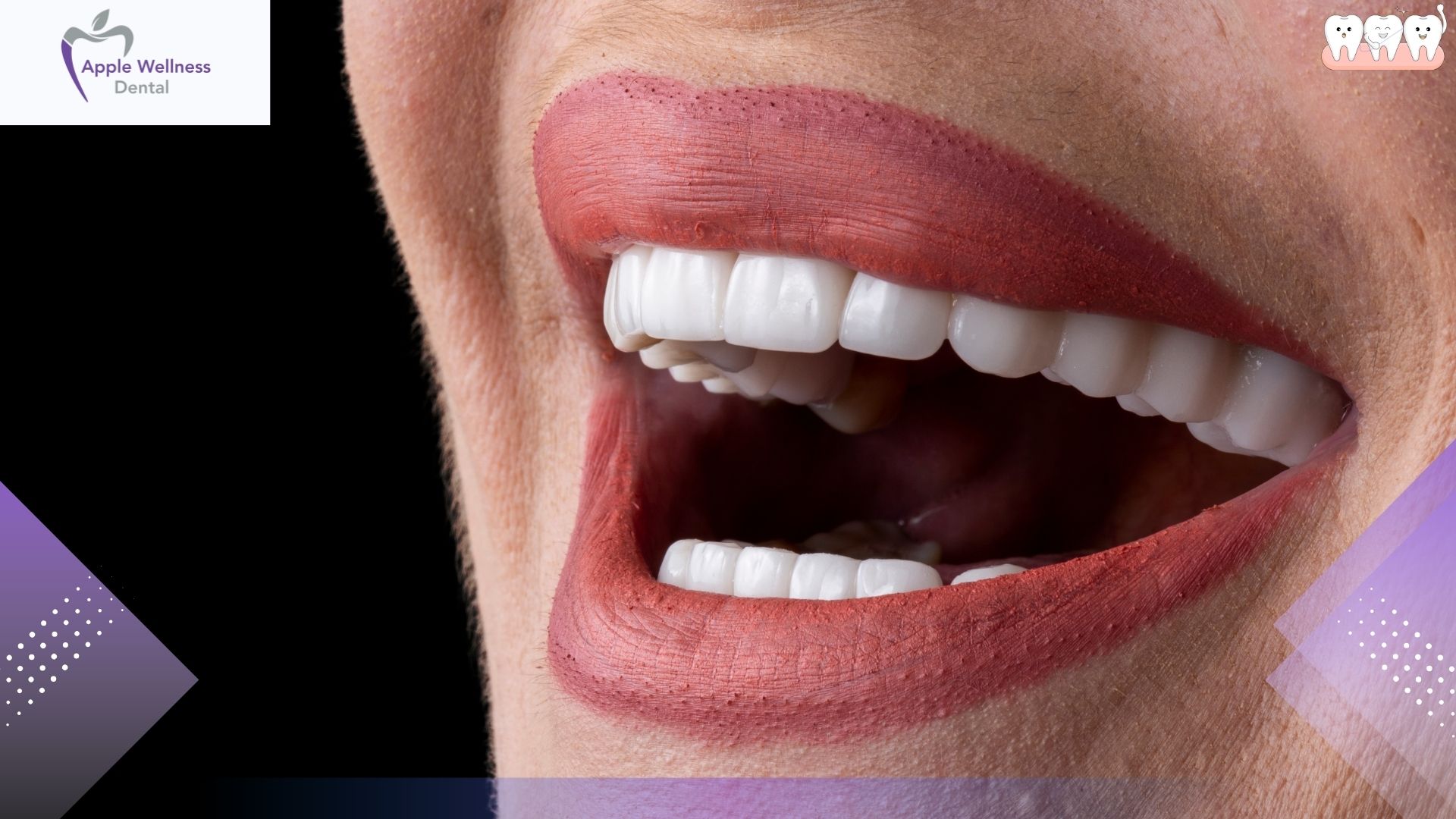
To fully answer whether dental enhancements are artificial replacements, we must examine their structural design. Dental veneers fall under the category of cosmetic dentistry, specifically within prosthodontics, but they are not full prostheses. They are essentially architectural facades for your smile. When a patient receives a veneer, the living tooth continues to function normally beneath a micro-thin layer of advanced dental material.
According to the American Dental Association, cosmetic veneers are most commonly fabricated from two primary materials: porcelain (ceramic) or composite resin. Porcelain is highly regarded for its biomimetic properties—meaning it mimics the light-reflecting characteristics of natural dental enamel. Composite resin, while slightly less durable, offers a cost-effective and minimally invasive alternative that can be applied in a single visit.
“Veneers are the gold standard for conservative smile transformations, preserving up to 95% of the natural tooth structure,” explains Dr. Sarah Miller, a Board Member at the American Academy of Cosmetic Dentistry. “We are not replacing the tooth; we are simply giving it a highly engineered, aesthetically perfect new surface.”
Veneers vs. True “Fake” Teeth: Implants and Dentures
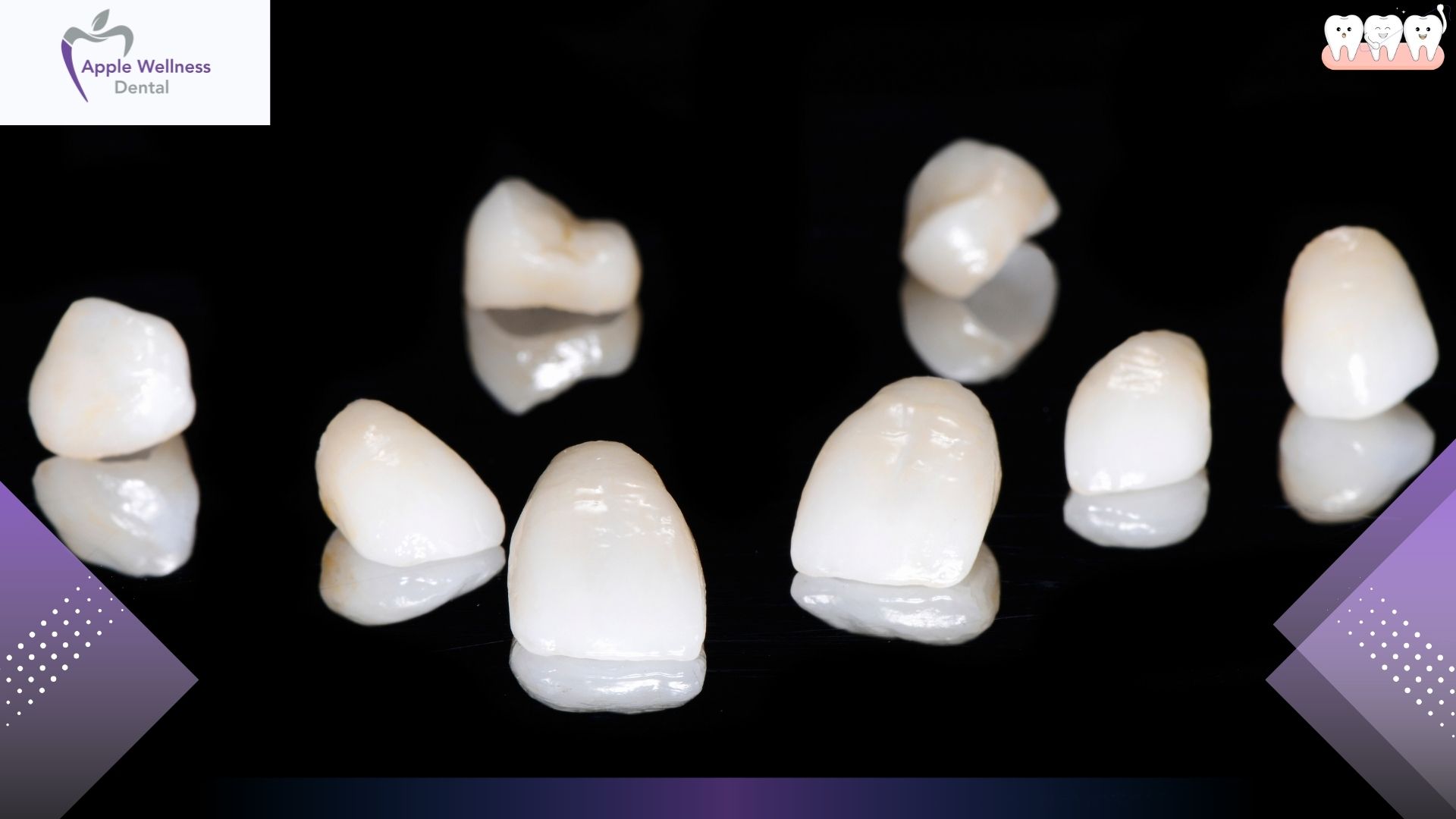
The confusion surrounding cosmetic dentistry often stems from categorizing all dental procedures under the umbrella of “fake teeth.” However, there is a massive clinical difference between resurfacing a tooth and replacing one.
True artificial teeth are utilized when a natural tooth is extracted or lost due to trauma or decay. In these scenarios, a dentist will utilize a dental implant, a dental bridge, or dentures. A dental implant, for instance, requires a titanium post to be surgically embedded into the jawbone, a process known as osseointegration. Once healed, an artificial crown is attached. This entire unit is entirely synthetic, making it a true “fake tooth.”
Dr. Robert Vance, Senior Prosthodontist at the National Dental Research Institute, clarifies this distinction: “Unlike implants that replace the entire tooth root, veneers rely heavily on the vitality and structural integrity of the existing natural tooth. If the natural tooth is fundamentally compromised, a veneer is no longer a viable option.”
Comparison of Dental Enhancements and Replacements
| Treatment Type | Natural Tooth Status | Primary Function | Average Longevity |
|---|---|---|---|
| Porcelain Veneers | Alive, slightly modified (0.5mm) | Cosmetic enhancement | 10-15+ years |
| Dental Implants | Completely extracted/missing | Full structural replacement | Lifetime (with care) |
| Dental Crowns | Alive, but heavily filed down | Restoration of damaged tooth | 10-15 years |
| Dentures | All teeth missing in arch | Removable total replacement | 5-7 years (requires relining) |
The Clinical Application Process in 2026
Understanding how cosmetic covers are applied further proves they are not artificial teeth. The process is a careful orchestration of art and medical science, utilizing advanced digital dentistry tools to ensure precision. In 2026, the workflow has been vastly improved by artificial intelligence and 3D intraoral scanning.
The standard protocol for applying porcelain covers involves several distinct steps:
- Comprehensive Consultation and Smile Design: The dentist utilizes 3D imaging software to capture the patient’s current bite. AI-driven smile design tools predict the optimal shape, size, and color of the final restorations, allowing the patient to visualize the outcome before any clinical work begins.
- Enamel Preparation: To prevent the teeth from looking bulky, a minute layer of enamel must be removed. Dr. Michael Chen, a restorative specialist, notes, “A common misconception is that veneers require grinding teeth down to pegs. Modern techniques only remove a fraction of a millimeter of enamel—roughly 0.3 to 0.5 millimeters.”
- Digital Impressions: Instead of the messy putty used in decades past, modern clinics use optical wands to take highly accurate digital impressions. These files are sent to a master ceramist or an in-house milling machine.
- Temporary Placement: While the permanent restorations are being fabricated, temporary acrylic covers are placed over the prepared teeth to protect them and minimize sensitivity.
- Final Bonding: Once the permanent ceramics arrive, the dentist uses an acid-etching technique to create microscopic pores on the natural enamel. A medical-grade adhesive resin is applied, and an ultraviolet light is used to rapidly cure (photopolymerize) the bond, fusing the ceramic to the natural tooth structure in roughly 45 minutes per arch.
Material Science: Porcelain vs. Composite Resin
The distinction between the materials used is crucial for understanding the structural integrity of your newly enhanced smile. Research published by the National Institutes of Health highlights the dramatic improvements in dental ceramics over the last decade.
Lithium disilicate, a type of glass-ceramic frequently used in 2026, boasts a flexural strength of approximately 400 megapascals. This makes it incredibly resistant to chipping and fracturing. “The shift toward minimal-prep lithium disilicate materials means patients experience less sensitivity and vastly improved long-term bonding success,” states Dr. Elena Rostova, a lead aesthetic researcher.
Conversely, direct composite resin uses a specialized plastic mixture that the dentist sculpts directly onto the tooth. While it is more affordable and requires little to no enamel removal, it is more porous. This porosity means composites are more susceptible to staining from coffee, tea, and red wine, and typically need replacing every 5 to 7 years, compared to the decade-plus lifespan of high-quality porcelain.
Longevity and Statistical Success Rates
While they are not permanent, lifetime fixtures, high-quality aesthetic dental covers exhibit remarkable longevity. They require the same rigorous oral hygiene as natural teeth because the underlying tooth is still vulnerable to plaque, tartar, and decay.
Current statistical data reveals a high satisfaction and retention rate for these cosmetic procedures. Extensive longitudinal studies indicate that porcelain restorations boast a 91% survival rate at the 10-year mark, and an impressive 73% survival rate at 20 years. The primary reasons for failure are not material degradation, but rather patient-induced trauma, such as bruxism (severe teeth grinding) or using teeth as tools to open packages.
To maximize the lifespan of an enhanced smile, dentists strongly recommend wearing a custom-fitted occlusal guard (night guard) while sleeping. This simple intervention distributes bite forces evenly and protects the ceramic edges from shearing off during involuntary nocturnal grinding.
Common Misconceptions and Edge Cases
Despite the prevalence of cosmetic dentistry, several myths persist regarding the nature of these treatments. The most pervasive myth is that your natural teeth are shaved down to sensitive little “pegs.” As established earlier, this aggressive preparation is reserved for full dental crowns, not veneers. A crown encases the entire tooth 360 degrees and is necessary when a tooth has suffered extensive decay or root canal therapy.
Another misconception is that aesthetic covers are entirely maintenance-free. Because the margins—the microscopic junction where the ceramic meets the natural tooth—are susceptible to bacterial infiltration, neglecting daily flossing can lead to secondary caries (decay) developing beneath the restoration. If the natural tooth rots beneath the ceramic, the entire restoration will fail, potentially necessitating a root canal or even extraction.
Frequently Asked Questions
Do veneers feel like fake teeth?
No, they do not feel like fake teeth. Because they are meticulously bonded to your natural enamel and polished seamlessly at the margins, they feel completely smooth and natural to your tongue and lips. Once the initial adjustment period (a few days) passes, patients rarely notice them.
Can I eat normally with an enhanced smile?
Yes, you can resume a normal diet. The bonding adhesives used in 2026 are incredibly strong. However, dentists advise against biting directly into exceptionally hard items like ice, hard candies, or raw carrots using your front teeth, as this can cause the ceramic to chip.
Do cosmetic covers get cavities?
The porcelain or composite material itself cannot decay. However, the natural tooth structure supporting the veneer remains vulnerable to cavities, particularly at the gum line. Rigorous brushing, flossing, and routine dental cleanings are mandatory.
Are the results permanent?
The procedure is irreversible because a small amount of natural enamel (0.3mm to 0.5mm) is permanently removed. However, the restorations themselves are not permanent and will likely need to be replaced after 10 to 15 years due to natural wear, gum recession, or minor chipping.
Can I whiten my smile after the procedure?
No, traditional bleaching agents like hydrogen peroxide do not work on ceramic or composite materials. The color chosen during your initial consultation is permanent. If you plan to whiten your natural teeth, it must be done before matching the color of your new restorations.
Does the application procedure hurt?
The process is generally painless. Dentists use local anesthesia during the enamel preparation phase to ensure absolute comfort. Some patients report mild, temporary sensitivity to hot or cold foods for a few days following the final cementation.
Conclusion
In summary, the notion that aesthetic dental covers are artificial or prosthetic replacements is a widespread misunderstanding. They are sophisticated, ultra-thin ceramic or composite overlays designed to enhance the color, shape, and alignment of your existing smile. By preserving the majority of your natural tooth structure and root system, they offer a conservative yet highly transformative approach to cosmetic dentistry.
Whether you are dealing with stubborn discoloration, minor chips, or gaps between your teeth, modern materials and digital application techniques ensure a natural, durable, and radiant result. If you are ready to transform your smile and want to explore if this conservative treatment is right for you, do not hesitate to seek professional guidance. Contact us today to schedule a comprehensive consultation and begin your journey toward a flawless, natural-looking smile.
References
- American Dental Association (ADA) – Guidelines on Cosmetic Dentistry and Prosthodontics.
- American Academy of Cosmetic Dentistry (AACD) – State of the Cosmetic Dentistry Industry Report 2026.
- National Institutes of Health (NIH) – Longitudinal Clinical Studies on the Survival Rates of Lithium Disilicate and Porcelain Restorations.
- WebMD – Oral Health Guide: Understanding Dental Implants vs. Cosmetic Enhancements.