
Healing Safely: The Complete Guide to Smoking After Tooth Extraction
Can I smoke 4 days after tooth extraction? It is one of the most common questions dental professionals hear from patients navigating their post-operative recovery. The short and definitive answer is that while you have passed the most critical 72-hour window, smoking on day four still carries a significant risk of disrupting your healing process and causing a painful condition known as dry socket. Dentists strongly recommend waiting a minimum of 5 to 7 days before resuming smoking, as the delicate blood clot inside the extraction site is still stabilizing.
Key Takeaways
- The 72-Hour Minimum: While the first 3 days are the most critical for clot formation, day 4 is still an active healing phase where the clot is vulnerable.
- Physical Risk (Suction): The negative pressure created by inhaling smoke or vapor can physically dislodge the blood clot.
- Chemical Risk (Nicotine): Nicotine is a vasoconstrictor that restricts blood flow, depriving the extraction site of essential oxygen and nutrients needed for healing.
- Dry Socket Danger: Smoking significantly increases the chances of developing alveolar osteitis (dry socket), a severely painful complication requiring emergency dental intervention.
- Safer Alternatives: If cravings are unmanageable, transdermal nicotine patches are a much safer alternative to combustible cigarettes or vapes during the first week of recovery.
The Healing Cascade: What Is Happening in Your Mouth on Day 4?
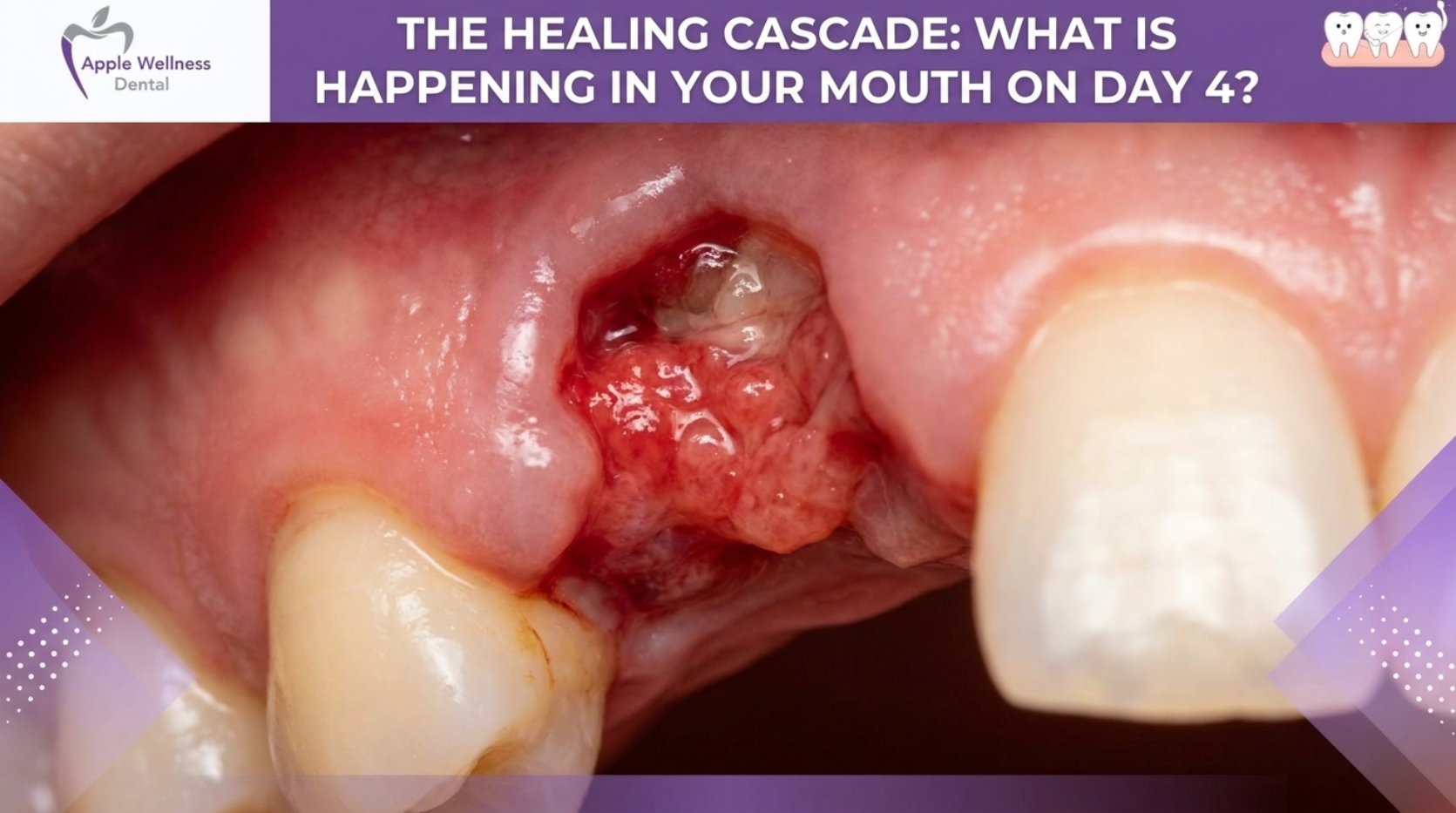
To understand why lighting up a cigarette four days post-surgery is risky, it is essential to look at the physiological healing cascade. When a tooth is removed, the body immediately begins a complex sequence of events to repair the resulting void in the jawbone. Within the first 24 hours, hemostasis occurs, and a foundational blood clot forms. This clot serves as a protective biological scab over the underlying bone and delicate nerve endings.
By day four, the extraction site enters the proliferation phase. During this time, the initial fragile blood clot is beginning to transition into granulation tissue. Granulation tissue is a matrix of new connective tissue and microscopic blood vessels that form on the surfaces of a wound during the healing process. While the clot is more stable on day four than it was on day one, it is not yet fully secure. It takes approximately 7 to 10 days for the gum margins to fully close over the socket. Disrupting this transition phase can revert your healing process back to day one, exposing bone and nerves.
The Dual Threat of Smoking: Chemical and Physical Dangers
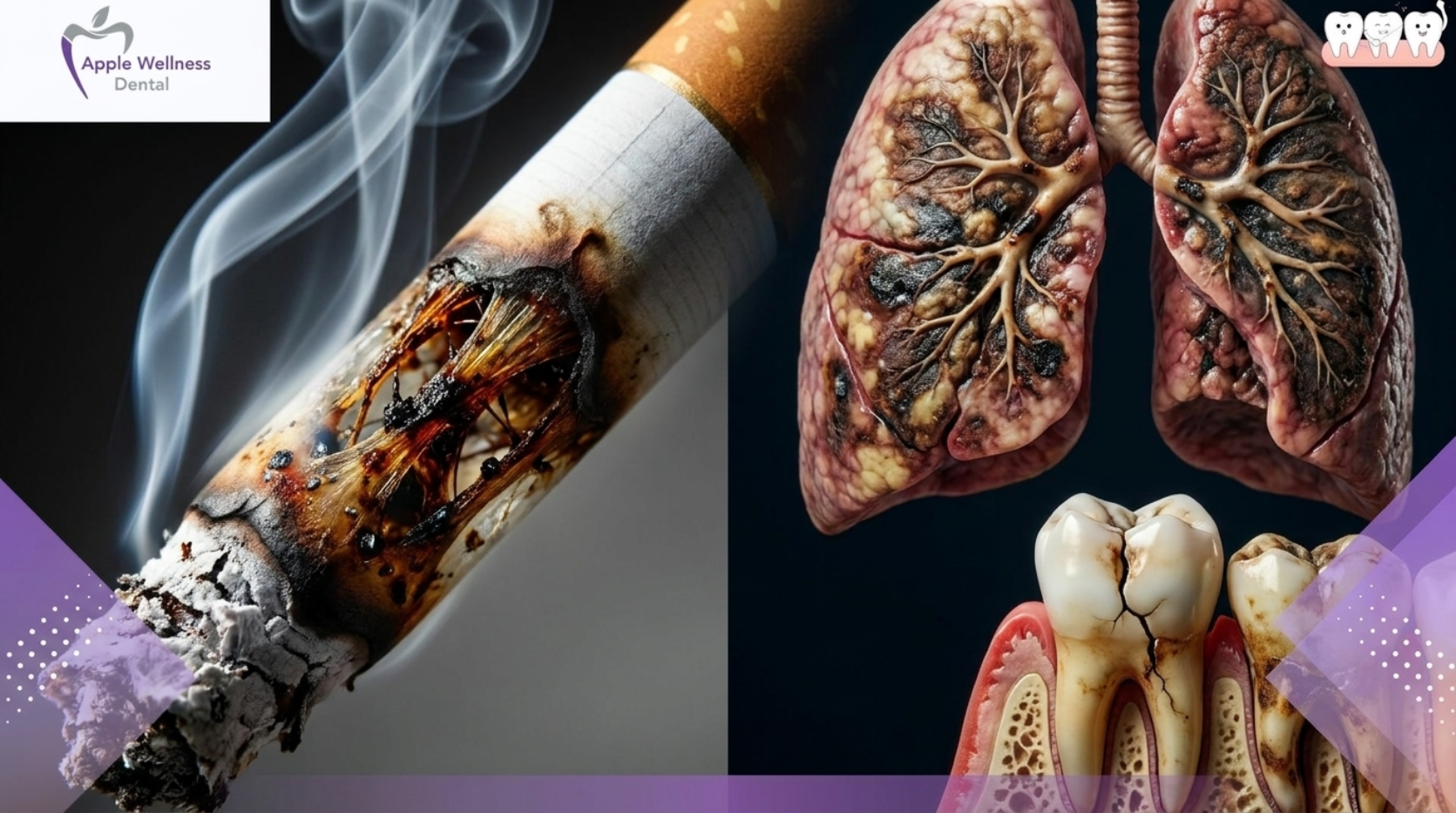
Smoking poses a unique dual threat to oral surgery sites. It is not merely the smoke itself that causes damage, but the mechanical action of smoking combined with the toxic chemistry of tobacco products.
The Physical Danger: Negative Intraoral Pressure
When you draw on a cigarette, cigar, or vaping device, you create negative pressure inside your oral cavity. This suction force acts like a vacuum. Because the newly forming granulation tissue on day four is still relatively fragile, this suction can literally pull the protective blood clot right out of the socket. Once the clot is lost, it does not reform. This physical dislodgement is the primary trigger for the excruciating complication known as dry socket.
The Chemical Danger: Vasoconstriction and Hypoxia
Beyond the physical suction, the chemical composition of cigarette smoke presents severe biological hurdles. Nicotine is a potent vasoconstrictor, meaning it causes blood vessels to narrow. Proper wound healing requires robust blood flow to deliver oxygen, white blood cells, and vital nutrients to the surgical site. When nicotine enters the bloodstream, it chokes off this local blood supply—a process known as tissue hypoxia. Furthermore, carbon monoxide from combustible smoke binds to hemoglobin in your blood, further starving the healing gum tissue of necessary oxygen.
Understanding Alveolar Osteitis (Dry Socket)
Alveolar osteitis, commonly referred to as dry socket, is the most dreaded complication following exodontia (tooth extraction). Research data indicates that the general incidence of dry socket is between 2% and 5% for standard dental extractions. However, this statistical risk soars to over 20% for more complex surgeries, such as the removal of impacted mandibular third molars (lower wisdom teeth).
Crucially, smoking profoundly magnifies this risk. According to clinical guidelines provided by the American Dental Association, patients who smoke face up to a 300% greater risk of developing a dry socket compared to non-smokers. If a dry socket occurs, patients experience severe, throbbing pain that radiates up the side of the face into the ear, neck, or temple. This pain is typically accompanied by halitosis (bad breath) and an unpleasant taste in the mouth. It is an extremely painful condition that cannot be managed with standard over-the-counter pain medications and requires an immediate return to the dental clinic for medicated dressings.
Comparing the Timelines: How Long Should You Actually Wait?
Current dental guidelines in 2026 strongly advise against smoking for as long as possible post-surgery. While the absolute minimum threshold is often cited as 72 hours, extending this period drastically improves healing outcomes.
| Post-Op Timeline | Status of Blood Clot | Risk Level if Smoking |
|---|---|---|
| Days 1 – 3 | Extremely fragile; forming initial seal. | Critical/Severe Risk. Highest chance of dry socket. |
| Day 4 – 6 | Transitioning to granulation tissue. | High/Moderate Risk. Clot can still be dislodged by suction. |
| Day 7 – 10 | Gum margins beginning to close. | Low Risk. Healing is generally stabilized, though healing is still delayed by nicotine. |
| Day 14+ | Gum tissue essentially closed. | Minimal Risk. Socket is protected. |
Are E-Cigarettes and Vaping Safer Than Combustible Cigarettes?
A common misconception among patients is that vaping is a safe alternative to traditional cigarettes during the dental recovery phase. This is entirely false. While e-cigarettes do not produce carbon monoxide or tar, they still present the exact two primary dangers that cause dry socket: suction and nicotine.
In fact, many vaping devices require a harder, more forceful draw than a traditional cigarette. This increased negative intraoral pressure makes the physical dislodgement of the blood clot even more likely. Furthermore, many e-liquids contain high concentrations of nicotine. As the Centers for Disease Control and Prevention has extensively documented, nicotine fundamentally compromises the immune system and significantly delays the body’s natural wound-healing processes. Whether the nicotine is delivered via combustible smoke or vapor, the vasoconstrictive effects on your gum tissue remain the same.
Step-by-Step Guide: How to Manage Nicotine Cravings Safely
Quitting smoking, even temporarily, is incredibly challenging. Nicotine withdrawal symptoms peak within the first three days, making the post-operative period highly stressful. If you are struggling with cravings on day four, follow these actionable steps to protect your extraction site while managing withdrawal:
- Utilize Transdermal Nicotine Patches: Nicotine patches deliver a steady stream of nicotine through the skin, entirely bypassing the oral cavity. This eliminates the suction risk and prevents toxic chemicals from directly touching the surgical site.
- Consider Nicotine Lozenges Carefully: While preferable to smoking, lozenges still require sucking. If you must use them, let them dissolve passively without creating suction in the mouth. Do not chew them vigorously.
- Stay Hydrated: Drinking plenty of cold water can help satisfy oral fixation and flush toxins from the body. Remember, never drink through a straw during the first week of recovery, as this creates the same negative pressure as a cigarette.
- Keep Your Mouth Clean: Gently rinse your mouth with warm salt water (do not spit forcefully; let the water fall out of your mouth) to keep the area clean and reduce the urge to smoke.
- Distract the Oral Fixation: Chew on soft sugar-free gum (if approved by your dentist and not chewed near the extraction site) or snack on soft, healthy foods like yogurt or applesauce to keep your mouth occupied.
Harm Reduction: What If You Absolutely Cannot Wait?
As dental and medical professionals, the only medically sound advice is strict abstinence from smoking for at least seven days. However, from a harm reduction perspective, if a patient finds it impossible to wait and decides to smoke on day four, specific precautions must be taken to minimize—though not eliminate—the risk of catastrophic complications.
First, never smoke with an exposed socket. Dampen a piece of sterile gauze and gently bite down over the extraction site. This provides a physical barrier between the toxic smoke and the fragile blood clot. Second, draw as lightly as humanly possible. Do not take deep, forceful drags that maximize negative pressure in the mouth. Third, keep your lips slightly parted when inhaling to allow ambient air in, which reduces the vacuum effect inside the oral cavity. Finally, immediately after smoking, perform a gentle warm salt water rinse to cleanse the area of lingering tar and chemicals. Understand that even with these precautions, you are actively jeopardizing your recovery.
When to Contact Your Dental Professional
Vigilance is key during the first week of exodontia recovery. Even if you have refrained from smoking or used extreme caution, complications can occasionally arise. You should immediately reach out to your dental care team if you experience any of the following symptoms:
- Severe pain that worsens rather than improves after day three.
- Pain that radiates to your ear, temple, or neck on the side of the extraction.
- A sudden, foul taste or terrible odor coming from your mouth that does not go away with rinsing.
- Visible white bone in the socket instead of a dark red or grayish blood clot.
- Persistent bleeding that cannot be controlled by biting on gauze.
- A fever exceeding 100.4°F (38°C) or profound swelling in the jaw and neck, which may indicate systemic infection.
Early intervention is crucial. Dry sockets are incredibly painful but can be treated effectively in the clinic by flushing the area and packing it with a medicated dressing that provides near-instantaneous relief.
Frequently Asked Questions
What happens if I took one puff of a cigarette after tooth extraction?
Taking a single puff introduces suction and chemicals to the mouth, but the risk depends on the force of the drag. If you only took one light puff, rinse your mouth gently with warm salt water immediately. Do not panic, but refrain from smoking any further to ensure the blood clot remains intact.
Can I smoke through my nose after tooth extraction?
While some patients attempt to inhale smoke through the nose to bypass the mouth, this is not recommended. The sinus cavities are connected to the oral cavity, and toxic chemicals and nicotine still enter the bloodstream, causing vasoconstriction that delays healing across the entire body.
How do I know if I have a dry socket?
The primary symptom of a dry socket is severe, radiating pain that typically begins 3 to 5 days after the extraction. You may also notice a foul odor, a bad taste, and the absence of a visible dark blood clot in the socket, often revealing the underlying yellowish-white bone.
Does smoking weed have the same risks as tobacco after an extraction?
Yes. The physical act of inhaling marijuana creates the exact same harmful suction (negative pressure) that dislodges blood clots. Furthermore, the heat and chemical combustion byproducts irritate the healing tissues and increase the risk of infection.
Can I put wet gauze over the extraction site while smoking?
Placing wet gauze over the site can act as a physical barrier to protect the clot from direct heat and chemical exposure. However, it does not prevent the negative suction pressure from pulling at the clot, nor does it stop nicotine from entering the bloodstream and delaying healing.
Is day 4 safe for vaping?
No, day 4 is not considered fully safe for vaping. Vaping devices often require significant suction, which can easily dislodge the stabilizing blood clot. It is highly recommended to wait a full 7 days before resuming vaping.
Conclusion
Recovering from a tooth extraction requires patience and strict adherence to post-operative guidelines. While the intense pain and swelling typically subside by the fourth day, the microscopic healing processes occurring inside your jaw are still heavily underway. Introducing combustible smoke, hot vapors, toxic chemicals, and vacuum-like suction into the oral cavity on day four aggressively undermines your body’s ability to heal. To avoid the excruciating pain of a dry socket and ensure a smooth, infection-free recovery, abstain from smoking for at least a full week.
If you are experiencing abnormal pain, suspect you have dislodged your blood clot, or need professional advice on managing your dental recovery, do not hesitate to seek help. Get in touch with our team immediately so we can evaluate your healing progress and provide the necessary relief.
References
- American Dental Association (ADA). Clinical Guidelines for Post-Extraction Care. https://www.ada.org
- Centers for Disease Control and Prevention (CDC). Smoking and Oral Health Effects. https://www.cdc.gov
- National Institutes of Health (NIH). The Pathogenesis of Alveolar Osteitis. https://www.nih.gov
- World Health Organization (WHO). Tobacco Effects on Immune Response and Wound Healing. https://www.who.int