
The Complete 2026 Guide to Dental Veneer Costs and Insurance Coverage
How much is a full set of veneers with insurance? For patients exploring aesthetic dental enhancements in 2026, a standard “full set” (typically six to eight front teeth) of porcelain veneers averages between $5,400 and $20,000, while composite resin options range from $2,400 to $12,000. However, because standard dental insurance providers classify veneers as an elective cosmetic procedure, insurance typically covers $0 of the base cost. In rare circumstances where veneers are deemed medically necessary to repair severe structural damage or decay, an insurance plan may cover up to 50% of the cost for the specific affected teeth, subject to the patient’s annual maximum limit (usually between $1,000 and $2,500).
Key Takeaways
- Total Out-of-Pocket Cost: A full set of porcelain veneers generally costs $5,400 to $20,000; composite veneers cost $2,400 to $12,000.
- Insurance Classification: Veneers are classified as cosmetic and elective, meaning dental insurance policies typically offer zero coverage.
- The Restorative Exception: If a veneer is required to fix a fractured or severely decayed tooth, insurance may cover up to 50% under “major restorative” benefits.
- Annual Maximums: Even if approved, insurance payouts are capped by an annual maximum, which typically maxes out at $2,500 per year in 2026.
- Financing Alternatives: Health Savings Accounts (HSAs), Flexible Spending Accounts (FSAs), and third-party payment plans are the most effective ways to manage the cost of a full set.
Understanding the True Cost of a “Full Set” of Veneers
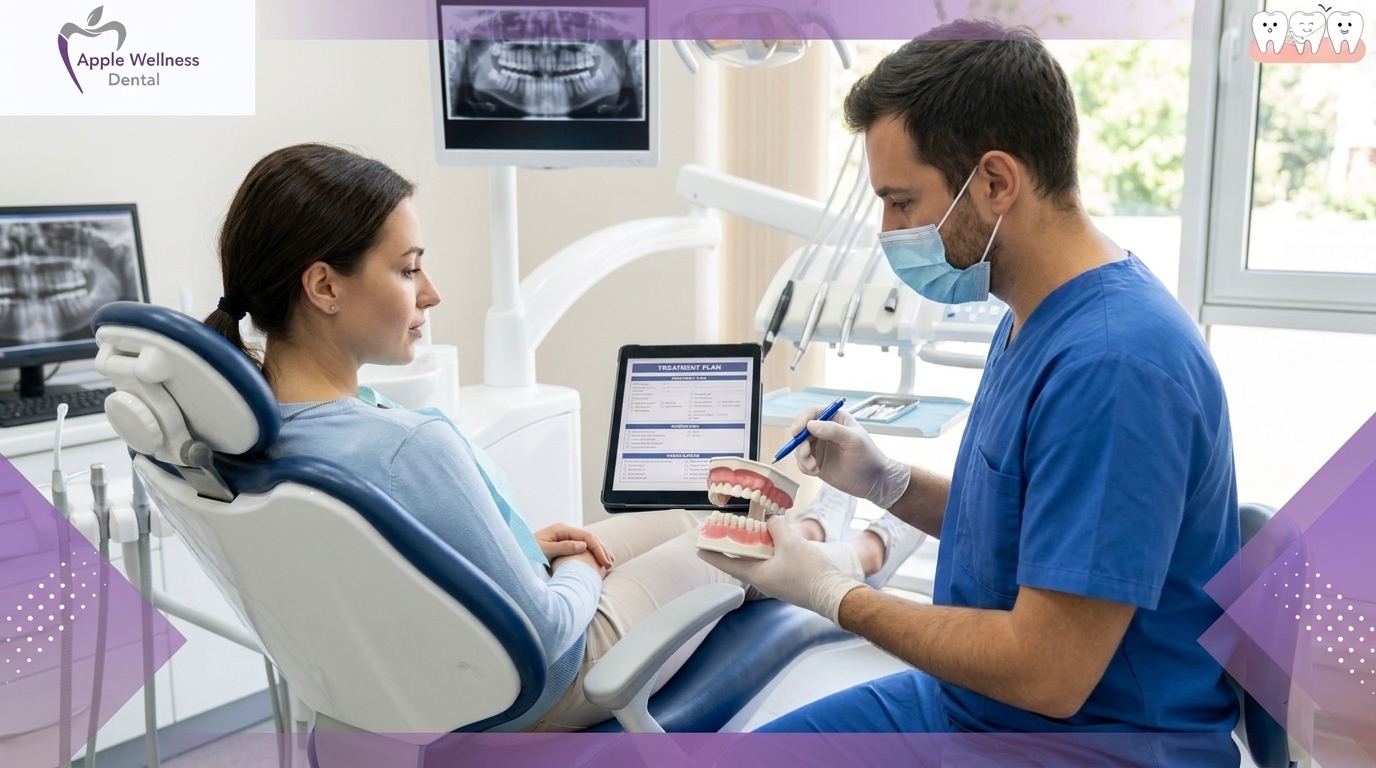
When patients ask about a full set of veneers, there is often a misconception that this refers to all 32 adult teeth. In cosmetic dentistry, a full set refers specifically to the “esthetic zone”—the teeth visible when you smile. For most patients, this means six to eight maxillary (upper) teeth. Occasionally, patients will also opt for the corresponding mandibular (lower) teeth, bringing the total to 12 or 16 veneers.
The total cost of your treatment is calculated on a per-tooth basis, heavily influenced by the material you choose and the geographical location of your dental practice. In 2026, dental material technologies have advanced, offering highly durable options, but these innovations come with a premium price tag.
Porcelain Laminate Veneers
Porcelain veneers are the gold standard in cosmetic dentistry due to their superior durability, stain resistance, and photorealistic light-reflecting properties. According to general industry data, porcelain veneers currently cost between $900 and $2,500 per tooth. For a standard set of eight upper teeth, the total out-of-pocket expense before any financing or insurance intervention ranges from $7,200 to $20,000. Porcelain veneers are fabricated in a specialized dental laboratory, which adds to the overhead cost.
Composite Resin Veneers
Composite veneers are a more affordable, minimally invasive alternative. Rather than being manufactured in a lab, composite resin is applied and sculpted directly onto the tooth by your dentist during a single visit. Composite veneers generally cost between $400 and $1,500 per tooth. A full set of eight composite veneers will cost between $3,200 and $12,000. While more budget-friendly, composite material is more susceptible to staining and typically requires replacement every five to seven years, compared to the 10-to-15-year lifespan of porcelain.
How Dental Insurance Views Veneers

To understand why insurance rarely covers veneers, it is essential to understand how dental insurance providers classify treatments. Dental policies are strictly governed by the concept of “medical necessity.”
As Dr. Matthew Messina, a consumer advisor for the American Dental Association (ADA), has previously explained in industry discussions: “Cosmetic dentistry is aimed at creating a positive change to your teeth and to your smile, which most insurance plans consider elective.”
| Classification | Definition | Typical Insurance Coverage | Examples |
|---|---|---|---|
| Preventive | Routine care to prevent disease. | 100% | Exams, cleanings, x-rays |
| Basic Restorative | Minor repairs for functional health. | 70% – 80% | Fillings, simple extractions |
| Major Restorative | Complex structural repairs. | 50% | Crowns, bridges, medically necessary veneers |
| Cosmetic / Elective | Aesthetic improvements. | 0% | Teeth whitening, standard veneers |
Because the primary purpose of a standard veneer is to improve the shape, color, or alignment of an otherwise healthy tooth, insurers categorize the D-codes (standardized dental procedure codes) associated with them as cosmetic. Consequently, claims submitted for aesthetic smile makeovers will be universally denied by providers.
The Restorative Exception: When Insurance Will Pay
While blanket coverage for a “full set” is functionally non-existent, individual teeth within that set might qualify for coverage if they meet stringent restorative criteria. If a tooth has suffered severe structural compromise, an insurer may classify a veneer as a major restorative procedure rather than an elective one.
Conditions that may trigger restorative coverage include:
- Severe Enamel Erosion: Often caused by chronic acid reflux or severe bruxism (teeth grinding) that exposes the underlying dentin, causing pain and structural weakness.
- Traumatic Injury: A tooth that has been chipped, fractured, or broken in an accident.
- Enamel Hypoplasia: A developmental defect resulting in thin, deficient, or entirely absent enamel, leaving the tooth highly vulnerable to decay.
- Extensive Decay: When a cavity is too large for a standard filling but does not entirely require a full-coverage dental crown.
In these specific scenarios, your dental office will submit clinical notes, x-rays, and intraoral photographs proving that the veneer is required to save the tooth. If approved, the insurance provider typically covers up to 50% of the cost for that specific tooth, not the entire cosmetic set.
The Limitation of Annual Maximums in 2026
Even if you successfully prove medical necessity for several teeth, you will rapidly hit a financial ceiling known as the annual maximum. The annual maximum is the highest total dollar amount your dental insurance will pay toward your care within a 12-month period.
Despite inflation and the rising costs of dental technology, annual maximums have remained notoriously stagnant. According to financial experts at platforms like Investopedia, the standard annual dental maximum typically ranges from $1,000 to $2,500.
If you require three medically necessary porcelain veneers at $1,500 each, the total cost is $4,500. Insurance covers 50% ($2,250). However, if your annual maximum is $1,500, the insurance will only pay $1,500. You are responsible for the remaining $3,000 out-of-pocket. Therefore, relying on insurance for large-scale veneer work is rarely a viable financial strategy.
Step-by-Step Guide to Affording a Full Set of Veneers
Since standard insurance will not cover an elective smile makeover, patients must utilize alternative financial strategies. Here is a step-by-step approach to managing the investment of a full set of veneers in 2026:
- Request a Pre-Treatment Estimate: Before committing to any procedure, have your dental office submit a pre-treatment estimate to your insurance company. This official document will outline exactly what, if anything, the insurer will cover, eliminating financial surprises.
- Maximize Tax-Advantaged Accounts: If your veneers are prescribed to correct a medical issue (like severe bruxism damage), you may be able to use funds from a Health Savings Account (HSA) or Flexible Spending Account (FSA). These accounts allow you to pay for qualifying medical expenses using pre-tax dollars, which can effectively reduce your overall cost by 20% to 30%, depending on your tax bracket. Note that purely cosmetic procedures usually do not qualify for HSA/FSA spending, so documentation of medical necessity is crucial.
- Enroll in a Dental Savings Plan: Unlike traditional insurance, dental savings plans (or discount plans) do not have annual maximums, deductibles, or waiting periods. In exchange for an annual membership fee, patients gain access to a network of dentists who offer procedures—including cosmetic treatments like veneers—at discounted rates, often 10% to 25% lower than the standard fee.
- Explore Third-Party Financing: The most common way patients afford a full set of veneers is through specialized healthcare financing. Platforms like CareCredit or Proceed Finance allow patients to break the $10,000+ cost into manageable monthly payments. Many of these lenders offer 0% introductory APR periods ranging from 6 to 24 months for qualifying applicants.
- Phase the Treatment: If a full set of eight veneers is financially out of reach, speak to your dentist about phasing the treatment. While it is cosmetically ideal to place all front veneers at once to ensure perfect color matching, an expert cosmetic dentist can sometimes place four central veneers one year, and the lateral incisors the following year, spreading the cost.
Alternative Options to Traditional Veneers
If the cost of a full set of porcelain or composite veneers remains prohibitive, consult your dental team about alternative cosmetic treatments that can yield dramatic results at a fraction of the cost. According to patient resources from WebMD, treatments like professional chairside teeth whitening, dental bonding, and clear aligner therapy can correct discoloration, minor chips, and mild malocclusion without the high price tag of laboratory-fabricated restorations.
Conclusion
Understanding how much a full set of veneers is with insurance requires distinguishing between elective aesthetics and necessary restorative care. While a full, Hollywood-style smile makeover will be entirely an out-of-pocket expense ranging from $5,400 to $20,000, exceptions exist for structurally damaged teeth. By leveraging pre-treatment estimates, tax-advantaged savings accounts, and strategic financing plans, achieving your ideal smile is entirely possible in 2026.
If you are considering enhancing your smile and want to understand the exact costs for your unique clinical needs, do not guess at the numbers. Contact us today to schedule a comprehensive consultation, and our administrative team will help you explore your insurance benefits and financing options.
References
- American Dental Association (ADA). Guidelines on Dental Classifications and Medical Necessity. https://www.ada.org
- Canadian Dental Association (CDA). Information on Cosmetic and Restorative Dentistry. https://www.cda-adc.ca
- Investopedia. Understanding Flexible Spending Accounts (FSAs) and Health Savings Accounts (HSAs) for Dental Care. https://www.investopedia.com
- WebMD. Dental Veneers: Cost, Procedure, and Alternatives. https://www.webmd.com