
The Complete 2026 Guide to Dental Bridge Longevity: Lifespan, Care, and Replacement
How long do bridges last? On average, a high-quality dental bridge will last between 10 and 15 years, though with meticulous oral hygiene and routine professional care, some restorations can successfully remain intact for 20 years or more. The ultimate lifespan of this dental prosthetic depends heavily on the materials used, the structural integrity of the supporting abutment teeth, and the patient’s daily habits, including diet and oral maintenance routines.
Key Takeaways
- Average Lifespan: Most conventional fixed bridges last 10 to 15 years before requiring replacement or repair.
- Material Impact: Zirconia and gold restorations typically offer the longest durability compared to traditional porcelain-fused-to-metal (PFM) options.
- Crucial Maintenance: Daily flossing underneath the pontic (the artificial tooth) is the single most important factor in preventing secondary decay.
- Warning Signs: Increased tooth sensitivity, localized gum inflammation, or a loose feeling in the prosthetic are immediate indicators that an evaluation is necessary.
- Modern Advancements: In 2026, 3D intraoral scanning and AI-assisted milling have significantly improved the marginal fit of bridges, thereby extending their potential lifespans.
Understanding the Mechanics of a Fixed Dental Prosthesis
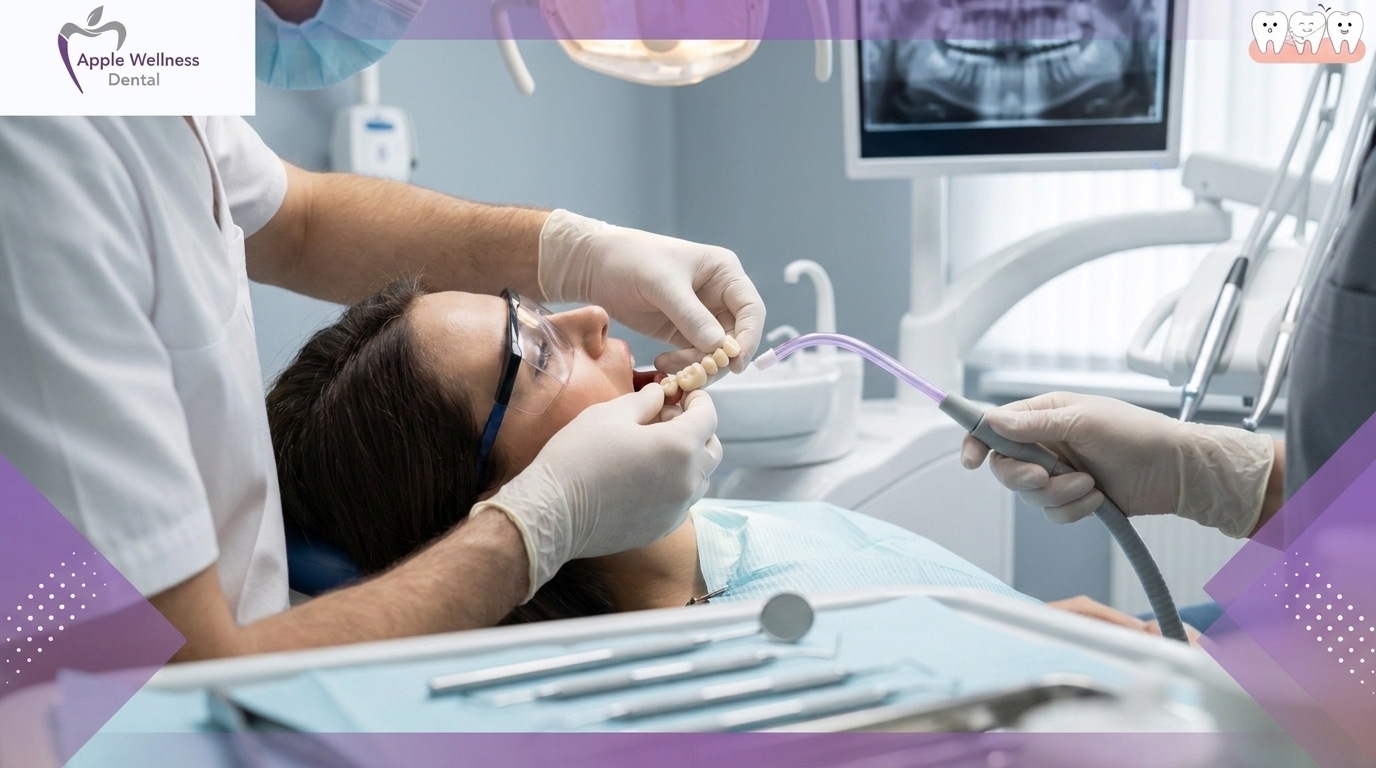
To accurately gauge the longevity of a dental restoration, it is essential to understand its structural anatomy. A traditional bridge consists of two main components: the abutment teeth (the natural teeth on either side of the gap that serve as anchors) and the pontic (the artificial tooth that bridges the gap). The entire unit is cemented permanently in place.
Because the pontic relies entirely on the abutments for support, the bridge is only as strong as its foundation. If the natural teeth anchoring the restoration suffer from decay, or if the surrounding bone is weakened by periodontal disease, the prosthetic will fail regardless of how durable its manufacturing material might be. As Dr. Richard Stevens, a clinical prosthodontist, explains: “The longevity of any fixed dental prosthesis relies heavily on the structural integrity of the underlying abutment teeth. We do not just treat the gap; we must secure the biological environment around it.”
Types of Restorations and Their Average Durability
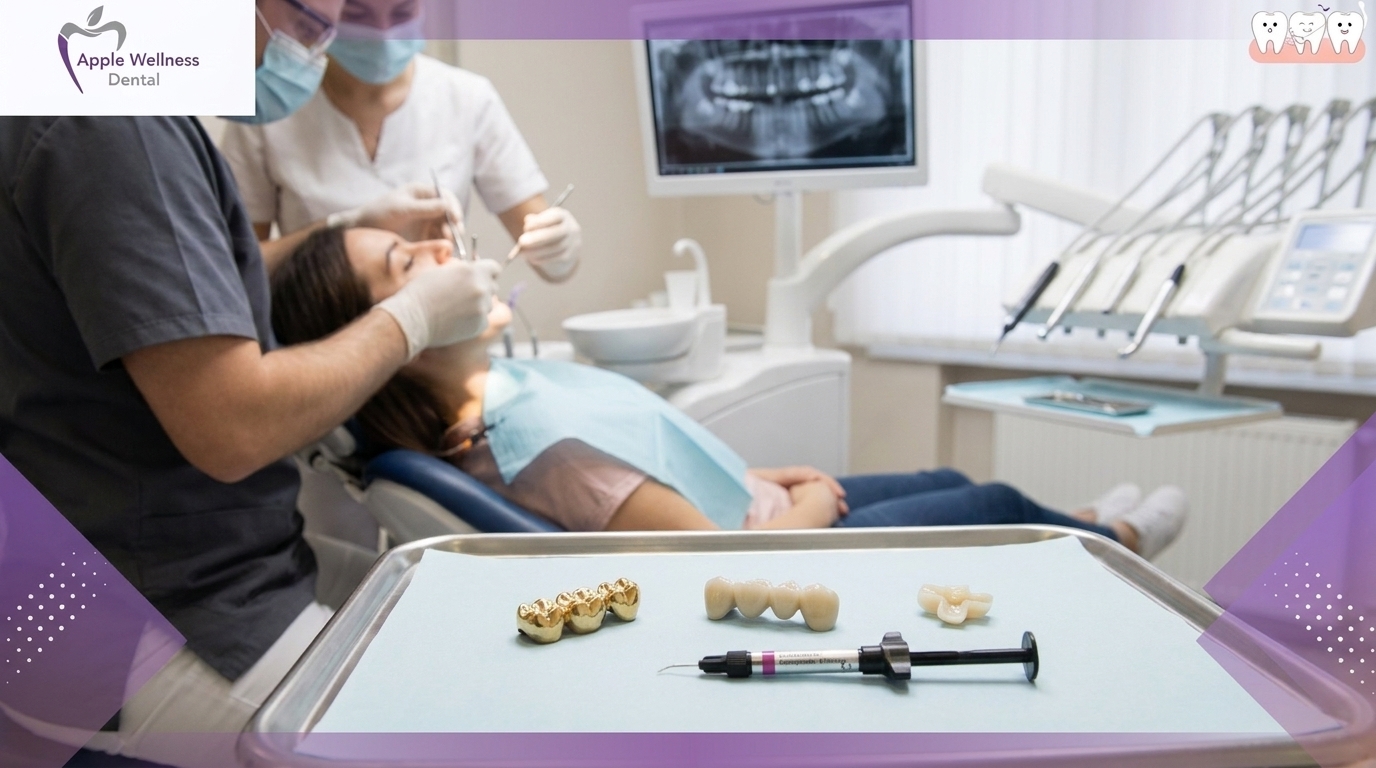
Not all restorations are engineered identically. The configuration of the prosthetic significantly influences how well it distributes bite forces, which directly impacts its expected lifespan.
Traditional Fixed Bridges
This is the most common type, utilizing natural teeth on both sides of the gap for support. Because bite forces are distributed evenly across two anchors, traditional fixed models exhibit excellent longevity, regularly surviving the standard 10 to 15-year benchmark. Studies archived by the National Center for Biotechnology Information indicate a 10-year survival rate of over 90% for well-maintained conventional fixed partial dentures.
Cantilever Bridges
When there is an adjacent tooth on only one side of the missing tooth space, a cantilever design may be utilized. Because it is only supported on one end, it acts as a lever during chewing. This uneven distribution of mechanical stress makes cantilever designs slightly more prone to failure, typically offering a shorter lifespan of 7 to 10 years, particularly if placed in the posterior (back) of the mouth where chewing forces are highest.
Maryland (Resin-Bonded) Bridges
Instead of crowning the adjacent teeth, a Maryland bridge uses a metal or porcelain framework bonded to the backs of the abutment teeth. While this is a more conservative approach that preserves natural tooth structure, the bonding resin can degrade over time. These restorations generally last 5 to 10 years and are primarily recommended for front teeth where bite forces are minimal.
Implant-Supported Restorations
Rather than relying on natural teeth, these are supported by titanium dental implants surgically placed into the jawbone. According to industry statistics from the American Dental Association (ADA), implant-supported prosthetics boast the highest durability. While the porcelain crowns may need replacement after 15 years due to normal wear, the underlying titanium implants can last a lifetime, boasting a 97% survival rate over a decade.
Material Matters: Comparing Longevity by Composition
The dental materials industry has seen massive innovations leading up to 2026. The specific material chosen for your restoration plays a definitive role in its resistance to fractures, wear, and aesthetic degradation.
| Material Type | Estimated Lifespan | Primary Advantages | Common Vulnerabilities |
|---|---|---|---|
| Zirconia (Monolithic) | 15 – 20+ Years | Exceptional fracture resistance, highly biocompatible. | Can be difficult to remove if endodontic treatment is needed. |
| Porcelain-Fused-to-Metal (PFM) | 10 – 15 Years | Strong metallic core combined with tooth-colored exterior. | Porcelain exterior can chip; metal margin may show over time. |
| All-Ceramic / Lithium Disilicate | 10 – 15 Years | Superior natural aesthetics and translucency. | Not as strong as Zirconia; typically restricted to anterior (front) teeth. |
| Gold Alloy | 20 – 30+ Years | Unmatched longevity; gentle on opposing natural teeth. | Poor aesthetics (metallic color), highly visible. |
5 Critical Factors That Impact Restoration Lifespans
While materials set the baseline, everyday factors ultimately determine if a restoration will reach its 15-year potential or fail prematurely.
1. Oral Hygiene and Plaque Control
The leading cause of prosthetic failure is recurrent caries (new tooth decay) forming on the abutment teeth at the margin—the microscopic junction where the crown meets the natural tooth structure. If plaque accumulates at this margin, decay will undermine the foundation, causing the structure to loosen and fail.
2. Bruxism (Teeth Grinding)
Bruxism places extreme, unnatural forces on dental restorations. Research from the WebMD medical network notes that chronic teeth grinding affects up to 30% of adults. The continuous friction can fracture porcelain, chip zirconia, and weaken dental cements. Wearing a custom-fitted occlusal guard (nightguard) while sleeping is critical for patients with this condition.
3. Periodontal Health
Healthy bone and gingival (gum) tissues are required to anchor the abutment teeth. Periodontal disease causes bone loss, leading to tooth mobility. If the anchor teeth become mobile, the entire prosthetic system is compromised.
4. Dietary Habits
Chewing on ice, hard candies, unpopped popcorn kernels, or utilizing teeth as tools (such as opening packages) dramatically increases the risk of catastrophic fracture to the ceramic materials used in most modern restorations.
5. The Practitioner’s Precision
The skill of the clinician during the preparation and impression phases is paramount. A well-fitting prosthetic ensures a tight seal against bacterial microleakage. In 2026, the adoption of digital intraoral scanners has dramatically reduced human error in impressions, leading to better-fitting margins and, consequently, longer-lasting restorations.
Step-by-Step Guide: How to Maximize the Life of Your Prosthetic
To ensure your dental work lasts up to two decades, proactive maintenance is required. Follow these clinical steps to preserve your investment:
- Brush Twice Daily with Non-Abrasive Toothpaste: Use a soft-bristled toothbrush and a fluoride or nano-hydroxyapatite toothpaste. Highly abrasive whitening pastes can create micro-scratches on ceramic surfaces, removing their protective glaze.
- Clean Under the Pontic Daily: Standard flossing cannot reach beneath the artificial tooth. You must use a specialized tool such as a floss threader, SuperFloss, or a high-quality water flosser to remove trapped food debris and plaque from the tissue surface underneath the pontic.
- Attend Professional Cleanings Bi-Annually: Even with perfect home care, calculus (tartar) will accumulate in hard-to-reach areas. A dental hygienist has the specialized instruments necessary to safely remove calculus around the margins without scratching the prosthetic.
- Wear Prescribed Protective Devices: If you are diagnosed with bruxism or participate in contact sports, rigorously use a custom nightguard or athletic mouthguard.
Warning Signs Your Restoration May Need Replacement
Even with excellent care, materials fatigue over time. It is crucial to recognize the symptoms of failure early to prevent damage to the underlying natural teeth. Schedule a clinical evaluation immediately if you experience any of the following:
- Increased Sensitivity: A sudden sensitivity to hot, cold, or sweet foods often indicates that decay has penetrated the margin and reached the natural dentin of the abutment tooth.
- Mobility or Shifting: The unit should feel completely solid. If you detect a “clicking” sound or feel any movement when chewing, the dental cement may have washed out, or the underlying tooth may be fractured.
- Gum Inflammation and Bleeding: Persistent redness, swelling, or bleeding around the anchor teeth points to gingivitis or periodontal disease, which can rapidly undermine the restoration’s support.
- Visible Chips or Cracks: While small chips in the porcelain can sometimes be polished or repaired with composite resin, large structural cracks compromise the integrity of the unit and require full replacement.
- Bad Taste or Odor: A persistent metallic or foul taste localized to one area can signify bacterial leakage underneath the crowns, where food and plaque are festering.
Frequently Asked Questions
Can a dental restoration last a lifetime?
While highly improbable for traditional fixed options, it is not entirely impossible. With meticulous oral hygiene, a soft diet, and a high-noble gold composition, some restorations have been documented to last over 30 years. However, most patients will need at least one replacement during their lifetime.
Does it hurt when a prosthetic needs to be replaced?
No, the replacement process is completely manageable. The clinician will use local anesthesia to ensure you are entirely numb. The old material is carefully sectioned and removed, the underlying teeth are cleaned of old cement and any new decay, and a new digital impression is taken.
Can I whiten my artificial teeth if they stain?
No, traditional dental bleaching agents only work on natural enamel. Ceramic and porcelain materials will not change color with whitening treatments. If the surrounding natural teeth become stained or if you whiten them, the prosthetic may no longer match, which is a common aesthetic reason for replacement.
Is it normal for my new restoration to feel bulky?
It is normal to experience a slight adjustment period lasting a few days as your tongue and cheeks adapt to the new shape. However, if your bite feels uneven, high, or if you experience pain when closing your teeth together, you must return to your practitioner for an occlusal adjustment.
What happens if I swallow a crown or pontic that falls off?
While alarming, swallowing a dental prosthetic is generally not a medical emergency, as the materials are inert and will typically pass through the digestive system naturally. However, you should contact a medical professional to ensure it has not entered the airway, and visit your practitioner immediately to protect the exposed abutment teeth.
Does insurance cover the cost of replacing old restorations?
Most dental insurance plans have a “replacement clause” that covers a portion of the replacement cost, provided the original prosthetic was placed at least 5 to 7 years ago. Coverage varies widely, so it is highly recommended to have your clinical administrative team submit a pre-treatment estimate.
Conclusion
Advances in digital dentistry and material science in 2026 have made fixed prosthetics more durable and lifelike than ever before. While the average lifespan remains between 10 and 15 years, your daily habits, oral hygiene regimen, and commitment to bi-annual checkups serve as the true determining factors of longevity. By maintaining the health of your abutment teeth and protecting the ceramics from excessive force, you can maximize the return on your dental investment.
If you are experiencing sensitivity, notice mobility in your current restoration, or simply want to explore modern replacement options, professional evaluation is the first step. Early detection of marginal breakdown can save your natural teeth. Get in touch with our team today to schedule a comprehensive digital assessment and ensure your smile remains functional and beautiful for decades to come.
References
- American Dental Association (ADA) – Guidelines on prosthetic lifespans and material durability.
- National Center for Biotechnology Information – Longitudinal studies on the 10-year survival rates of fixed partial dentures.
- WebMD – Clinical data on the prevalence of bruxism and its impact on oral health.