
The Complete Post-Extraction Beverage Guide: Safely Returning to Your Morning Brew
When can I have coffee after tooth extraction? Generally, clinical guidelines recommend waiting at least 48 to 72 hours before consuming any coffee, especially hot varieties. Consuming hot or caffeinated beverages too early after oral surgery can disrupt the critical blood clot forming in the extraction site, leading to a painful complication known as dry socket. To ensure a smooth healing process, patients must transition carefully from water to cold coffee, and eventually back to their standard hot brew, following a strict recovery timeline.
Key Takeaways
- Wait 48-72 Hours: Absolute minimum time to wait before consuming any form of coffee.
- Start Cold: Introduce iced or lukewarm coffee before returning to hot beverages.
- Never Use a Straw: The suction can dislodge the blood clot, causing severe pain and delayed healing.
- Monitor Caffeine Intake: High caffeine levels can elevate blood pressure and encourage post-surgical bleeding.
- Beware of Dairy: Milk and creamers can introduce bacteria; rinse gently with saline after drinking.
Understanding the Oral Healing Cascade
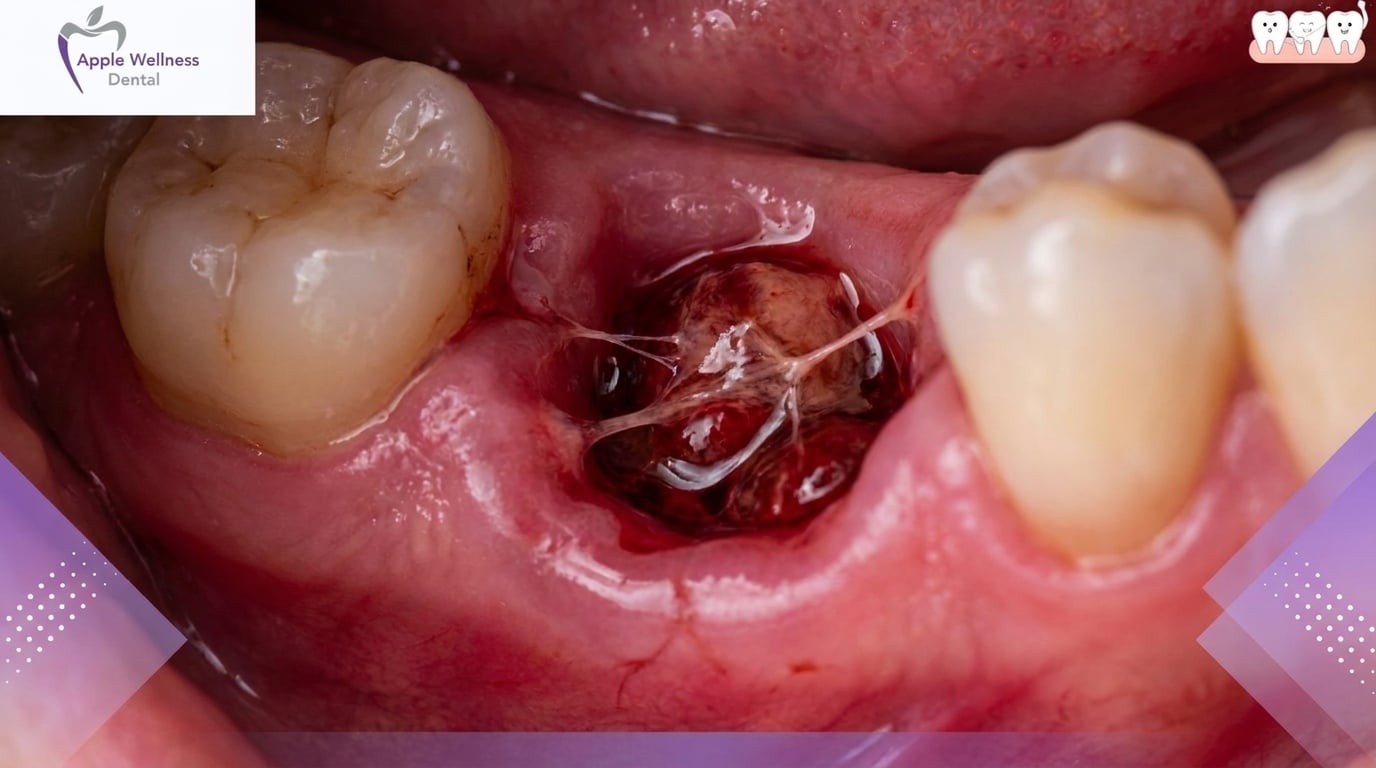
To understand why you must restrict your beverage choices, it is essential to understand what happens in your mouth immediately following an extraction. Once a tooth is removed from the jawbone, your body initiates a complex physiological healing cascade. According to clinical resources from the National Institutes of Health (NIH), the very first step is hemostasis—the stopping of blood flow.
Within the first 24 hours, a delicate fibrin blood clot forms in the empty alveolar socket. This clot serves as a biological bandage, protecting the exposed bone and sensitive nerve endings from the oral environment. Over the next several days, this clot acts as a foundational matrix for granulation tissue, which eventually hardens into new bone and soft gum tissue. Any activity that dissolves, dislodges, or prevents this clot from forming properly will stall the healing process.
Why is Coffee Problematic Immediately Post-Surgery?
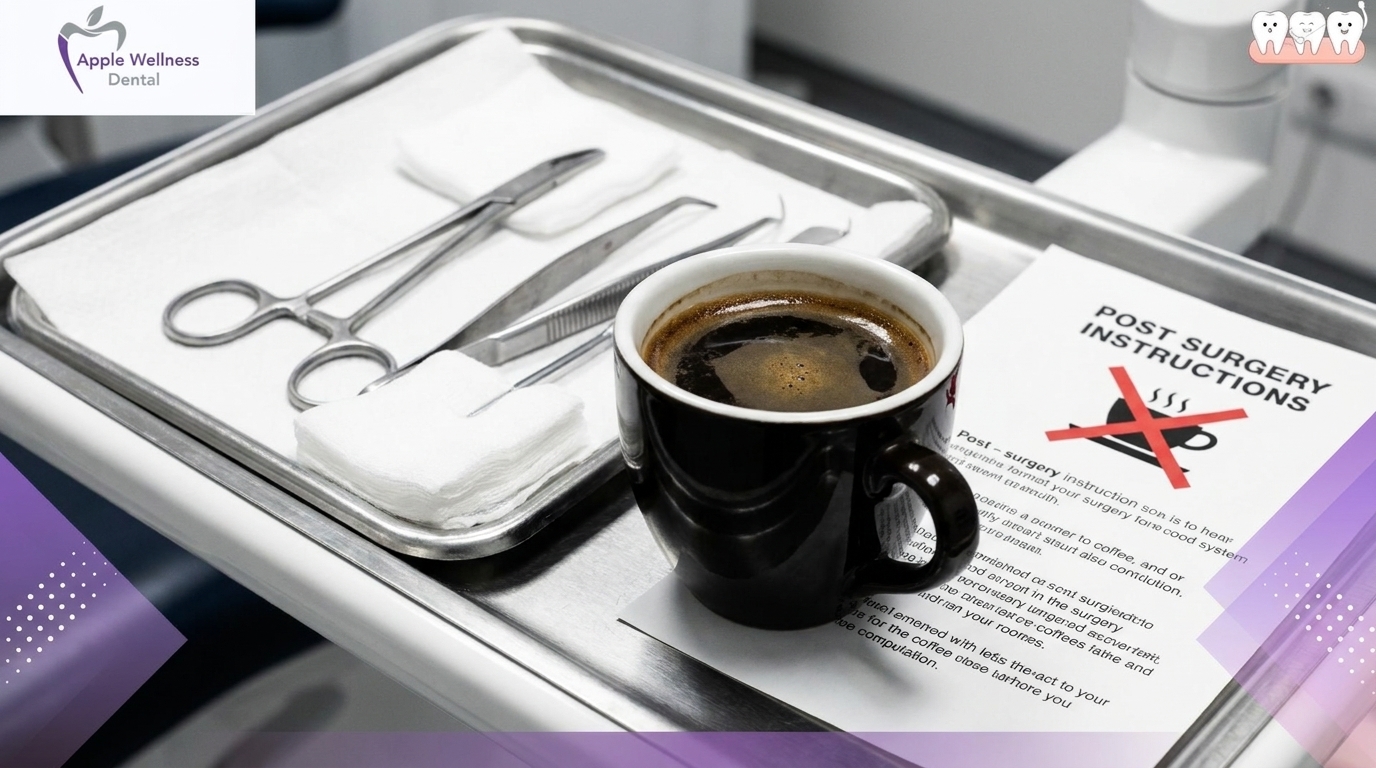
Many patients rely on their morning cup to start the day, but coffee introduces three distinct threats to a fresh surgical site: thermal trauma, chemical disruption, and mechanical risk.
1. The Heat Factor (Thermal Trauma)
Hot liquids act as potent vasodilators, meaning they widen blood vessels and increase localized blood flow. Introducing a hot liquid to a fresh extraction site can dissolve the fragile fibrin mesh of the blood clot before it fully stabilizes. Furthermore, heat stimulates bleeding, increasing the likelihood of secondary hemorrhage in the first 48 hours.
2. The Caffeine Factor (Chemical Disruption)
Caffeine is a central nervous system stimulant. According to cardiovascular data from the Mayo Clinic, consuming caffeine can cause a temporary but significant spike in blood pressure. Elevated systemic blood pressure translates to increased pressure in the tiny capillaries surrounding the extraction site, which can force the newly formed blood clot out of the socket.
3. The Straw Factor (Mechanical Risk)
Iced coffee might seem like a safe alternative to hot coffee, but it is frequently consumed through a straw. Sucking on a straw creates negative intraoral pressure—acting like a vacuum inside the mouth. This mechanical force is strong enough to physically rip the blood clot from the alveolar bone. Current 2026 dental best practices universally mandate the avoidance of straws for a minimum of 7 days post-extraction.
The Official 2026 Timeline for Resuming Coffee
To provide a clear path forward, dental professionals generally agree on the following post-operative beverage timeline. Adhering strictly to these milestones dramatically reduces the risk of complications.
| Recovery Phase | Beverage Guidelines | Temperature Restrictions | Straw Usage |
|---|---|---|---|
| Days 1-2 (0-48 Hours) | Strict avoidance of all coffee. Drink plain water or clear broths. | Cold or room temperature only. NO hot liquids. | Absolutely NO straws. |
| Days 3-4 (48-96 Hours) | Can introduce standard brewed coffee in moderation (1 cup/day). | Must be iced or lukewarm. | Absolutely NO straws. Sip directly from cup. |
| Days 5-7 | Normal consumption can resume based on comfort levels. | Warm to gently hot. Avoid scalding temperatures. | Avoid straws if possible, or use with extreme caution. |
| Day 8+ | Return to normal dietary habits assuming complete healing. | Normal hot temperatures allowed. | Straws permitted. |
The Risks of Premature Consumption: Understanding Dry Socket
When the blood clot fails to develop or is prematurely lost, the result is alveolar osteitis, universally referred to as a dry socket. The American Dental Association (ADA) warns that premature disruption of the extraction site clot is a primary catalyst for alveolar osteitis.
Statistics indicate that dry socket occurs in approximately 2% to 5% of routine dental extractions. However, this number spikes dramatically for impacted mandibular third molars (lower wisdom teeth), where the incidence rate can reach 20% to 30%. Symptoms typically manifest 3 to 4 days post-surgery and include a throbbing, radiating pain that over-the-counter analgesics cannot touch, along with a foul odor and bad taste in the mouth.
Step-by-Step Guide: Safely Reintroducing Coffee
Once you have passed the 48-to-72-hour mark, you must reintroduce your favorite beverage systematically. Follow these exact steps to ensure safety:
- Brew and Cool: Prepare your coffee as usual, but allow it to sit until it reaches room temperature, or pour it over ice. Do not consume it hot.
- Remove the Lid and Straw: If purchasing from a cafe, remove the plastic lid and throw away the straw. You must sip the liquid directly from the rim to avoid negative pressure.
- Control the Flow: Take small, deliberate sips. Do not swish the liquid forcefully around your mouth or directly over the extraction site.
- Rinse Promptly: Coffee is highly acidic (averaging a pH of 5.0). After finishing your drink, perform a gentle head-tilt rinse with a warm saltwater solution to neutralize acids and wash away microscopic coffee grounds that could lodge in the socket.
- Monitor Your Body: If you feel a sudden throbbing sensation or taste fresh blood after drinking, stop immediately and revert to drinking cold water for another 24 hours.
Coffee Variations: Iced, Decaf, and Dairy Considerations
Not all coffee is created equal when it comes to surgical recovery. The type of coffee you choose during days 3 through 5 can impact your healing trajectory.
Decaf vs. Caffeinated
Since caffeine can elevate blood pressure and heart rate, opting for decaffeinated coffee during the first week of recovery is an excellent choice. It provides the comforting routine and flavor without the cardiovascular stimulation that could encourage a secondary bleed.
Black Coffee vs. Dairy/Sugar Additives
Adding milk, cream, or heavy sugar to your coffee introduces a new risk factor: bacterial proliferation. Dairy products can coat the mouth and create an ideal breeding ground for oral bacteria. If you must add dairy to your lukewarm coffee, thorough—but gentle—oral hygiene post-consumption is strictly required to prevent localized infections.
Edge Cases: Simple Extractions vs. Impacted Wisdom Teeth
It is vital to recognize that recovery timelines are heavily dependent on the complexity of the surgical intervention.
For a routine, simple extraction of a front tooth (where the tooth was already loose and required minimal tissue manipulation), patients might comfortably enjoy a lukewarm coffee by hour 48. However, surgical extractions—such as the removal of impacted wisdom teeth requiring bone drilling and sutures—demand a much more conservative approach. The Canadian Dental Association (CDA) notes that extensive surgical trauma results in prolonged inflammation. In these severe cases, patients are advised to abstain from caffeinated beverages for a full 4 to 5 days to prevent complications.
Warning Signs: When to Seek Immediate Professional Help
If you accidentally consumed hot coffee too early, or if you suspect your clot has been compromised, be vigilant for the following clinical warning signs:
- Severe pain radiating to your ear, eye, or neck on the same side as the extraction.
- Visible bone in the socket (looking in the mirror, the site appears empty rather than filled with dark red tissue).
- A sudden return of bright red bleeding after the initial 24 hours.
- Fever, chills, or swelling that continues to worsen after the third day.
If any of these symptoms manifest, do not attempt to treat the site yourself with more warm liquids or aggressive brushing. Contact your dental provider immediately for professional intervention, which may include packing the socket with medicated dressing.
Frequently Asked Questions
What happens if I accidentally drink hot coffee 24 hours after extraction?
Drinking hot coffee at the 24-hour mark heavily increases the risk of dissolving the newly formed blood clot. If you accidentally take a sip, stop immediately, drink a glass of cold water to lower the intraoral temperature, and monitor the site for fresh bleeding or increased pain.
Can I drink iced coffee on day 2?
While iced coffee removes the risk of thermal trauma (heat), it still contains caffeine which can elevate blood pressure. It is highly recommended to wait until at least day 3, and if you do drink it, absolutely do not use a straw.
Does caffeine slow down the healing of oral tissues?
Caffeine itself does not directly stop cellular regeneration, but its systemic effects (increased heart rate and blood pressure) can disrupt the foundational clot formation necessary for the initial stage of the healing cascade.
Can I drink tea instead of coffee?
Mild herbal teas (like chamomile or peppermint) are excellent alternatives, provided they are served lukewarm or cold. Avoid highly caffeinated black or green teas for the first 48 hours for the same reasons you avoid coffee.
How do I get my energy without coffee during recovery?
Ensure you are staying incredibly well-hydrated with water, maintaining a nutritious soft-food diet, and resting adequately. The body requires vast amounts of energy to heal bone and tissue; fatigue during the first 48 hours is a normal physiological response that should not be masked with stimulants.
Conclusion
Returning to your morning routine after oral surgery requires a brief exercise in patience. By strictly avoiding coffee for the first 48 to 72 hours, steering clear of straws, and gradually reintroducing cold or lukewarm variations, you can protect your extraction site and avoid the excruciating pain of dry socket. Remember, every patient’s healing timeline is slightly unique based on the complexity of their surgery and their overall health profile.
If you are experiencing unusual pain, suspect you may have dislodged your blood clot, or need personalized guidance regarding your post-operative care, do not hesitate to reach out for professional assistance. Contact our team today to ensure your recovery remains safely on track.