
The Complete 2026 Guide to Dental Veneer Costs, Materials, and Procedures
How much a veneers treatment costs is one of the most common questions for patients seeking a smile makeover in 2026. To provide a definitive answer upfront: in North America, a single composite resin veneer generally costs between $500 and $1,500, whereas a single high-quality porcelain veneer typically ranges from $1,200 to $3,500. The total investment for a full smile makeover, which usually involves six to ten teeth, can range anywhere from $3,000 to over $35,000 depending on the materials used, the complexity of the case, and the expertise of the dental professional.
Key Takeaways
- Pricing Variance: Veneer costs fluctuate wildly based on material choice, with porcelain commanding a premium over composite resin.
- Total Smile Cost: A full transformation usually requires 6 to 10 veneers on the upper arch to ensure symmetry.
- Hidden Fees: Patients must budget for consultations, 3D imaging, diagnostic mock-ups, and potential gum contouring.
- Longevity Matters: While porcelain costs more upfront, its 10 to 15-year lifespan often provides better long-term ROI than composite.
- Insurance Limitations: Cosmetic veneers are rarely covered by dental insurance unless deemed medically necessary due to structural damage.
Understanding the True Value of Dental Veneers in 2026
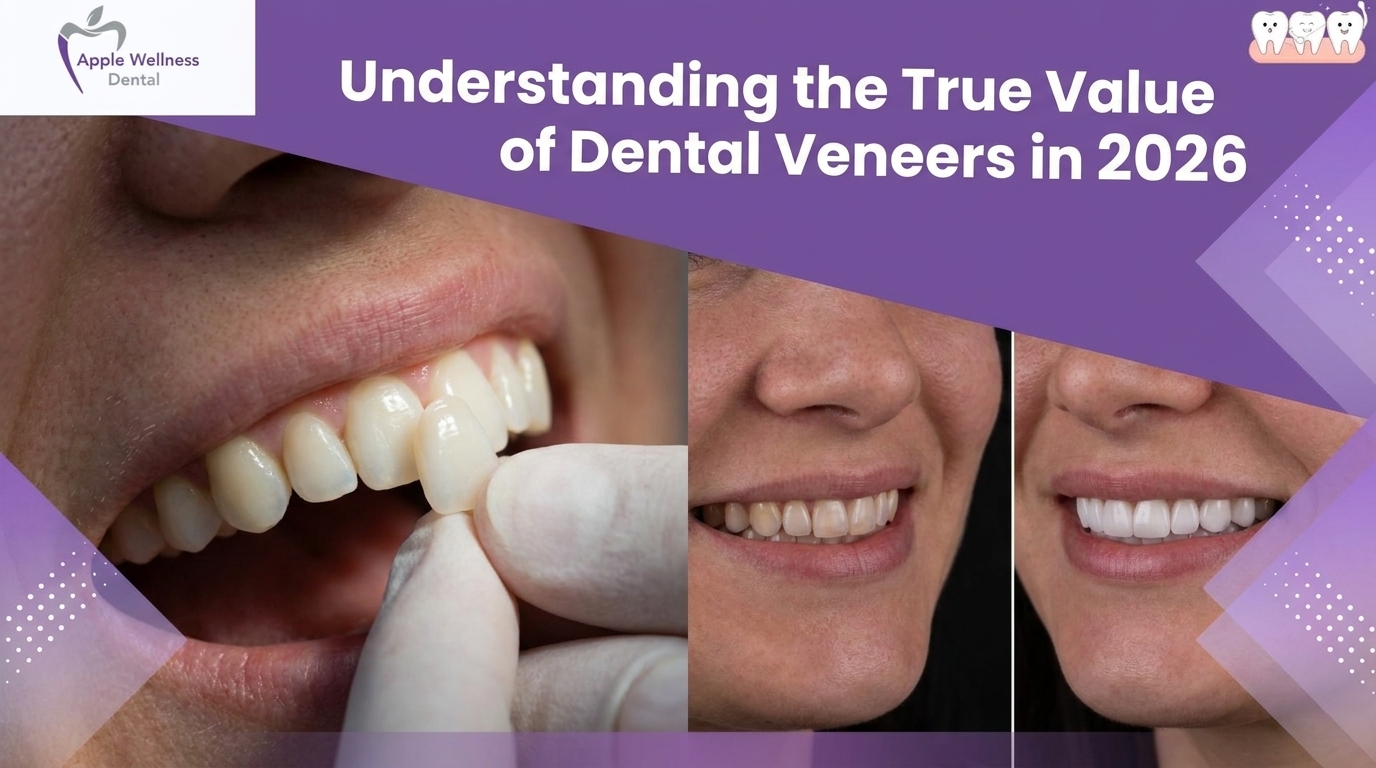
Before analyzing the financial breakdown, it is essential to understand what you are paying for. According to the American Dental Association (ADA), “Veneers are thin, custom-made shells crafted of tooth-colored materials designed to cover the front side of teeth.” These micro-thin laminates are bonded directly to the facial surface of the enamel, permanently altering the tooth’s shape, size, color, and apparent alignment.
Advancements in dental technology in 2026 have made veneers thinner, stronger, and more lifelike than ever before. With the integration of Digital Smile Design (DSD) and CAD/CAM milling, dentists can now offer highly predictable outcomes. However, this advanced technology also plays a significant role in the overall pricing structure.
Material Choices and Their Direct Impact on Cost
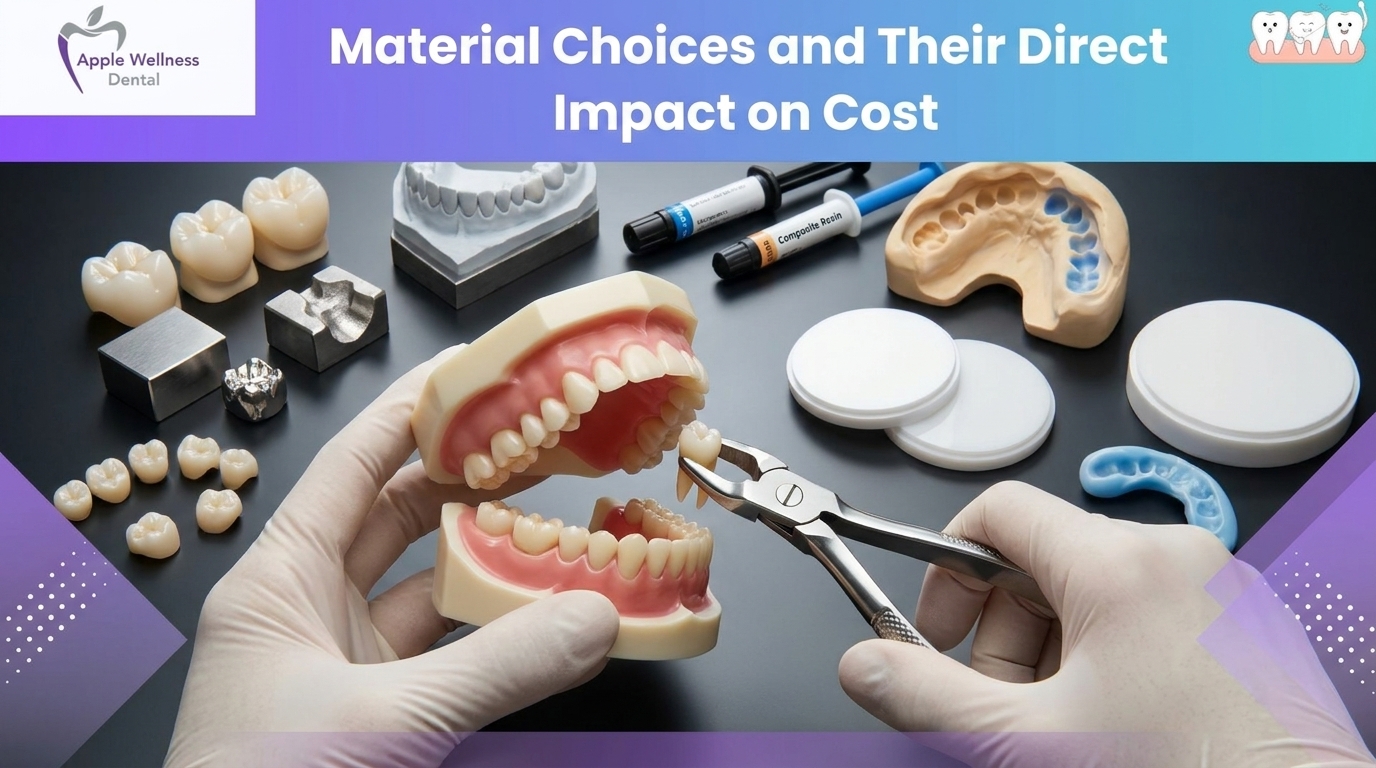
The primary driver behind the discrepancy in cosmetic dentistry pricing is the material utilized for the restoration. The dental market currently offers two dominant categories of veneers, each with its own specific cost profile and clinical indication.
Composite Resin Veneers (Direct Veneers)
Composite veneers are fabricated using a tooth-colored resin matrix that is applied directly to the tooth, sculpted by the dentist, and cured with a high-intensity light. Because they are often completed in a single visit without the need for an external dental laboratory, they represent the more affordable tier of smile enhancement.
In 2026, composite veneers average $500 to $1,500 per tooth. While cost-effective, they are inherently more porous than porcelain. This means they are more susceptible to staining from coffee, tea, and red wine over time. Their average lifespan hovers between 5 to 7 years, requiring more frequent polishing, repairs, or complete replacement.
Porcelain Veneers (Indirect Veneers)
Porcelain veneers are the gold standard of cosmetic dentistry. These restorations are fabricated in a dental laboratory or milled in-office using advanced ceramics like lithium disilicate or feldspathic porcelain. They offer unparalleled optical properties, mimicking the natural translucency and light-reflecting characteristics of human enamel.
The cost for porcelain veneers in 2026 typically spans from $1,200 to $3,500 per tooth. As noted in literature from the American Academy of Cosmetic Dentistry, porcelain provides superior resistance to staining and fracturing compared to composite alternatives. When cared for properly, porcelain veneers maintain a clinical lifespan of 10 to 15 years, and frequently longer.
Comprehensive Price Breakdown: Porcelain vs. Composite
To assist in your financial planning, the following table provides a direct comparison between the two primary veneer options available in modern dental clinics.
| Feature | Porcelain Veneers | Composite Resin Veneers |
|---|---|---|
| Average Cost (Per Tooth) | $1,200 – $3,500 | $500 – $1,500 |
| Typical Lifespan | 10 – 15+ years | 5 – 7 years |
| Stain Resistance | Excellent (Highly resistant) | Moderate (Prone to surface stains) |
| Procedure Time | 2 to 3 visits (Lab fabrication) | 1 visit (Direct application) |
| Enamel Removal | Minimal to moderate (0.3mm – 0.5mm) | Minimal to none |
Geographic and Economic Factors Influencing 2026 Prices
Where you live drastically impacts the final bill. Dental overhead costs, including commercial real estate, laboratory fees, and staff salaries, vary significantly by region. For instance, undergoing a smile makeover in a major metropolitan center like New York, Los Angeles, or Toronto will inherently cost 20% to 40% more than in suburban or rural municipalities.
Furthermore, broader economic trends play a role. According to recent data from Statistics Canada, healthcare inflation and rising material costs have pushed the baseline price of elective cosmetic procedures up by an average of 4.2% annually over the last three years. Laboratory costs for high-end ceramics have also increased due to supply chain complexities in the biomedical sector.
Hidden Costs and Additional Clinical Fees
When reviewing a treatment plan, patients must look beyond the per-tooth price tag. Several ancillary procedures are often necessary to ensure a functional and aesthetically pleasing result. These “hidden” costs can add hundreds or thousands of dollars to the final invoice.
- Initial Consultation and 3D Imaging: Comprehensive exams, panoramic X-rays, and intraoral scanning usually cost between $150 and $400.
- Diagnostic Wax-ups: Before touching your teeth, the dentist will have the lab create a physical or digital model of your new smile. This mock-up costs roughly $50 to $100 per tooth.
- Gingival Contouring: If a patient has an uneven gum line or a “gummy smile,” laser gum contouring may be required to frame the new veneers properly. This surgical step adds $500 to $3,000 to the total cost.
- Orthodontic Preliminaries: In cases of severe crowding or misalignment, short-term clear aligner therapy may be mandatory before veneers can be placed, adding $2,000 to $5,000 to the timeline and budget.
Step-by-Step Guide: The Dental Veneer Procedure
Understanding the clinical workflow helps justify the financial investment. While direct composite veneers are completed in a single session, traditional porcelain veneers require a meticulous, multi-step process.
- Comprehensive Case Planning: The dentist evaluates your oral health, reviews 3D scans, and discusses aesthetic goals. A digital smile design is generated to preview the final outcome.
- Tooth Preparation: To prevent the veneers from looking bulky, the dentist removes a microscopic layer of enamel—typically 0.3mm to 0.5mm—from the front of the teeth under local anesthesia.
- Digital Impressions: Instead of messy alginate putty, the dentist uses an intraoral wand to capture a highly accurate 3D map of the prepared teeth. This data is transmitted to the master ceramist at the dental laboratory.
- Temporary Veneer Placement: Because it takes 1 to 3 weeks for the lab to fabricate the final ceramics, the dentist creates temporary acrylic veneers to protect the prepared teeth and manage sensitivity.
- Final Bonding and Adjustments: Once the permanent restorations arrive, the patient returns. The temporary veneers are removed, and the teeth are thoroughly cleansed and etched. The final porcelain veneers are bonded using a specialized light-cured resin cement, and final occlusal (bite) adjustments are made.
Are Dental Veneers Covered by Insurance?
A common hurdle for patients is financing the procedure, leading to questions about insurance coverage. The Canadian Dental Association notes that treatment costs vary heavily based on clinical complexity. Crucially, dental insurance providers operate on a strict distinction between elective cosmetic procedures and medically necessary restorative work.
Because veneers are primarily designed to improve aesthetics rather than cure disease, standard dental insurance plans rarely cover them. However, there are exceptions. If an anterior tooth has suffered trauma, severe decay, or significant structural compromise, an insurance provider may classify a veneer or a crown as a medically necessary restoration, covering up to 50% of the cost.
For strictly cosmetic cases, patients often rely on third-party financing companies, healthcare credit lines, or flexible spending accounts (FSAs) to manage the financial burden over time with manageable monthly payments.
The Risks of Dental Tourism
Given the high cost of cosmetic dentistry in North America, a growing trend in 2026 is “dental tourism”—traveling abroad to countries with lower labor and operational costs to receive cheaper veneers. While the upfront savings can appear substantial (sometimes up to 60% less), the long-term risks are significant.
Different countries have wildly different regulatory bodies, sterilization protocols, and material standards. Furthermore, if a veneer fractures, debonds, or an infection occurs weeks after returning home, local dentists are often hesitant to repair international work without starting the case over entirely. The cost of corrective dentistry often eclipses the initial savings of traveling abroad.
Maximizing the Lifespan of Your Investment
Protecting a $15,000 smile makeover requires dedication to daily maintenance and professional oversight. As verified by health resources like WebMD, “Veneers generally last between 7 and 15 years. After this time, the veneers would need to be replaced.” To push the lifespan to the absolute limit, follow these critical protocols:
- Strict Oral Hygiene: Veneers themselves cannot decay, but the natural tooth structure underneath and the surrounding gum tissue certainly can. Brush twice daily with a non-abrasive fluoride toothpaste and floss meticulously.
- Wear a Nightguard: Bruxism (teeth grinding) is the leading cause of porcelain fracture. A custom-fitted acrylic occlusal guard is a mandatory investment to protect your veneers while you sleep.
- Avoid Using Teeth as Tools: Never use your veneered teeth to open packaging, bite nails, or chew ice. The shearing force can easily chip the delicate ceramic edges.
- Routine Professional Care: Visit your dental hygienist every six months. They use specialized non-abrasive polishing pastes designed specifically to safely clean ceramic restorations without scratching the glaze.
Frequently Asked Questions (FAQ)
Is the veneer procedure painful?
The procedure is typically entirely painless. Local anesthesia is administered during the preparation phase to numb the teeth and surrounding gums, ensuring absolute comfort. Post-operative sensitivity to cold is common for a few days but subsides quickly.
Can I get just one veneer?
Yes, a single veneer can be placed to repair a chipped or severely discolored tooth. However, custom color-matching a single front tooth to adjacent natural teeth is one of the most challenging tasks in dentistry, requiring a highly skilled ceramist.
Do veneers ruin your natural teeth?
When performed by a conservative and skilled professional, veneers do not ruin teeth. Only a microscopic fraction of enamel (less than the thickness of a contact lens) is removed. However, this process is irreversible, meaning the tooth will always require a restoration.
Can dental veneers stain over time?
High-quality porcelain is completely non-porous and highly resistant to traditional stains from coffee or tobacco. Composite resin, however, is slightly porous and will accumulate surface stains over a period of several years.
What is the difference between a veneer and a crown?
A veneer covers only the front-facing surface and biting edge of the tooth, preserving the majority of the natural tooth structure. A crown acts as a 360-degree cap that encases the entire tooth, requiring significantly more aggressive reduction of the natural enamel.
Conclusion
Deciding to invest in a smile makeover is a highly personal and significant financial decision. Understanding the complexities behind the pricing—from the profound differences between composite and porcelain materials to the technical expertise of the clinician—empowers you to make an informed choice. In 2026, cosmetic dentistry offers incredible, life-changing results for those willing to commit to the process. If you are ready to explore your options and receive a personalized treatment estimate, do not hesitate to seek professional guidance. Contact us today to schedule your comprehensive cosmetic consultation.
References
- American Dental Association. Consumer Guidelines on Cosmetic Dentistry and Restorations. https://www.ada.org
- Canadian Dental Association. Oral Health and Cosmetic Treatment Expectations. https://www.cda-adc.ca
- American Academy of Cosmetic Dentistry. State of the Cosmetic Dentistry Industry Report. https://www.aacd.com
- WebMD Health. Dental Veneers: Procedure, Costs, and Maintenance. https://www.webmd.com
- Statistics Canada. Healthcare and Elective Procedure Economic Index. https://www.statcan.gc.ca