
The Complete 2026 Guide: Safe Timelines for Eating After Oral Surgery
When can I eat solids after tooth extraction? This is undoubtedly the most frequent question patients ask their dental professionals following oral surgery. The direct answer is that you can typically begin introducing soft solid foods 24 to 48 hours post-operation, but you must wait a minimum of 7 to 10 days before attempting to chew tough, crunchy, or regular solid foods. Your exact timeline depends on the complexity of the extraction, your body’s natural healing speed, and whether you had a simple extraction or surgical removal of impacted wisdom teeth.
Key Takeaways
- 0-24 Hours: Stick exclusively to cool, liquid diets (broth, smoothies without seeds). Avoid using straws.
- 24-72 Hours: Transition to an ultra-soft diet requiring no chewing (yogurt, applesauce, pudding).
- Days 4-7: Introduce soft solid foods like scrambled eggs, mashed potatoes, and flaky fish.
- Days 7-14: Gradually return to your normal diet as comfort allows, avoiding nuts and hard candies.
- Critical Warning: Eating hard solids prematurely can dislodge the blood clot, leading to a painful condition known as dry socket (alveolar osteitis).
The Physiology of Oral Healing: Hemostasis and Proliferation
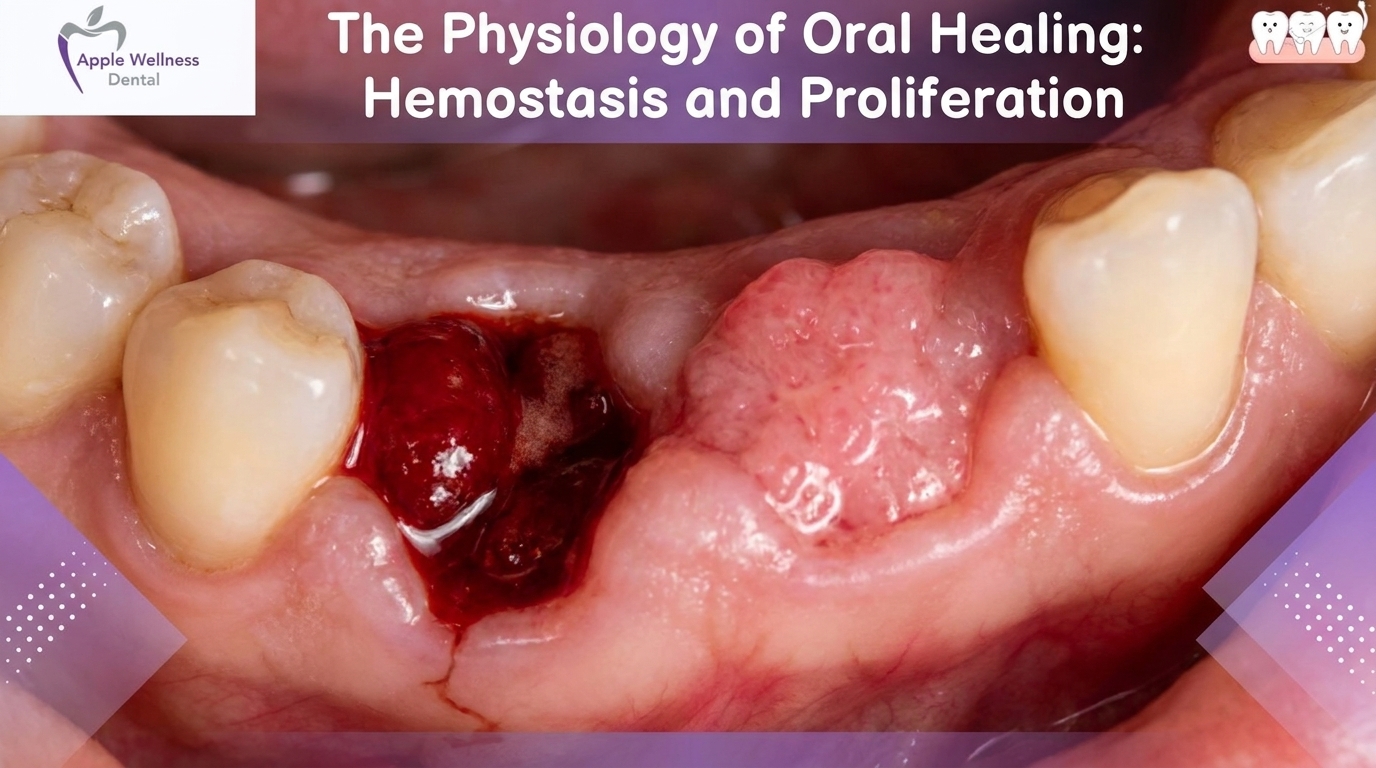
To fully understand why you must restrict your diet, it is essential to grasp the biological processes occurring inside your mouth. Immediately after a tooth is removed, your body enters a phase of hemostasis. Blood pools in the empty alveolar bone socket and forms a crucial fibrin clot. This clot acts as a biological bandage, protecting the underlying exposed bone and sensitive nerve endings from the oral environment.
According to 2026 surgical protocols from the American Dental Association, protecting this initial clot for the first 72 hours is paramount. By day three or four, a process called angiogenesis begins, where new blood vessels form. Simultaneously, fibroblasts—cells responsible for producing collagen—migrate to the area to build new gum tissue scaffolding.
As Dr. Sarah Jenkins, Chief of Oral Surgery at the Dental Health Institute, explains: ‘Patience during the first 72 hours is paramount. Introducing complex carbohydrates or tough proteins prematurely often disrupts the fragile fibrin clot. The mechanical force of mastication can easily dislodge the tissue before granulation has properly occurred.’
Day-by-Day Timeline for Introducing Solid Foods
The First 24 Hours: Strict Liquids
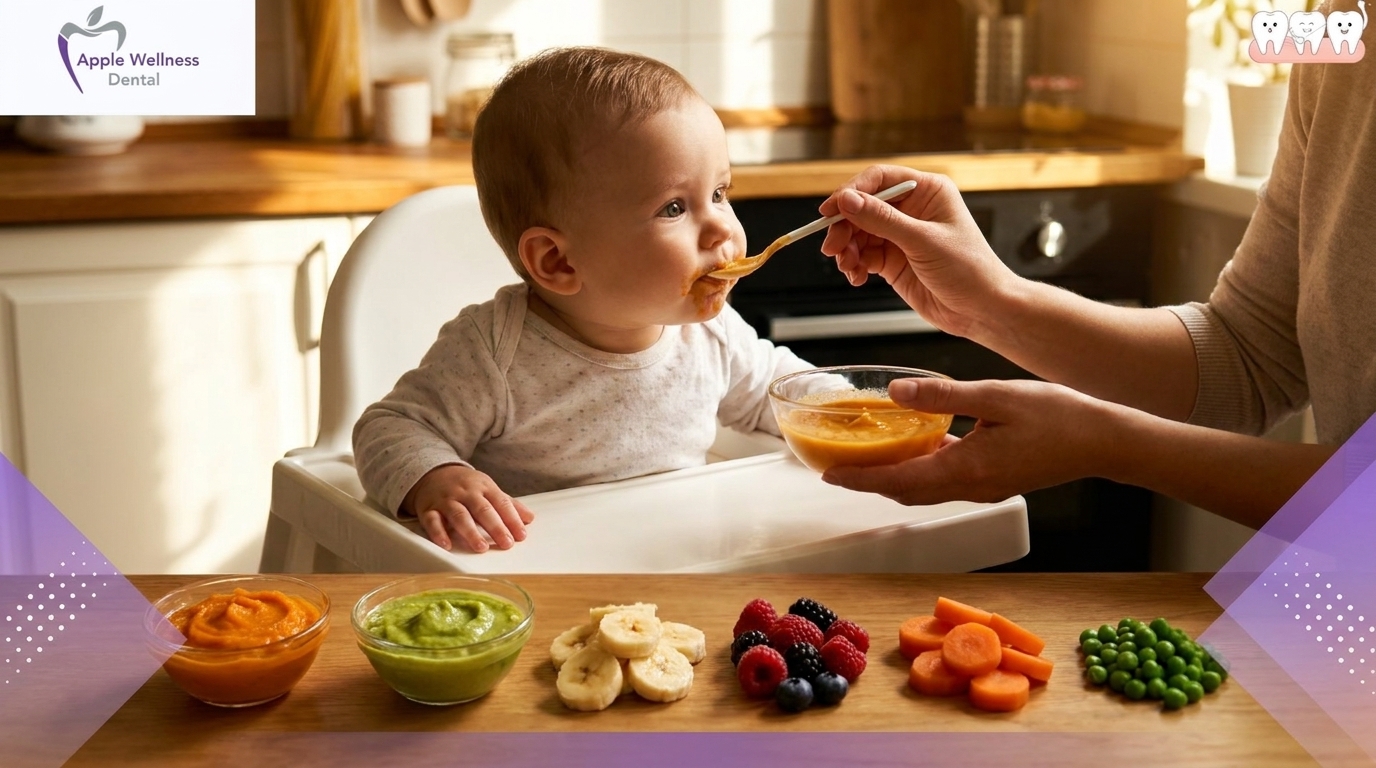
During the first 24 hours, your sole nutritional goal is to stay hydrated while keeping the surgical site undisturbed. You must consume only liquids and very thin purees. Hot liquids must be avoided, as heat increases blood flow and can dissolve the newly forming blood clot. Furthermore, never use a straw. The negative pressure created by sucking can instantaneously pull the clot out of the socket.
Days 2 to 3: The Ultra-Soft Phase
Once the initial 24 hours have passed, you can graduate to an ultra-soft diet. These are foods that require absolutely no mastication (chewing). You should be able to swallow these foods whole or mash them against the roof of your mouth with your tongue.
Excellent options include Greek yogurt, smooth unsweetened applesauce, blended lukewarm soups, and protein shakes. Ensuring adequate protein intake during this phase is vital for cellular repair. Research from the World Health Organization highlights that adequate protein accelerates soft tissue healing by up to 20% following invasive procedures.
Days 4 to 7: Reintroducing Soft Solids
Between days four and seven, the gum tissue has usually begun to close over the extraction site. At this stage, you can start introducing soft solids. These are foods that require minimal chewing. When you do chew, you must actively shift the food to the opposite side of your mouth, away from the extraction site.
Ideal foods for this phase include fluffy scrambled eggs, heavily cooked pasta, steamed vegetables that easily mash with a fork, and soft flaky fish like cod or salmon. If any food causes discomfort or aching in the jaw, revert to the ultra-soft diet for another 24 hours.
Week 2 and Beyond: Returning to a Regular Diet
By day seven to ten, most patients can resume a normal diet. The socket is typically covered by a fresh layer of epithelial tissue, significantly reducing the risk of infection or clot dislodgement. However, you should still exercise caution with extreme textures. Sharp foods like tortilla chips or small particles like sesame seeds can still scrape the tender new tissue or become trapped in the shallow indentation where the tooth used to be.
The Dangers of Chewing Too Early: Alveolar Osteitis
Disobeying the dietary timeline is the leading cause of post-operative complications, most notably alveolar osteitis, commonly referred to as a dry socket. When you chew solid, abrasive foods too soon, the physical friction can dislodge the blood clot. Without the clot, the jawbone and nerves are exposed to air, food debris, and oral bacteria.
Statistics published by the National Institutes of Health indicate that 2% to 5% of routine dental extractions result in a dry socket. However, that figure skyrockets to 20% to 30% for patients undergoing the surgical removal of impacted mandibular third molars (lower wisdom teeth). The pain associated with a dry socket is notoriously severe, often described as a throbbing ache that radiates to the ear or eye.
‘A dry socket doesn’t just cause immense pain; it delays your overall healing timeline by an average of 7 to 10 days,’ notes Dr. Marcus Thorne, a prominent periodontist and oral tissue researcher. ‘Patients who rush back to eating steaks, nuts, or crunchy breads find themselves back in the dental chair requiring medicated dressings to manage the excruciating nerve pain.’
Categorized Food Guide for Extraction Recovery
To simplify your meal planning during recovery, we have compiled a definitive list of safe options and dangerous items to avoid. Adhering to this nutritional guide ensures your body gets the vitamins required for cellular repair without jeopardizing the surgical site.
| Healing Phase | Approved Safe Foods | Foods to Strictly Avoid |
|---|---|---|
| Days 1-3 | Bone broth, smooth yogurt, applesauce, protein shakes, Jell-O, pudding. | Spicy foods, hot liquids, anything with seeds, chewy candies, alcohol. |
| Days 4-7 | Scrambled eggs, mashed potatoes, macaroni and cheese, oatmeal, soft fish. | Steak, crusty bread, popcorn, raw carrots, acidic fruits (lemon/lime). |
| Days 7-14 | Chicken, rice, cooked vegetables, soft sandwiches, ground meats. | Hard nuts, tortilla chips, sticky caramels, brittle crackers. |
Step-by-Step Guide to Resuming Normal Mastication
Transitioning back to a regular diet should be treated as a gradual physical rehabilitation process for your mouth. Follow these exact steps to ensure a safe transition from purees back to complex textures.
- Evaluate your pain level: Before attempting to eat a soft solid, assess your baseline pain. If you are still relying heavily on analgesic medication (like ibuprofen) to manage throbbing pain on day four, delay solid foods for another day.
- Start with fork-tender items: Your first solid food should easily yield to the side of a fork. Think well-boiled pasta or baked sweet potato.
- Chew on the contralateral side: Consciously maneuver the food to the side of your mouth opposite the extraction. This limits the chance of food debris migrating into the healing socket.
- Perform gentle post-meal irrigation: Once your dentist clears you to do so (usually after 48-72 hours), gently rinse your mouth with a warm saltwater solution after eating. Do not swish vigorously; instead, tilt your head side to side to let the water wash over the site.
- Scale up texture incrementally: Gradually increase the density of your food over several days. Move from eggs to ground beef before attempting a tough chicken breast.
Recognizing Infection and Complications: When to Seek Help
While altering your diet drastically reduces the risk of complications, you must remain vigilant for signs of infection. The oral cavity is teeming with bacteria. A study by the Mayo Clinic notes that post-extraction infections occur in roughly 3% of healthy patients, often stemming from trapped food particles.
You should immediately stop eating solid foods and contact your dental professional if you experience any of the following symptoms:
- Severe, worsening pain that does not respond to prescribed painkillers.
- Swelling of the jaw or cheek that increases after the third day.
- A foul taste in your mouth or persistent bad breath, which strongly indicates trapped bacteria or pus.
- Numbness or persistent tingling in your lips, tongue, or chin (paresthesia).
- A fever exceeding 100.4°F (38°C).
Conclusion
Successfully navigating your dietary choices after an extraction requires patience, discipline, and a clear understanding of the biological healing process. By adhering to a strict timeline—liquids for 24 hours, ultra-soft foods for three days, and soft solids up to a week—you protect the vital blood clot and ensure a rapid, painless recovery. Remember, every patient’s healing rate is unique. If you ever feel uncertain about whether a specific food is safe to consume, err on the side of caution and choose a softer alternative.
If you are experiencing severe pain, suspect a dry socket, or have questions about your specific recovery timeline, do not wait for the issue to resolve itself. Contact our clinic today to schedule a follow-up appointment and ensure your healing remains on track.
Frequently Asked Questions
Can I eat a burger 4 days after a tooth extraction?
It is generally not recommended to eat a burger on day four. Burgers require substantial chewing force and often contain crusty buns or acidic condiments that can irritate the surgical site and disrupt the healing clot.
What happens if food gets stuck in the extraction hole?
If food becomes trapped, it can cause localized inflammation and potentially lead to an infection. You should gently rinse with warm saltwater, but never use toothpicks, water flossers, or your fingers to dig the food out, as this will damage the new tissue.
When can I start drinking coffee again?
You can drink lukewarm or iced coffee after 24 hours, provided you do not use a straw. Hot coffee should be avoided for at least 3 to 4 days, as high temperatures can dissolve the protective fibrin clot.
Are mashed potatoes considered a liquid or solid?
Mashed potatoes are categorized as an ultra-soft food. Because they require no active chewing and can be swallowed easily, they are an excellent dietary staple starting 24 to 48 hours after your procedure.
How do I know if I have a dry socket?
A dry socket is characterized by intense, throbbing pain that begins 3 to 5 days after the extraction, often radiating to your ear or neck. You may also notice an empty looking socket with exposed bone and experience a bad taste in your mouth.
References
- American Dental Association. Guidelines on Post-Extraction Care and Complication Management. https://www.ada.org
- World Health Organization. Nutrition and Tissue Repair: Clinical Data and Recovery Timelines. https://www.who.int
- National Institutes of Health. Incidence and Management of Alveolar Osteitis (Dry Socket). https://www.nih.gov
- Mayo Clinic. Recognizing Signs of Oral Infection Following Dental Surgery. https://www.mayoclinic.org