
The Complete Guide to Bone Graft Timelines After Tooth Extraction
How long can you wait to get a bone graft after tooth extraction is one of the most common questions patients face when planning for dental implants. The definitive answer is that while you can technically wait months or even years, the clinical consensus recommends performing a bone graft immediately at the time of extraction, or within the first three to six months. Waiting longer than six months allows significant natural alveolar bone loss to occur, which can complicate future restorative procedures, increase treatment costs, and lower the success rate of dental implants.
Key Takeaways
- Immediate grafting (Day 0), known as socket preservation, is the most effective method to prevent alveolar bone resorption.
- The human jaw can lose up to 50% of its alveolar bone width within the first 12 months following an ungrafted extraction.
- Approximately two-thirds of post-extraction bone loss occurs rapidly within the first 3 months.
- Delayed grafting is clinically possible but often requires more invasive and expensive procedures, such as block grafts or sinus lifts.
- By 2026 standards, utilizing 3D CBCT imaging is essential to accurately assess remaining bone volume if you have waited longer than six months.
Understanding Alveolar Bone Resorption: The Biological Clock
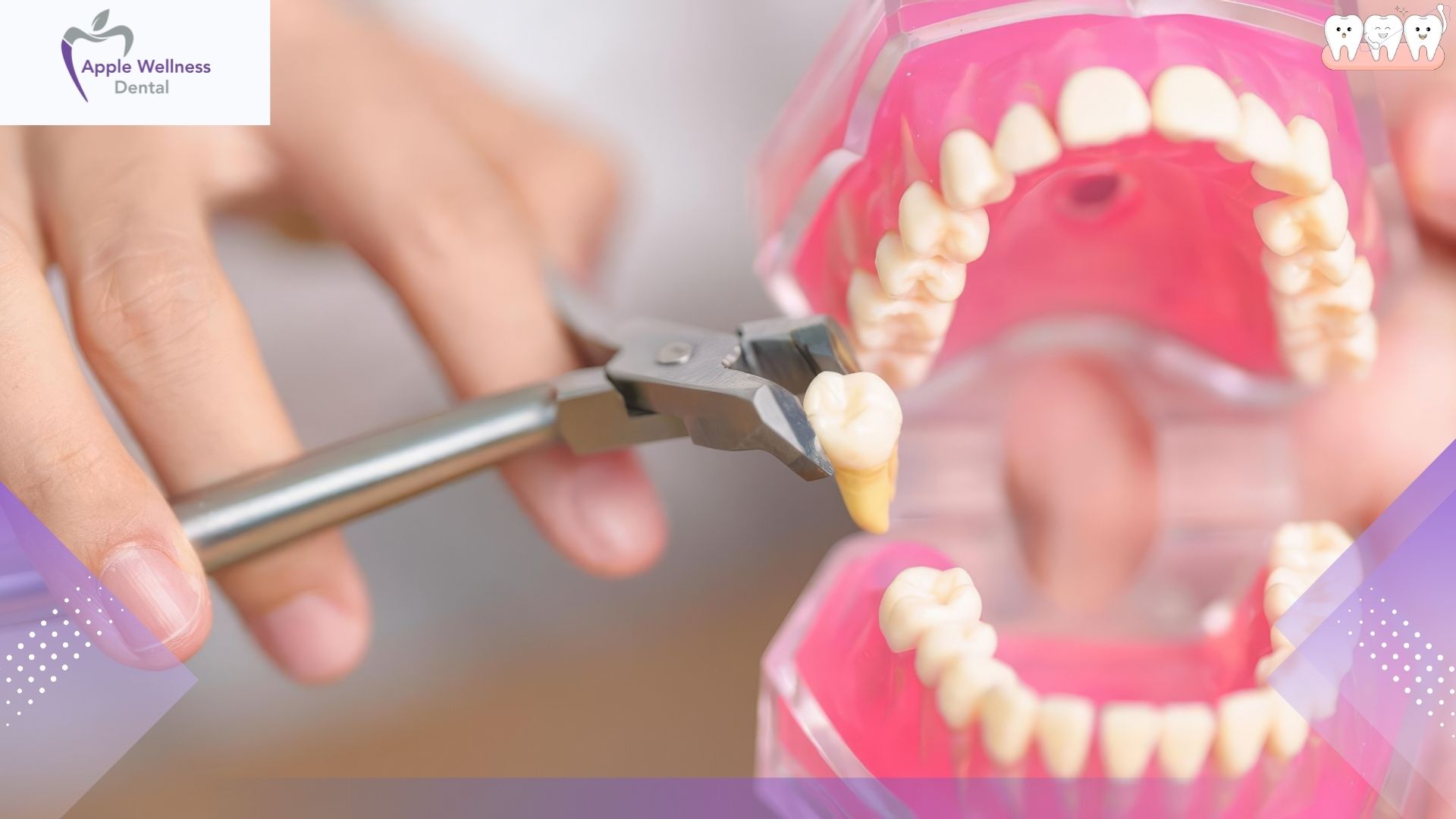
To understand why timing is so critical, it is essential to understand the biology of the human jaw. The alveolar bone is the specialized ridge of bone that houses the roots of your teeth. Its primary function is to support dentition. According to biological principles, specifically Wolff’s Law, bone remodels and maintains its density in response to mechanical stress. When you chew, the roots of your teeth stimulate the surrounding alveolar bone, signaling the body to maintain its structural integrity.
When a tooth is extracted, this vital stimulation abruptly stops. Without the root to provide mechanical stress, the body interprets the alveolar bone in that area as useless. Specialized cells called osteoclasts begin to break down and resorb the bone tissue, redirecting the calcium and minerals to other parts of the body. This process is known as alveolar bone resorption.
Research published via the National Institutes of Health (NIH) highlights the dramatic speed of this process. Ungrafted extraction sockets lose an average of 4.0 millimeters in width and 1.2 millimeters in height within the first six months. Furthermore, up to 50% of the ridge width can disappear within the first 12 months. This rapid deterioration explains why dental professionals emphasize early intervention.
The Ideal Timeline for Dental Bone Grafting

While biological factors vary slightly from patient to patient, modern dentistry has established clear timelines for grafting procedures. Each window of time offers different clinical advantages and challenges.
Immediate Grafting (Day 0: Socket Preservation)
The gold standard in 2026 for preserving jaw structure is immediate grafting, commonly referred to as socket preservation. In this procedure, the dentist places bone grafting material directly into the empty socket immediately after the tooth is pulled. A protective collagen membrane is placed over the material, and the gums are sutured closed.
This proactive approach prevents the soft tissue from collapsing into the socket and provides a scaffold for the body’s natural bone-forming cells (osteoblasts) to build upon. Healing typically takes 3 to 6 months before an implant can be securely placed.
Early Grafting (4 to 8 Weeks Post-Extraction)
If immediate grafting is not possible due to severe localized infection, such as advanced periodontitis or an acute abscess, an early grafting approach may be utilized. The clinician will extract the tooth, clean the infected socket thoroughly, and allow the soft tissues (gums) to heal for 4 to 8 weeks. Once the infection has cleared and the soft tissue is healthy, the bone graft is placed.
Delayed Grafting (3 to 6 Months Post-Extraction)
Some patients choose to delay grafting due to financial constraints or scheduling conflicts. At 3 to 6 months, significant bone remodeling has already begun. However, there is usually still enough native bone present to perform a standard particulate graft. This timeline is pushing the limit; waiting any longer dramatically increases the risk of needing advanced reconstructive surgery.
Comparing Grafting Timelines
To help patients visualize the differences between these timelines, the following table breaks down the clinical considerations for each stage:
| Timeline Stage | Time Post-Extraction | Bone Loss Severity | Clinical Complexity |
|---|---|---|---|
| Socket Preservation | Immediate (Day 0) | Minimal to None | Low (Routine) |
| Early Grafting | 4 to 8 Weeks | Mild | Low to Moderate |
| Delayed Grafting | 3 to 6 Months | Moderate | Moderate |
| Late Grafting | 6+ Months | Severe | High (Often requires block grafts) |
Consequences of Waiting Too Long for a Bone Graft
If you delay a bone graft for years, the structural changes in your jaw become profound. As representatives at the American Association of Oral and Maxillofacial Surgeons consistently note in patient education: “When teeth are missing, the bone that previously supported those teeth melts away, or resorbs.” This melting away causes several cascading structural issues in the oral cavity.
Sinus Pneumatization in the Upper Jaw
When upper premolars or molars are extracted and not replaced, a phenomenon known as sinus pneumatization occurs. The maxillary sinus, which sits just above the upper teeth, begins to drop down and expand into the space where the tooth roots used to be. At the same time, the alveolar bone is resorbing upward. This dual action leaves a paper-thin layer of bone that is entirely insufficient to anchor a dental implant. Correcting this requires a complex procedure called a sinus lift (sinus augmentation), where the sinus membrane is elevated and bone graft material is packed underneath it.
Nerve Proximity in the Lower Jaw
In the mandible (lower jaw), severe bone resorption brings the alveolar ridge dangerously close to the inferior alveolar nerve. This nerve supplies sensation to the lower lip, chin, and teeth. If bone loss is extensive, placing an implant becomes incredibly risky, as drilling into or compressing this nerve can cause permanent numbness or pain (paresthesia). Rebuilding this bone requires advanced vertical ridge augmentation, which is far more invasive than a simple socket preservation graft.
Factors Influencing Your Grafting Window
While the 3-to-6-month rule is a reliable baseline, several physiological and lifestyle factors can accelerate bone loss, effectively shortening the window you have to wait for a successful, straightforward bone graft.
Periodontal Disease
If a tooth was lost due to advanced periodontitis (gum disease), the surrounding bone has already been compromised by bacterial infection. Patients with a history of severe periodontitis will experience faster and more erratic bone resorption compared to those who lost a tooth due to physical trauma.
Systemic Health Conditions
Systemic diseases play a massive role in bone metabolism. According to clinical data from the Mayo Clinic, patients with poorly controlled diabetes suffer from impaired blood flow and delayed wound healing, which can negatively impact bone graft success rates and accelerate initial bone loss. Similarly, conditions like osteoporosis directly affect bone density. Medications taken for osteoporosis, such as bisphosphonates, also require careful evaluation by an oral surgeon before any grafting procedure.
Smoking and Nicotine Use
Nicotine is a potent vasoconstrictor, meaning it shrinks blood vessels and drastically reduces blood flow to the gums and jawbone. Reduced blood flow means less oxygen and fewer nutrients reach the extraction site, crippling the body’s ability to heal and regenerate bone. Dental professionals universally advise against smoking during the extraction and grafting healing phases.
How to Tell if You Need a Delayed Bone Graft (Step-by-Step Evaluation)
If you had a tooth extracted several months or years ago without a graft, you will need a thorough clinical evaluation to determine your eligibility for an implant. Here is the standard protocol a restorative dentist will follow in 2026:
- Clinical Visual Examination: The dentist will examine the gums to check for visible concavities or severe narrowing of the ridge. A collapsed ridge is a primary indicator of substantial bone loss.
- 3D CBCT Imaging: Traditional 2D x-rays are no longer sufficient for complex implant planning. A Cone Beam Computed Tomography (CBCT) scan provides a highly detailed 3D rendering of the jaw, allowing the clinician to measure bone width and height down to the fraction of a millimeter.
- Measurement of Vital Structures: The dentist will map out the exact location of the maxillary sinuses and the inferior alveolar nerve to calculate the safe surgical margins. A minimum of 1.5 to 2.0 millimeters of bone thickness on the facial (cheek) side is required for long-term implant success.
- Graft Selection: Based on the volumetric data from the scan, the dentist will select the appropriate grafting technique (e.g., particulate graft, block graft, or guided bone regeneration).
Types of Bone Grafts Used Depending on Timing
The materials used in modern oral surgery have advanced significantly. The choice of material often depends on how much bone has been lost during the waiting period. All grafting materials utilized by reputable clinics are strictly regulated by organizations like the U.S. Food and Drug Administration (FDA) for safety and efficacy.
- Autografts (Your Own Bone): Harvested from the patient’s own jaw, hip, or tibia. This is the gold standard for late grafting (years after extraction) because it provides live bone cells (osteogenesis). However, it requires a secondary surgical site.
- Allografts (Human Tissue Donor): Bone material sourced from a certified tissue bank. It serves as an excellent framework for your body to build upon (osteoconduction) and is commonly used in routine delayed grafting.
- Xenografts (Animal Source): Typically bovine (cow) or porcine (pig) bone that has been sterilized and processed into highly pure mineral matrices. Xenografts resorb very slowly, maintaining the physical space well during the 4 to 6-month healing period.
- Alloplasts (Synthetic): Created from synthetic materials like calcium phosphate or hydroxyapatite. These are safe, zero-disease-transmission options often used in immediate socket preservation.
Expert Perspectives on Extraction and Grafting Timelines
The foundational principles of dental implantology revolve around the preservation of hard and soft tissues. Foundational texts written by pioneers like Dr. Carl Misch explicitly state that alveolar bone requires mechanical stimulation to maintain its volume. When that stimulation is lost via extraction, the biological imperative of the bone is to resorb.
Furthermore, educational resources from the American Dental Association (ADA) emphasize that bone grafting procedures are frequently necessary to create a robust, solid foundation for dental implants, especially when significant time has elapsed between the extraction and the restorative phase. A stable foundation ensures that the titanium implant can achieve osseointegration—the physiological process where the jawbone physically fuses to the implant surface.
As leading oral surgeons routinely advise: “It is far easier, less painful, and more cost-effective to preserve existing bone on the day of extraction than it is to surgically rebuild it years later.”
Frequently Asked Questions
Is it too late to get a bone graft years after an extraction?
No, it is rarely too late, but the procedure will likely be more complex. Patients who have waited years will typically require advanced procedures like block grafting, ridge splitting, or a sinus lift to restore the severe volume loss.
Does insurance cover bone grafting if I wait?
Dental insurance coverage varies widely. Some plans view bone grafting for implants as an elective procedure, while others cover a percentage of it if deemed medically necessary. Always request a pre-determination from your insurance provider prior to surgery.
How painful is a delayed bone graft compared to socket preservation?
Delayed grafting, especially if it involves a block graft or sinus lift, generally involves a slightly longer and more uncomfortable recovery period than immediate socket preservation. However, modern local anesthetics and post-operative pain management protocols make both procedures highly manageable.
Can my body reject a dental bone graft?
Actual immunological rejection is extremely rare because materials like allografts and xenografts are stripped of proteins and sterilized. However, a graft can “fail” due to infection, poor blood supply, or smoking, which prevents the graft from integrating.
How do I know if my bone graft has healed successfully?
You cannot determine success based purely on how your gums look. Your dentist will take a follow-up 3D CBCT scan at the 4-to-6-month mark to verify that the graft material has successfully integrated with your natural bone and is dense enough to support an implant.
Conclusion
Deciding how long can you wait to get a bone graft after tooth extraction ultimately depends on your immediate dental health, financial readiness, and long-term restorative goals. However, the scientific evidence is clear: the most predictable, cost-effective, and biologically sound approach is to undergo bone grafting immediately upon extraction or within the first three months. Waiting beyond six months practically guarantees measurable bone loss, requiring more invasive and expensive restorative surgeries down the road. If you have a compromised extraction site or need to plan for a future dental implant, do not wait for bone resorption to dictate your treatment plan. Contact our team today to schedule a comprehensive evaluation and secure the foundation of your smile.
References
- American Dental Association (ADA). Guidelines on Extraction and Ridge Preservation. https://www.ada.org
- National Institutes of Health (NIH). Studies on Alveolar Bone Resorption Timelines and Wolff’s Law. https://www.nih.gov
- Mayo Clinic. Systemic Impacts on Bone Metabolism and Healing. https://www.mayoclinic.org
- American Association of Oral and Maxillofacial Surgeons (AAOMS). Patient Education on Dental Implants and Bone Grafting. https://www.aaoms.org
- U.S. Food and Drug Administration (FDA). Regulation of Dental Bone Grafting Materials. https://www.fda.gov