
Understanding Air Abrasion Dentistry: The Comprehensive 2026 Guide to Drill-Free Treatments
Air abrasion dentistry is a minimally invasive clinical technique that uses a high-pressure stream of fine particles, typically aluminum oxide or silica, to gently remove early tooth decay, surface stains, and prepare teeth for restorations. Operating much like a highly precise miniature sandblaster, this “drill-less” method utilizes kinetic energy rather than mechanical friction to clean and clear the tooth structure. Because the process produces absolutely no heat, vibration, or high-pitched whining noise, it frequently eliminates the need for local anesthesia, making it an increasingly popular option for patients suffering from dental anxiety and for pediatric treatments.
Key Takeaways
- No Drilling Required: Utilizes a pressurized stream of aluminum oxide particles instead of a mechanical drill to remove early decay.
- Minimally Invasive: Preserves 15-20% more healthy tooth structure compared to traditional high-speed handpieces.
- Pain-Free Alternative: Reduces the need for local anesthesia in up to 85% of shallow cavity preparations.
- Ideal for Anxiety: Eliminates the heat, vibration, and distinct noise that trigger dental phobias.
- Not for Deep Cavities: Best suited for early-stage surface decay, sealants, and composite preparations, rather than deep decay or crowns.
The Science Behind Micro-Abrasion Technology
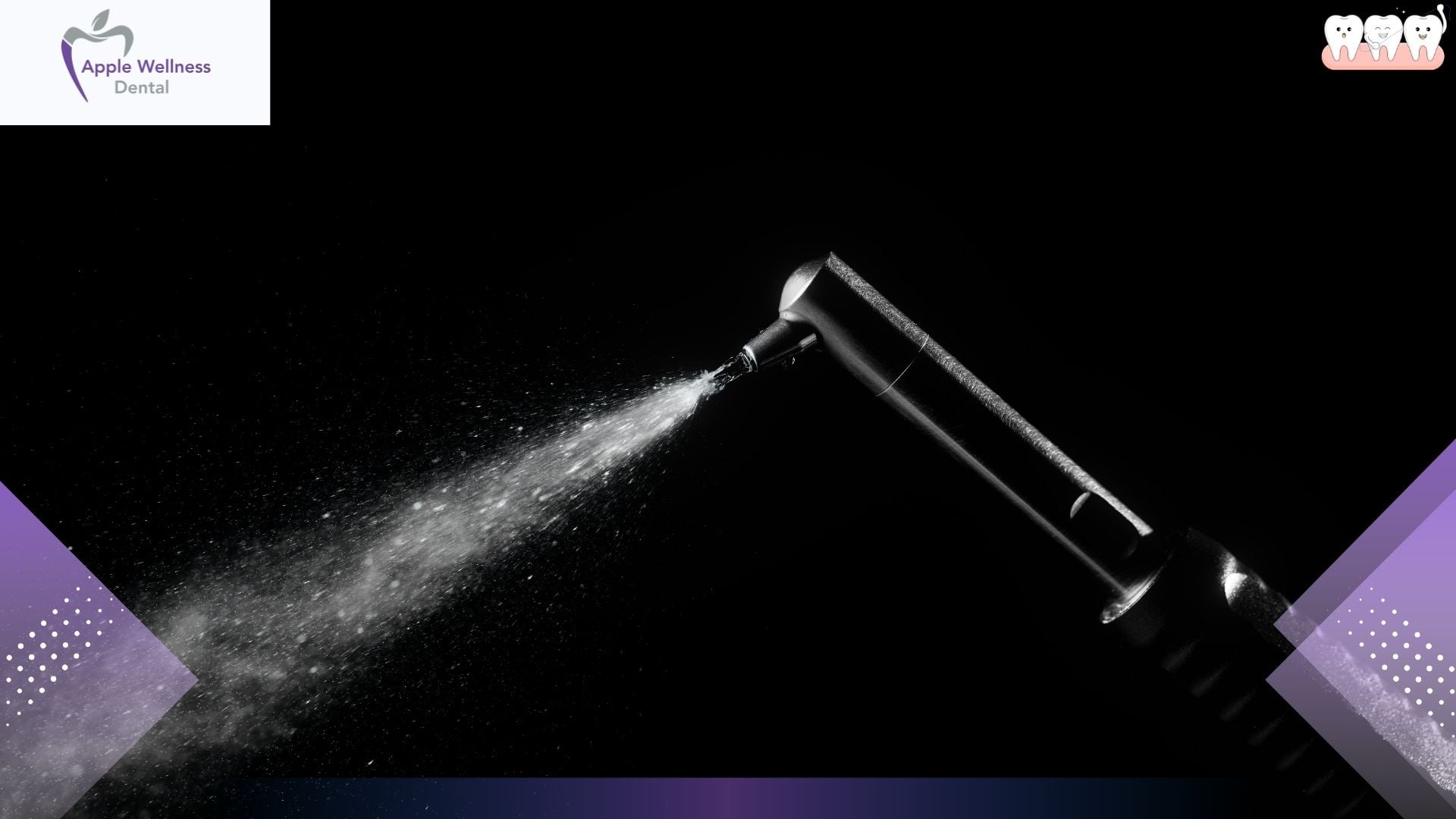
To fully grasp how modern restorative treatments are evolving, it is essential to understand the underlying mechanics of drill-free procedures. Instead of using a spinning metal bur that physically grinds away enamel and dentin, micro-abrasion relies entirely on kinetic energy. A specialized handpiece directs a narrow, focused stream of abrasive particles toward the compromised area of the tooth.
According to clinical data compiled in 2026 by the National Institute of Dental and Craniofacial Research, the most common medium used is aluminum oxide ($Al_2O_3$). These particles are exceptionally fine, typically measuring between 27 to 50 microns in diameter. The particles are propelled by compressed air or specialized gas at operating pressures ranging from 40 to 100 PSI (pounds per square inch), depending on the density of the tooth structure being treated.
As Dr. Michael Reynolds, Clinical Professor of Restorative Dentistry, explains: “By utilizing kinetic energy instead of mechanical friction, we completely eliminate the heat and vibration that cause micro-fractures in the surrounding enamel. The kinetic energy generated by the air pressure allows the aluminum oxide to gently ‘sweep’ away the carious tissue, leaving a perfectly textured surface for bonding.”
Primary Uses and Applications in the Modern Clinic
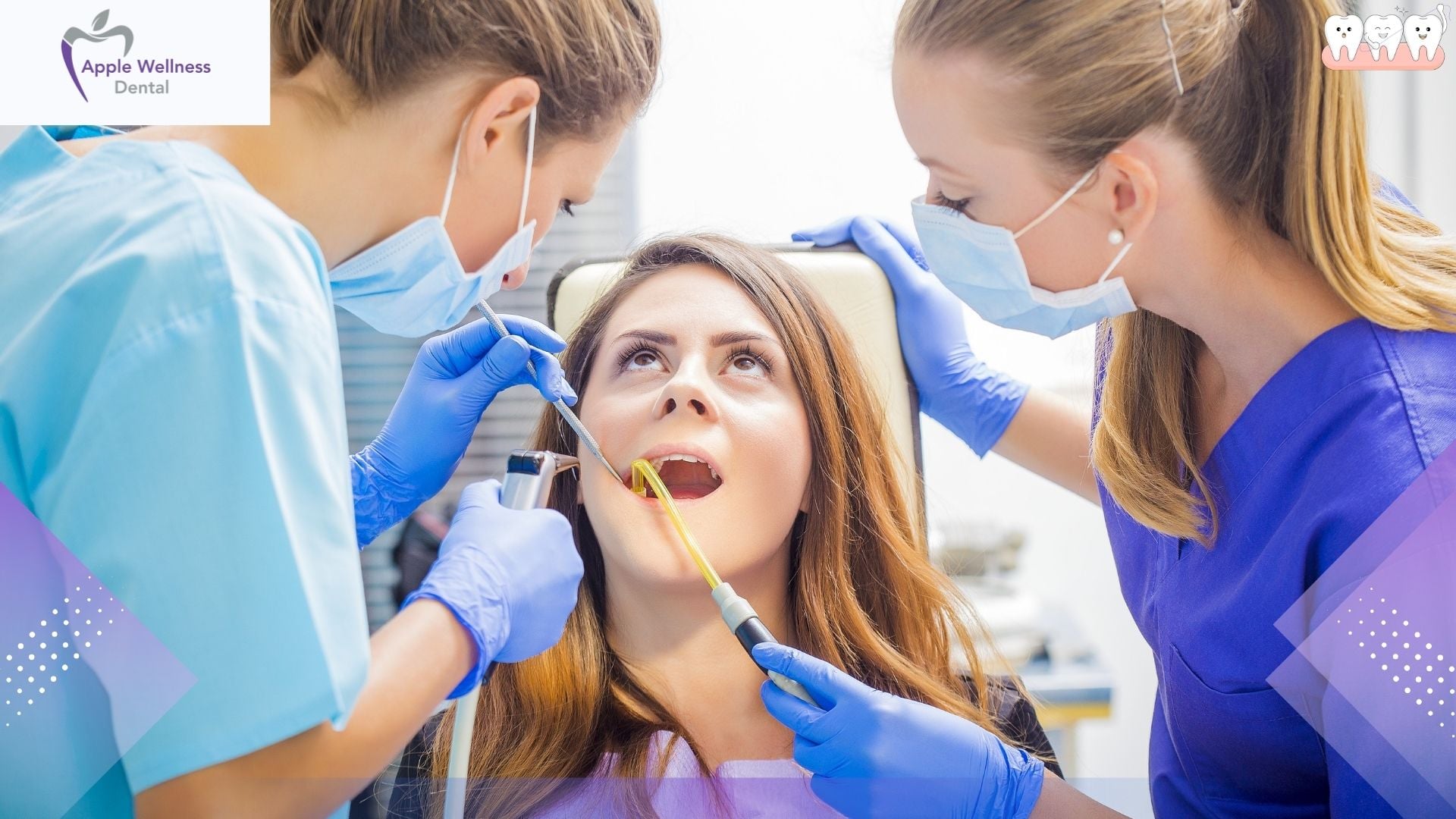
While the technology is highly advanced, it is not a universal replacement for all traditional dental tools. Its application is highly specific and most effective during the early stages of dental caries (cavities). In 2026, progressive clinical guidelines suggest utilizing this technology primarily for superficial and preventative restorations.
The most common applications include the preparation of occlusal surfaces (the biting surfaces of back teeth) for preventative dental sealants. By lightly abrading the deep grooves of molars, clinicians can ensure that sealants adhere perfectly without removing excessive healthy enamel. Furthermore, the technique is exceptionally effective for removing superficial discolorations and composite resin staining that standard polishing cannot resolve.
Another critical application is the preparation of small, early-stage cavities for tooth-colored composite fillings. The abrasive stream creates a microscopic roughness—known as micro-retention—on the tooth’s surface. This texturing significantly increases the surface area, allowing modern dental adhesives to bond much more securely than they would on a smooth surface prepared by a traditional drill.
Comparing Drill-Less Technology vs. Traditional Drilling
Patients often wonder how this modern approach compares directly to the traditional high-speed handpiece they are accustomed to. While both methods aim to remove diseased tissue and prepare the tooth for a restorative material, their approaches and patient experiences differ drastically.
| Feature | Air Abrasion | Traditional Drilling |
|---|---|---|
| Mechanism | Kinetic energy (particle stream) | Mechanical friction (spinning bur) |
| Sensations | No heat, no vibration, quiet | Heat, vibration, high-pitched noise |
| Anesthesia Need | Rarely required (85% reduction) | Almost always required (injections) |
| Tooth Preservation | Highly conservative | Removes more adjacent healthy tissue |
| Ideal Materials | Composite resin, sealants | Amalgam, crowns, deep composites |
Research published by the American Dental Association indicates that kinetic cavity preparation saves approximately 15-20% more healthy tooth structure than traditional drilling. Because the stream can be meticulously controlled, the clinician only removes the soft, decayed dentin while leaving the harder, healthy enamel completely intact.
The Step-by-Step Procedure Explained
For patients scheduled for a drill-free restoration, understanding the workflow can further alleviate any lingering anxiety. The entire process is remarkably straightforward and typically reduces overall chair time by 10-15 minutes per treated tooth.
- Patient Isolation: Because the procedure involves a fine powder, the clinical team will provide you with protective eyewear. A rubber dam or specialized isolation device is placed around the target tooth to keep the area dry and prevent particles from entering the mouth.
- High-Volume Evacuation (HVE): The assistant positions a high-volume suction tube very close to the tooth. This crucial step captures the aluminum oxide dust immediately as it deflects off the enamel, preventing you from inhaling or swallowing the powder.
- Targeted Application: The clinician uses a pen-like instrument to spray the pressurized abrasive stream precisely onto the carious lesion in short, controlled bursts.
- Clearing and Inspection: The tooth is rinsed with water and air-dried. The clinician inspects the cavity preparation with a dental explorer or digital imaging to ensure all decay has been thoroughly removed.
- Bonding and Restoration: An acid etchant is applied briefly, followed by a bonding resin. The tooth-colored composite material is then packed into the pristine cavity space and cured instantly with a specialized ultraviolet light.
Major Benefits of Choosing Minimally Invasive Options
The shift toward conservative dentistry in 2026 is driven largely by patient demand for more comfortable experiences. According to recent demographic data from the World Health Organization, over 36% of the global population suffers from some form of dental anxiety. By completely removing the psychological triggers associated with traditional handpieces—specifically the high-frequency whine and the physical vibration—clinicians can dramatically improve patient compliance.
Dr. Emily Thorne, a Pediatric Dental Specialist, highlights the impact on younger demographics. “For children, the absence of the high-speed handpiece noise drastically transforms the clinical experience,” she states. “We are seeing a 90% success rate in treating early-stage occlusal decay in pediatric patients without a single tear shed or injection given.”
Beyond comfort, the clinical advantages are substantial. Because the procedure rarely requires local anesthesia, patients do not leave the office with a numb lip or tongue. This allows them to immediately return to work, eat, and speak normally. Furthermore, the elimination of the “smear layer” (a layer of debris left behind by traditional drills) ensures a stronger, longer-lasting chemical bond for the composite filling.
Limitations: When is a Traditional Drill Still Necessary?
Despite its remarkable advantages, micro-abrasion is not a magic wand that can fix every oral health issue. The technology has distinct limitations that necessitate the continued use of traditional rotary instruments in specific scenarios. Most notably, the abrasive stream is ineffective at removing old, hardened amalgam (silver) fillings or preparing teeth for full-coverage crowns and dental bridges.
Additionally, if a cavity is exceptionally deep and approaches the soft pulp chamber (the nerve center of the tooth), kinetic preparation is contraindicated. The procedure lacks the tactile feedback that a spinning bur provides, making it difficult to gauge exactly how close the instrument is to the nerve in deep lesions. In these instances, a traditional handpiece combined with profound local anesthesia remains the gold standard of care.
The Cost of Drill-Free Restorations in 2026
A common misconception is that advanced, minimally invasive technologies carry a premium price tag. In reality, the cost of an air abrasion procedure is generally identical to that of a traditional filling. The billing codes used by insurance providers dictate the cost based on the number of tooth surfaces being restored, rather than the specific instrument utilized to remove the decay.
On average, patients can expect a composite restoration utilizing this method to cost between $150 and $250 per tooth, prior to insurance adjustments. Because the procedure is faster and eliminates the cost and time associated with administering local anesthetics, many modern clinics prefer this method for its sheer efficiency.
Frequently Asked Questions
Does air abrasion dentistry hurt?
For the vast majority of patients, the procedure is completely painless. You may feel a slight cooling sensation or mild pressure from the compressed air, but the absence of heat and vibration means local anesthesia (needles) is rarely required.
Are the aluminum oxide particles safe to ingest?
Yes, the particles used are completely non-toxic and biocompatible. However, clinical teams use high-volume suction and rubber dams to capture the vast majority of the dust, ensuring you do not swallow or inhale the medium during treatment.
Can this method remove my old silver fillings?
No, the kinetic stream is not powerful enough to safely or efficiently break down solid metal restorations. Traditional high-speed handpieces are still required to remove failing amalgam fillings or old gold crowns.
Is air abrasion covered by standard dental insurance?
Yes, insurance companies view this procedure exactly the same as a traditional filling. Coverage is based on the restoration of the tooth (e.g., a one-surface composite filling), not the specific tool the clinician uses to prepare the tooth.
How long does the actual procedure take?
Because there is no waiting period for numbing injections to take effect, the entire process is highly efficient. Preparing and filling a small cavity using this technique often takes less than 15 to 20 minutes from start to finish.
Is this technique safe for young children?
It is exceptionally safe and highly recommended for pediatric patients. The lack of needles and scary drill noises makes it the ideal technique for treating early childhood caries and applying preventative sealants.
Conclusion
Air abrasion dentistry represents a significant leap forward in preventative and conservative oral care. By harnessing the power of kinetic energy, modern clinicians can remove early-stage decay safely, quietly, and comfortably. For the millions of individuals who avoid necessary treatments due to a fear of the drill or needles, this minimally invasive technology offers a clear, stress-free path to maintaining exceptional oral health in 2026 and beyond.
If you have been postponing a routine checkup due to dental anxiety or are interested in seeing if your early cavities qualify for this drill-free alternative, professional guidance is your next step. Contact us today to schedule a comprehensive evaluation and learn more about our minimally invasive treatment options.
References
- American Dental Association (ADA) – Guidelines on Conservative Cavity Preparations and Restorative Materials.
- National Institute of Dental and Craniofacial Research (NIDCR) – Data on Biomaterials and Micro-Abrasion Efficacy (2026 Data).
- World Health Organization (WHO) – Global Demographic Studies on Dental Anxiety and Oral Health Compliance.
- Nature / British Dental Journal – Comparative Studies on Kinetic Energy vs. Mechanical Friction in Enamel Preservation.