
The Complete Guide to Keeping Teeth and Gums Healthy During Orthodontic Treatment
Successfully navigating orthodontic treatment requires a fundamental shift in daily dental habits. To effectively clean teeth while wearing brackets and wires, patients must utilize specialized tools like interdental brushes and floss threaders, brush at a 45-degree angle to clear the gingival margin, and adhere to a diet that minimizes plaque accumulation. By removing trapped food debris and neutralizing bacterial acids, patients can prevent permanent enamel decalcification and gingival inflammation throughout their orthodontic journey.
Key Takeaways
- Specialized Tools are Mandatory: Standard brushing is insufficient. Incorporate water flossers, interdental brushes, and orthodontic threaders into your daily routine.
- The 45-Degree Angle Rule: Aim toothbrush bristles toward the gum line and brackets to dislodge hidden plaque deposits.
- Dietary Adjustments Prevent Damage: Avoid hard, sticky, and highly acidic foods that can dislodge hardware or accelerate enamel erosion.
- Beware of White Spot Lesions: Up to 73% of patients develop permanent white decalcification marks without rigorous daily cleaning.
- Maintain Regular Dental Checkups: Orthodontic adjustments do not replace the need for professional scaling and prophylaxis every 3 to 6 months.
Why Meticulous Dental Care Matters During Orthodontic Treatment
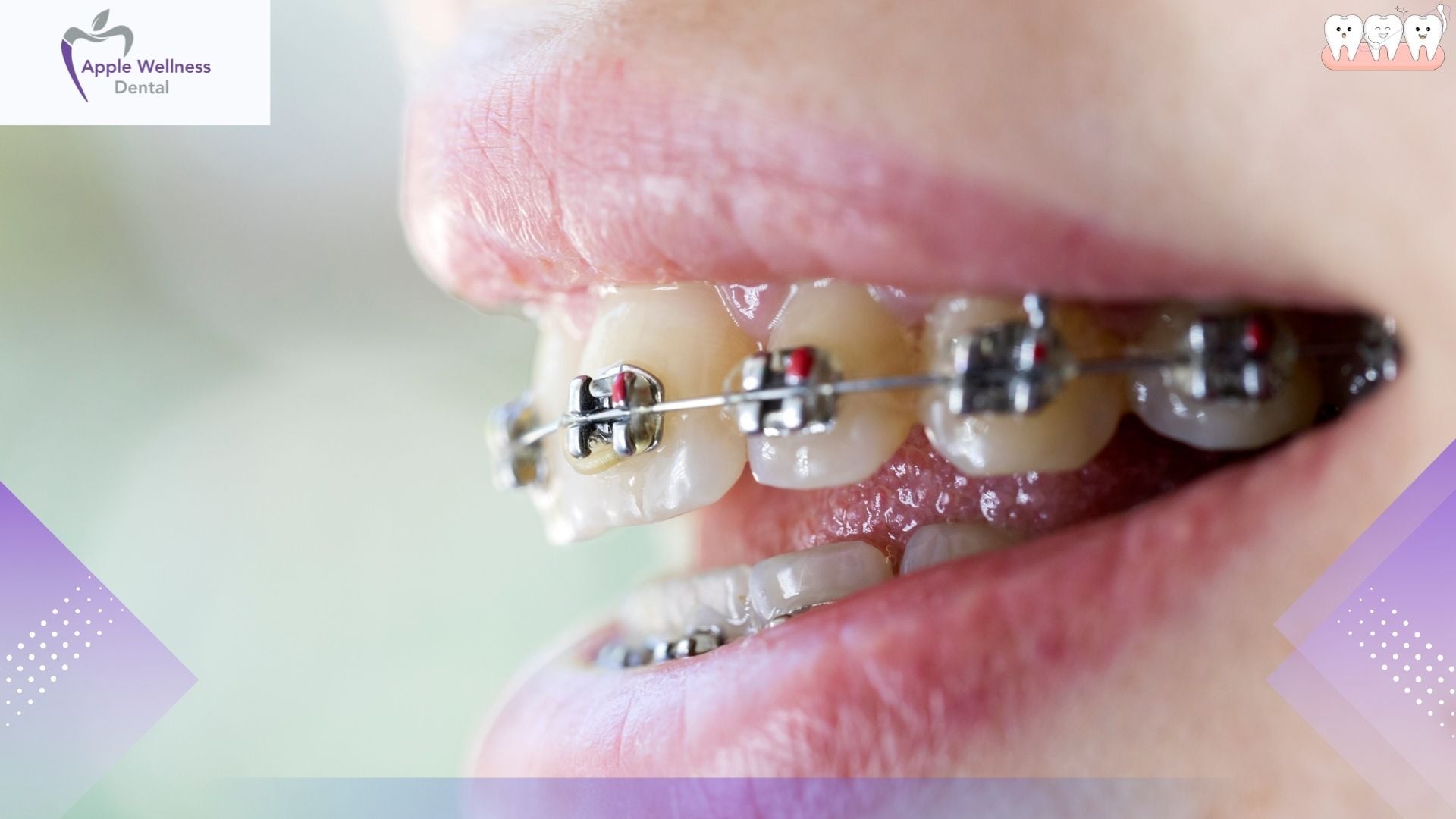
Understanding how to maintain oral hygiene with braces requires acknowledging the unique challenges introduced by orthodontic appliances. Traditional brackets, archwires, and elastic ligatures create microscopic crevices that serve as perfect retention sites for food particles and bacterial plaque. When biofilm accumulates around these structures, the risk of dental complications rises exponentially.
The primary concern for orthodontic patients is demineralization, commonly referred to as white spot lesions. According to research published in the American Journal of Orthodontics and Dentofacial Orthopedics, up to 73% of orthodontic patients develop white spot lesions during their treatment if rigorous cleaning protocols are not followed. These opaque, chalky marks represent areas where enamel has lost essential minerals like calcium and phosphate due to prolonged exposure to bacterial acids.
Furthermore, the presence of brackets alters the natural self-cleansing mechanisms of the mouth. Saliva, which naturally washes away debris and buffers acids, struggles to penetrate the complex architecture of braces. This environmental shift can lead to gingivitis—inflammation of the gum tissue. Hyperplastic (swollen) gums can even grow over the brackets, complicating both oral care and the mechanical movement of the teeth.
The Biochemistry of Plaque and Braces
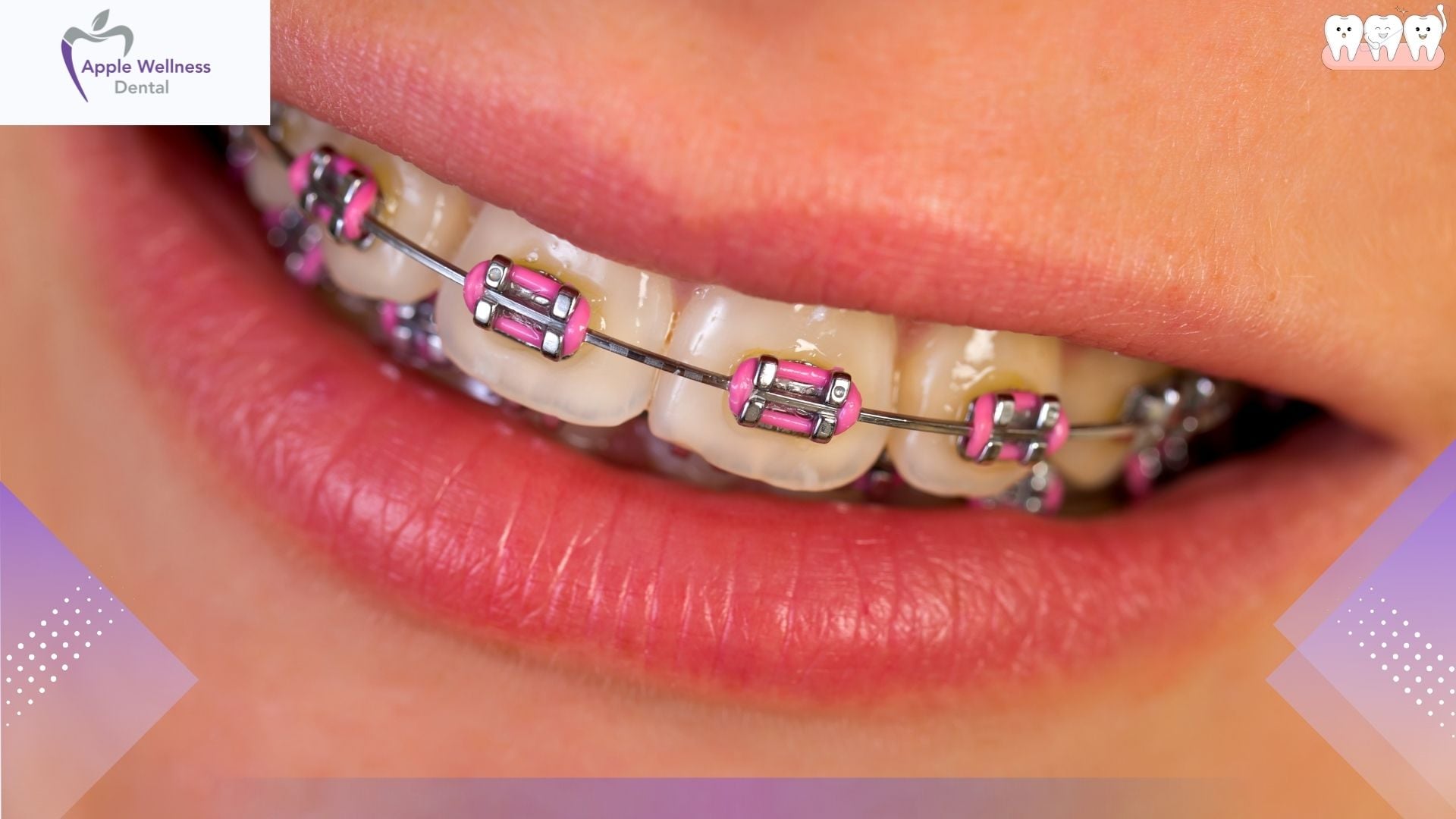
To truly appreciate the necessity of advanced cleaning techniques, it is essential to understand the biochemistry of the mouth. Plaque begins forming on the tooth surfaces within 4 to 12 hours after brushing. When a patient consumes fermentable carbohydrates (sugars and starches), naturally occurring oral bacteria, primarily Streptococcus mutans, metabolize these sugars and excrete lactic acid as a byproduct.
The critical pH level for enamel demineralization is 5.5. Under normal circumstances, saliva neutralizes this acid, returning the mouth to a safe, neutral pH of around 7.0 within 30 to 60 minutes. However, braces trap thick layers of plaque against the tooth surface, creating localized acidic environments that saliva cannot easily reach. This continuous acid attack rapidly dissolves the mineral structure of the tooth.
Essential Tools for Orthodontic Cleaning
Entering the year 2026, the market for oral care devices offers highly specialized tools designed specifically for orthodontic patients. A standard manual toothbrush and conventional string floss are no longer sufficient to navigate the intricate labyrinth of brackets and wires.
As the American Association of Orthodontists advises: “Patients wearing braces must commit to a heightened level of daily plaque removal to prevent enamel decalcification and gingival disease.” Achieving this requires a comprehensive toolkit.
| Tool | Primary Function | Frequency of Use |
|---|---|---|
| Electric Toothbrush (Sonic/Oscillating) | Delivers thousands of brush strokes per minute to disrupt biofilm more effectively than manual brushing. | At least twice daily (morning and night). |
| Interdental Brushes (Proxabrushes) | Small, cone-shaped brushes designed to clean underneath the archwire and between the brackets. | After every meal. |
| Floss Threaders & Super Floss | Allows standard floss to be threaded underneath the orthodontic wire to clean interproximal (between teeth) spaces. | Once daily, preferably before bed. |
| Water Flosser (Oral Irrigator) | Uses a pulsating stream of pressurized water to flush out loose debris and disrupt plaque deep in the gum pockets. | Once or twice daily as an adjunct to string floss. |
Step-by-Step Guide: Brushing and Flossing Properly
Having the right tools is only half the battle; employing the correct technique is what ultimately prevents decay. The following step-by-step protocol represents the gold standard for daily orthodontic hygiene.
Phase 1: Preparation and Irrigation
- Rinse Vigorously: Begin by swishing water around the mouth for 30 seconds. This dislodges large, loose food particles stuck in the brackets, making brushing easier and more effective.
- Pre-Clean with a Water Flosser: Using an oral irrigator on a medium setting, trace the gum line and flush water between each tooth and around every bracket. Clinical studies have shown that water flossers can remove up to 99.9% of plaque from treated areas in laboratory settings.
Phase 2: The Brushing Technique
- Apply Fluoride Toothpaste: Fluoride is non-negotiable for orthodontic patients, as it remineralizes enamel and fortifies it against acid attacks.
- Employ the Bass Method: Hold the toothbrush at a 45-degree angle directed toward the gum line. Use short, vibrating strokes. This angle allows the bristles to slip slightly beneath the gingival margin, clearing away hidden bacteria.
- Brush the Brackets: Adjust the angle to brush downwards on the top of the brackets, and upwards on the bottom of the brackets. Ensure every surface of the tooth—front, back, and chewing surfaces—is thoroughly scrubbed. Brushing twice a day for two minutes removes up to 26% more plaque than brushing for just one minute.
Phase 3: Interdental Cleaning
- Use the Proxabrush: Insert the interdental brush gently under the archwire between two brackets. Move it up and down to scrub the sides of the brackets and the wire itself. Repeat this for every gap in the mouth.
- Thread the Floss: Using a floss threader (or stiff-ended orthodontic floss), guide the floss under the main archwire. Carefully maneuver the floss between the teeth, forming a ‘C’ shape around the side of each tooth. Slide it gently beneath the gum line to remove interproximal plaque. Do not snap the floss, as this can damage the gingival tissue.
- Finish with a Fluoride Rinse: Complete the routine with an over-the-counter fluoride mouthwash. Swish for 60 seconds and spit. Do not rinse with water, eat, or drink for at least 30 minutes afterward to allow the fluoride to penetrate the enamel.
Dietary Guidelines for Appliance Protection
Mechanical cleaning is heavily supported by dietary choices. Consuming the wrong foods can bend wires, sheer off brackets, and create environments where plaque thrives uncontrollably.
The American Dental Association specifically notes: “Braces act as a trap for food and plaque, significantly increasing the risk of tooth decay and gum disease if diligent care is not maintained.” Mitigating this risk requires strict dietary modifications.
Foods to Strictly Avoid:
- Hard Foods: Ice, hard candies, popcorn kernels, and nuts can easily break brackets and snap archwires.
- Sticky Foods: Caramel, taffy, chewing gum, and gummy candies adhere stubbornly to brackets and are nearly impossible to brush away entirely.
- Crunchy Foods: Hard taco shells, potato chips, and pretzels can wedge tightly between the teeth and appliances.
- Acidic and Sugary Beverages: Sodas, sports drinks, and undiluted fruit juices drop the oral pH rapidly, bathing the teeth in acid.
When consuming healthy but challenging foods like apples or raw carrots, patients should cut them into bite-sized pieces and chew with their posterior teeth (molars) rather than biting into them directly with the incisors.
Managing Common Orthodontic Emergencies
Even with the utmost care, minor emergencies can occur. A loose bracket or a poking wire can cause significant mucosal irritation, leading to painful ulcers on the inner cheeks or lips. Proper management of these situations is part of maintaining a healthy oral environment.
If a wire is poking the cheek, patients should utilize orthodontic wax. Pinch off a pea-sized amount of wax, roll it into a ball, dry the offending bracket or wire with a tissue (wax will not stick to a wet surface), and press the wax firmly over the sharp edge. This provides an immediate, smooth barrier, giving the mucosal tissue time to heal. It is vital to contact the orthodontic office promptly to have the wire clipped, rather than relying on wax indefinitely.
The Importance of Professional Cleanings
A common misconception is that regular visits to the orthodontist for adjustments negate the need for general dental checkups. Orthodontists focus on biomechanics and tooth movement; they do not perform comprehensive prophylaxis (dental cleanings).
The Canadian Dental Association emphasizes that regular professional cleanings are incredibly critical during orthodontic treatment to manage gingival health and access areas hindered by brackets and wires. Patients should schedule cleanings with their dental hygienist every 3 to 6 months. Dental professionals possess ultrasonic scalers and specialized hand instruments capable of safely navigating around brackets to remove hardened calculus (tartar) that home care cannot eliminate.
Furthermore, because the World Health Organization estimates that oral diseases affect nearly 3.5 billion people globally, proactive preventative care during periods of high risk—such as wearing braces—is paramount to lifelong dental health.
Frequently Asked Questions
How often should I brush my teeth while wearing braces?
You should brush your teeth at least three times a day, ideally about 30 minutes after every main meal. This prevents food particles and fermentable carbohydrates from sitting against your enamel and feeding plaque-producing bacteria.
Can I use an electric toothbrush with braces?
Yes, electric and sonic toothbrushes are highly recommended for orthodontic patients. They are significantly more effective at disrupting plaque biofilm than manual toothbrushes; just ensure you use a soft-bristled brush head and replace it every 3 months.
Is a water flosser a replacement for traditional string floss?
No, a water flosser is a fantastic adjunct tool, but it does not replace traditional string flossing. While water pulsation flushes out loose debris and bacteria from pockets, string floss is required to physically wipe the sticky biofilm from the interproximal surfaces of the teeth.
What should I do if a bracket comes loose?
If a bracket detaches from the tooth but remains on the wire, secure it temporarily with orthodontic wax so it doesn’t slide and cut your cheek. Contact your orthodontic clinic immediately to schedule a repair appointment.
Why are my gums swollen and bleeding during orthodontic treatment?
Swollen, bleeding gums are classic signs of gingivitis, which occurs when plaque accumulates along the gum line. Improve your brushing angle (aiming 45 degrees toward the gums) and increase your flossing frequency to reduce the inflammation.
How can I prevent white squares from appearing when my braces are removed?
Preventing white spot lesions requires meticulous, daily plaque removal and consistent fluoride use. Avoid sugary and acidic foods, brush meticulously around every bracket, and consider using a prescription-strength fluoride toothpaste if recommended by your dentist.
Conclusion
Navigating orthodontic treatment is an investment in your future smile, but that investment requires daily dedication to oral hygiene. By utilizing the correct tools, mastering the 45-degree brushing technique, threading floss carefully, and adhering to dietary guidelines, you can ensure that your teeth remain as healthy as they are straight. Remember that keeping your appliances clean prevents gingivitis, wards off decalcification, and ensures your treatment progresses efficiently.
If you are struggling to keep your appliances clean, experiencing inflamed gums, or need to schedule your essential professional cleaning, do not hesitate to seek expert help. Contact our team today to schedule a comprehensive examination and prophylactic cleaning to keep your orthodontic journey on track.