
How to Correct an Uneven Smile: A Complete Guide to Facial Asymmetry
An uneven smile, clinically referred to as facial asymmetry, can be corrected through a variety of dental, dermatological, and surgical treatments tailored to the underlying cause. Solutions range from non-invasive neuromodulator injections (like Botox) for muscle imbalances to orthodontic treatments such as clear aligners for malocclusion, and even orthognathic surgery for severe skeletal discrepancies. Consulting with a qualified dental professional or specialist is the essential first step to accurately diagnose the root cause and develop a personalized, highly effective treatment plan.
Key Takeaways
- Identify the Root Cause: Treatment depends entirely on whether the asymmetry is dental, muscular, or skeletal in nature.
- Orthodontic Interventions: Braces and clear aligners are the gold standard for correcting misaligned bites and crooked teeth.
- Cosmetic Enhancements: Porcelain veneers and composite bonding offer rapid aesthetic improvements for minor tooth irregularities.
- Neuromodulators: Botulinum toxin provides a minimally invasive, temporary solution for hyperactive facial muscles causing lip asymmetry.
- Surgical Solutions: Severe jaw discrepancies may require orthognathic surgery for permanent structural correction.
- Gingival Health: Laser gum contouring can easily fix an uneven gum line, often referred to as a “gummy smile.”
Understanding the Root Causes of Facial Asymmetry
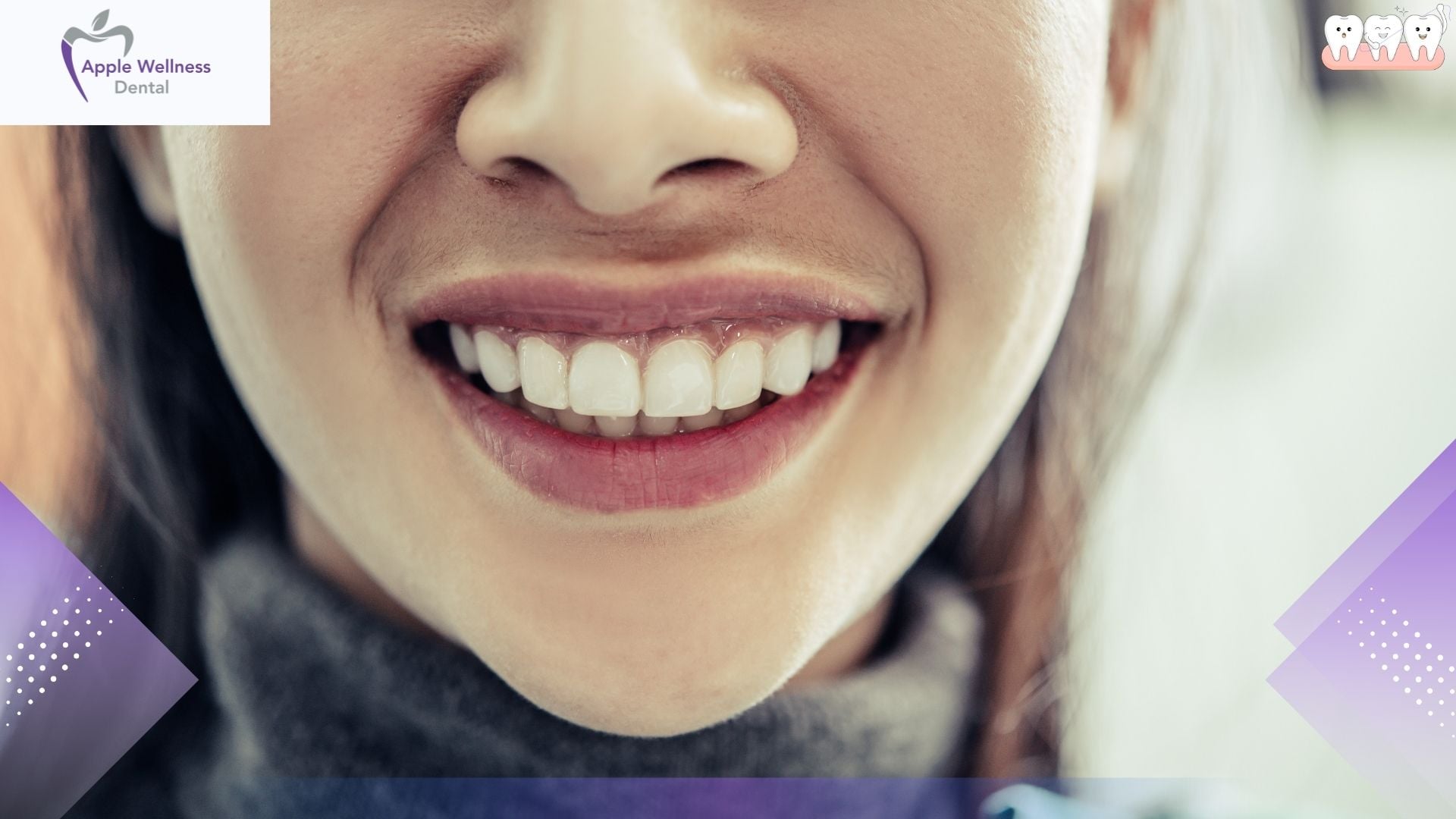
Before exploring how to correct an uneven smile, it is critical to understand the biological mechanisms behind the asymmetry. The human face is naturally slightly asymmetrical; however, pronounced irregularities can affect oral function, speech, and self-confidence. The World Health Organization (WHO) constitution states: “Health is a state of complete physical, mental and social well-being and not merely the absence of disease or infirmity,” which highlights the importance of addressing the psychological and functional impacts of severe facial asymmetry.
Generally, an irregular smile falls into one of three primary categories: dental, muscular, or skeletal. Dental asymmetry occurs when teeth emerge at improper angles, suffer from crowding, or are missing altogether. This often leads to malocclusion, a condition where the upper and lower teeth do not align correctly when the jaw is closed.
Muscular asymmetry is typically caused by uneven muscle tone or nerve conditions. Conditions such as Bell’s palsy, facial nerve trauma, or simply overactive depressor muscles can cause one side of the lip to pull higher or lower than the other. Finally, skeletal asymmetry involves the structural foundation of the face. Congenital conditions like hemifacial microsomia, developmental jaw discrepancies, or severe physical trauma can cause the maxillary (upper) or mandibular (lower) jawbones to develop unevenly.
Orthodontic Interventions: Aligning the Bite
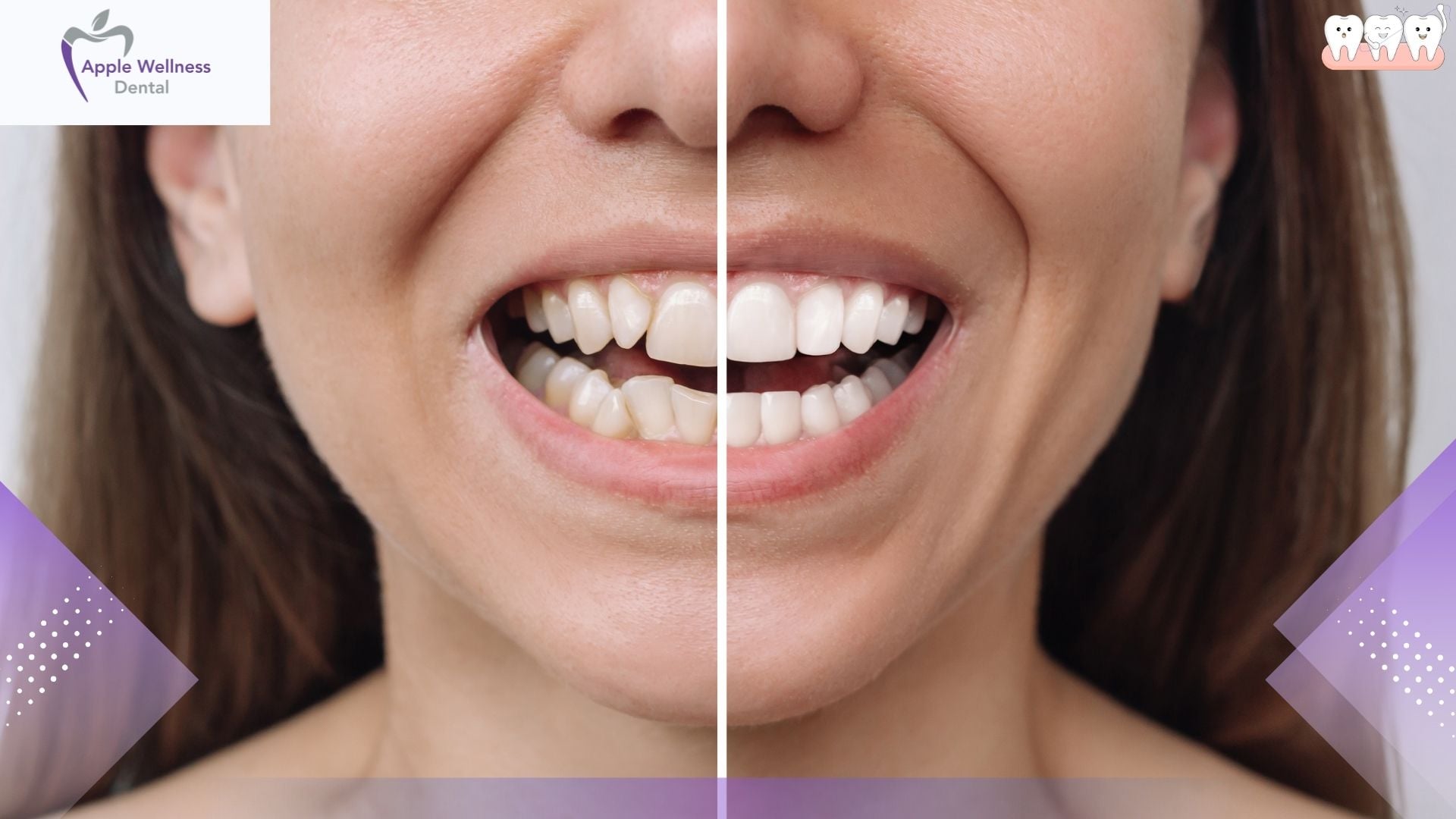
When the root cause of an irregular smile is dental—such as severe crowding, spacing, or a misaligned bite—orthodontic treatment is the most effective intervention. Historically, orthodontics was primarily viewed as a childhood treatment, but modern advancements have shifted this demographic. The American Association of Orthodontists (AAO) reports that today, adults account for roughly one in five orthodontic patients.
Traditional metal or ceramic braces utilize brackets and wires to apply continuous, gentle pressure to the teeth, gradually shifting them into their optimal functional positions. This method is highly effective for complex malocclusions, including severe overbites, underbites, and crossbites that contribute to a lopsided appearance.
For patients seeking a more discreet option in 2026, clear aligner therapy has become a dominant solution. Custom-fabricated from transparent, medical-grade thermoplastic, these removable trays shift teeth incrementally. Clear aligners are particularly effective for mild to moderate dental asymmetry and offer the added benefit of improved oral hygiene access during treatment.
Cosmetic Dentistry: Reshaping and Restoring Teeth
If your teeth are fundamentally well-aligned but feature superficial imperfections—such as chips, varying lengths, or localized discoloration—cosmetic dentistry offers highly effective, rapid solutions. According to the foundational guidelines of the American Dental Association (ADA), “Preserving natural tooth structure is a primary goal of modern restorative dentistry.”
Porcelain veneers are ultra-thin, custom-made ceramic shells bonded to the anterior (front) surface of the teeth. They can dramatically alter the shape, size, and color of teeth, instantly masking discrepancies that cause a smile to appear lopsided. Data supported by the American College of Prosthodontists indicates that with proper oral hygiene and routine maintenance, high-quality porcelain veneers have an impressive lifespan, typically lasting 10 to 15 years.
For a less invasive and more cost-effective approach, composite resin bonding can be utilized. A dentist applies a tooth-colored resin directly to the tooth, sculpting it to achieve the desired symmetry before curing it with a specialized ultraviolet light. While bonding may not last as long as porcelain, it requires minimal removal of the natural enamel and can often be completed in a single visit.
Gum Contouring: Framing the Teeth
Sometimes, the teeth themselves are perfectly symmetrical, but the framing tissue is not. An uneven gum line can make uniformly sized teeth appear disproportionate. This is frequently observed in patients with excessive gingival display, commonly referred to as a “gummy smile.”
Gingival contouring, or a gum lift, is a periodontal procedure that reshapes the gum tissue. Modern dental practices utilize soft-tissue diode lasers to gently remove excess tissue and sculpt a highly symmetrical gum line. Laser dentistry minimizes bleeding, reduces the risk of infection, and dramatically accelerates post-operative healing compared to traditional scalpel methods.
Neuromodulators: The Non-Surgical Muscular Fix
When an uneven smile is driven by muscular hyperactivity rather than dental alignment, neuromodulator injections offer a profound, minimally invasive solution. Botulinum toxin type A (commonly known by brand names like Botox) works by temporarily blocking nerve signals to specific facial muscles, reducing their ability to contract forcefully.
For example, if the levator labii superioris muscle (which elevates the upper lip) pulls more aggressively on the left side, a precise injection can relax that specific muscle, allowing the lip to rest symmetrically. According to the American Society of Plastic Surgeons, millions of botulinum toxin procedures are performed annually, making it the top minimally invasive cosmetic procedure globally. The primary drawback of neuromodulators is their temporary nature; treatments generally must be repeated every three to four months to maintain symmetry.
Orthognathic Surgery: Correcting Skeletal Discrepancies
In cases of severe skeletal asymmetry, orthodontics and cosmetics alone cannot achieve a functional or aesthetically balanced result. Orthognathic (jaw) surgery is required to physically reposition the maxilla, mandible, or both. Dr. Edward Angle, universally recognized as the father of modern orthodontics, famously noted that “The study of orthodontics is indissolubly connected with that of art as related to the human face,” a principle that underscores the deep connection between structural jaw alignment and facial harmony.
Maxillofacial surgeons work in tandem with orthodontists to plan these comprehensive procedures. The treatment usually involves a phase of pre-surgical orthodontics to align the teeth over the jaws, followed by the surgical repositioning of the bones, and concluding with post-surgical orthodontics to fine-tune the bite. While orthognathic surgery requires a significant recovery period, it offers permanent, life-changing functional and aesthetic corrections.
Step-by-Step: How to Begin Your Smile Correction Journey
Taking the first steps toward correcting an uneven smile requires a systematic approach to ensure safety and optimal results. Follow these core steps:
- Schedule a Comprehensive Evaluation: Book a consultation with a licensed dental professional. They will perform a clinical examination of your teeth, gums, jaw joints (TMJ), and facial muscles.
- Undergo Diagnostic Imaging: Your provider will likely take panoramic X-rays, 3D CBCT scans, and intraoral photographs. These diagnostics are crucial for identifying hidden skeletal or root issues.
- Discuss Your Primary Goals: Clearly communicate whether your primary concern is aesthetic (how the smile looks) or functional (difficulty chewing, jaw pain, or speech impediments).
- Review the Treatment Plan: Your dentist or specialist will present a customized treatment plan. This may be a single procedure (like bonding) or a multidisciplinary approach (such as orthodontics followed by veneers).
- Commit to Post-Treatment Care: Once the active phase of treatment is complete, strict adherence to retention (wearing retainers) or maintenance (proper brushing, flossing, and regular cleanings) is vital to preserve the results.
Comparing Smile Correction Treatments
To help navigate the various interventions available in 2026, the following table breaks down the primary treatment categories, their ideal use cases, estimated timelines, and levels of invasiveness.
| Treatment Type | Best For… | Estimated Timeline | Invasiveness |
|---|---|---|---|
| Clear Aligners / Braces | Bite misalignment, crooked or crowded teeth | 6 to 24 months | Low (Non-surgical) |
| Porcelain Veneers | Chipped teeth, shape discrepancies, discoloration | 2 to 4 weeks | Moderate (Enamel removal) |
| Botulinum Toxin (Botox) | Muscular imbalances, hyperactive lip muscles | Immediate (lasts 3-4 months) | Low (Injectable) |
| Laser Gum Contouring | Uneven gum lines, excessive gingival display | 1 visit (1-2 weeks healing) | Low to Moderate |
| Orthognathic Surgery | Severe jaw misalignment, skeletal asymmetry | 12 to 36 months total | High (Surgical intervention) |
Frequently Asked Questions
Can an uneven smile fix itself over time?
No, an uneven smile will not correct itself. In fact, if the asymmetry is caused by a malocclusion or skeletal discrepancy, the condition may worsen over time as uneven wear and tear on the teeth can exacerbate the imbalance and lead to temporomandibular joint (TMJ) disorders.
Is Botox safe for treating lip asymmetry?
Yes, when administered by a licensed and trained medical or dental professional, botulinum toxin is considered highly safe for treating muscular facial asymmetry. It is a strictly targeted, minimally invasive treatment, though the results are temporary and require regular maintenance.
Does insurance cover treatments for an uneven smile?
Insurance coverage depends heavily on the root cause of the asymmetry. Cosmetic procedures like veneers or bonding are typically not covered. However, if the asymmetry causes functional impairment (such as severe chewing difficulties or sleep apnea), insurance may partially cover orthodontic or surgical treatments.
How long do porcelain veneers last?
With excellent oral hygiene, routine dental checkups, and the avoidance of destructive habits (like using teeth to open packaging or chronic teeth grinding), high-quality porcelain veneers typically last between 10 and 15 years before requiring replacement.
Can chewing on one side of the mouth cause facial asymmetry?
Chronic unilateral chewing (chewing predominantly on one side) can lead to muscular hypertrophy, where the masseter muscle on the favored side becomes visibly larger than the other. Over many years, this can contribute to functional and aesthetic facial asymmetry.
At what age is it best to correct an asymmetrical jaw?
While orthodontic interventions can begin in early childhood to help guide jaw growth, orthognathic (jaw) surgery is typically delayed until the patient has finished growing. For most individuals, this occurs in the late teens or early twenties, ensuring the surgical corrections remain permanent.
Conclusion
Learning how to correct an uneven smile begins with understanding that facial asymmetry is a highly common and deeply researched medical and dental condition. Whether your specific needs call for modern clear aligner therapy, the artistic precision of porcelain veneers, the targeted relaxation of neuromodulators, or the profound structural correction of orthognathic surgery, the technology and techniques available in 2026 are more advanced than ever before. Do not let functional discomfort or aesthetic insecurities dictate your quality of life. If you are ready to take the first step toward a balanced, confident smile, contact us today to schedule a comprehensive evaluation and discover the best personalized treatment plan for you.