
Your Complete Timeline for Eating Solid Food After Tooth Extraction with Stitches
You can typically start eating soft solid foods about 3 to 5 days after a tooth extraction with stitches, but a full return to your normal diet often takes 2 weeks or longer. The key factor is the formation of a stable blood clot and the initial healing of the gum tissue, which the stitches are designed to protect. Rushing into a steak or crunchy snack too early is the single biggest cause of a painful dry socket and a disrupted recovery.
Key Takeaways
- Wait at least 3–5 days before attempting soft solids like scrambled eggs or pasta.
- Stitches (sutures) protect the wound, but they do not make the site invincible to chewing forces.
- Your #1 goal for the first week is to protect the blood clot and prevent dry socket.
- Always chew on the opposite side of your mouth from the extraction site.
- Dissolvable stitches typically fall out within 7–10 days, but the tissue underneath is still healing.
- If you feel sharp pain when food touches the socket, revert to a liquid or pureed diet immediately.
Understanding the Healing Process After an Extraction

To understand when you can eat solid food, you must first understand what is happening inside the socket. A tooth extraction is a controlled surgical wound. Once the tooth is removed, the body immediately begins the process of hemostasis, forming a blood clot in the empty socket. This clot is not just a scab; it is the essential foundation for new bone and soft tissue growth. Stitches, or sutures, are placed to bring the gum tissue together, reducing the size of the wound and protecting this fragile clot from being dislodged.
According to the American Association of Oral and Maxillofacial Surgeons, the first 24 to 72 hours are the most critical for clot stability. Dislodging this clot exposes the underlying bone and nerve endings, a condition known as alveolar osteitis, or dry socket. Research from the Journal of Oral and Maxillofacial Surgery indicates that dry socket occurs in roughly 2% to 5% of all extractions, but the incidence can spike to over 20% in lower wisdom tooth removals. The primary culprit? Prematurely eating hard, crunchy, or chewy foods.
Day-by-Day Diet Progression: Liquids to Solids
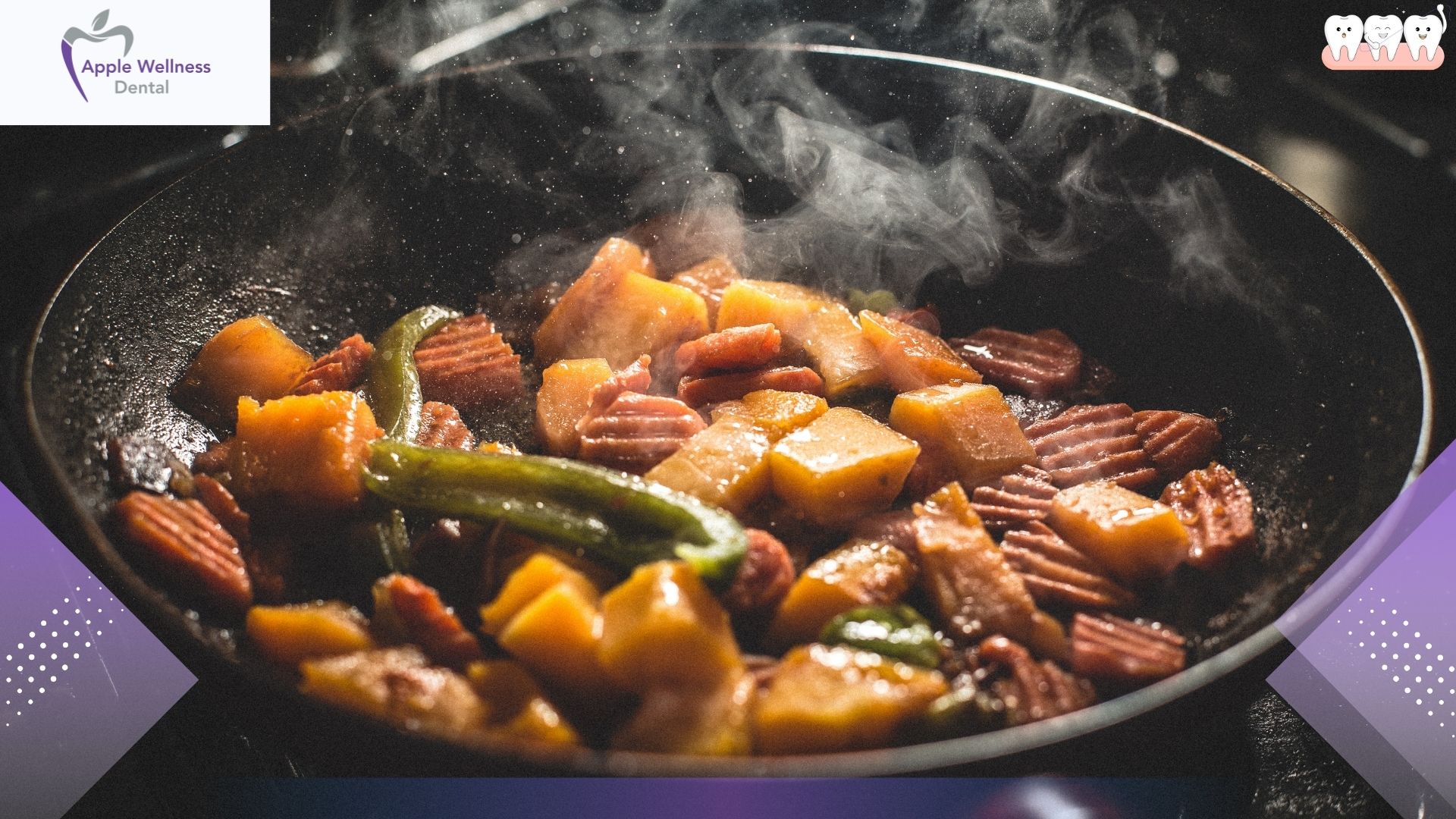
Your diet should evolve in lockstep with your healing. Dr. Sarah Varghese, a board-certified periodontist, explains: “I tell my patients to let comfort be their guide, but to never mistake the absence of pain for complete healing. The tissue strength at day 5 is only a fraction of what it will be at day 30.” Here is a practical, day-by-day breakdown.
Days 1–2: Strict Liquid and Pureed Diet
For the first 48 hours, you should consume only liquids and foods that require zero chewing. The goal is to avoid any suction or pressure in the mouth that could pull the clot out. Think smoothies (drunk from a cup, never a straw), lukewarm broths, thinned yogurt, and meal replacement shakes. Temperature matters: hot liquids can dissolve the clot, so everything must be cool or lukewarm. A 2023 study in the International Journal of Dental Sciences found that patients who adhered to a strict cold-liquid diet for the first 24 hours had a 60% lower incidence of post-operative bleeding.
Dr. Michael Chen, an oral surgeon with over 20 years of experience, adds: “The no-straw rule is non-negotiable. The suction created by a straw generates negative pressure that can literally vacuum the clot out of the socket. I’ve seen it happen countless times.”
Days 3–5: The Transition to Soft Solids
This is the window where most patients can begin eating “soft solid” foods. The stitches are doing their job, and a layer of healing tissue, called granulation tissue, begins to form over the socket. However, the tissue is still extremely delicate. Safe foods at this stage include scrambled eggs, oatmeal, mashed potatoes, well-cooked pasta, cottage cheese, and soft fish like poached salmon. The food must be soft enough to be mashed with your tongue against the roof of your mouth.
You must still chew exclusively on the side opposite the extraction. Even soft pasta can disturb the stitches if it is ground directly over the wound. If you had multiple teeth extracted or a bilateral procedure, you may need to stick to a pureed diet for a full week. A practical test: if you can easily cut the food with the side of a plastic fork, it is likely safe to eat.
Days 6–14: Introducing More Textures
By the end of the first week, dissolvable stitches often begin to loosen and fall out. This is normal and not a cause for alarm. The underlying tissue is now stronger, but still not ready for a full workout. You can now introduce foods like ground meat, soft bread (without crusts), steamed vegetables, and ripe bananas. Avoid any food that shatters into sharp fragments, such as tortilla chips, nuts, seeds, or raw carrots. These tiny particles can lodge in the healing socket and cause a painful infection or delayed healing.
Data from the Mayo Clinic suggests that full soft tissue closure over an extraction site typically takes 14 to 21 days. However, the underlying bone remodeling continues for several months. This means that while you can eat a normal diet after 2 weeks, you should still be cautious with extremely hard foods like nuts or hard candies for at least a month.
Safe Foods vs. Foods to Avoid: A Quick Reference
Making the right food choices is the most direct way you can influence your healing speed. Below is a comparison table to help you navigate your meals during the first two weeks.
| Safe Foods (Soft & Non-Irritating) | Foods to Avoid (Hard, Crunchy, or Spicy) |
|---|---|
| Scrambled eggs | Popcorn, chips, pretzels |
| Yogurt (no fruit chunks) | Nuts and seeds |
| Smooth soups (lukewarm) | Raw vegetables (carrots, celery) |
| Mashed potatoes | Chewy meats (steak, jerky) |
| Applesauce | Crunchy fruits (apples, pears) |
| Protein shakes | Spicy foods (curry, hot sauce) |
| Hummus | Carbonated drinks |
| Oatmeal | Alcohol and tobacco |
The Critical Role of Stitches in Your Recovery
Stitches serve a mechanical purpose: they hold the gum tissue in place. But they are not a substitute for healed tissue. Most dentists use dissolvable sutures made from materials like polyglycolic acid or chromic gut. These materials are designed to lose their tensile strength and break down as the wound heals, typically within 7 to 10 days. As Dr. Varghese notes, “The presence of stitches is not a green light to chew on that side. Think of them as a temporary scaffold. The building is still under construction underneath.”
If your stitches come out before day 3, or if you notice the wound gaping open, you should contact your dental office immediately. Otherwise, a slight loosening and eventual disappearance of the suture material is a sign of normal healing. You might notice a small knot or thread fragment in your mouth; this is harmless and can be swallowed or gently rinsed away.
How to Safely Reintroduce Solid Foods: A Step-by-Step Guide
Transitioning back to solid foods is a process, not an event. Follow these steps to minimize risk and build confidence.
- Start with a single “test” food. Choose something very soft, like a small bite of scrambled egg or a spoonful of oatmeal. Place it on the opposite side of your mouth.
- Chew slowly and deliberately. Focus on using only the teeth on the unaffected side. Avoid any swishing or aggressive tongue movements.
- Pause and assess. After swallowing, wait a full minute. Do you feel any sharp pain, pressure, or a strange taste? If yes, stop and return to a liquid diet for another day.
- Rinse gently. After eating, rinse your mouth with a warm saltwater solution (1/2 teaspoon of salt in 8 ounces of water). Do not spit forcefully; let the water fall out of your mouth into the sink.
- Inspect the site. Using a mirror and good lighting, look at the extraction area. If you see food particles trapped in the socket, do not probe with your finger or a toothpick. A gentle rinse or a prescribed irrigation syringe (often given after wisdom tooth removal) can flush it out.
- Advance one food category at a time. If soft solids are tolerated for 2 days, you can try something slightly firmer, like pasta or soft bread. Do not jump from oatmeal to a hamburger.
Common Mistakes That Delay Healing
Even well-intentioned patients can inadvertently sabotage their recovery. Here are the most frequent errors observed in clinical practice.
- Using a straw too soon. The suction risk persists for at least a week. A 2024 survey by the American Dental Association found that 31% of dry socket cases were directly linked to straw use within the first 5 days.
- Eating “mushy” but sticky foods. Caramel, gummy candies, and even soft bread can stick to the teeth and pull at the stitches. Soft does not always mean safe.
- Skipping meals. Proper nutrition is essential for wound healing. A calorie deficit forces the body to slow down repair processes. If chewing is difficult, rely on high-calorie smoothies and protein shakes.
- Smoking or vaping. Nicotine is a potent vasoconstrictor that reduces blood flow to the healing tissues. The physical act of inhaling also creates suction. Smokers have a significantly higher risk of dry socket, with some studies showing a 3- to 4-fold increase.
- Overconfidence after stitches dissolve. When the sutures disappear around day 7, the wound looks smaller, but the tissue is only about 10% of its final strength. Continue to be cautious for another full week.
Recognizing Complications: When to Call Your Dentist
While some discomfort is normal, certain symptoms signal a problem that requires professional intervention. Do not adopt a “wait and see” approach if you experience any of the following.
- Throbbing pain that radiates to your ear, eye, or neck. This is the hallmark of dry socket and typically starts 3–5 days after the extraction.
- A visible empty socket with a whitish bone surface. Instead of a dark red clot, you see bare bone.
- Foul taste or persistent bad breath that does not improve with gentle rinsing, which can indicate an infection or food debris trapped deep in the socket.
- Fever or swollen lymph nodes, which are systemic signs of an infection spreading beyond the local site.
- Excessive bleeding that soaks through gauze pads and does not stop with firm pressure for 30 minutes.
According to the National Institute of Dental and Craniofacial Research, prompt treatment of a dry socket with a medicated dressing can provide near-immediate pain relief and get your recovery back on track within a few days.
Long-Term Healing: Beyond the First Month
Even after you have returned to a completely normal diet, your body is still working. The bone that once held your tooth undergoes a process called remodeling. Over the next 4 to 6 months, the socket will fill in with new bone, and the gum tissue will mature to its final, smooth contour. This is an important consideration if you are planning a dental implant or a bridge. Your dentist will want to ensure complete osseointegration of the bone before placing an implant, which can take 3 to 6 months.
During this extended healing phase, maintain excellent oral hygiene. A water flosser can be a valuable tool for keeping the area clean, but only after the socket has fully closed (typically after 3–4 weeks). Before that, the pressure from the water jet can disrupt the healing tissue.
Frequently Asked Questions
Can I eat bread after a tooth extraction?
You can eat soft, crustless bread starting around day 5 or 6, but proceed with caution. Bread can become gummy and sticky, easily adhering to the stitches or the healing socket. Always tear it into small pieces and chew on the opposite side of your mouth.
When can I eat pizza after tooth extraction?
Pizza is a challenging food because it combines chewy crust with hot, sometimes stringy cheese. You should wait at least 2 weeks before attempting pizza. Even then, choose a soft-crust variety, let it cool to lukewarm, and cut it into very small bites. Avoid any crunchy or hard toppings.
How do I know if my blood clot is dislodged?
The classic sign of a dislodged clot, or dry socket, is a sudden onset of intense, throbbing pain 3 to 5 days after the extraction. You might also see a whitish appearance of bone inside the socket instead of a dark red or pink clot. A foul taste or odor is another common indicator.
What happens if food gets stuck in the extraction hole?
It is common for small food particles to accumulate in the socket as it heals. Do not pick at it with your finger, a toothpick, or your tongue. Gently rinse with warm salt water, letting the water fall out of your mouth without spitting. If your dentist provided a curved-tip irrigation syringe, you can use it with gentle pressure starting about 5 days post-extraction.
Can I drink coffee after a tooth extraction?
You should avoid hot coffee for at least 48 hours, as heat can dissolve the blood clot. After that, you can drink lukewarm coffee, but still avoid using a straw. Caffeine can also slightly increase blood pressure, so it is best to limit your intake during the first few days of healing.
When can I brush my teeth normally again?
You can brush your teeth the night of the surgery, but you must avoid the extraction site completely. For the first week, use a soft-bristled brush and very gentle motions around the adjacent teeth. Do not spit toothpaste forcefully; let it drool out of your mouth. You can resume normal, careful brushing of the area after about 7 to 10 days.
Is it normal for stitches to fall out early?
Dissolvable stitches are designed to start losing their strength and falling out within 3 to 7 days. If a stitch comes out on day 3 and the wound edges are still held together, this is usually normal. However, if the wound gapes open or you experience new bleeding, contact your dentist immediately.
Conclusion
Navigating the return to solid food after a tooth extraction with stitches is a test of patience, but it is the single most controllable factor in your recovery. The timeline is clear: liquids for 2 days, soft solids for up to a week, and a gradual return to normal textures over 2 to 4 weeks. Your body’s healing signals are your best guide. Pain, pressure, or a bad taste are immediate stop signs. By following a disciplined diet progression, avoiding straws, and maintaining gentle oral hygiene, you can dramatically reduce your risk of dry socket and ensure that the foundation for your future dental health is strong. If you have any concerns about your healing progress or need personalized advice, contact our team today to schedule a follow-up evaluation.
References
- American Association of Oral and Maxillofacial Surgeons. Post-Operative Care Instructions. aaoms.org
- Mayo Clinic. Dry Socket: Symptoms and Causes. mayoclinic.org
- American Dental Association. Oral Health Topics: Tooth Extraction. ada.org
- National Institute of Dental and Craniofacial Research. Oral Health Information. nidcr.nih.gov
- Journal of Oral and Maxillofacial Surgery. Incidence and Predisposing Factors for Dry Socket. joms.org