
When Can You Eat After a Tooth Extraction? A Complete Recovery Timeline
You can technically eat 3 hours after a tooth extraction, but only if the local anesthetic has completely worn off and you stick to very soft, cool foods. Eating too soon or choosing the wrong foods is the fastest way to dislodge the protective blood clot and trigger a painful dry socket. The real question isn’t just about timing — it’s about what you eat and how you eat it. This guide walks you through the exact recovery timeline, safe food choices, and critical mistakes to avoid so you heal quickly and comfortably.
Key Takeaways
- Wait until numbness disappears completely before attempting to eat — typically 2 to 4 hours post-extraction.
- Stick to cool, soft foods like yogurt, applesauce, and smoothies for the first 24 to 48 hours.
- Never use a straw, spit forcefully, or smoke for at least 72 hours — suction is the enemy of healing.
- Chew exclusively on the opposite side of the extraction site for at least one week.
- Dry socket risk peaks between days 3 and 5; throbbing pain that radiates to the ear is a warning sign.
- Gradually reintroduce semi-soft foods like scrambled eggs and mashed potatoes after 48 hours if there is no pain.
- Complete soft tissue healing takes about two weeks, but bone remodeling continues for several months.
Understanding the Healing Process After an Extraction
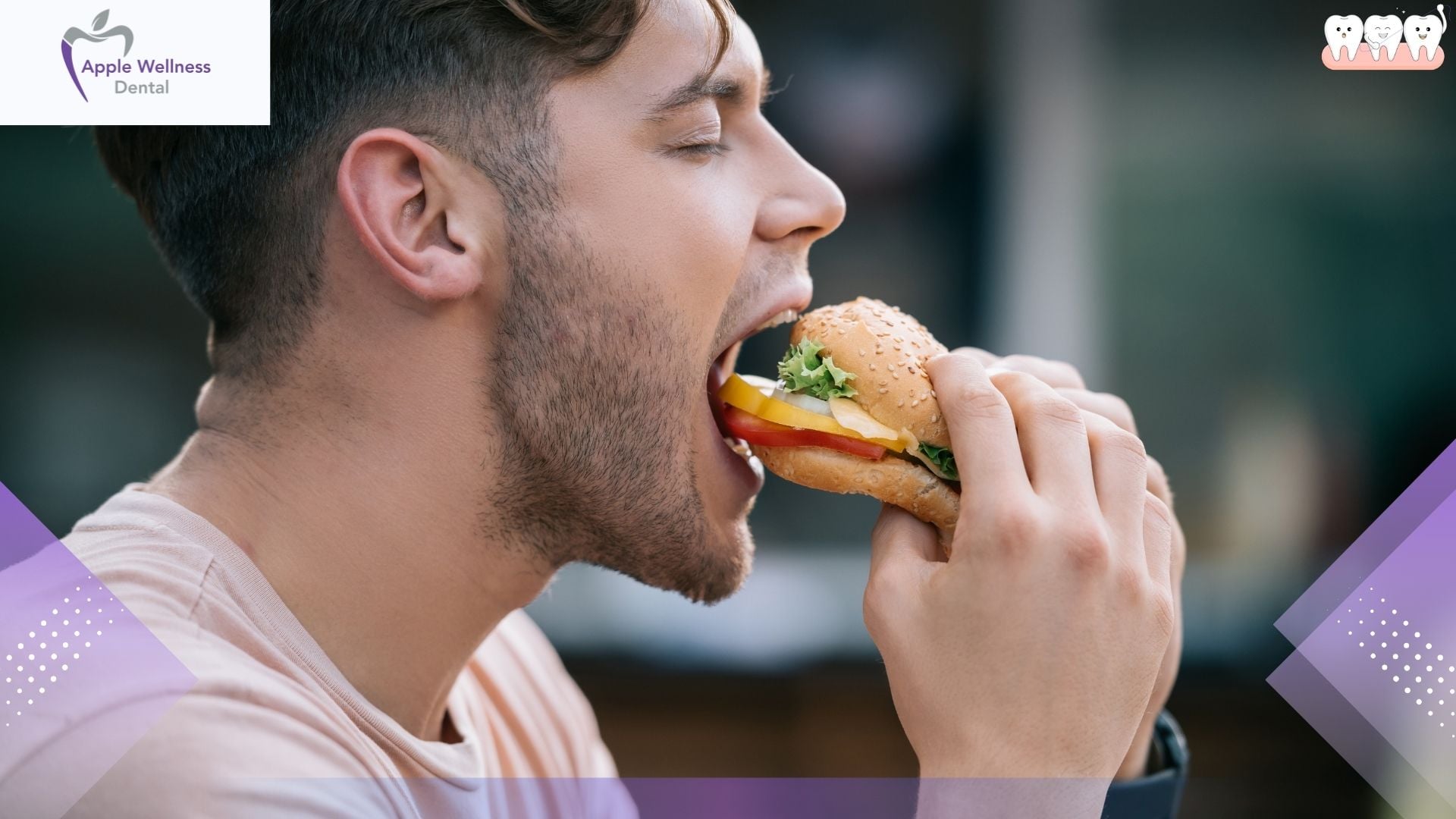
To understand why eating rules matter, you need to know what happens in the socket after a tooth is removed. The moment the tooth comes out, the body initiates a complex healing cascade. A blood clot forms in the empty socket within minutes. This clot is not a scab — it is a biological scaffold that protects the underlying bone and nerve endings while new tissue grows. According to the American Association of Oral and Maxillofacial Surgeons, this clot is the single most important factor in uncomplicated healing. Dislodge it, and you expose bone to air, food debris, and bacteria. The result is alveolar osteitis, commonly called dry socket, which is notoriously painful and delays recovery significantly.
Research published in the Journal of Oral and Maxillofacial Surgery indicates that dry socket occurs in approximately 2% to 5% of all extractions, but the rate jumps to over 20% for impacted lower wisdom teeth. The first 72 hours are the critical window. During this period, the clot is maturing and adhering to the socket walls. Any mechanical disruption — aggressive chewing, suction from a straw, vigorous rinsing — can destroy it. After 72 hours, granulation tissue begins to replace the clot, and the risk drops substantially.
Can You Eat 3 Hours After Tooth Extraction? The Direct Answer

Three hours post-extraction is right on the borderline. For a simple, single-rooted tooth extraction under local anesthetic, numbness typically lasts between 2 and 4 hours. If sensation has fully returned to your lip, cheek, and tongue, and you feel no lingering tingling, you can attempt to eat. However, the meal must be cold or room temperature, completely soft, and consumed with extreme care. Hot foods and liquids increase blood flow to the area, which can cause the clot to break down prematurely. Chewing on the extraction side is absolutely forbidden.
Dr. Michael Horowitz, a Vancouver-based oral surgeon with over 20 years of experience, explains: “The three-hour mark is not a magic number. I tell my patients that numbness is the real guide. If you cannot feel your lip, you will bite it without knowing. Once sensation returns, start with something like a chilled protein shake or pudding. The temperature helps constrict blood vessels and stabilize the clot. But if the extraction was surgical — involving bone removal or multiple teeth — I recommend waiting at least 4 to 6 hours and sticking to liquids only for the first day.”
Statistics from a 2023 clinical review in the International Journal of Dental Sciences show that patients who ate within the first 4 hours without waiting for full sensation recovery had a 12% higher incidence of post-operative complications, including accidental soft tissue injury and partial clot disruption. The takeaway is clear: patience prevents pain.
The First 24 Hours: What to Eat and What to Avoid
The first day sets the foundation for healing. Your diet should consist exclusively of cool, soft, nutrient-dense foods that require zero chewing. The goal is to nourish your body without disturbing the surgical site. Here is a breakdown of safe options and absolute no-gos.
Safe Foods for the First 24 Hours
- Yogurt (plain or Greek): Smooth, cool, and packed with protein. Avoid varieties with fruit chunks or seeds.
- Applesauce: No chewing required. Choose unsweetened to avoid sugar irritating the wound.
- Smooth soups (lukewarm, not hot): Pureed butternut squash, tomato bisque, or blended lentil soup. Strain out any fibrous bits.
- Protein shakes and smoothies: Blend banana, protein powder, and milk. Consume with a spoon, never a straw.
- Pudding and custard: Easy to swallow and calorie-dense when appetite is low.
- Mashed avocado: Rich in healthy fats and potassium, which supports tissue repair.
Foods to Strictly Avoid
- Crunchy or hard foods: Chips, nuts, popcorn, raw vegetables. Kernels and shards lodge in the socket.
- Chewy foods: Steak, bagels, gummy candy. Chewing stresses the jaw and clot.
- Spicy foods: Hot peppers and spices irritate the wound and increase inflammation.
- Acidic foods and drinks: Citrus fruits, tomato juice, soda. Acid burns the raw tissue.
- Carbonated beverages: Bubbles can physically dislodge the clot.
- Alcohol: Thins the blood, impairs clotting, and interacts with pain medication.
Days 2 to 7: Gradual Reintroduction of Foods
After 48 hours, if you have no throbbing pain and the initial swelling has started to subside, you can begin adding semi-soft foods. The clot is more stable, but it is not yet replaced by durable tissue. Continue chewing on the opposite side. Rinse gently with warm salt water after every meal to keep the socket clean — do not swish vigorously. The rinse should be a gentle head-tilt motion, letting the water fall out of your mouth rather than spitting.
| Timeframe | Recommended Foods | Foods to Avoid |
|---|---|---|
| 48–72 hours | Scrambled eggs, oatmeal, mashed potatoes, cottage cheese, soft pasta | Toast, raw fruits, tough meats, seeds, popcorn |
| 4–5 days | Flaky fish, soft bread (no crust), pancakes, well-cooked vegetables | Steak, crusty bread, chips, nuts, sticky candy |
| 6–7 days | Ground meat, rice, soft sandwiches, ripe banana, steamed broccoli | Hard candy, ice cubes, corn on the cob, whole apples |
As Dr. Sarah Chen, a registered dietitian specializing in post-surgical nutrition, notes: “Patients often underestimate how much energy healing demands. The body requires an additional 15% to 20% more calories and significantly more protein during the first week of tissue repair. A soft diet does not mean a nutrient-poor diet. Blending lean meats into broths, adding silken tofu to smoothies, and using Greek yogurt as a base are excellent strategies to meet those elevated needs without compromising the surgical site.”
How to Eat Safely: Technique Matters as Much as Timing
What you eat is half the battle. How you eat determines whether you heal or develop complications. Follow these step-by-step instructions for every meal during the first week.
- Check sensation: Before putting anything in your mouth, confirm that all numbness is gone. Tap your lip and tongue gently.
- Position yourself upright: Sit straight to minimize blood flow to the head. Do not lie down while eating.
- Use a small spoon: A teaspoon-sized utensil helps you take controlled, small bites directly to the unaffected side.
- Chew slowly and deliberately: Focus on the opposite side. If food accidentally drifts to the extraction side, stop and clear it with your tongue gently.
- Swallow carefully: Do not create suction in your mouth. Let the food go down naturally.
- Rinse after eating: Starting 24 hours post-extraction, rinse with a warm saline solution (½ teaspoon salt in 8 ounces of water). Tilt your head side to side; do not swish or spit forcefully.
- Inspect the site: After rinsing, visually check the socket with a mirror in good light. Any visible bone or persistent food debris warrants a call to your dentist.
Common Mistakes That Lead to Dry Socket
Dry socket is the most feared complication after an extraction, and it is almost entirely preventable. Understanding the common pitfalls helps you avoid them. A study from the University of Michigan School of Dentistry found that 90% of dry socket cases were linked to at least one of the following behaviors within the first 72 hours.
- Using a straw: The suction created is exactly the force that pulls the clot out. Even a single sip through a straw can cause disaster.
- Smoking or vaping: Nicotine constricts blood vessels, reducing oxygen supply to the healing tissue. The physical sucking action is doubly harmful. Research shows smokers have a 3- to 4-fold increased risk of dry socket.
- Aggressive spitting: After brushing teeth or rinsing, spit gently or let saliva drool out. Forceful spitting generates negative pressure.
- Poking the site: Tongue, fingers, or toothpicks. The urge to explore the socket with your tongue is strong, but it physically disrupts the clot.
- Eating hot foods too early: Heat vasodilates blood vessels, increasing bleeding and clot instability.
- Skipping oral hygiene: While you must avoid the socket directly, neglecting the rest of your mouth allows bacteria to proliferate and migrate to the wound.
Professor James Liu, DDS, a clinical instructor at the University of Toronto Faculty of Dentistry, emphasizes: “I see dry socket most often in young adults who feel invincible and return to normal eating and vaping within 24 hours. The pain is severe enough to bring them back to the clinic within days. My rule is simple: if you create any suction in your mouth for 72 hours, you are gambling with your recovery.”
[IMAGE PROMPT: A close-up, lifestyle photograph of a person in their late 20s sitting on a couch, eating a smoothie with a spoon from a glass. The person looks comfortable but careful. The background is a cozy living room. The focus is on the spoon and the glass, emphasizing the safe eating technique without a straw. Soft, natural window light, shallow depth of field, photorealistic style.]
Pain Management and Eating: A Coordinated Approach
Pain control directly affects your ability to eat. Most dentists prescribe nonsteroidal anti-inflammatory drugs (NSAIDs) like ibuprofen, or a combination of acetaminophen and codeine for more extensive procedures. Take your first dose of pain medication before the local anesthetic wears off completely — this prevents the sudden onset of pain that makes eating impossible. According to the American Dental Association, preemptive analgesia reduces overall pain intensity by up to 30% in the first 24 hours.
Eat a small amount of soft food before taking NSAIDs to protect your stomach lining. If you are prescribed opioids, be aware they can cause nausea and constipation. Stay hydrated and choose bland, starchy foods like plain rice or crackers (softened in soup) to settle your stomach. Never take pain medication on an empty stomach unless specifically instructed.
Special Considerations for Surgical Extractions
Not all extractions are equal. A simple extraction of a fully erupted tooth with forceps heals faster and with fewer restrictions than a surgical extraction. Surgical extractions involve incisions in the gum, bone removal, and sutures. If you had impacted wisdom teeth removed, your timeline extends. The numbness from surgical anesthesia often lasts longer — up to 6 or 8 hours. You may not feel ready to eat anything until the next morning.
For surgical cases, stick to clear liquids and thin purees for the first 24 hours. The sutures provide some protection, but the clot underneath is still vulnerable. Swelling peaks at 48 to 72 hours, which can make opening your mouth wide enough to eat difficult. Cold compresses applied to the cheek in 20-minute intervals help reduce swelling and provide comfort. Data from the British Journal of Oral and Maxillofacial Surgery indicates that patients who adhered to a strict liquid and soft diet for 5 days after surgical extraction had a 40% lower incidence of post-operative infection compared to those who advanced their diet too quickly.
Nutritional Strategies to Accelerate Healing
Healing is metabolically demanding. Your body needs specific nutrients to regenerate soft tissue and bone. A strategic diet can shorten your recovery time. Focus on these key nutrients:
- Protein: Essential for collagen synthesis and tissue repair. Aim for 1.2 to 1.5 grams per kilogram of body weight daily. Sources: Greek yogurt, protein shakes, soft scrambled eggs, pureed chicken.
- Vitamin C: A cofactor for collagen production and a powerful antioxidant. Sources: blended strawberries, cantaloupe puree, fortified smoothies. Avoid acidic whole citrus initially.
- Zinc: Supports immune function and wound healing. Sources: pureed lentils, soft oatmeal, cream of wheat.
- Vitamin D and Calcium: Critical for bone remodeling in the socket. Sources: fortified milk, yogurt, soft cheese.
- Hydration: Water is essential for every cellular process. Dehydration thickens saliva and increases infection risk. Drink at least 8 to 10 glasses of water daily, sipped slowly from a cup.
FAQ: Eating After Tooth Extraction
Can I eat 3 hours after tooth extraction if I’m still numb?
No. Eating while numb is dangerous because you cannot feel your tongue, cheek, or lip. You risk biting yourself severely without realizing it. Wait until all sensation returns, which typically takes 3 to 4 hours but can vary. Test by gently tapping the area with a clean finger.
What happens if food gets stuck in the extraction hole?
Food debris in the socket is common and does not always require intervention. Starting 24 hours after extraction, gentle saltwater rinses usually dislodge particles. Do not probe the site with toothpicks or your finger. If food remains and causes discomfort, your dentist can irrigate the socket safely.
How long after tooth extraction can I eat solid food?
Most patients can tolerate soft solid foods like pasta, fish, and well-cooked vegetables by day 4 or 5. Hard, crunchy foods like nuts, chips, and raw carrots should be avoided for at least 2 weeks, or until the socket has closed significantly. Always listen to your body — pain is a signal to slow down.
Can I drink coffee after tooth extraction?
Wait at least 48 hours before drinking coffee, and when you do, it must be lukewarm, not hot. Caffeine can increase blood pressure and potentially disrupt the clot in the early hours. Additionally, avoid using a straw in iced coffee. Sip slowly from a cup.
Is it normal to have no appetite after extraction?
Yes, a reduced appetite is normal due to pain, swelling, and the effects of anesthesia and pain medication. However, you must eat to heal. Focus on calorie-dense, nutrient-rich liquids like protein shakes and smooth soups. Small, frequent meals are easier to manage than three large ones.
When can I eat on the extraction side?
You should avoid chewing on the extraction side for at least 1 to 2 weeks. The gum tissue needs time to close over the socket. Even after the site looks healed on the surface, the underlying bone is still remodeling. Your dentist will advise you during your follow-up visit when it is safe to resume normal chewing.
Can I eat ice cream after tooth extraction?
Yes, ice cream is an excellent choice for the first 24 hours. The cold temperature helps constrict blood vessels and reduce swelling. Choose plain, soft varieties without hard mix-ins like nuts, chocolate chips, or candy pieces. Avoid cones, as the crunchy texture can be problematic.
Conclusion
Eating after a tooth extraction requires a balance of patience, technique, and smart food choices. While you may be able to eat 3 hours after the procedure, the real priority is protecting the blood clot and nourishing your body for optimal healing. Stick to cool, soft foods, avoid all suction, and advance your diet only as comfort allows. If you experience throbbing pain that radiates to your ear, a foul taste, or visible bone in the socket, contact your dental professional immediately — these are signs of dry socket that require prompt treatment. Your recovery is a short-term investment for long-term oral health. For personalized post-operative guidance or to address any concerns, contact our team today.
References
- American Association of Oral and Maxillofacial Surgeons. Post-Operative Instructions. AAOMS Official Website
- Journal of Oral and Maxillofacial Surgery. Dry Socket Incidence and Risk Factors. JOMS Official Website
- International Journal of Dental Sciences. Post-Extraction Complication Rates. IJDS Official Website
- University of Michigan School of Dentistry. Dry Socket Prevention Study. University of Michigan Dentistry
- British Journal of Oral and Maxillofacial Surgery. Surgical Extraction Recovery Protocols. BJOMS Official Website
- American Dental Association. Pain Management Guidelines. ADA Official Website
- University of Toronto Faculty of Dentistry. Clinical Instruction on Post-Operative Care. University of Toronto Dentistry