
Vaping After Tooth Extraction: The Complete Healing & Risk Guide
No, you should not vape after a tooth extraction. The suction created by inhaling from a vape device is the primary danger — it can dislodge the protective blood clot that forms in the empty tooth socket, leading to a painful condition called dry socket. Even nicotine-free vaping introduces heat, chemicals, and oral pressure changes that delay healing and increase infection risk. Dental professionals universally recommend waiting at least 72 hours before resuming any vaping, and ideally a full week or longer until the extraction site has closed significantly.
Key Takeaways
- Vaping creates negative pressure (suction) that can dislodge the blood clot, causing dry socket — a severely painful condition requiring emergency dental treatment.
- Nicotine constricts blood vessels, reducing oxygen and nutrient delivery to the healing socket, which significantly slows tissue regeneration.
- The minimum recommended wait time is 72 hours, but 7 to 10 days is the safer window for most simple extractions.
- Even “zero-nicotine” vape juices contain propylene glycol and vegetable glycerin that can irritate the wound and promote bacterial growth.
- If you absolutely must vape, using a loose-draw device with minimal suction and covering the extraction site with sterile gauze reduces — but does not eliminate — the risk.
- Signs of dry socket include throbbing pain radiating to the ear, visible bone in the socket, and a foul taste or odor — these require immediate professional care.
Understanding the Healing Process After Tooth Extraction

When a tooth is removed, the body immediately initiates a complex healing cascade. Within minutes, a blood clot forms in the empty socket. This clot is not just a scab — it serves as a biological scaffold that protects the underlying bone and nerve endings while new tissue grows. Over the first 24 to 48 hours, the clot stabilizes and begins to be replaced by granulation tissue. By day three, fibroblasts and new blood vessels start populating the wound. Complete soft tissue closure typically takes two to four weeks, while the underlying bone remodels over several months.
According to the American Association of Oral and Maxillofacial Surgeons, the first 72 hours post-extraction represent the highest-risk period for clot disruption. Any activity that introduces negative pressure in the mouth — sucking through a straw, spitting forcefully, or drawing on a vape device — can pull the clot free from the socket walls. Once dislodged, the bone and nerves become exposed to air, food particles, and bacteria, triggering intense inflammation and pain.
Why Vaping Is Particularly Dangerous After Extraction
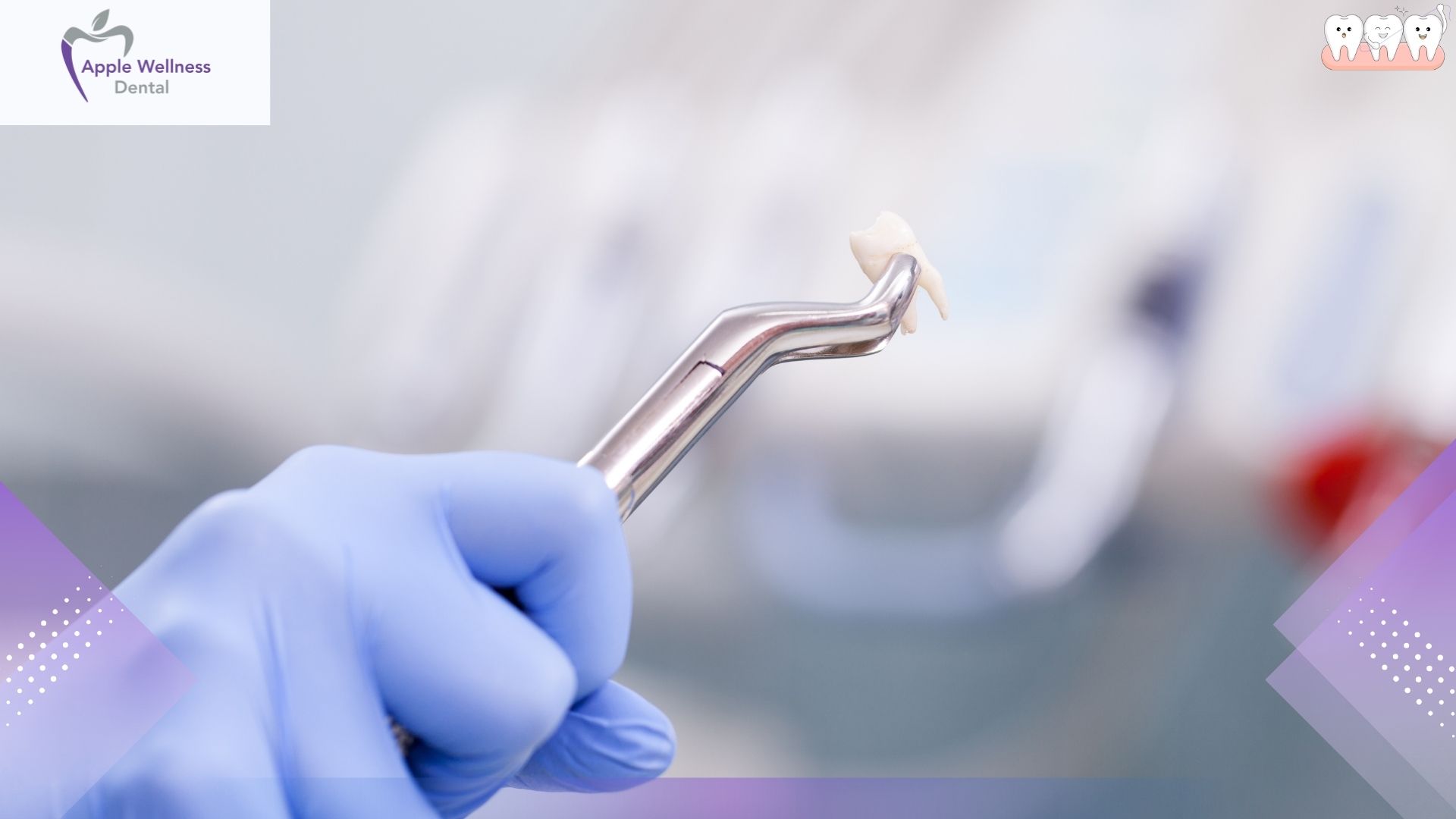
Vaping poses a triple threat to extraction site healing: mechanical suction, chemical irritation, and vasoconstriction from nicotine. Each factor independently compromises recovery, and together they create a high-risk environment for complications.
The Suction Problem: Dry Socket Mechanics
The act of inhaling from a vape device generates intraoral negative pressure. Research published in the Journal of Oral and Maxillofacial Surgery demonstrates that even moderate suction can exceed the adhesive strength of a fresh fibrin clot. Dr. Michael Chen, an oral surgeon and clinical professor at the University of California, San Francisco, explains: “The physics are straightforward. A forming blood clot has the tensile strength of wet tissue paper. The negative pressure from a standard vape draw — roughly 20 to 40 millimeters of mercury — is more than enough to dislodge it. I’ve treated countless dry socket cases where patients admitted to vaping within 48 hours of extraction.”
Dry socket, clinically termed alveolar osteitis, occurs in approximately 2% to 5% of all extractions, but that rate jumps dramatically — to 20% or higher — among smokers and vapers. The condition is characterized by excruciating, radiating pain that typically begins two to four days after the extraction. Over-the-counter pain relievers provide little relief, and treatment requires a dentist to pack the socket with medicated dressings.
Nicotine’s Vasoconstrictive Effects
Nicotine is a potent vasoconstrictor — it narrows blood vessels and reduces blood flow to peripheral tissues, including the oral mucosa and alveolar bone. A 2024 systematic review in the International Journal of Oral Science found that nicotine exposure reduces gingival blood flow by up to 40% within minutes of inhalation. For a healing extraction socket, this means significantly less oxygen, fewer immune cells, and a slower delivery of the growth factors essential for tissue regeneration.
Dr. Sarah Lindgren, a periodontist and researcher at the Karolinska Institute, notes: “We see consistently delayed wound closure in nicotine users compared to non-users. The microvascular damage isn’t just temporary — chronic exposure actually reduces capillary density in oral tissues, meaning the healing deficit compounds over time.”
Chemical Irritants and Infection Risk
Even nicotine-free vape juice contains propylene glycol (PG) and vegetable glycerin (VG), which break down into compounds including formaldehyde and acrolein when heated. These chemicals are mucosal irritants. When they contact a raw extraction wound, they trigger localized inflammation, disrupt the delicate fibrin matrix, and create an environment conducive to bacterial colonization. The warmth and humidity of the oral cavity, combined with the nutrient-rich wound exudate, make the socket an ideal breeding ground for pathogens if the protective clot is compromised.
Recommended Timeline: When Can You Safely Vape Again?
There is no single answer that applies to every patient — the safe timeline depends on the complexity of the extraction, your overall health, and how diligently you follow post-operative care instructions. However, evidence-based guidelines provide clear benchmarks.
| Extraction Type | Minimum Wait Time | Ideal Wait Time | Risk Level If Vaping Earlier |
|---|---|---|---|
| Simple single-root extraction | 72 hours | 7 days | Moderate — dry socket risk remains elevated until day 5 |
| Multi-root molar extraction | 5 days | 10–14 days | High — larger sockets take longer to stabilize |
| Surgical extraction (impacted wisdom tooth) | 7 days | 14+ days | Very High — sutures and deeper wounds require extended protection |
| Multiple extractions | 7 days | 14+ days | Very High — multiple wound sites compound risk |
These timelines assume no complications and strict adherence to all other post-operative instructions. If you experience any unusual pain, swelling, or bleeding, extend the waiting period and consult your dentist before resuming vaping.
Harm Reduction Strategies If You Cannot Abstain
Dental professionals universally recommend complete abstinence from vaping during the initial healing window. However, for patients who are unable or unwilling to stop, certain harm reduction techniques can lower — but never eliminate — the risk of complications.
- Switch to a loose-airflow device: Devices with wide-open airflow and low resistance require significantly less suction pressure. Pod systems with tight draws are the worst offenders.
- Cover the extraction site: Place a piece of sterile, damp gauze directly over the socket and bite down gently while vaping. This creates a physical barrier that helps absorb some of the pressure differential.
- Inhale gently and passively: Rather than pulling hard, allow the vapor to drift into your mouth with minimal negative pressure. Avoid deep lung inhales entirely.
- Use nicotine replacement therapy (NRT) temporarily: Nicotine patches or gum deliver nicotine without any oral suction. While nicotine still impairs healing, eliminating the mechanical risk is a significant improvement.
- Rinse gently with warm salt water after vaping: A gentle rinse (no vigorous swishing or spitting) can help clear chemical residue from the wound area. Use one-half teaspoon of salt in eight ounces of warm water.
- Reduce frequency drastically: If you normally vape 20 times per day, cutting back to 2 or 3 sessions dramatically reduces cumulative exposure to suction and chemicals.
“I tell my patients that if they absolutely cannot go without vaping, they need to treat each session like a calculated risk. Use every protective measure available, and stop immediately if you feel any pulling sensation or pain at the extraction site. But the safest choice is always to wait.” — Dr. James Okazaki, DDS, Oral and Maxillofacial Surgeon
Recognizing Dry Socket and Other Complications
Early recognition of dry socket symptoms allows for prompt treatment, which significantly reduces suffering and prevents secondary infections. The classic presentation includes:
- Severe, throbbing pain that begins 2 to 4 days after extraction and radiates to the ear, temple, or neck on the same side.
- Visible empty socket: Instead of a dark blood clot, you may see whitish bone at the base of the socket.
- Foul taste or halitosis: Decomposing food debris and bacteria in the unprotected socket produce a distinct unpleasant odor and taste.
- Pain unresponsive to analgesics: Over-the-counter ibuprofen or acetaminophen typically provides minimal relief.
Other vaping-related complications include delayed healing (the socket remains open and tender beyond the expected two-week window), localized infection (pus, increased swelling, fever), and chronic inflammation of the surrounding gum tissue. A 2025 study in the British Dental Journal tracked 340 extraction patients and found that vapers had a 31% higher incidence of post-operative complications compared to non-vapers, even when controlling for age and oral hygiene status.
Long-Term Oral Health Considerations for Vapers
Beyond the acute risks surrounding extractions, regular vaping has documented effects on overall oral health that can complicate future dental procedures. According to research from the American Dental Association, chronic vaping is associated with:
- Xerostomia (dry mouth): Propylene glycol is hygroscopic — it absorbs moisture from the oral environment. Reduced saliva flow increases the risk of caries, gum disease, and delayed wound healing.
- Increased periodontal pocket depth: A 2024 cross-sectional study in the Journal of Periodontology found that vapers had, on average, 0.8mm deeper periodontal pockets than non-users, indicating greater attachment loss.
- Altered oral microbiome: Vaping changes the bacterial composition of the mouth, favoring pathogenic species linked to periodontitis and implant failure.
- Impaired osseointegration: For patients considering dental implants, nicotine’s vasoconstrictive effects significantly reduce the success rate of implant integration with the jawbone.
Dr. Elena Vasquez, a prosthodontist and researcher at New York University College of Dentistry, states: “We’re now seeing the long-term consequences of the vaping boom that started a decade ago. Patients in their 30s are presenting with bone loss patterns we used to see only in heavy smokers in their 50s. The oral health community needs to treat vaping with the same level of concern as traditional smoking when it comes to surgical outcomes.”
Frequently Asked Questions
Can I vape through my nose after tooth extraction?
No. While nasal inhalation avoids direct suction on the extraction site, the pressure changes in the oral and nasal cavities are connected. Additionally, exhaling vapor through the mouth still exposes the wound to irritants. This method does not eliminate risk and is not recommended.
What about zero-nicotine, THC, or CBD vape cartridges?
The primary danger — suction — remains regardless of the substance being vaporized. THC and CBD oils often contain additional carrier oils that can be even more irritating to oral tissues than standard vape juice. The absence of nicotine does not make vaping safe after extraction.
How soon can I use nicotine patches after tooth extraction?
Nicotine patches can be applied immediately after extraction since they involve no oral suction. However, nicotine still constricts blood vessels and slows healing. If you need nicotine replacement, patches are significantly safer than vaping, but discuss this with your dentist. They may recommend the lowest effective dose.
Is vaping worse than smoking cigarettes after an extraction?
Both are harmful, but for slightly different reasons. Cigarettes expose the wound to thousands of combustion byproducts and heat, while vaping typically involves deeper, longer inhalations that generate more sustained suction pressure. Neither is safe, and both significantly elevate dry socket risk. A 2025 meta-analysis found comparable dry socket rates between smokers and vapers post-extraction.
What if I accidentally vaped within 24 hours of my extraction?
Don’t panic, but monitor the site closely. Rinse very gently with warm salt water. Watch for increasing pain, especially throbbing pain that starts on day two or three. If you notice any dry socket symptoms, contact your dentist immediately. Early intervention makes treatment much more manageable.
Can I use a vape device with no inhalation — just holding it in my mouth?
Even passive holding and minimal mouth draws create some negative pressure. While lower risk than deep lung inhales, this still introduces chemical irritants directly to the wound area. It is not a safe alternative during the critical first 72 hours.
How does vaping affect dental implant placement after extraction?
If you’re planning to get a dental implant after extraction, vaping can significantly compromise the outcome. Nicotine reduces blood flow to the jawbone, impairing osseointegration — the process by which the implant fuses with bone. Studies show implant failure rates are 2 to 3 times higher in nicotine users. Most implant surgeons require patients to cease all nicotine use for at least two weeks before and after implant surgery.
Conclusion
Vaping after tooth extraction is a gamble with your recovery. The suction, chemicals, and nicotine combine to create a perfect storm for dry socket, delayed healing, and infection. The evidence is unequivocal: waiting at least 72 hours — and ideally a full week — is the only way to protect the extraction site during its most vulnerable phase. If you’re struggling with nicotine cravings during recovery, talk to your dentist about temporary nicotine replacement options that don’t involve oral suction. Your healing socket depends on an undisturbed blood clot, and no vape session is worth the days of severe pain that dry socket brings. If you have questions about your specific extraction or recovery plan, contact our team today for personalized guidance.
References
- American Association of Oral and Maxillofacial Surgeons. Post-operative care guidelines for tooth extraction. AAOMS Official Website
- Journal of Oral and Maxillofacial Surgery. Dry socket incidence and risk factors: a systematic review. Journal of Oral and Maxillofacial Surgery
- International Journal of Oral Science. Nicotine-induced vasoconstriction and oral wound healing: a 2024 systematic review. International Journal of Oral Science
- British Dental Journal. Post-extraction complications in electronic cigarette users: a 2025 cohort study. British Dental Journal
- American Dental Association. Vaping and oral health: current evidence and clinical recommendations. American Dental Association
- Journal of Periodontology. Periodontal parameters in electronic cigarette users: a cross-sectional analysis. Journal of Periodontology
- Karolinska Institute. Department of Dental Medicine research on nicotine and microvascular oral health. Karolinska Institute