
What to Expect From Scaling Dentistry in Airdrie, Alberta
If you live in Airdrie and you have been told you need scaling, or if you have simply noticed that your gums bleed when you brush, you are likely asking the same question many local residents ask: what exactly does scaling involve, and is it something you actually need? The answer in most cases is yes, and understanding the procedure can make the experience far less intimidating than it sounds.
Scaling dentistry in Airdrie, Alberta serves a growing community of residents who are increasingly aware that oral health is not limited to cavities and clean-looking teeth. Gum disease is widespread, often silent in its early stages, and capable of causing long-term damage that affects far more than your mouth. This guide walks you through what scaling dentistry involves, who it is appropriate for, what the process looks like at a professional dental clinic in Airdrie, and how to maintain the results once treatment is complete. We have put together this resource because we believe that informed patients make better decisions about their health, and that starts with having access to clear, factual information.
Key Takeaways
- Scaling is a professional procedure that removes hardened tartar and bacteria from tooth surfaces and below the gumline — it cannot be replicated at home.
- Residents across Airdrie benefit from scaling dentistry as part of both routine preventive care and active gum disease treatment.
- The frequency of scaling depends on your gum health status, with healthy patients typically seen every six months and those managing gum disease every three to four months.
- Scaling is often performed alongside root planing for patients with deeper periodontal pockets, and local anesthesia is available to keep the experience comfortable.
- Delaying treatment allows bacterial deposits to deepen, which can lead to bone loss, tooth loss, and systemic health complications.
- A clinical assessment — not a general guideline — is the most reliable way to determine whether you need scaling and how often it should be performed.
Overview
This article covers the full scope of scaling dentistry as it applies to patients in Airdrie, Alberta: what the procedure is, why it matters for your gum health, how the clinical process works, what factors influence how often you need it, and what to do after treatment to protect your results. We also address the most common questions patients in Airdrie bring to their appointments. Whether you are preparing for your first scaling session or have been managing gum disease for years and want a clearer picture of your care, this guide gives you the grounded, practical information you are looking for.
What Is Scaling Dentistry and Why Is It Different From a Regular Cleaning?

Scaling is a targeted dental procedure focused on removing calculus — which is the clinical term for hardened plaque — from tooth surfaces both above and below the gumline. It goes significantly further than a routine prophylaxis cleaning, which only addresses the visible portions of your teeth and the area just at the gumline. Scaling specifically addresses the deposits inside the periodontal pockets, the narrow spaces between your gum tissue and the roots of your teeth where bacteria accumulate and cause inflammation.
The distinction matters because the deposits inside those pockets are the ones driving gum disease. Plaque left undisturbed on a tooth surface will begin to mineralize within 24 to 72 hours, eventually bonding to the tooth in a form that cannot be disrupted by any amount of brushing or flossing. Once calculus is present below the gumline, it creates a continuous source of bacterial toxins that irritate the surrounding tissue, triggering the inflammatory response that leads to gum recession, bone loss, and eventually tooth loss. Scaling removes that source. A routine cleaning does not.
The Role of Root Planing in Comprehensive Treatment
For patients with deeper periodontal pockets, scaling is frequently performed in combination with root planing. Root planing involves smoothing the surfaces of the tooth roots after calculus has been removed, which serves two important purposes: it eliminates the rough areas where bacteria tend to re-attach, and it encourages the gum tissue to reattach more securely to the root surface as healing progresses. Together, these two procedures form what is commonly referred to as a periodontal deep cleaning. You can read a full clinical breakdown of what scaling and root planing involves and what results patients typically see after treatment.
Who Needs Scaling Dentistry in Airdrie, Alberta?
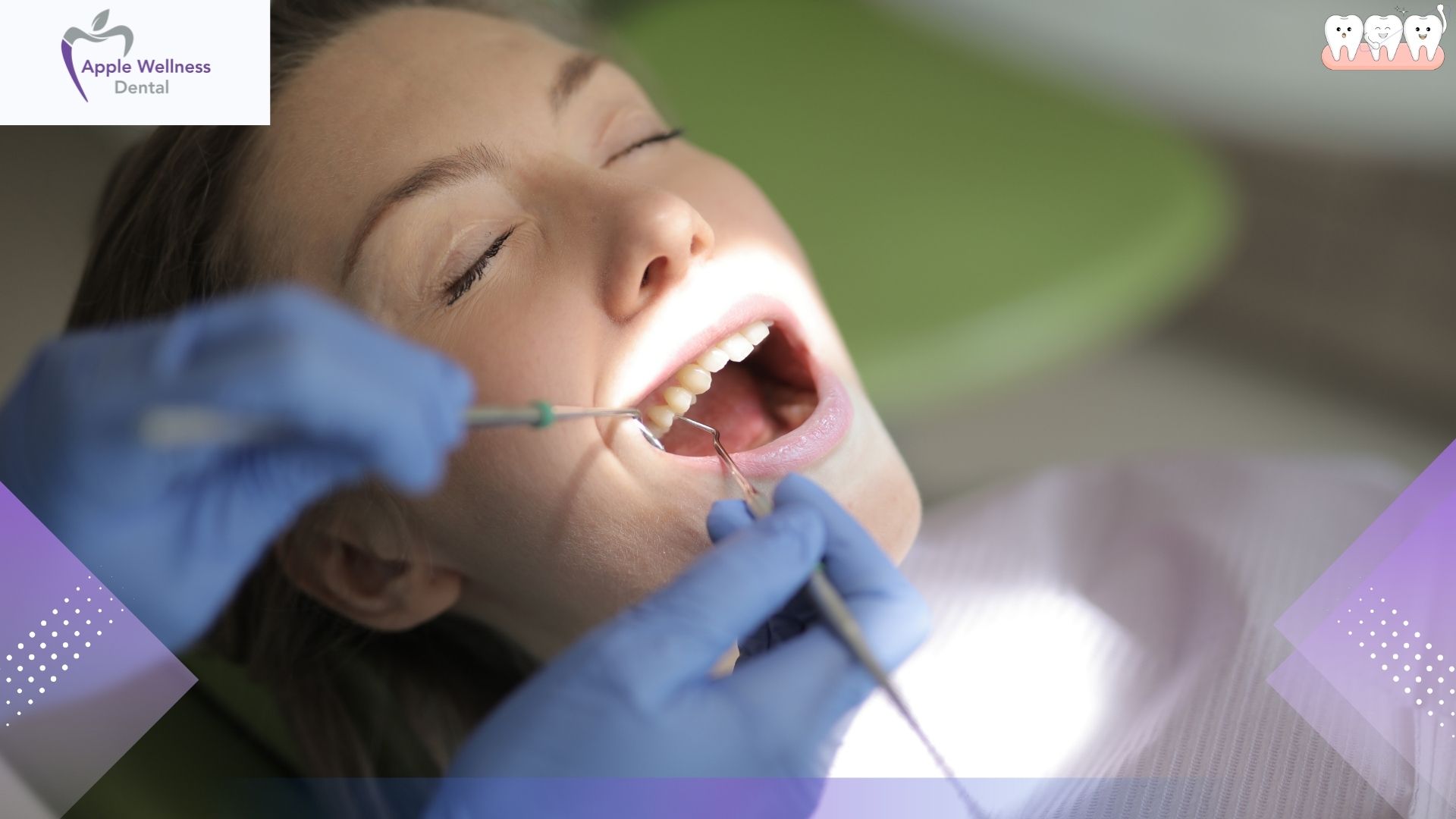
Scaling is appropriate for a broader range of patients than many people realize. It is not reserved exclusively for those with severe or visible gum disease. Many patients who need scaling have no noticeable symptoms at all, which is one of the reasons regular check-ups are so important. Gum disease often advances silently, and the clinical signs are only detectable through professional assessment.
That said, there are specific indicators that suggest scaling is warranted. Gums that bleed regularly during brushing or flossing, persistent bad breath that does not respond to standard hygiene practices, visible tartar along the gumline, gum tissue that appears swollen or red, pockets deeper than three millimeters when measured by a hygienist, and any looseness in the teeth are all clinical and observable signals that scaling is needed. If you have been experiencing any of these, booking an appointment rather than waiting for your next scheduled visit is the appropriate course of action. Understanding the signs of gum disease early can make a meaningful difference in how straightforward your treatment turns out to be.
Patients Who Benefit Most From Regular Scaling
While scaling is clinically valuable for a wide spectrum of patients, certain groups are at elevated risk for gum disease and benefit most from consistent, professionally supervised scaling appointments. Patients with diabetes are among the most affected, as elevated blood sugar levels compromise the immune response in gum tissue and slow healing after treatment. Smokers also experience significantly higher rates of gum disease progression because tobacco reduces blood flow to gum tissue and suppresses the early warning signs of inflammation. Patients who are pregnant, those on medications that cause dry mouth, and individuals with a family history of periodontal disease all carry higher baseline risk. For these patients, scaling dentistry in Airdrie, Alberta is not simply a preventive measure — it is an active component of managing overall health. The Canadian Dental Association recognizes gum disease as a condition with documented links to systemic health, and recommends regular professional treatment as the standard of care for at-risk patients.
What to Expect During a Scaling Appointment in Airdrie
Knowing what happens step by step during a scaling appointment is one of the most effective ways to reduce anxiety before your visit. The procedure follows a structured clinical process, and your dental team will walk you through each stage before beginning. There are no surprises when you understand the sequence.
The Initial Periodontal Assessment
Before any scaling instruments are introduced, your hygienist or dentist conducts a comprehensive periodontal assessment. This includes measuring the depth of the pockets around each tooth using a fine graduated probe, checking for bleeding on probing, assessing bone levels through X-rays, and reviewing your medical history for any conditions or medications that could affect treatment. This assessment gives the clinical team a precise picture of where disease is present, how advanced it is, and what combination of instruments and techniques will produce the best result. It is also the basis for recommending how often you should return for maintenance appointments after initial treatment is complete.
Instruments Used and How Each Feels
Scaling appointments typically use a combination of ultrasonic instruments and fine hand curettes. Ultrasonic scalers produce high-frequency vibrations that dislodge calculus efficiently and are accompanied by a water spray that flushes the area during treatment. Many patients find ultrasonic scaling faster and less uncomfortable than they expected, describing it as a mild vibration rather than a sharp sensation. Hand curettes allow the clinician to work with greater precision in areas that require more detailed attention, such as tight interproximal spaces or around existing restorations. Your dental team selects the right instrument combination based on your clinical presentation rather than a fixed protocol. If at any point during the procedure you feel discomfort beyond what you are comfortable with, you can signal your hygienist to pause. Communication during the appointment is always welcome and always respected.
Local Anesthesia and Comfort Options
For patients with moderate to advanced gum disease, significant subgingival buildup, or a naturally lower threshold for sensitivity, local anesthesia is a standard and completely appropriate option. A topical numbing gel is typically applied to the gum tissue before any injection, which minimizes the sensation of the anesthetic itself. Once the area is numb, you will feel pressure and movement but very little discomfort during the procedure. If you are concerned about sensitivity, let your dental team know before the appointment begins. There is no reason to proceed without adequate comfort measures, and requesting anesthesia is never something you need to hesitate about. Learn more about what the teeth scaling experience feels like for different types of patients before your appointment.
What Happens After Scaling: Recovery and Home Care
The immediate period after scaling is characterized by mild tenderness, light sensitivity, and in some cases a small amount of bleeding from the treated tissue. These responses are entirely normal and are the predictable result of disturbing inflamed, long-irritated gum tissue. For the majority of patients, these effects are most noticeable in the first 24 hours and resolve within two to three days as the tissue begins to heal.
During the recovery window, soft foods are recommended to reduce mechanical stress on the healing gums. Warm saltwater rinses two to three times daily help soothe tissue and support the healing environment. Over-the-counter pain relievers, taken as directed, are generally sufficient for managing any discomfort. Very hot, very cold, and spicy foods are best avoided for the first day or two if sensitivity is present. A soft-bristled toothbrush should be used consistently throughout the healing period to keep the treated areas clean without aggravating the tissue. For more detailed guidance on caring for your gums after professional treatment, our article on gum care after dental treatment covers the full recovery process in practical terms.
Maintaining Results Through Consistent Oral Hygiene
Scaling removes the bacterial deposits that professional instruments can address. What happens in the weeks and months between appointments depends largely on the quality of your home care routine. Brushing twice daily with a soft-bristled brush and fluoride toothpaste, flossing once daily, and using adjunct tools such as interdental brushes in areas where spacing allows all contribute to slowing the rate at which new deposits form. None of these habits can prevent tartar formation entirely, but they meaningfully extend the effectiveness of each scaling session by reducing how quickly plaque accumulates and hardens. The key to long-term results is consistency, not perfection. Your dental team can advise on technique and any additional tools that may help given the specific characteristics of your mouth.
How Often Should You Have Scaling Done in Airdrie?
Scaling frequency is not a fixed number. It is a clinical determination based on your current periodontal health status, your risk factors, and your response to previous treatment. For patients with healthy gums and no active disease, a six-month interval aligned with routine preventive care is typically appropriate. For patients managing gingivitis or early-stage gum disease, a three-to-six month schedule is more appropriate depending on treatment progress. Patients with moderate to advanced periodontitis are generally seen every three to four months as part of ongoing disease management.
The reasoning behind more frequent intervals for active disease comes down to biology. Research in periodontal medicine consistently shows that the bacterial population inside diseased pockets begins to re-establish within weeks of treatment. If the interval between appointments is too long, that bacterial activity resumes at a rate that outpaces the healing capacity of the surrounding tissue. Keeping your appointments at the recommended frequency is what keeps you ahead of that cycle rather than continually catching up to it. Our full guide on scaling frequency and maintenance provides a detailed breakdown of how your gum health stage affects the right schedule for you.
The Broader Health Picture: Why Scaling Matters Beyond Your Mouth
Gum disease is not an isolated oral health condition. A substantial body of clinical research has established meaningful associations between chronic periodontitis and systemic conditions including cardiovascular disease, type 2 diabetes complications, respiratory infections, and adverse pregnancy outcomes. The pathway connecting these conditions is largely inflammatory: uncontrolled gum disease maintains a persistent state of systemic low-grade inflammation that can amplify or complicate conditions developing elsewhere in the body.
This connection cuts in both directions. Patients with poorly controlled diabetes are more susceptible to gum disease, and untreated gum disease can make blood sugar more difficult to manage. Cardiovascular risk is similarly bidirectional. For patients in Airdrie managing any of these systemic conditions, scaling dentistry is a meaningful component of a broader health management strategy, not just a cosmetic or dental concern. The Mayo Clinic provides a thorough clinical overview of how periodontitis connects to systemic disease, reinforcing the case for consistent professional gum care as part of whole-body health. The American Dental Association also outlines the established links between periodontal disease and overall health, supporting the role of regular scaling in long-term wellness. Staying consistent with your regular dental check-ups gives your dental team the opportunity to monitor these connections as part of your ongoing care.
Take Care of Your Gums With Professional Support in Airdrie
At Apple Wellness Dental, we understand that choosing where to receive dental care in Airdrie is a decision that matters to you and your family. Our team provides thorough, evidence-based scaling treatment that is grounded in a genuine clinical assessment of your needs, not a standardized protocol applied without context. We take the time to explain what we find, what it means for your oral health, and what the most practical path forward looks like for your specific situation. Whether you are coming in for preventive scaling as part of your regular routine or addressing an active gum health concern for the first time, we are here to support you through it with clear communication and attentive care. Find us at 229 1st Street SW, Airdrie, AB or call us directly at +1 587 332 6767 to book your periodontal assessment. Our team is ready to answer your questions and get you started on a care plan that reflects your actual needs.
Common Questions About Scaling Dentistry in Airdrie, Alberta
What makes scaling different from a regular dental cleaning?
Q: What makes scaling different from a regular dental cleaning?
A: A standard cleaning addresses plaque and tartar from the visible surfaces of your teeth and the immediate area at the gumline. Scaling specifically targets deposits that have accumulated inside the periodontal pockets below the gumline, where standard cleaning instruments do not reach. Scaling requires specialized instruments and a clinical assessment of pocket depth, and it is the appropriate treatment when gum disease is present or when tartar buildup has progressed beyond what routine cleaning can address.
Is scaling dentistry in Airdrie, Alberta covered by insurance?
Q: Is scaling dentistry in Airdrie, Alberta covered by insurance?
A: Many Canadian dental benefit plans include periodontal scaling under basic or major dental coverage, often subject to a co-payment percentage and annual maximums. Coverage specifics vary widely depending on your individual plan, employer, and benefit level. We recommend contacting your insurance provider directly before your appointment to confirm what is covered. Our front desk team is available to assist with pre-authorization inquiries and to help you understand your benefits before treatment begins.
How do I know if I need scaling or just a routine cleaning?
Q: How do I know if I need scaling or just a routine cleaning?
A: The determination is made through a clinical assessment that includes measuring your periodontal pocket depths with a graduated probe. Healthy pockets measure between one and three millimeters. Pockets of four millimeters or deeper, combined with other signs such as bleeding on probing or tartar below the gumline, typically indicate that scaling is needed. Visible indicators at home such as gum bleeding, persistent bad breath, or visible calculus buildup are signals worth discussing with your dental team at your next appointment.
Is scaling painful, and what can be done to manage discomfort?
Q: Is scaling painful, and what can be done to manage discomfort?
A: For most patients, scaling produces mild pressure or vibration rather than sharp pain. Patients with inflamed or sensitive gum tissue may notice more sensation, particularly in areas with deeper pockets. Local anesthesia is available and routinely used to keep the procedure comfortable, especially for more involved cases. A topical numbing gel is applied before any injection to minimize the sensation of the anesthetic itself. If you have concerns about sensitivity, let your dental team know before the appointment begins so the right comfort measures can be put in place.
How long does a scaling appointment take?
Q: How long does a scaling appointment take?
A: A standard scaling appointment generally takes between 45 minutes and two hours, depending on the extent of tartar buildup, the number of pockets requiring treatment, and whether root planing is included. For more advanced cases, treatment is often divided across two sessions, with one or two quadrants addressed at a time. This approach allows each area to begin healing before the next section is treated, improving overall comfort and outcomes.
Can I eat and drink normally after scaling?
Q: Can I eat and drink normally after scaling?
A: In the first 24 hours after scaling, soft and mild-temperature foods are recommended to reduce irritation to the treated tissue. Very hot, very cold, or spicy foods are best avoided if sensitivity is present. If local anesthesia was used, wait until the numbness has fully worn off before eating to avoid accidentally biting the inside of your cheek or lip. By the second or third day following treatment, most patients return to their regular diet without any issues.
How soon will I see results after scaling?
Q: How soon will I see results after scaling?
A: Initial signs of improvement, such as reduced gum bleeding during brushing and decreased tenderness in treated areas, are often noticeable within one to two weeks as the gum tissue begins to heal and inflammation subsides. A formal follow-up assessment is typically scheduled four to six weeks after treatment to re-measure pocket depths and evaluate how the tissue has responded. Meaningful reductions in pocket depth are often recorded at this visit for patients who have followed their post-treatment care instructions consistently.
Does scaling damage tooth enamel or root surfaces?
Q: Does scaling damage tooth enamel or root surfaces?
A: When performed by a trained dental professional using appropriate instruments and technique, scaling does not damage healthy enamel or root structure. The instruments are designed to target calculus deposits specifically, and clinicians are trained to use controlled pressure that protects the underlying tooth surface. The concern about enamel damage is more relevant when scaling is performed unnecessarily or repeatedly without clinical justification, which is why it should always be based on an actual clinical assessment rather than a routine schedule applied without evaluation.
What happens if I skip scaling when it has been recommended?
Q: What happens if I skip scaling when it has been recommended?
A: Postponing scaling allows bacteria to continue accumulating inside the periodontal pockets, where they produce toxins that break down the connective tissue and bone supporting your teeth. Over time, this results in deeper pockets, further recession, and potential bone loss that cannot be reversed without more complex surgical intervention. Patients who delay treatment consistently find that by the time they return for care, the procedure required is more extensive, more time-consuming, and more costly than if it had been addressed at the recommended time.
Is there anything I can do between appointments to support my gum health?
Q: Is there anything I can do between appointments to support my gum health?
A: Yes. Brushing twice daily with a soft-bristled brush, flossing once daily, and using any adjunct tools your dental team recommends, such as interdental brushes or an oral rinse, all contribute to slowing the rate of plaque and tartar accumulation between visits. These habits do not replace the need for professional scaling, but they meaningfully support the results achieved during your appointment and extend the period before significant redepositing occurs. Your dental team can review your technique and suggest adjustments based on your specific oral anatomy and risk profile.
Conclusion
Scaling dentistry in Airdrie, Alberta is a straightforward clinical procedure that makes a significant difference for patients at every stage of gum health, from those maintaining healthy tissue to those managing active periodontal disease. The procedure removes what home care cannot, it supports healing at a level that other treatments cannot replicate, and it gives your dental team the clinical data they need to monitor your progress and adjust your care over time.
The community in Airdrie has access to professional dental care that takes gum health seriously, and the best time to take advantage of that access is before your condition advances further. If you have been putting off a scaling appointment, or if you have never had one and are unsure where to start, reaching out to a dental team you trust is the most straightforward next step. Contact Apple Wellness Dental at +1 587 332 6767 or visit us at 229 1st Street SW, Airdrie, AB to schedule your assessment for scaling dentistry in Airdrie, Alberta. Your gum health is worth the appointment, and our team is here to make the process as clear and comfortable as possible from your very first visit.