
How Painful Is a Teeth Scaling Procedure? What Every Patient Should Know
If you’ve recently been told you need teeth scaling, the first thought that crosses your mind is likely a simple but pressing one: is this going to hurt? That reaction is completely understandable, and the fact that you’re reading this means you’re already doing the right thing by gathering information before your appointment.
The short answer is that teeth scaling causes discomfort for some patients and very little sensation for others, and much of that difference comes down to factors your dental team can help manage. This guide gives you a complete, honest picture of the procedure: what it involves, why it matters, how it typically feels, and what happens after. At Apple Wellness Dental, we believe that when patients understand what to expect, they not only feel more at ease but also get better results from treatment. You deserve clear answers, not vague reassurances.
Whether you’re facing your first scaling appointment or you’ve been avoiding one for months, everything you need to know is laid out here. Learn more about what to expect from a professional dental cleaning process before your visit.
Key Takeaways
- Teeth scaling is a periodontal deep-cleaning procedure that removes hardened tartar and bacterial deposits from above and below the gumline.
- For the majority of patients, the procedure involves mild pressure or vibration rather than sharp or intense pain.
- Whether teeth scaling is a painful procedure for you depends on factors like gum disease severity, pocket depth, and tooth sensitivity.
- Local anesthesia is available and commonly used to keep the experience comfortable, especially for more advanced cases.
- Post-procedure soreness typically resolves within one to three days and responds well to standard pain management strategies.
- Delaying treatment allows gum disease to progress, making future procedures more involved and more uncomfortable.
Overview
This article covers what teeth scaling is, who needs it, how the procedure works step by step, what it feels like during and after, and how your dental team supports your comfort throughout. You’ll also find a comprehensive FAQ section addressing the most common concerns patients bring to us before their appointments. If the question of whether teeth scaling is a painful procedure has been standing between you and healthier gums, this guide is designed to give you the clarity you need to move forward confidently.
What Is Teeth Scaling and Why Is It Recommended?
Teeth scaling, sometimes called periodontal scaling or deep cleaning, is a clinical procedure that removes tartar, bacteria, and biofilm from tooth surfaces, including the areas that sit below the gumline within the periodontal pockets. This is distinct from a standard cleaning, which addresses visible surfaces and the area just above the gumline.
Your dentist or hygienist will typically recommend scaling when plaque has hardened into tartar at a level that standard cleaning cannot address, or when there are clinical signs of gum disease, such as pocket depths greater than 3 to 4 millimeters, gum bleeding, recession, or persistent bad breath. Left unaddressed, the bacterial buildup inside these pockets continues to irritate gum tissue and gradually destroys the bone and connective tissue that holds your teeth in place.
Why Tartar Cannot Be Removed at Home
Tartar forms when dental plaque, the soft, sticky bacterial film that accumulates on teeth, is not fully removed and begins to mineralize within 24 to 72 hours. Once it hardens, it bonds firmly to the tooth surface and can no longer be disrupted by brushing or flossing. The idea of managing this buildup through home care alone, no matter how diligent the routine, is not clinically realistic.
Specialized instruments, including ultrasonic scalers and fine hand curettes, are the only tools capable of safely and thoroughly breaking down and removing these subgingival deposits. Postponing professional treatment in favor of home methods only extends the period during which bacteria can do damage. Getting the procedure done early, when the disease is in earlier stages, makes scaling far easier and more comfortable than it would be after years of buildup.
For a broader look at how gum disease develops and what makes it worth treating promptly, the Canadian Dental Association provides evidence-based patient resources on gum disease.
Is Teeth Scaling a Painful Procedure?
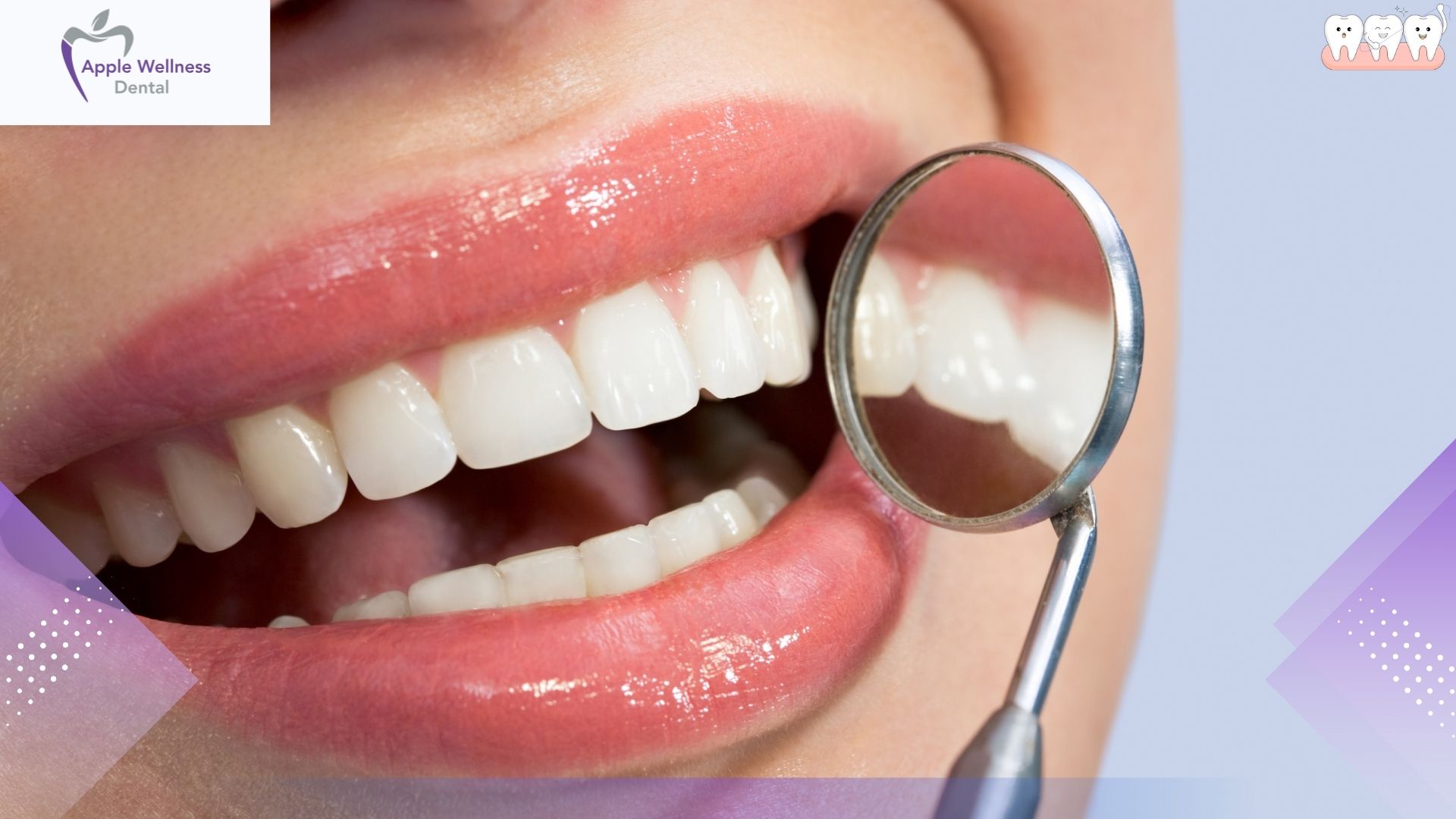
Let’s address this directly. For the majority of patients, teeth scaling does not cause sharp or intense pain. What most people feel is a combination of pressure, scraping, and, if an ultrasonic device is used, gentle vibration and water cooling. These sensations can be surprising or mildly uncomfortable, particularly near inflamed gum tissue, but they are generally well within what patients can manage with proper preparation and communication with their dental team.
That said, it would be inaccurate to say the procedure has no sensation at all. Being honest about what patients actually experience helps set appropriate expectations and helps dentists prepare the right comfort measures.
What the Sensation Actually Feels Like
During the procedure, you’ll likely notice a firm, directional pressure along the tooth surface and near the gumline. Hand instruments produce a more deliberate scraping motion, while ultrasonic scalers create a rapid, low-intensity vibration accompanied by a stream of water. Neither sensation should feel like sharp, shooting pain. If it does, that’s a signal to raise your hand and let your hygienist know immediately so they can pause and reassess.
Areas with deeper pockets, where gum disease has been present longer, tend to be more reactive because the surrounding tissue is chronically inflamed. Inflamed gum tissue has a lower pain threshold than healthy tissue, which is why patients with more advanced disease sometimes report greater sensitivity during the procedure. This is exactly why anesthesia options exist, and why your dental team assesses each patient individually rather than applying a one-size approach.
Factors That Influence Your Level of Discomfort
Several variables shape how you personally experience teeth scaling:
- Severity of gum disease and pocket depth: Deeper pockets and more significant buildup generally correlate with greater sensitivity.
- Degree of gum inflammation: The more inflamed the tissue, the more reactive it tends to be during treatment.
- Pre-existing tooth sensitivity: Patients whose teeth are sensitive to temperature or pressure may feel more during scaling near exposed root surfaces.
- Anesthesia use: Local anesthesia substantially reduces sensation for patients who need or prefer it.
- Anxiety levels: Patients who are tense or anxious can experience amplified pain perception. Communicating your concerns beforehand helps us tailor the approach to your needs. Read our guide on managing dental anxiety to prepare for your visit.
Pain Management and Comfort Options
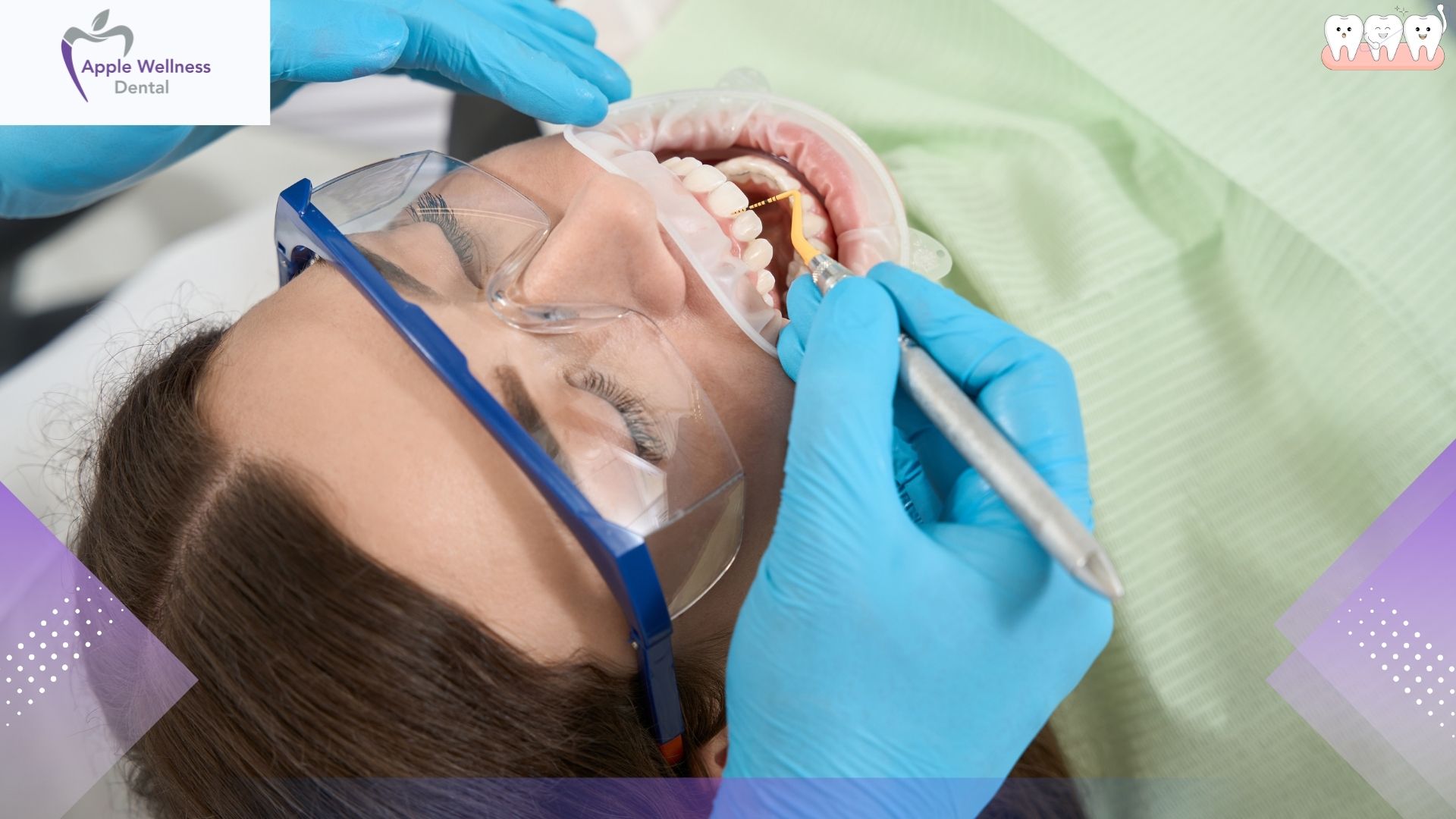
You are not expected to simply tolerate discomfort in silence. There are effective, widely used options to keep teeth scaling comfortable, and your dental team will discuss the best approach for your specific situation before anything begins.
Local Anesthesia and Topical Numbing Agents
For patients with moderate to advanced gum disease, significant tartar below the gumline, or elevated sensitivity, local anesthesia is a standard and entirely appropriate option. A topical numbing gel is typically applied to the gum tissue first to reduce any sensation from the injection itself. Once the anesthetic takes effect, you will feel pressure and movement but very little, if any, pain during the procedure.
Patients sometimes hesitate to ask for anesthesia, feeling it may be unnecessary or overdramatic. It is neither. If you prefer to have the area numbed before your appointment begins, simply say so. We want your experience to be as comfortable as possible, and there is no reason to proceed with more discomfort than necessary.
Ultrasonic vs. Hand Scaling: How Each Feels
The instrument used also affects the experience. Ultrasonic scalers use high-frequency vibration and a continuous water spray to dislodge tartar efficiently. Many patients find this gentler and faster than manual scaling. Hand instruments allow for more controlled, precise work in areas where finer detail is needed. Both approaches are clinically valid, and most comprehensive scaling appointments use a combination of the two.
We assess your individual needs and clinical presentation to determine which combination will be most effective and comfortable for you. For further reading on the clinical evidence behind periodontal treatment approaches, the American Dental Association offers an in-depth overview of periodontal diseases.
What Happens During a Teeth Scaling Appointment
A well-structured appointment leaves little room for surprises. Here is what the process looks like from arrival to completion.
The Pre-Procedure Assessment
Before any instruments are picked up, your hygienist or dentist conducts a clinical assessment. This includes examining your gum tissue, measuring periodontal pocket depths, and reviewing X-rays to understand the full scope of treatment required. Your medical history, current medications, and any previous dental work are also reviewed, as some conditions and medications can affect gum health and treatment planning. You’ll have the opportunity to ask questions and share any preferences or concerns at this stage.
The Scaling Process Itself
Once you’re ready, your clinician works through your mouth systematically, typically quadrant by quadrant. Ultrasonic instruments are often used first to break up larger deposits efficiently, followed by hand curettes to refine the work and address tighter areas. Depending on the extent of your case, the full procedure may take between 45 minutes and two hours.
For more advanced cases involving significant pocket depth, scaling is frequently performed alongside root planing, a process that smooths the root surfaces to discourage future bacterial adherence. If you’re wondering whether teeth scaling is a painful procedure when combined with root planing, the answer is that the treatment is more intensive, but local anesthesia makes it very manageable. Some patients schedule this treatment across two appointments, treating half the mouth at a time, which allows for better healing between sessions and a more comfortable overall experience. Find out more about scaling and root planing to understand how the combined process works.
What to Expect After Teeth Scaling
Once the appointment is complete, your body begins the healing process. Some tenderness, light bleeding, and sensitivity in the treated areas are expected in the hours and days that follow. This is not a sign that anything went wrong. It is a natural response to the removal of long-established deposits and the disruption of inflamed tissue.
Recovery Timeline and What Helps
For most patients, post-procedure sensitivity is most noticeable in the first 24 hours and gradually improves over the following two to three days. Here are the strategies that support a smoother recovery:
- Over-the-counter pain relievers taken as directed help manage soreness effectively without requiring prescription intervention for most cases.
- Soft, mild foods such as yogurt, soup, eggs, or mashed vegetables reduce irritation to tender gum tissue during the first day.
- A soft-bristled toothbrush keeps the treated area clean without aggravating the healing gums.
- Warm saltwater rinses two to three times daily soothe inflammation and support tissue recovery.
- Very hot, very cold, or spicy foods are best avoided for 24 to 48 hours if sensitivity is noticeable.
If soreness persists beyond a week, or if you notice significant swelling or bleeding that is not subsiding, call our office. In the vast majority of cases, however, recovery is straightforward and brief. For additional guidance, read our tips on gum care after dental treatment to support a smooth healing process.
Who Should Get Teeth Scaling?
Teeth scaling is not exclusively for patients who have advanced gum disease. The procedure is appropriate for a broad range of patients, including those in earlier stages of gum disease who may not yet feel any significant symptoms.
You may benefit from scaling if you’ve noticed any of the following: gums that bleed when you brush or floss, persistent bad breath that doesn’t resolve with regular hygiene, visible tartar buildup along the gumline, gum recession, or teeth that feel looser than they should. In many cases, patients are unaware of subgingival buildup until a clinical examination reveals it, which is one of the strongest arguments for regular check-ups.
How Frequently Scaling Is Recommended
Scaling frequency is not universal. Patients managing active gum disease are typically seen every three to four months for maintenance scaling. Those with stable, generally healthy gums may only require it annually as part of a comprehensive periodontal assessment. Your dentist will recommend a schedule based on your clinical readings, history, and response to previous treatment, not a generic protocol.
Addressing the issue earlier also means the procedure itself is less involved. The buildup is less extensive, the pockets are shallower, and the amount of time and instrumentation needed is reduced. This directly affects how you feel during the appointment. Discover more about the long-term value of preventive dental care benefits and why staying consistent matters.
The Mayo Clinic provides a comprehensive clinical overview of periodontitis, including its risk factors, stages, and treatment options.
The Long-Term Picture: Why Scaling Matters Beyond the Chair
The immediate question of discomfort is worth addressing, but so is the broader context of what happens when treatment is postponed. When subgingival tartar is left in place, bacteria continue to release toxins that break down both the connective tissue and bone that support your teeth. What begins as gingivitis can advance to periodontitis, and from there to tooth loss.
Research has also established meaningful associations between chronic gum disease and systemic health conditions, including cardiovascular disease, diabetes complications, and certain respiratory conditions. Oral health does not exist in isolation from your overall health, and treating gum disease at the appropriate time is a sound investment in your well-being far beyond your mouth.
We’ve worked with patients who delayed treatment for years out of concern about pain, only to discover that the procedure was far more manageable than the anxious months of avoidance. The discomfort of a scaling appointment, especially with proper anesthesia and a supportive team, is temporary. The consequences of advanced, untreated gum disease are not.
Your Next Step Toward Healthier Gums
At Apple Wellness Dental, we take the question of patient comfort seriously, not just as a policy, but as a genuine part of the care we provide. We understand that wondering whether teeth scaling is a painful procedure can make scheduling feel harder than it needs to be. Our team walks every patient through exactly what to expect before anything begins, discusses anesthesia options, and works at a pace that respects your comfort and your questions. We’re not here to rush you through a procedure. We’re here to help you understand and address what’s happening with your oral health in a clear, supportive environment.
You can find us at 229 1st Street SW, Airdrie, AB, or reach us directly at +1 587 332 6767. Whether you’re ready to book or you’d simply like to ask a few more questions before committing to an appointment, we’re happy to hear from you. Take the step toward better gum health and contact Apple Wellness Dental today to schedule your teeth scaling consultation.
Common Questions About Teeth Scaling
Is teeth scaling a painful procedure for everyone?
Q: Is teeth scaling a painful procedure for everyone?
A: Not at all. The level of sensation varies significantly from patient to patient. Those with minor buildup and healthy gums often feel only light pressure or vibration. Patients with deeper pockets or more inflamed tissue may notice greater sensitivity, but local anesthesia is readily available and makes the procedure comfortable for most people. Communication with your dental team before and during the appointment is the single most effective way to manage your experience.
How long does a teeth scaling appointment typically take?
Q: How long does a teeth scaling appointment typically take?
A: A standard scaling appointment runs between 45 minutes and two hours, depending on the extent of tartar buildup and whether root planing is included. For more advanced cases, your dentist may divide the treatment into two sessions, treating one or two quadrants at a time, so that each area receives thorough attention and you have time to heal between visits.
Is it normal for my gums to bleed during or after scaling?
Q: Is it normal for my gums to bleed during or after scaling?
A: Yes, light bleeding during or immediately following scaling is a common and expected response, particularly if your gum tissue was already inflamed before the appointment. Inflamed tissue is more vascular and reactive than healthy tissue. This bleeding generally subsides within 24 to 48 hours as the healing process gets underway. If bleeding is heavy or persists beyond a couple of days, contact your dental office for guidance.
Can I eat before my teeth scaling appointment?
Q: Can I eat before my teeth scaling appointment?
A: Yes, eating a light meal beforehand is generally fine and actually advisable if you’re receiving local anesthesia, since your mouth will be numb for a period after the procedure. Avoid particularly sugary foods close to the appointment. After treatment, soft, non-irritating foods are recommended for the first day to give your healing gum tissue a chance to settle without added stress.
How long will soreness last after the procedure?
Q: How long will soreness last after the procedure?
A: Most patients experience tenderness and some sensitivity for one to three days after scaling. This is a predictable part of the healing process and typically resolves on its own. Over-the-counter pain relievers, saltwater rinses, and soft foods all help minimize discomfort during recovery. If significant soreness or swelling persists beyond a full week, that warrants a follow-up call to your dentist.
Is local anesthesia always necessary for teeth scaling?
Q: Is local anesthesia always necessary for teeth scaling?
A: No. Patients with minimal buildup, shallow pocket depths, and low sensitivity may find the procedure entirely manageable without anesthesia. However, local anesthesia is routinely offered for more extensive scaling, combined scaling and root planing procedures, or for patients who prefer to have the area numbed. Your dentist will review your clinical findings and comfort preferences during the assessment and recommend accordingly.
What makes teeth scaling different from a standard dental cleaning?
Q: What makes teeth scaling different from a standard dental cleaning?
A: A routine prophylaxis cleaning focuses on removing plaque and tartar from the visible surfaces of your teeth and the area just at or above the gumline. Teeth scaling specifically addresses deposits that have accumulated beneath the gumline, within the periodontal pockets surrounding each tooth. It requires specialized instruments and clinical assessment, and it is recommended when standard cleaning is insufficient to address existing disease or buildup.
Will I need follow-up appointments after teeth scaling?
Q: Will I need follow-up appointments after teeth scaling?
A: Yes, a follow-up visit is typically scheduled four to six weeks after scaling to assess how your gum tissue has responded to treatment. At this visit, pocket depths are re-measured and healing is evaluated. Depending on the findings, your dentist may recommend additional treatment or simply transition you to a regular maintenance schedule. Consistent follow-through after scaling is what makes the results last.
Does dental insurance in Canada typically cover teeth scaling?
Q: Does dental insurance in Canada typically cover teeth scaling?
A: Coverage depends on your specific insurance plan. Many Canadian dental benefit plans include periodontal scaling under basic or major dental benefits, often with a percentage co-pay and annual maximums. We recommend confirming the details of your coverage directly with your provider before your appointment. Our front desk team is happy to assist with any questions about billing or documentation.
What if I have dental anxiety? Can I still get teeth scaling?
Q: What if I have dental anxiety? Can I still get teeth scaling?
A: Absolutely. Dental anxiety is something we hear about often, and it’s something we actively work to address. If you let us know ahead of your visit, we can walk you through each step of the procedure before starting, discuss available sedation or numbing options, check in with you throughout, and take breaks whenever you need them. You remain in control of your experience from start to finish, and our team is here to support you through it.
Conclusion
The concern about whether teeth scaling is a painful procedure is one of the most common reasons patients delay a treatment that would genuinely benefit them. The honest answer is that while some patients feel mild discomfort, the procedure is far more manageable than most anticipate. With the right preparation, anesthesia where appropriate, and a team that communicates clearly, the experience is very different from what anxiety tends to predict.
What matters most is acting before gum disease has time to advance. Inflamed, infected gum tissue leads to bone loss, tooth loss, and documented effects on systemic health. The temporary sensitivity of a scaling appointment is brief and manageable. The consequences of untreated periodontitis are not.
If you’ve been putting off this appointment, now is the right time to stop waiting. Apple Wellness Dental is committed to providing honest, comfortable, patient-first care at every step. Call us at +1 587 332 6767 or visit us at 229 1st Street SW, Airdrie, AB, and let our team show you what a supportive dental experience looks like. Your gum health is worth the appointment. Book your teeth scaling consultation with Apple Wellness Dental today and take the first real step toward a healthier mouth.