
The Truth About Smile Makeovers: Why Veneers Are Bad If Rushed
Cosmetic dentistry has experienced a massive surge in popularity over the last decade, largely driven by social media and the desire for picture-perfect aesthetics. Everywhere you look, influencers and celebrities are showing off perfectly uniform, blindingly white smiles. This exposure leads many patients to believe that covering their natural teeth with porcelain shells is a simple, harmless beauty treatment similar to getting a haircut or a manicure. However, this common misconception masks the serious biological consequences of permanent dental alterations. Patients frequently rush into these major procedures without fully understanding the permanent physiological changes happening inside their mouths. When you start digging into the reality of the procedure, you will quickly discover several medical and financial reasons that prompt patients to ask exactly why veneers are bad for their long-term oral health. As dental professionals, we believe it is our responsibility to provide you with the complete, unfiltered truth about irreversible cosmetic procedures. By clearly understanding the significant downsides, you can make an educated, medically sound decision about the future of your smile rather than relying on internet trends.
The primary concern with this specific aesthetic procedure is the foundational requirement to permanently alter your natural tooth structure. To make room for the artificial material, a dentist must use a high-speed drill to shave away a significant portion of your healthy, protective enamel. Your enamel is the hardest substance in the human body, serving as the ultimate defense mechanism against bacteria, temperature changes, and physical trauma. Unlike skin or bone, tooth enamel contains no living cells and absolutely cannot regenerate or heal once it is removed. This single fact completely changes the trajectory of your oral health for the rest of your life. Once your teeth are prepped and shaved down, you are permanently committed to requiring artificial coverings to protect your exposed dentin. We want to guide you through the serious implications of this biological loss, helping you weigh the desire for a fast aesthetic improvement against the lifetime of maintenance and potential complications that inevitably follow.
Key Takeaways
- Permanent Enamel Loss: The procedure requires shaving away healthy, irreplaceable tooth enamel, permanently altering your natural biological defenses.
- Increased Sensitivity: Removing the outer protective layer frequently leads to chronic discomfort when consuming hot or cold foods and beverages.
- Hidden Decay Risks: Cavities can easily form beneath the artificial shells, making them difficult to detect until severe nerve damage occurs.
- Lifetime Financial Burden: These cosmetic additions are not permanent and require expensive replacements every ten to fifteen years due to natural wear.
- Dangerous DIY Trends: Attempting aesthetic improvements at home or through unregulated providers causes catastrophic, irreversible damage to your jaw and gums.
- Conservative Options Exist: Professional whitening, bonding, and clear aligners provide exceptional aesthetic results without sacrificing your natural tooth structure.
Overview
In this comprehensive guide, we provide a factual, in-depth analysis of the significant risks associated with popular cosmetic dental coverings. We thoroughly explore the biological consequences of permanent enamel reduction and the resulting vulnerability of your underlying tooth structure. You will learn about the serious potential for chronic hypersensitivity, the mechanical failures of artificial materials, and the hidden dangers of decay forming beneath the surface. We will clearly explain the compounding financial costs of required replacements over a patient’s lifetime. Furthermore, we address the alarming rise of dangerous at-home cosmetic kits, strongly advising against these risky endeavors. Finally, we outline several conservative, highly effective alternative treatments that preserve your natural teeth while still achieving your aesthetic goals. By reading this guide, you will gain the critical medical knowledge needed to protect your long-term oral health.
The Irreversible Reality of Enamel Modification

The human tooth is an incredibly complex structure designed to withstand immense physical pressure and bacterial attacks over a lifetime. The outermost layer, the enamel, is a highly mineralized shield that protects the sensitive, living tissues deep inside the tooth. When you opt for a cosmetic covering, the dentist must forcibly remove up to half a millimeter of this protective shield using abrasive diamond burs. This creates a rough surface for the bonding cement to adhere to and provides physical space so the new artificial shell does not look bulky or unnatural. The American Dental Association explicitly notes that this preparation process is completely irreversible. You are literally trading your natural, healthy biological armor for a piece of manufactured porcelain.
Because enamel cannot regrow, the shaved tooth is forever vulnerable. Without its natural covering, the underlying layer of the tooth, called dentin, is dangerously exposed to the oral environment. Dentin is porous and contains thousands of microscopic tubules that lead directly to the central nerve of the tooth. If an artificial covering falls off, cracks, or loses its seal, these tubules act as direct pathways for bacteria to invade the pulp. This permanent vulnerability is a primary reason we encourage patients to explore our preventative dental care routines before considering destructive aesthetic procedures. Preserving your natural tooth structure should always be the highest priority in any sensible oral health plan.
Hypersensitivity and Pulpal Nerve Damage
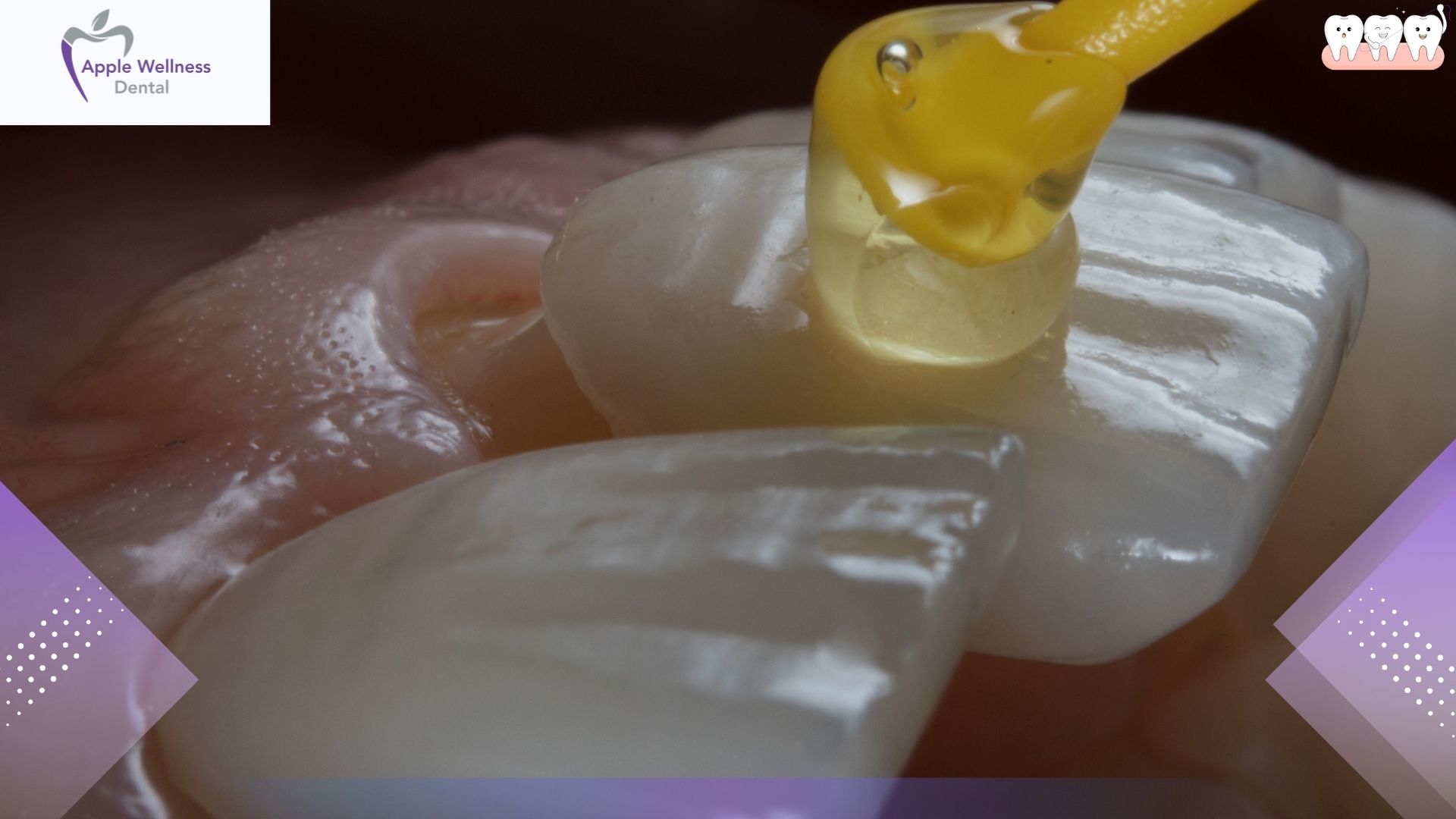
Following the removal of natural enamel, patients frequently experience a drastic increase in tooth sensitivity. Because the protective barrier is thinner, thermal conductivity changes significantly. When you consume a hot cup of coffee or bite into a cold ice cream cone, the extreme temperature travels through the artificial material and the remaining dentin much faster than it would through thick, healthy enamel. This rapid temperature change aggravates the pulpal nerve, resulting in sharp, shooting pain that can last for several minutes. For some patients, this hypersensitivity is a temporary side effect that fades as the tooth slowly adapts to the new restoration.
However, for many individuals, this uncomfortable sensitivity becomes a chronic, daily struggle. The constant irritation of the nerve can eventually lead to a condition called pulpitis, which is the inflammation of the living tissue inside the root canal. If the inflammation becomes severe enough, the nerve will slowly die, necessitating an invasive root canal therapy to save the remaining tooth structure. The Mayo Clinic highlights that any structural damage to the outer layers of a tooth drastically increases the risk of pulpal complications. Before committing to such an invasive procedure, it is crucial to discuss these nerve-related risks and understand how they can negatively impact your daily quality of life.
The Hidden Threat of Underlying Tooth Decay
A common myth surrounding artificial dental coverings is that they render the underlying tooth immune to cavities. This is completely false and highly dangerous. While the porcelain or composite material itself cannot decay, the natural tooth structure underneath and around the margins remains fully susceptible to bacterial acid attacks. In fact, the margins where the artificial shell meets the natural gum line become prime gathering spots for plaque and tartar. If oral hygiene is anything less than perfect, bacteria will rapidly accumulate at this junction and begin eating away at the exposed dentin. This creates a massive problem because the decay is effectively hidden from plain sight.
By the time a cavity becomes visible or causes pain beneath a cosmetic restoration, the decay has typically progressed deep into the tooth. Because the outer surface looks perfect, neither you nor a casual observer will notice the internal rotting until a severe infection takes hold. Detecting these hidden cavities often requires advanced digital imaging during routine examinations. We highly recommend reviewing our comprehensive professional dental examination procedures to understand how closely these margins must be monitored. If extensive decay compromises the remaining tooth, the artificial shell will fail, and you may end up losing the entire tooth entirely.
Structural Integrity and Mechanical Failures
While modern dental ceramics are incredibly strong, they are still artificial materials that cannot perfectly mimic the flexibility and resilience of natural human teeth. When you chew, your jaw exerts hundreds of pounds of force per square inch. Natural teeth are suspended by ligaments that act as shock absorbers, distributing this immense pressure evenly. Artificial coverings, however, are rigidly bonded to the front surface of the tooth, altering the natural biomechanics of your bite. This unnatural distribution of force makes the restorations highly susceptible to structural failures, including chipping, cracking, or completely debonding from the tooth surface.
Patients who suffer from bruxism, which is the unconscious grinding and clenching of teeth during sleep, are at an exceptionally high risk of destroying their cosmetic investments. The immense sheer forces generated during grinding will easily shatter thin porcelain shells. The WebMD Oral Health Center specifically advises that individuals who clench their jaws are generally poor candidates for these types of restorations. Repairing a chipped or broken shell is virtually impossible; the entire unit must be completely ground off and replaced from scratch. This constant risk of mechanical failure adds a significant layer of stress and required caution to your daily eating habits.
The Lifetime Financial Commitment
One of the most overlooked aspects of this cosmetic procedure is the long-term financial reality. Many patients assume that once they pay the initial, substantial fee, their aesthetic concerns are permanently resolved. In reality, these restorations have a finite lifespan, typically lasting anywhere from ten to fifteen years depending on the material used and your oral hygiene habits. Because your natural enamel was permanently removed, you cannot simply choose to go without the coverings once they fail. You are financially locked into replacing them repeatedly for the rest of your life. This creates an ongoing, compounding financial burden that many patients fail to calculate.
When a restoration needs replacing, the process is just as invasive and expensive as the initial placement. The dentist must carefully drill away the old porcelain and the bonding cement, take new impressions, and fabricate a completely new set of shells. If the underlying tooth has suffered any decay or damage during the intervening decade, additional expensive treatments like crowns or root canals will be required before the new coverings can be placed. We urge our patients to carefully consider our conservative cosmetic dentistry alternatives that do not lock you into a lifelong cycle of expensive, mandatory structural replacements.
The Extreme Dangers of DIY Cosmetic Dentistry
As the desire for perfect aesthetics grows, a disturbing trend of do-it-yourself dentistry has flooded the market. Companies aggressively market mail-order clip-on devices, cheap composite kits, and unregulated filing tools directly to consumers. Attempting to alter your own dental structure at home is incredibly dangerous and leads to catastrophic, permanent damage. Using abrasive tools on your own enamel without sterile conditions, professional lighting, and an exact understanding of dental anatomy will destroy your teeth. If you are researching why veneers are bad and considering these cheap alternatives as a safe bypass, you are making a massive mistake.
Mail-order clip-on devices are equally hazardous. Because they are not professionally fitted by a licensed dentist, they often press aggressively into the gum tissue, cutting off blood circulation and causing severe periodontal disease. They also trap food particles and acid against your enamel for hours, causing rapid, widespread tooth decay. We strongly advise you to absolutely never rely on DIY services or unregulated aesthetic trends. Instead, you should always acquire our professional, scientifically backed dental services. A licensed dentist is the only person qualified to safely improve your smile without sacrificing your fundamental health.
Conservative Alternatives for Aesthetic Improvements
Fortunately, you do not have to permanently destroy your tooth enamel to achieve a beautiful, confident smile. Modern dentistry offers a wide variety of conservative, non-invasive treatments that yield spectacular results. If your primary concern is discoloration or deep staining, professional clinical whitening systems can brighten your smile by several shades in a single visit without removing any structural material. For patients dealing with minor chips, gaps, or slight misalignments, composite dental bonding is an excellent, minimally invasive solution. During bonding, a tooth-colored resin is applied to the surface and sculpted into shape, requiring little to no enamel removal.
If your aesthetic concerns involve crooked teeth or severe bite misalignment, orthodontic clear aligners offer a permanent, structural fix. Moving your natural teeth into their correct biological positions is vastly superior to shaving them down to create the illusion of straightness. We highly encourage you to review our comprehensive smile makeover treatment plans to see how we combine these conservative methods. By choosing non-destructive alternatives, you preserve your vital biological defenses while still achieving the brilliant, symmetrical appearance you desire.
Making a decision about your long-term oral health requires factual information, professional guidance, and a clear understanding of the biological consequences. If you are researching why veneers are bad and want to discuss safer, conservative options that protect your natural teeth, we are here to help. Contact the experienced clinical team at Apple Wellness Dental today. You can visit our office at 229 1st Street SW, Airdrie, AB, or call us directly at +1 587 332 6767 to schedule a comprehensive consultation. Let us provide you with the expert care and honest advice you need to safely achieve your aesthetic goals.
Common Questions About why veneers are bad
Q: Are cosmetic dental procedures completely reversible?
A: No, procedures involving the reduction of your natural enamel cannot be reversed. Once the outer protective layer of your tooth is removed with a drill, it will never grow back, making your decision entirely permanent.
Q: Will my teeth become more sensitive after the procedure?
A: Yes, many patients experience heightened sensitivity to hot and cold temperatures because the protective enamel barrier has been permanently thinned, allowing thermal changes to reach the underlying nerve much faster.
Q: Can I get cavities under my new artificial restorations?
A: Absolutely. While the porcelain itself cannot decay, the natural tooth structure holding the restoration remains fully vulnerable to plaque, bacteria, and severe acid attacks, especially at the gum line.
Q: How long do these permanent cosmetic restorations actually last?
A: They are not a lifetime solution. On average, they last between ten and fifteen years before they naturally chip, crack, or suffer from margin degradation, requiring complete and expensive replacements.
Q: What happens if one of the porcelain shells chips or breaks?
A: A broken porcelain shell cannot be patched or repaired effectively. The entire unit must be carefully drilled off by a dentist and completely replaced with a newly manufactured piece.
Q: Why is clamping or grinding my teeth dangerous for my restorations?
A: Grinding exerts immense, unnatural sheer forces on the thin porcelain material. Because the artificial shells lack the natural flexibility of human teeth, this heavy pressure easily causes them to shatter or debond.
Q: Are mail-order cosmetic dental kits safe to use at home?
A: No, DIY dental kits are incredibly dangerous. They often cause severe gum irritation, cut off blood supply to the tissues, and trap aggressive bacteria against the teeth, leading to massive, irreversible decay.
Q: What are the safest alternatives for fixing minor chips and gaps?
A: Professional composite bonding is a highly safe, conservative alternative. It involves applying a tooth-colored resin directly to the surface to fill gaps and fix chips without needing to aggressively shave down your healthy enamel.
Conclusion
Understanding the permanent consequences of invasive cosmetic dentistry is the most critical step before altering your natural anatomy. The destruction of healthy tooth enamel, the high risk of chronic nerve sensitivity, and the hidden dangers of underlying decay are serious medical factors that cannot be ignored. Furthermore, the lifelong financial commitment required to continuously replace failing restorations places a heavy burden on patients for decades. Preserving the structural integrity of your teeth is always the smartest, most medically sound decision you can make for your long-term health. By choosing conservative, non-destructive treatments, you protect your body’s natural defenses while still obtaining a beautiful, confident appearance. If you are ready to explore safe, highly effective aesthetic improvements, trust the professionals at Apple Wellness Dental to guide your journey with integrity and clinical excellence.
Author Bylines: This comprehensive educational guide was developed and strictly reviewed by the clinical dental team at Apple Wellness Dental to provide factual, E-E-A-T compliant medical information regarding cosmetic dentistry risks. Process Disclosure: The structuring and initial drafting of this material utilized AI-assisted writing tools. Following the draft generation, the content underwent rigorous manual editing by licensed dental professionals to confirm absolute clinical accuracy, factual integrity, and strict adherence to current dental science standards.