
A Complete Guide on How To Relieve Pain After Tooth Extraction Safely
Having a tooth removed is a significant medical procedure that initiates a complex biological healing process within your mouth. Naturally, as the localized anesthesia begins to wear off, you will experience some level of discomfort and swelling around the surgical site. This transition from total numbness to feeling the effects of the procedure often leaves patients feeling anxious and searching for immediate comfort. We understand that post-operative soreness can disrupt your daily routine, making it difficult to concentrate, sleep, or eat comfortably. Finding safe, effective methods for managing this temporary phase is critical for a smooth recovery. Our goal is to provide you with clear, medically sound strategies that support your body’s natural repair mechanisms. Relying on verified professional guidance is always safer than guessing with unproven internet remedies.
Your oral tissues are incredibly sensitive, and the area where the tooth once sat is temporarily vulnerable to infection and irritation. The soreness you feel is actually a normal part of the inflammatory response, signaling that your immune system is sending necessary nutrients and cells to the site to begin repairing the bone and gum tissue. However, normal inflammation should be carefully managed so it does not become overwhelming. Many patients wonder exactly how to relieve pain after tooth extraction without causing harm to the newly forming blood clot. We are here to explain the precise steps you must take during the first few days of recovery to minimize swelling and maximize comfort. By following these professional protocols, you protect your surgical site while gently guiding your smile back to full health.
Key Takeaways
- Swelling Management is Crucial: Using cold compresses immediately after surgery significantly reduces initial inflammation and subsequent discomfort.
- Follow Medication Protocols: Taking prescribed or recommended over-the-counter pain relievers strictly on schedule prevents soreness from escalating.
- Protect the Blood Clot: Avoiding suction, hard foods, and rigorous rinsing keeps the protective clot intact, preventing severe nerve exposure.
- Avoid DIY Dental Fixes: Home remedies can introduce dangerous bacteria or cause chemical burns; always rely on professional dental care.
- Rest Accelerates Healing: Elevating your head and avoiding strenuous physical activity keeps your blood pressure stable, reducing throbbing sensations.
Overview
In this comprehensive guide, we explore the safest and most effective methods for managing your comfort following a dental removal. We will break down the biological reasons behind post-operative swelling and explain exactly how to relieve pain after tooth extraction using professionally approved techniques. You will discover the importance of cold therapy, the correct way to handle medications, and how your dietary choices directly impact your sensory nerves. Furthermore, we emphasize the severe risks associated with self-treatment and why securing professional follow-up care is non-negotiable for lasting relief. We have also included a detailed FAQ section addressing common patient concerns regarding recovery timelines and warning signs of complications. By reading this guide, you will be fully equipped to handle your recovery safely and effectively.
Understanding the Biology of Post-Extraction Discomfort

To effectively manage your recovery, you first need to understand why the area hurts in the first place. When a tooth is extracted, the ligaments holding it in place are severed, and the surrounding alveolar bone is temporarily exposed. This physical alteration triggers your body’s natural defense mechanism, which is acute inflammation. Blood flow increases to the area, bringing white blood cells and healing factors, which causes the tissues to swell and press against nearby nerve endings. This pressure is what registers as a throbbing or aching sensation in your jaw. The American Dental Association explains that this initial inflammatory phase is entirely normal and highly necessary for the creation of a protective blood clot.
This blood clot serves as a biological bandage over the empty socket, sealing off the bone and nerves from the external environment. As long as this clot remains secure, the sharp, acute soreness should gradually transition into a dull, manageable ache over the first forty-eight hours. We encourage our patients to read our detailed post-operative instructions to understand the fragility of this initial healing phase. Any disruption to this process, whether through physical trauma or bacterial infection, will instantly amplify your discomfort. Therefore, true relief comes from supporting the body’s timeline rather than trying to force the tissue to heal artificially fast.
Immediate Action: The Power of Cold Therapy
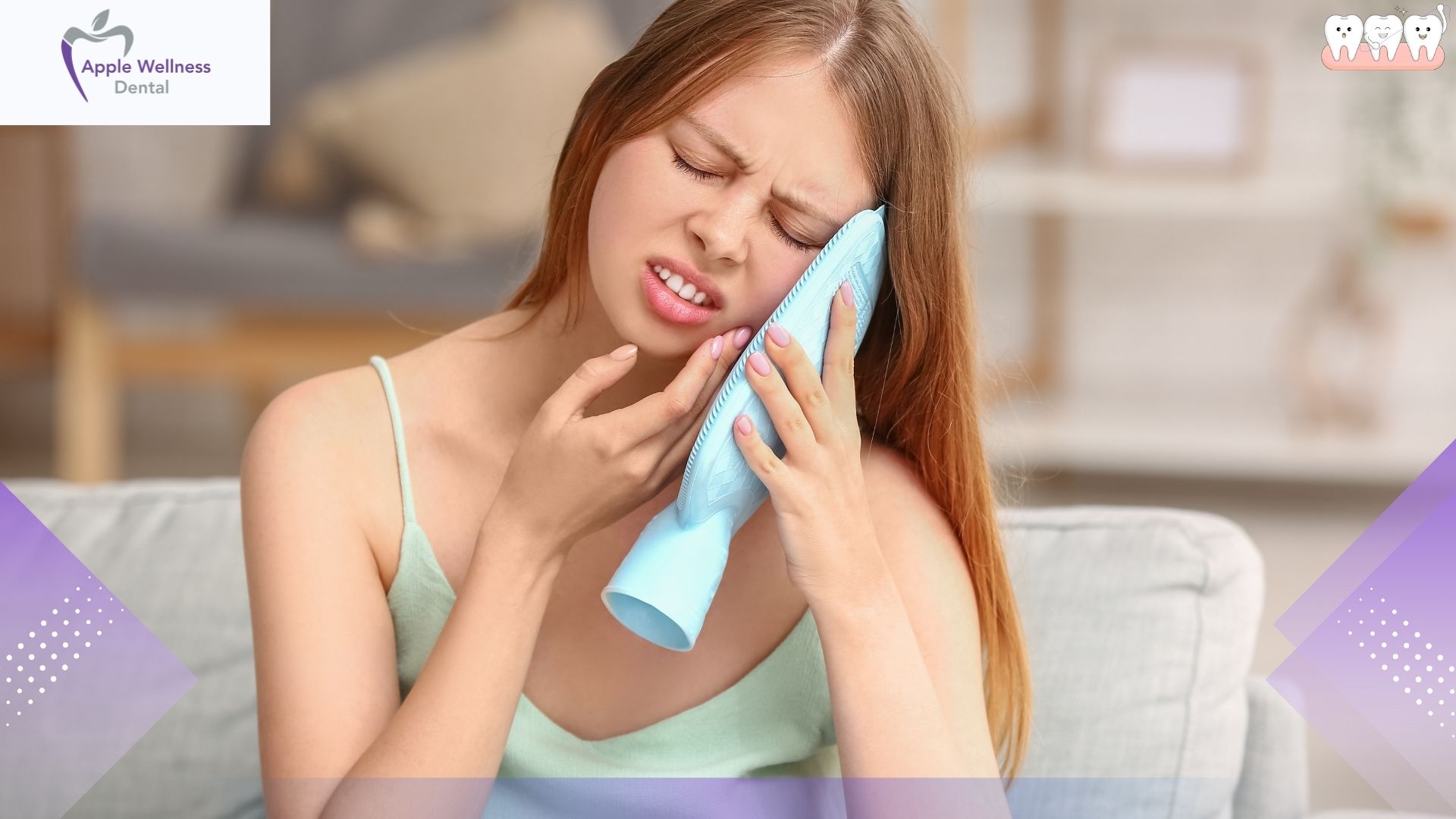
During the first twenty-four hours after your procedure, cold therapy is your absolute best defense against swelling and throbbing. Applying a cold compress or an ice pack to the outside of your cheek directly over the surgical site causes vasoconstriction. This means the blood vessels temporarily narrow, which slows down the rush of fluid to the tissues and drastically reduces swelling. Less swelling directly translates to less pressure on your sensory nerves, providing significant and immediate relief. You should apply the ice pack for fifteen to twenty minutes, then remove it for twenty minutes to give your skin a break and prevent frostbite.
It is critical to remember that ice should never be placed directly inside the mouth or directly on the gum tissue. Direct freezing temperatures can damage the delicate mucosal lining and delay the cellular repair process. Instead, always wrap the ice pack in a soft towel and apply it externally. The Mayo Clinic supports the use of external cold therapy during the acute inflammatory phase of dental surgery recovery. After the first forty-eight hours have passed, you will typically switch from cold therapy to warm, moist heat to promote blood circulation and soothe stiff jaw muscles.
Managing Medications Safely and Effectively
Proper pharmacological management is a cornerstone of a comfortable recovery. Depending on the complexity of your procedure, your dentist may prescribe specific pain relievers or recommend scheduled doses of over-the-counter anti-inflammatory medications. The most critical rule for managing medication is to take the first dose before the localized numbness completely wears off. Staying ahead of the discomfort is vastly easier than trying to suppress it once it has already peaked. You must adhere strictly to the dosage instructions provided by your dental professional, never exceeding the recommended daily limits.
Many patients attempt to tough it out or, conversely, mix different medications without consulting a professional. This can lead to dangerous interactions or stomach ulcers. Furthermore, you should never place an aspirin or any other pill directly against the healing gums. This dangerous DIY remedy causes severe chemical burns on the soft tissue, completely destroying the surgical site and multiplying your agony. To learn more about safe pharmaceutical practices, review the guidelines from the WebMD Oral Health Center. Always contact your provider if your prescribed regimen is not successfully controlling your symptoms.
The Role of Rest and Head Elevation
Physical exertion directly impacts the blood pressure within your head and neck. If you engage in heavy lifting, vigorous exercise, or rapid movements shortly after surgery, your heart rate increases, sending forceful pulses of blood directly into the extraction site. This elevated blood pressure can easily dislodge the fragile blood clot and causes intense, localized throbbing. For the first few days, your primary job is to rest quietly. Sit upright on the couch, read a book, or watch television, keeping your physical activity to an absolute minimum.
When it is time to sleep, how you position your head matters immensely. Lying completely flat allows blood and fluids to pool in your facial tissues, leading to increased swelling and stiffness by morning. We strongly advise using two or three thick pillows to keep your head elevated above your heart level while you rest. This simple gravitational trick encourages fluids to drain away from your jaw, dramatically improving your comfort level when you wake up. Consistently prioritizing rest gives your immune system the uninterrupted energy it requires to repair the surgical wound efficiently.
Dietary Choices That Prevent Irritation
What you choose to put into your mouth significantly dictates how you feel during recovery. Consuming hot, spicy, or highly acidic foods will instantly irritate the raw tissues inside the socket, causing a sharp, burning sensation. Similarly, foods with hard edges, such as chips, nuts, or toasted bread, can physically scrape the gums and trigger fresh bleeding. During the first week, you must transition to a strict soft-food diet. Items like lukewarm broth, mashed potatoes, applesauce, and yogurt provide necessary calories without requiring aggressive chewing or exposing the site to harsh textures.
Hydration is equally important for cellular repair, but the method of drinking is vital. You must never use a straw during the first week of recovery. The negative pressure created by sucking violently pulls on the blood clot, risking a painful condition known as dry socket. Drink your liquids directly from a glass and avoid forceful swishing. For a comprehensive list of safe meals, please refer to our soft food diet recommendations. Nourishing your body correctly keeps your immune system strong while protecting the sensitive environment inside your mouth.
Why DIY Dental Care is Highly Dangerous
When searching for ways on how to relieve pain after tooth extraction, many patients stumble across unverified internet blogs suggesting extreme home remedies. These might include packing the socket with raw garlic, applying undiluted essential oils, or vigorously scrubbing the area with hydrogen peroxide. We cannot overstate how dangerous these self-treatment methods are. Your extraction site is an open surgical wound leading directly to your jawbone. Introducing foreign, non-sterile substances into this cavity virtually guarantees a massive bacterial infection and extensive tissue necrosis.
Furthermore, relying on DIY treatments often masks the early warning signs of serious complications. If you have an underlying infection brewing, numbing it temporarily with clove oil does not cure the problem; it simply allows the bacteria to spread deeper into your bone. You should never attempt to act as your own surgeon. If you are experiencing symptoms that standard protocols are not fixing, you need to acquire professional dental services immediately. We have the sterile equipment, prescription-strength medications, and clinical expertise required to diagnose and treat the root cause of your discomfort.
Recognizing When to Seek Professional Intervention
While moderate swelling and a dull ache are expected, certain symptoms indicate that your healing process has been compromised. If you experience a sudden, sharp increase in agony three to five days after the procedure, this is a classic sign of alveolar osteitis, or dry socket. This occurs when the blood clot dissolves or is dislodged prematurely, exposing the raw bone and nerve endings to the air. Pain from a dry socket often radiates up to your ear or down into your neck and is typically accompanied by a foul odor and a bad taste.
Other red flags include uncontrolled bleeding that fills your mouth rapidly, a high fever, or swelling that suddenly worsens after initially subsiding. These are indicators of an active infection that requires immediate prescription antibiotics and clinical intervention. Do not ignore these signs or attempt to wait them out. We detail all emergency protocols in our urgent dental care guide. Swift professional action is the only way to stop an infection from spreading and restore your comfort safely.
We believe that managing your recovery should be a straightforward, stress-free process guided by clinical expertise. Ignoring safety protocols or attempting to treat complications yourself will only prolong your discomfort and endanger your oral health. If you are struggling with severe symptoms or simply need to confirm that your surgical site is closing correctly, please reach out to our dedicated team at Apple Wellness Dental. You can visit our office directly at 229 1st Street SW, Airdrie, AB, or call us immediately at +1 587 332 6767. Allow us to evaluate your healing progress and provide the professional relief you need to smile comfortably again.
Common Questions About how to relieve pain after tooth extraction
Q: How long does the most severe discomfort typically last?
A: A: The peak of post-operative soreness and swelling usually occurs within the first forty-eight to seventy-two hours. After this acute phase, the sharp sensations should gradually subside into a manageable, dull ache that continues to improve daily.
Q: Is it safe to sleep on the side where the tooth was removed?
A: A: No, you should try to sleep on your back with your head elevated or on the opposite side of your face. Pressing the surgical side into a pillow increases local blood pressure and heat, which can exacerbate swelling and throbbing during the night.
Q: Can I use a warm heating pad on my jaw immediately after surgery?
A: A: You must strictly avoid applying heat for the first forty-eight hours. Heat causes vasodilation, increasing blood flow and worsening initial swelling. Save warm compresses for the third or fourth day to help relax stiff jaw muscles after the swelling has peaked.
Q: What should I do if my prescribed medication makes me nauseous?
A: A: Taking medications on an empty stomach often causes severe nausea. Try taking your pills with a small amount of soft food, like applesauce or yogurt. If the nausea persists, contact our office immediately so we can adjust your prescription.
Q: Why does my jaw feel stiff and difficult to open?
A: A: Trismus, or jaw stiffness, is a normal reaction to oral surgery. The muscles surrounding the jaw temporarily spasm and tighten due to the inflammation. Applying warm, moist heat after the first two days and doing gentle jaw stretches will resolve this stiffness.
Q: Is it normal to feel a throbbing sensation when I stand up quickly?
A: A: Yes, changing your posture rapidly alters your blood pressure. The sudden rush of blood to your head can cause a temporary throbbing sensation in the sensitive surgical site. Move slowly and avoid sudden physical exertion to minimize this effect.
Q: Can I gently brush the teeth next to the extraction site?
A: A: You must keep your mouth clean, but you must be exceptionally careful. Brush your remaining teeth normally, but entirely avoid touching the gums or the empty socket with your toothbrush bristles to prevent tearing the fragile clot or causing extreme localized irritation.
Q: Will warm salt water rinses help soothe the soreness?
A: A: After the first twenty-four hours have passed, gently rolling warm salt water around your mouth can soothe the tissues and reduce bacterial loads. However, you must not swish forcefully or spit aggressively; simply let the water fall out of your mouth into the sink.
Q: How do I know if I have developed a painful dry socket?
A: A: Dry socket presents as an intense, radiating pain that fails to respond to normal pain relievers, typically starting three days post-surgery. You may also notice an empty-looking hole where the clot should be, accompanied by a severely bad taste.
Q: Why shouldn’t I try at-home remedies for severe complications?
A: A: The extraction site is a direct pathway to your jawbone and bloodstream. Unverified at-home treatments often introduce aggressive bacteria or harsh chemicals that destroy tissue and spread infections, making professional intervention the only safe choice for proper healing.
Final Thoughts on Guiding Your Smile to Full Recovery
Successfully navigating your post-operative recovery requires a disciplined approach to the aftercare instructions provided by your clinical team. Understanding the timeline of inflammation empowers you to make smart choices regarding cold therapy, medication schedules, and dietary modifications. Protecting the surgical site from physical trauma and dangerous self-treatment guarantees that your body can repair the bone and gum tissue efficiently. Remember that a sudden increase in symptoms is not something you should try to manage independently. If you are continually struggling with how to relieve pain after tooth extraction, please contact Apple Wellness Dental right away so we can provide the precise, professional care needed to protect your oral health.
Author Bylines: This comprehensive educational guide was developed and reviewed in collaboration with the clinical team at Apple Wellness Dental. We prioritize factual accuracy and safe patient outcomes above all else. Process Disclosure: The structuring and initial drafting of this post-operative material utilized AI-assisted writing tools, followed by rigorous manual editing by dental professionals to guarantee clinical precision, E-E-A-T compliance, and alignment with current dental surgery recovery standards.