
When to Brush Teeth After Wisdom Tooth Extraction: Night One to Week Two
Quick Answer: When to brush teeth after wisdom tooth extraction? Most official guidance says keep gently brushing your other teeth, starting the same day or the next morning, while keeping the brush away from the socket. Some leaflets say wait 8 hours or skip the first night. Nova Scotia Health says avoid brushing the extraction site itself for 5 to 7 days.
Knowing when to brush teeth after wisdom tooth extraction is confusing because the instructions do not all agree. Some say brush the same day. Others say wait until the next morning. All of them want two things at once: a clean mouth, and a blood clot that stays where it is.
This guide lines up the official advice, explains where it differs, and gives a simple timeline from the first night to the second week. Your own dentist’s written instructions come first, because they are based on your surgery.
Last updated: October 20, 2026. Main sources: MyHealth Alberta wisdom tooth aftercare (current as of July 31, 2024), the Canadian Dental Association’s care after minor oral surgery page, Nova Scotia Health’s After a Dental Extraction guide (September 2026), the NHS wisdom tooth removal page and NHS hospital trust leaflets. Full links are at the end.
Key Takeaways
- Keep brushing: official sources agree you should keep cleaning your other teeth.
- Avoid the wound: keep your toothbrush away from the socket and stitches.
- Night one differs: brush gently (CDA, NHS Tayside), wait 8 hours (East Sussex NHS) or skip that night (Kingston NHS).
- No rinsing for 24 hours: then gentle warm salt-water rinses.
- The socket itself: do not brush it for 5 to 7 days (Nova Scotia Health).
When to brush teeth after wisdom tooth extraction: what official sources say
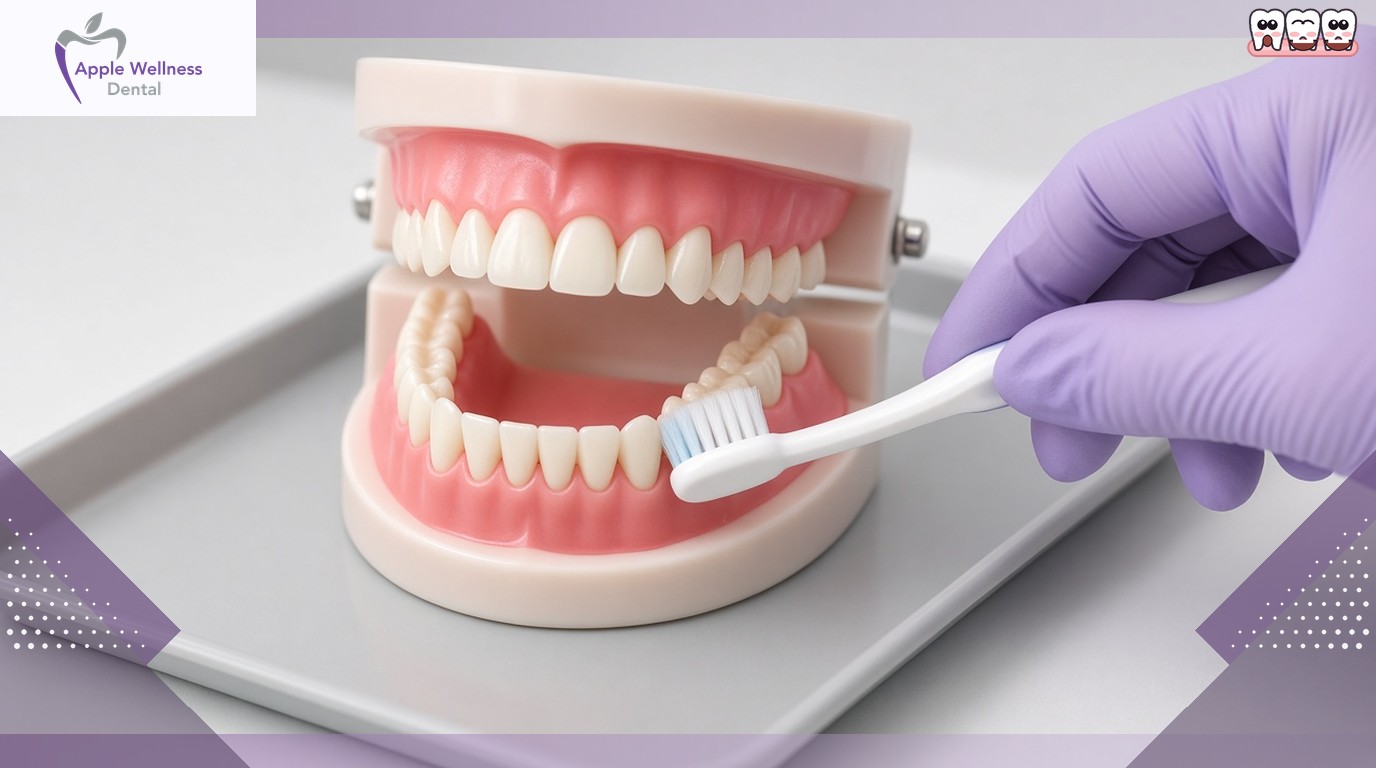
- The Canadian Dental Association (CDA) says: brush and floss your teeth as usual, but stay away from the wound and use only a little bit of water.
- MyHealth Alberta says: continue to brush your teeth and tongue carefully, and avoid rubbing the area with your tongue or touching it with your fingers.
- The NHS says: clean your other teeth carefully, avoiding the affected area so you do not damage your stitches or the blood clot over the wound.
- Nova Scotia Health says: after 24 hours you may brush your teeth, but do not brush the extraction site for 5 to 7 days. Keep your tongue, toothbrush and hard foods away from the site.
So when to brush teeth after wisdom tooth extraction has two answers: your other teeth, soon and gently; the socket itself, not for about a week.
Where the advice differs: same day, after 8 hours, or the next morning
Hospital leaflets give different starting points for the first brush:
| Source | When to start brushing | Around the socket |
|---|---|---|
| NHS Tayside | Day 1: brush gently to keep your mouth clean, which helps reduce the risk of infection. | Do not play with the socket or stitches. |
| University Hospitals Dorset NHS | Brush your teeth like normal. | Be careful around the area. |
| West Hertfordshire NHS | Brush carefully and thoroughly. If needed, soften the toothbrush under a hot tap first. | Not specified. |
| Western Australia Dental Health Services | After surgical extractions: begin normal brushing as soon as possible. | Not specified. |
| East Sussex Healthcare NHS | Do not brush for the first 8 hours after surgery; after that, brush as normal. | Be very careful around the area. |
| Kingston and Richmond NHS | Do not brush your teeth tonight (easy-read leaflet for day surgery). | Not specified. |
| Nova Scotia Health | After 24 hours. | Do not brush the extraction site for 5 to 7 days. |
These are not as far apart as they look. Every source protects the clot in the first hours and expects you back to normal brushing of your other teeth within about a day. If your instructions say to wait, wait.
A brushing timeline from night one to week two
| When | Brushing | Rinsing | Notes |
|---|---|---|---|
| Day of surgery | Gently brush the other teeth, or wait if your instructions say so (8 hours or until the next morning in some leaflets). | No rinsing for the first 24 hours (CDA, Nova Scotia Health). No spitting (Leicester NHS). | Keep the toothbrush away from the socket. |
| Days 2 to 3 | Brush the other teeth normally and carefully. | Start gentle warm salt-water rinses (CDA). | Swelling often peaks 2 to 3 days after the procedure (Nova Scotia Health). |
| Days 4 to 7 | Continue. Still do not brush the socket itself (Nova Scotia Health). | Salt water or a prescribed rinse only for the first 7 days (Nova Scotia Health). | Rinse more often if food gets in the socket. |
| Week 2 | Return to normal brushing as the area feels comfortable. | Some leaflets continue rinses for 7 to 14 days. | Stitches can take up to two weeks to dissolve (UHD NHS); Nova Scotia Health says 3 to 8 days. |
For a broader look at this stage, see our posts on when you can brush after wisdom tooth extraction and how to brush teeth after a tooth extraction.
How to brush near the socket
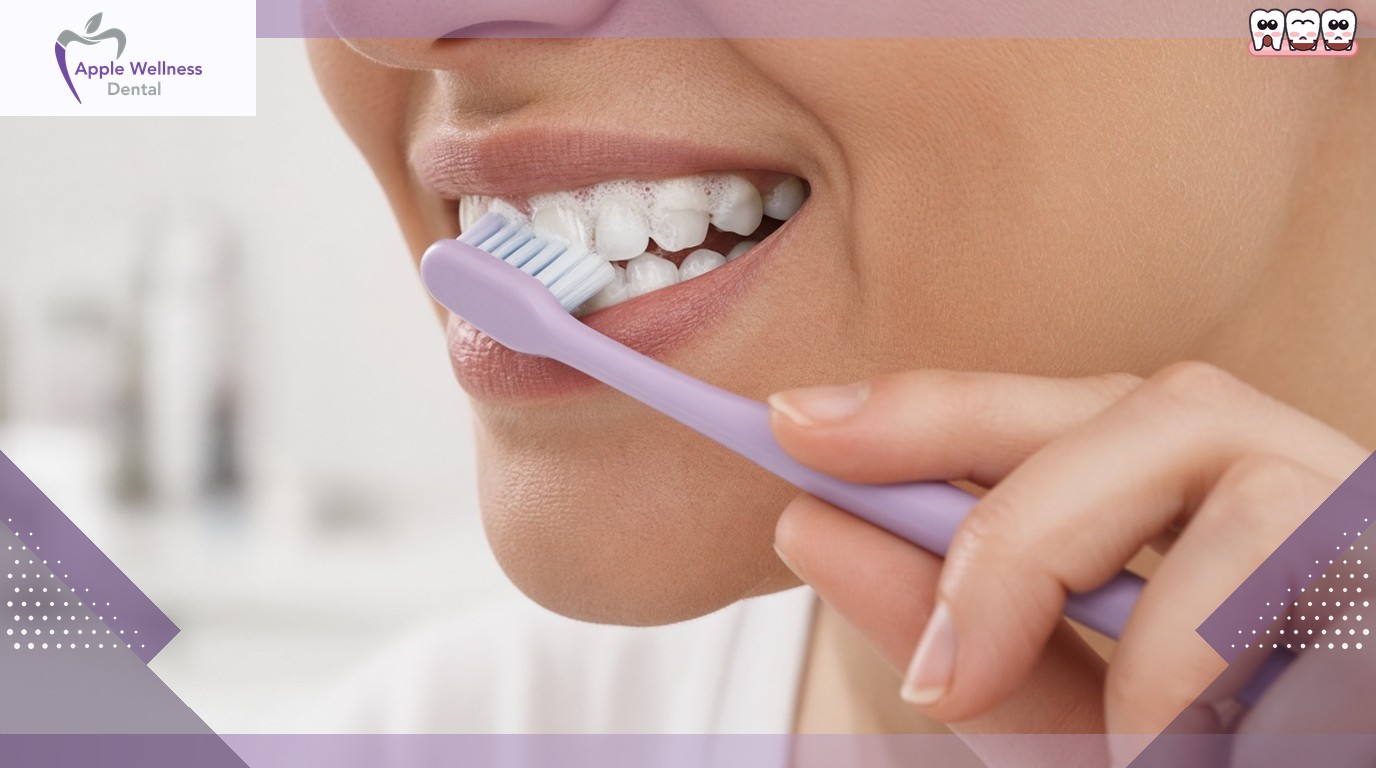
- Use a soft brush. West Hertfordshire NHS suggests softening the toothbrush under a hot tap if needed.
- Use only a little water. The CDA says to use only a little bit of water when brushing near a fresh wound.
- Clean the other teeth well, including your tongue (MyHealth Alberta). Plaque on the rest of your teeth does not stop building up while you heal.
- Skip the socket and stitches. Brush the teeth beside the site slowly and lightly, and do not push bristles into the hole.
- Do not spit hard. Nova Scotia Health says to let rinse water flow out of your mouth instead of spitting forcefully. Leaning over the sink and letting toothpaste foam fall out the same way is our practical suggestion based on that advice.
- Hands and tongue off. Avoid touching the area with your tongue or fingers (MyHealth Alberta).
None of the official sources we reviewed say whether an electric toothbrush is better or worse after wisdom tooth removal. If you want to use one, ask your dentist first and keep it away from the healing area.
Rinsing, mouthwash and flossing
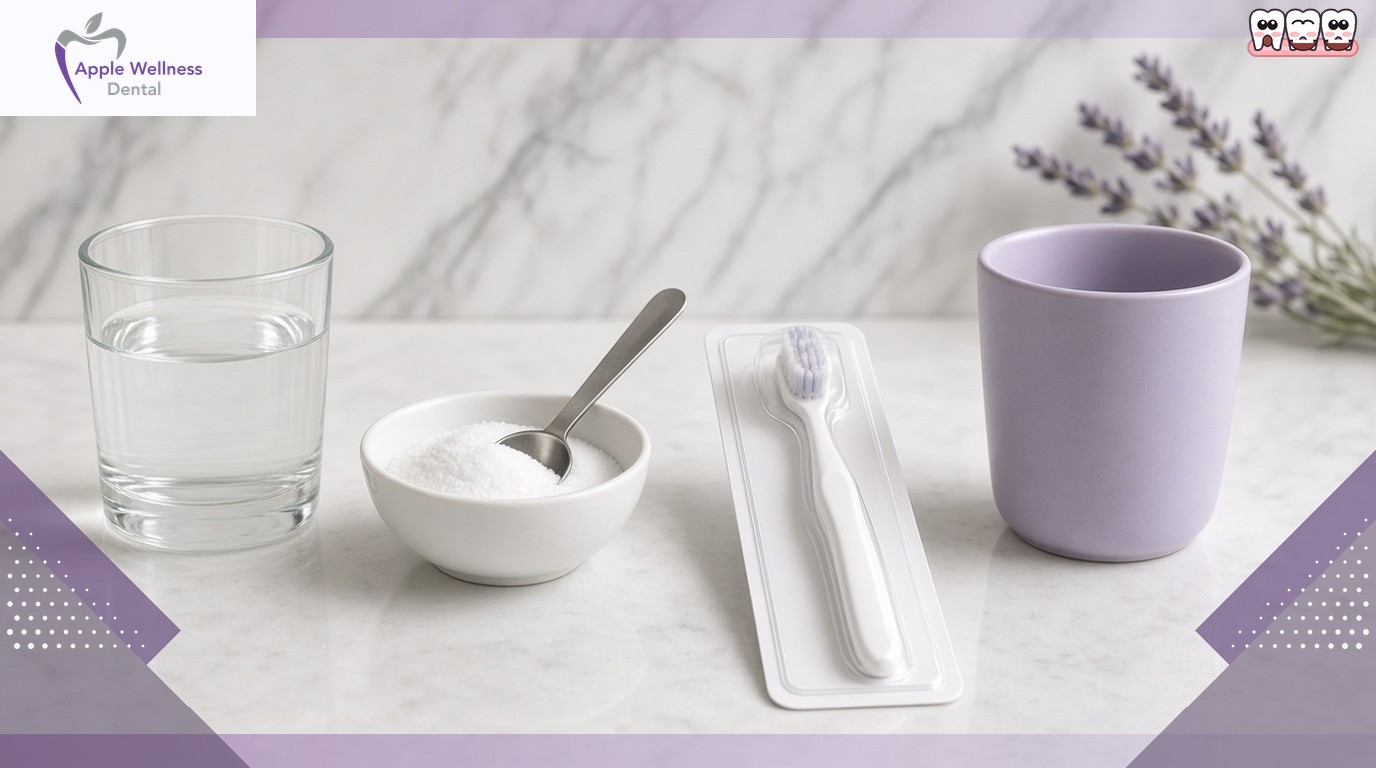
Rinsing. The CDA says not to rinse in the first 24 hours. After a full day, rinse gently with warm water; your dentist may suggest 1/2 teaspoon of salt per cup, 4 or 5 times a day for 3 or 4 days. Recipes and schedules vary between leaflets:
- University Hospitals Dorset NHS: 1/2 teaspoon of salt in 250 ml of water, 3 to 4 times a day for about 7 to 10 days.
- University Hospitals of Leicester: 1 teaspoon of salt in a mug of warm water, 30 seconds at a time, 3 times a day for 10 to 14 days.
- Nova Scotia Health: a pinch of salt in a glass of warm water.
Mouthwash. Nova Scotia Health says not to use any rinse other than a prescribed rinse or salt water for the first 7 days. West Hertfordshire NHS mentions a diluted antiseptic rinse once a day, and the NHS wisdom tooth page mentions rinsing gently with mouthwash or warm salt water. Use a store-bought mouthwash only if your dentist says so.
Flossing. The CDA says to brush and floss as usual but stay away from the wound.
Why brushing still matters after surgery
NHS Tayside says gentle brushing helps maintain a good level of oral hygiene, which helps reduce the risk of infection. Nova Scotia Health says it may take several weeks for gum tissue to fully cover the site, and food that gets stuck can cause bad breath or a bad taste. Soft foods help here too; see what you can eat after wisdom tooth extraction.
At the same time, the clot matters. MyHealth Alberta explains that a dry socket can happen if the blood clot comes loose or does not form, exposing the bone and causing severe pain (MyHealth Alberta: Dry Socket). That is why every source says to clean around the wound but not into it. Learn more in our article on how dry socket is treated.
Warning signs: when to call
- Pain or swelling that keeps getting worse after the first 2 to 3 days, especially with fever (above 38 °C), chills, pus or a bad taste (Nova Scotia Health).
- Severe pain not helped by pain medicine, pain that spreads to your jaw or ear, or pain that starts days later (Nova Scotia Health).
- Bleeding that does not stop with firm pressure.
- Loose stitches or a wound that opens (MyHealth Alberta).
Hypothetical example: brushing through the first week
Hypothetical example (not a real patient): Taylor has two lower wisdom teeth removed on a Thursday. Taylor’s written instructions say to brush gently that night but avoid the back of the mouth, so Taylor brushes the front and upper teeth with a soft brush and lets the foam fall into the sink. On Friday, Taylor starts warm salt-water rinses after meals. Through the next week, Taylor brushes the teeth beside the sockets slowly and skips the sockets themselves. On day four, food gets stuck, so Taylor rinses gently instead of poking at it.
Wisdom tooth aftercare in Airdrie
Apple Wellness Dental has provided dental care in Airdrie since 1993 from 229 1st Street SW. Our general dentists, Dr. Sanjay Rajpal and Dr. Hammad Qasim, provide wisdom teeth removal, and our registered dental hygienists provide guidance on daily home care routines as part of dental exams and cleanings. If you are unsure when to brush teeth after wisdom tooth extraction in your own case, call us at (587) 332-6767.
After hours in Alberta, Health Link 811 connects you with registered nurses 24/7. We follow the Alberta Dental Fee Guide, bill most private insurers directly and accept the Canadian Dental Care Plan.
Frequently asked questions
Can I brush my teeth the night after wisdom tooth extraction?
Many official sources say yes, gently, keeping away from the wound. The Canadian Dental Association says to brush as usual but stay away from the wound. Some NHS trusts say to wait 8 hours or skip brushing that night, so follow your own written instructions.
When can I brush near the extraction site?
Nova Scotia Health says you may brush your teeth after 24 hours but should not brush the extraction site itself for 5 to 7 days. Other sources simply say to be careful around the area.
Can I use toothpaste after wisdom tooth removal?
The sources we reviewed tell you to brush as normal and do not restrict toothpaste. In the first 24 hours, avoid forceful spitting, which one NHS trust says not to do, and let foam fall out of your mouth instead.
Can I use mouthwash after wisdom tooth extraction?
Not in the first 24 hours. Nova Scotia Health says to use only salt water or a prescribed rinse for the first 7 days. Some NHS trusts mention an antiseptic rinse, so use one only if your dentist recommends it.
Can I use an electric toothbrush after wisdom tooth removal?
None of the official sources we reviewed address electric toothbrushes. Ask your dentist. If you use one, keep it well away from the socket and stitches.
Can I floss after wisdom tooth extraction?
The Canadian Dental Association says to brush and floss your teeth as usual but stay away from the wound.
Sources
- Canadian Dental Association, “Care after Minor Oral Surgery” (undated): cda-adc.ca
- MyHealth Alberta, “Wisdom Tooth Extraction: What to Expect at Home” (current as of July 31, 2024): myhealth.alberta.ca
- MyHealth Alberta, “Dry Socket” (current as of July 31, 2024): myhealth.alberta.ca
- Nova Scotia Health, “After a Dental Extraction” patient and family guide (September 2026): nshealth.ca
- NHS, “Wisdom tooth removal” (last reviewed June 12, 2024): nhs.uk
- University Hospitals Dorset NHS Foundation Trust, “Aftercare instruction after wisdom tooth removal” (March 2026): uhd.nhs.uk
- NHS Tayside, “Advice following minor oral surgery or extraction of teeth (Local Anaesthetic)” (reviewed May 2024): nhstayside.scot.nhs.uk
- West Hertfordshire Teaching Hospitals NHS Trust, “Extraction of tooth” (ratified August 2025): westhertshospitals.nhs.uk
- Government of Western Australia, North Metropolitan Health Service Dental Health Services, “Instructions following tooth extraction” (DHS-14, version 09/25): dental.wa.gov.au
- East Sussex Healthcare NHS Trust, “Instructions following removal of teeth” (June 2025): esht.nhs.uk
- Kingston and Richmond NHS Foundation Trust, “Going home after having a tooth out in the Day Surgery Unit (Easy Read)” (last updated October 23, 2024): kingstonandrichmond.nhs.uk
- University Hospitals of Leicester NHS Trust, “Having wisdom teeth taken out using local anaesthetic” (last reviewed August 2026): leicestershospitals.nhs.uk
- Primary Care Alberta, “Health Link 811” (undated): albertahealthservices.ca
- Government of Canada, “Canadian Dental Care Plan: What is covered” (undated): canada.ca
Apple Wellness Dental
Dental care in Airdrie, Alberta. This article is general education and does not replace an examination by a dental professional or the aftercare instructions your dentist gives you. It is not medical, legal, tax or financial advice.
Had a wisdom tooth removed and have a question about brushing or healing? Book a call or Contact Us, or call 587-332-6767.