
When Can You Drink Carbonated Drinks After Tooth Extraction
You’ve just had a tooth pulled. The procedure is behind you, you’re home and resting, and somewhere in the back of your mind, a craving surfaces — an ice-cold soda, a sparkling water, maybe a fizzy sports drink. It seems harmless enough. After all, you’re not chewing, you’re not using a straw, you’re just drinking. What’s the problem?
As it turns out, carbonated beverages carry a specific set of risks during tooth extraction recovery that most patients don’t fully understand until they’re told not to have them. The restriction isn’t arbitrary. Fizzy drinks — including sodas, sparkling water, and carbonated energy drinks — can interfere with the blood clot that is protecting your extraction socket, introduce acidity to healing tissue, and contribute to a painful complication called dry socket. Getting the timing right is one of the simpler things you can do to protect your recovery.
This guide answers the question directly: when can you drink carbonated drinks after tooth extraction? It also explains why the restriction exists, what happens if you drink carbonated beverages too soon, and what you should be drinking instead during the critical healing window. By the end, you’ll have a clear picture of what your recovery timeline looks like and exactly when it’s safe to reach for that fizzy drink again.
Key Takeaways
- Most dental professionals recommend avoiding carbonated drinks for at least 48 to 72 hours after a tooth extraction.
- For surgical extractions and wisdom tooth removals, waiting a full week before consuming carbonated beverages is the safer approach.
- The carbonation in fizzy drinks creates physical pressure inside the mouth that can disturb the blood clot protecting your socket.
- The acidity in most sodas and sparkling drinks can irritate healing tissue and slow the early stages of recovery.
- Dry socket — the most painful post-extraction complication — is made more likely by any activity that disrupts the clot, including carbonated drink consumption too soon after the procedure.
- Plain water, warm broths, and diluted juices (consumed without straws) are the safest choices during the first week of recovery.
What This Guide Covers
This article walks you through the full picture of post-extraction drink restrictions — why carbonated beverages are specifically problematic, how the fizzing action and acidity of these drinks affect your healing socket, what the recommended waiting period is for different types of extractions, and what the safest alternatives are while you wait. We also cover what dry socket is, why it’s a concern, and when it’s appropriate to call your dental provider rather than managing your recovery entirely at home. If you’ve been wondering when you can drink carbonated drinks after tooth extraction, this resource gives you the detailed, clinically grounded answer.
Why Carbonated Drinks Are Restricted After Tooth Extraction

To understand why fizzy drinks are problematic after an extraction, it helps to understand what is happening inside the extraction socket during the first several days of healing. When a tooth is removed, it leaves behind an open wound in your gum and jawbone. Your body responds immediately by forming a blood clot to seal the socket — this clot covers the exposed bone and nerve tissue beneath it and acts as the biological foundation for all the tissue regeneration that follows.
The clot is fragile, especially in the first 24 to 72 hours. Any physical disruption — from suction, pressure, or mechanical irritation — can dislodge it. Once the clot is gone, the bone and nerve endings beneath it are exposed, resulting in a condition called dry socket (alveolar osteitis), which is one of the most painful complications a dental patient can experience after a routine procedure.
Carbonated drinks introduce two specific threats to this healing process. The first is physical carbonation — the bubbles in a fizzy drink are produced by dissolved carbon dioxide gas, which releases as pressure inside the mouth when you drink. This effervescence creates a kind of agitation against the soft tissue lining the socket and the clot itself. The second threat is acidity. Most carbonated drinks — sodas in particular, but even many sparkling waters — have a low pH, meaning they are significantly acidic. Acid in direct contact with healing gum tissue and exposed bone can cause irritation, slow cellular repair, and weaken the structural stability of early granulation tissue. The American Dental Association’s tooth extraction guidance highlights why protecting the clot in the post-operative period is central to complication-free healing.
When Can You Drink Carbonated Drinks After Tooth Extraction?
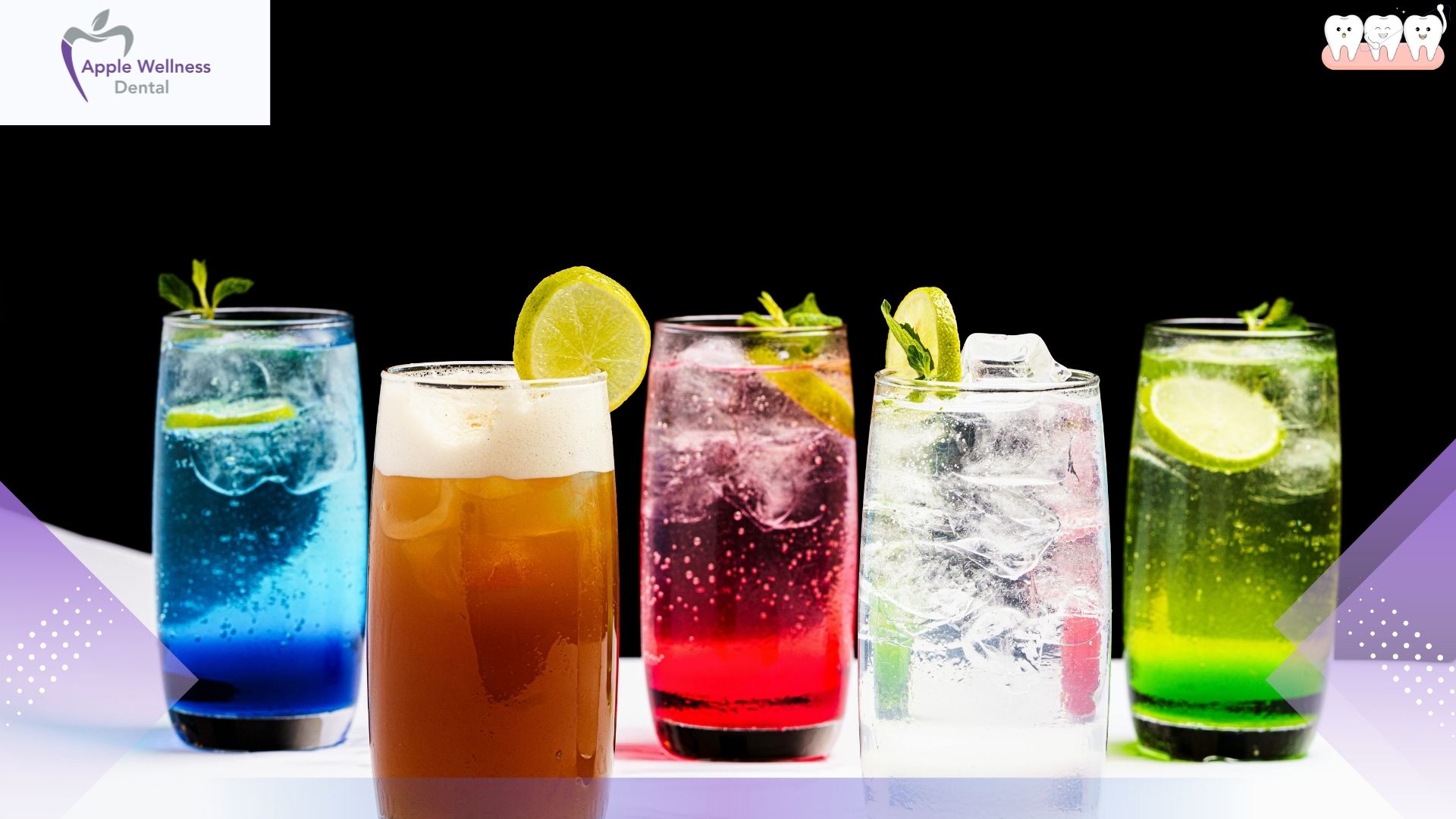
The General Guideline: 48 to 72 Hours Minimum
For most patients who have had a straightforward, single-tooth extraction with normal healing, the widely accepted guideline is to avoid carbonated beverages for a minimum of 48 to 72 hours following the procedure. By the end of this window, the initial blood clot has typically begun transitioning into more stable granulation tissue — the early cellular layer that starts filling the socket from the edges inward. At this stage, the risk of clot dislodgement is meaningfully lower than it was in the first 24 hours.
However, “lower risk” doesn’t mean “no risk.” If your healing is progressing well at 72 hours — pain is clearly reducing, no bad taste or odor is present, and the socket is beginning to show visible tissue coverage — a gentle sip of a lightly carbonated drink is unlikely to cause major harm. The key word is gentle. Avoid drinking straight from a can or bottle with force, avoid anything highly acidic like colas or citrus sodas, and pay attention to how the area responds in the hours afterward.
For Surgical and Wisdom Tooth Extractions: Wait at Least One Week
Surgical extractions — particularly the removal of impacted wisdom teeth — involve considerably more tissue trauma than simple extractions. The sockets are larger, deeper, and surrounded by tissue that has been cut and manipulated during the procedure. Healing takes longer and the clot is more vulnerable for a more extended period. For these cases, most oral surgeons recommend avoiding carbonated drinks for a full seven days after the procedure.
Lower wisdom tooth extractions carry the highest known rate of dry socket among all extraction types — some studies suggest rates of 25 to 30 percent in certain patient groups, compared to just 2 to 5 percent for routine extractions. Given this elevated risk, being conservative about anything that could disturb the socket — including carbonated beverages — is a straightforward, low-effort protective measure. The inconvenience of a week without soda is far preferable to the pain and extended recovery associated with dry socket treatment.
Always Follow Your Dentist’s Specific Instructions
General guidelines like those above are a useful baseline, but they are not a replacement for the specific post-operative instructions given to you by your dental provider. Your dentist or oral surgeon knows the details of your procedure — how complex the extraction was, how your tissue responded, whether there were any complications during the removal, and what your overall oral health picture looks like. Their instructions may be more conservative or more permissive than the general guidelines above, and those instructions take precedence.
If you weren’t given explicit guidance about carbonated drinks at your appointment, a brief phone call to your dental office is the most reliable way to get a specific answer for your situation. Most practices are happy to answer recovery questions by phone without requiring an additional appointment.
The Science Behind Carbonation and Clot Disruption
It’s worth spending a moment on the actual mechanism of how carbonated drinks affect an extraction socket, because understanding it helps explain why even “light” carbonation is treated with caution during recovery. When dissolved carbon dioxide in a carbonated drink is released after you drink it, it produces small bubbles that expand in the oral environment. These bubbles don’t just sit passively in the liquid — they exert pressure against the surfaces they contact, including the gum tissue lining the socket and the clot sitting within it.
Think of it in terms of what happens when you open a carbonated bottle that has been shaken — the sudden release of pressure is dramatic. While drinking a calm glass of sparkling water is far less extreme than that, the principle of pressurized bubbles contacting delicate healing tissue remains. Over the first 24 to 48 hours, the clot is at its most mechanically fragile state, and repeated exposure to even modest carbonation can erode its integrity gradually rather than dislodging it in one dramatic moment.
The acidity factor compounds this. The pH of a standard cola is typically between 2.3 and 2.5 — comparable to vinegar. Even sparkling water, which is often perceived as a neutral alternative, typically has a pH between 3 and 4 due to carbonic acid formed when carbon dioxide dissolves in water. Acidic fluids in contact with newly forming granulation tissue can interfere with the cellular processes of wound healing and cause irritation that extends the discomfort period even when the clot itself remains intact. The NHS dry socket overview explains the chain of events from clot loss to the clinical symptoms patients experience.
What Dry Socket Feels Like — And Why You Want to Avoid It
Dry socket is the most common complication following tooth extraction, and it is the primary reason post-extraction dietary restrictions — including the carbonated drink restriction — exist. It occurs when the blood clot is lost or dissolves before the socket has healed sufficiently, exposing the bone and nerve endings that the clot was protecting. The result is intense, deep, throbbing pain that typically begins two to four days after the extraction and often radiates toward the ear or jaw on the affected side.
What makes dry socket particularly disruptive is that it often appears after patients feel like the hardest part of recovery is already behind them. Initial post-extraction soreness fades over the first two to three days, and patients begin to feel better — then a food or drink choice disrupts the socket, and the pain returns far worse than anything felt immediately after the procedure. The condition is diagnosable by a dentist who will see a visibly empty socket, potentially with exposed bone, and confirm the absence of a clot.
Treatment requires professional attention. Your dentist will clean the socket and place a medicated dressing inside it that both covers the exposed bone and provides pain relief. This dressing typically needs to be changed every one to two days until granulation tissue has grown sufficiently to cover the socket naturally — a process that can add one to two weeks to your overall recovery timeline. No over-the-counter product, home rinse, or dietary adjustment can treat dry socket once it has developed. Prevention, through careful adherence to post-operative instructions, is far easier than the treatment.
Safe Drinks During Your Extraction Recovery
What to Choose in the First 24 to 72 Hours
During the most critical window of extraction healing, the safest choices for hydration are plain water at room temperature, warm (not hot) broths, and diluted non-citrus fruit juices consumed gently from a cup. These options hydrate effectively without introducing carbonation, excessive acidity, or temperature extremes that could affect the socket. Staying well hydrated during recovery is genuinely important — it supports healthy saliva production and the physiological processes of tissue regeneration.
Avoid using a straw with any beverage during this period. The suction motion of drinking through a straw creates negative pressure inside the mouth — the same mechanism that makes carbonation problematic, just from a different source. Whether it’s a fizzy drink, a juice, or plain water, the straw itself is the risk during the first several days of recovery. Sip gently from the rim of a glass or cup, letting gravity and calm lip contact move the liquid rather than any form of suction.
What to Avoid Beyond Carbonated Drinks
Carbonated beverages are not the only drinks that should be avoided during extraction recovery. Several other common drink categories carry similar risks and are worth keeping in mind as you plan your recovery diet.
- Very hot beverages: Heat causes blood vessels to dilate, which can trigger or restart bleeding at the extraction site. Let coffee, tea, and soups cool to a warm or room-temperature level before consuming them for the first 24 to 48 hours.
- Alcohol: Alcohol thins the blood, can interact poorly with post-operative medications, and can impair the healing process. Most dental providers recommend avoiding alcohol for at least 24 to 48 hours after extraction — and longer if you’ve been prescribed antibiotics or prescription pain medications.
- Citrus juices: Orange juice, grapefruit juice, and similar high-acid options can irritate the extraction site in much the same way acidic sodas do. Stick to water and diluted, low-acid options during the first few days.
- Energy drinks: Typically both carbonated and highly acidic, energy drinks combine two of the primary risk factors in a single beverage. They are among the least appropriate choices during extraction recovery and should be avoided for at least one week.
What Healthy Recovery Looks Like Day by Day
Understanding your drink restrictions is more useful when you see them in the context of what the overall recovery arc looks like. Most patients with straightforward extractions follow a healing timeline that moves through predictable stages, and knowing what to expect at each stage helps you make better decisions about when to reintroduce normal habits.
On the day of and day after your extraction, the focus is entirely on protecting the clot: no carbonation, no straws, no spitting, no rinsing, minimal physical activity, and soft room-temperature food and drink only. Days two and three are when most patients begin to feel meaningfully better, and gentle salt water rinsing can begin after the first 24 hours. Pain and swelling should be visibly improving. Days four through seven represent a transition toward more normal eating and drinking habits — and for simple extractions, this is typically when carbonated drinks can be reintroduced carefully and in moderation.
For patients who had surgical extractions or wisdom tooth removals, this timeline extends across the full first week and into the second. If anything in your recovery doesn’t match this progression — if pain is worsening rather than improving, or if swelling is increasing rather than reducing — contact your dental provider rather than waiting to see if things improve on their own.
Your Recovery Is Worth a Professional Follow-Up
Post-extraction recovery questions are among the most common reasons patients contact their dental office in the days following a procedure — and rightly so. When something feels off, or when you’re unsure whether a symptom is normal or a sign of something requiring attention, a quick call or visit is always the right call. At Apple Wellness Dental, we are here for every stage of your dental care — from the procedure itself to the recovery questions that come up afterward. Whether you have concerns about your healing, want to confirm your personal timeline for resuming normal drinks and foods, or are due for your follow-up check, our team is ready to help. You can find us at 229 1st Street SW, Airdrie, AB, or reach us directly at +1 587 332 6767. Your comfort and recovery are our priority, and no question is too small to ask.
Common Questions About When Can You Drink Carbonated Drinks After Tooth Extraction
Q: How long after tooth extraction can I drink soda?
A: For most simple extractions, waiting at least 48 to 72 hours before drinking soda is the standard recommendation. For surgical extractions or wisdom tooth removals, a full week is the safer guideline. Soda is particularly problematic because it combines both carbonation and high acidity, both of which can irritate the healing socket and potentially disturb the blood clot. Even after the waiting period, consume soda gently and avoid drinking directly from a can or bottle with force.
Q: Is sparkling water safer than soda after tooth extraction?
A: Sparkling water is less acidic than most sodas but is still carbonated, which means it carries the same fizzing risk to your healing socket. The bubbles in sparkling water release carbon dioxide in the mouth, which can agitate the socket and the clot within it during the critical early healing period. Plain still water remains the safest and most recommended drink during the first 48 to 72 hours of extraction recovery, regardless of whether a beverage is labeled as “natural” or “sugar-free.”
Q: What happens if I drink carbonated drinks too soon after tooth extraction?
A: Drinking carbonated beverages too soon after extraction can disturb the blood clot protecting the socket, potentially triggering dry socket. The carbonation creates physical agitation against the healing tissue, and the acidity of most fizzy drinks can irritate the wound. Dry socket results in significant throbbing pain, often radiating to the jaw or ear, and requires professional treatment — it cannot be resolved at home and typically adds one to two weeks to your recovery.
Q: Can I drink carbonated drinks 3 days after tooth extraction?
A: For simple extractions with normal healing, three days post-extraction is at the lower end of the acceptable window for reintroducing lightly carbonated drinks. If your pain has clearly improved, swelling has reduced, and there is no bad taste or odor from the socket, consuming a mildly carbonated drink gently from a glass — without a straw — is generally considered low risk at this stage. However, highly acidic sodas and energy drinks are better left until the full first week has passed.
Q: Can I drink carbonated drinks 1 week after wisdom tooth extraction?
A: One week after wisdom tooth removal is generally the minimum acceptable point to cautiously reintroduce carbonated drinks for most patients. Wisdom tooth extractions — particularly surgical removals of impacted teeth — involve more tissue trauma and a longer healing period than simple extractions. If your one-week recovery has been uncomplicated, light carbonation consumed gently is unlikely to cause issues. If you had any complications, or if pain has not clearly improved, check with your dental provider first.
Q: Why does carbonation specifically affect the extraction socket?
A: Carbonation releases dissolved carbon dioxide as bubbles that exert physical pressure against the surfaces they contact inside the mouth — including the gum tissue and blood clot in the socket. In the first 48 to 72 hours when the clot is most fragile, this repeated physical agitation can gradually weaken or dislodge it. Combined with the acidity of most carbonated drinks, the overall effect on healing tissue is one of irritation and mechanical disruption that slows the body’s natural repair process.
Q: Does the carbonation rule apply to flavored sparkling water too?
A: Yes — flavored sparkling waters carry the same carbonation risk as unflavored versions and are often more acidic due to added natural or artificial flavorings. The key issue is the presence of dissolved carbon dioxide, which causes fizzing in the mouth regardless of whether the drink contains sugar, flavoring, or coloring. During the critical first 48 to 72 hours of recovery, any carbonated beverage — flavored or not, sugary or not — is best avoided.
Q: Can I drink ginger ale after tooth extraction — isn’t it gentler than cola?
A: Ginger ale is still a carbonated drink and carries the same post-extraction risks as any other fizzy beverage, regardless of how mild it tastes. The effervescence is the concern, not the flavor profile. While ginger ale is less acidic than cola, it is not safe to consume during the first 48 to 72 hours after extraction. If you’re looking for something comforting to drink during recovery, warm (not hot) herbal tea without carbonation or warm diluted broth are far better choices during the initial healing window.
Q: What drinks are best for recovery after tooth extraction?
A: Plain water at room temperature is the gold standard for hydration during tooth extraction recovery. Warm broths, diluted non-citrus juices, and room-temperature herbal teas (without straws) are also appropriate. These options hydrate effectively without introducing carbonation, acidity, alcohol, or temperature extremes that could affect the healing socket. After the first 24 hours, gentle warm salt water rinses are also recommended by most dental providers to keep the area clean without disrupting clot formation.
Q: Should I call my dentist if I accidentally drank something carbonated too soon?
A: One accidental sip of a carbonated drink doesn’t automatically mean your clot has been dislodged or that dry socket will develop. Stop drinking it immediately and monitor the area over the next 24 to 48 hours. If you notice intensifying pain, a bad taste or odor, or visible emptiness in the socket, contact your dental provider promptly — these are signs of dry socket that require clinical treatment. If no new symptoms appear and pain continues to improve, your clot may have remained intact.
Conclusion
The answer to when you can drink carbonated drinks after tooth extraction comes down to the type of extraction you had and how your healing is progressing. For most simple extractions with smooth recovery, 48 to 72 hours is the minimum waiting period. For surgical removals and wisdom teeth, a full week is the more appropriate benchmark. In both cases, starting gently — small sips from a cup, avoiding high-acid options, and paying attention to how the area responds — is the smart way to reintroduce fizzy drinks after the waiting period has passed.
The discomfort of going without carbonated drinks for a week is minor compared to the pain and extended recovery that dry socket brings. Protecting the blood clot in your socket during the critical early healing window is one of the most impactful things you can do to support a smooth, complication-free recovery — and avoiding carbonated beverages is one of the simplest parts of that process.
If you have questions about your recovery timeline or aren’t sure whether it’s safe to resume carbonated drinks based on how your healing is going, the team at Apple Wellness Dental is here to give you a clear, personalized answer — because every patient’s recovery deserves professional attention, not just guesswork.