
When Can I Drink Soda After Tooth Extraction
It’s one of the first things patients think about once the numbness wears off and the gauze comes out: when can I drink soda after tooth extraction? Maybe it’s your go-to comfort drink, your daily afternoon habit, or simply the most appealing thing in your fridge when everything else requires chewing. Whatever the reason, the craving is real — and the question matters more than most people realize.
Soda isn’t just refreshing. It’s carbonated, acidic, often full of sugar, and sometimes ice-cold — a combination that creates several distinct risks for a healing extraction socket. Drink it too soon, and you could disturb the blood clot that is actively protecting your wound, accelerate bacterial activity in the socket, or trigger a painful complication called dry socket that adds weeks to your recovery. The restriction on soda isn’t a minor formality. It’s a protective measure grounded in how your body heals.
This guide gives you a complete, clear answer to when you can safely drink soda after getting a tooth pulled — covering the biology behind the restriction, the recommended timeline for different types of extractions, what soda actually does to a healing socket, and what to drink in the meantime. Whether you had a routine extraction or a more involved surgical removal, you’ll find specific, actionable guidance here.
Key Takeaways
- Most dental professionals recommend avoiding soda for at least 48 to 72 hours after a simple tooth extraction.
- For surgical extractions and wisdom tooth removals, waiting a full seven days before drinking soda is the safer standard.
- Soda combines three major recovery risks: carbonation, high acidity, and sugar — all of which negatively affect a healing socket.
- The blood clot in your extraction socket is fragile in the first 72 hours and can be disturbed by the fizzing action of carbonated drinks.
- Dry socket — triggered by clot loss — causes severe throbbing pain and requires professional treatment, not home remedies.
- Plain water, warm broth, and diluted non-citrus juices are the safest drink choices during the first 48 to 72 hours of recovery.
What This Guide Covers
This article walks you through the complete picture of soda consumption after tooth extraction — including the specific ways that soda’s carbonation, acidity, and sugar content each affect your healing socket, the recommended waiting period based on your type of extraction, how dry socket develops and why soda is one of its known triggers, and which drinks support rather than slow your recovery. We also cover the most common questions patients ask about post-extraction drinks and eating, with clear factual answers for each. If you’ve been wondering when you can drink soda after tooth extraction, this guide gives you everything you need to make the right call.
Why Soda Is One of the Worst Drinks for Extraction Recovery
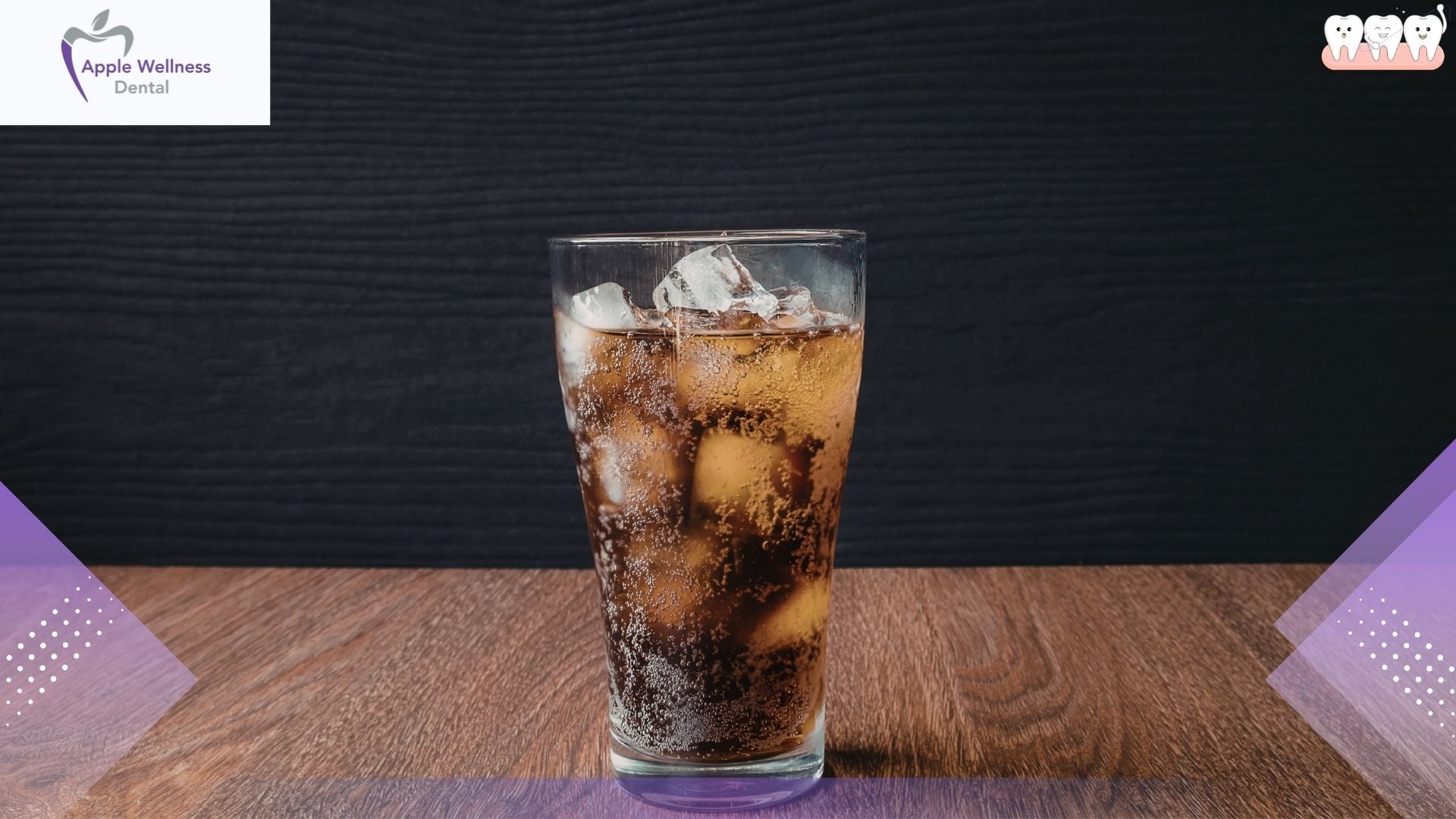
Not all beverages carry the same level of risk during tooth extraction recovery, and soda sits near the top of the list of drinks to avoid — for reasons that go beyond just the carbonation. Understanding exactly what makes soda problematic helps explain why the restriction is more meaningful than it might initially seem.
Soda poses three distinct challenges to a healing extraction socket. First, carbonation: the dissolved carbon dioxide in fizzy drinks releases as bubbles inside the mouth when consumed, creating small but real pressure fluctuations against the gum tissue and the blood clot sitting in the socket. Second, acidity: most sodas — including colas, citrus sodas, and even many clear sodas — have a pH between 2.3 and 3.5, placing them among the most acidic beverages people commonly drink. Acid in contact with healing gum tissue and the early granulation cells forming in the socket can slow cellular repair and cause irritation that extends the discomfort period. Third, sugar: high sugar content feeds the oral bacteria that are always present in the mouth, increasing bacterial load near the wound and raising the risk of infection or delayed healing.
Each of these factors would be worth avoiding on its own during extraction recovery. Soda combines all three in a single drink, which is why dental professionals consistently list it among the highest-priority items to avoid after a tooth removal. The American Dental Association’s tooth extraction guidance outlines the dietary precautions patients should follow to support complication-free healing.
When Can I Drink Soda After Tooth Extraction? The Direct Answer
Simple Extractions: 48 to 72 Hours Minimum
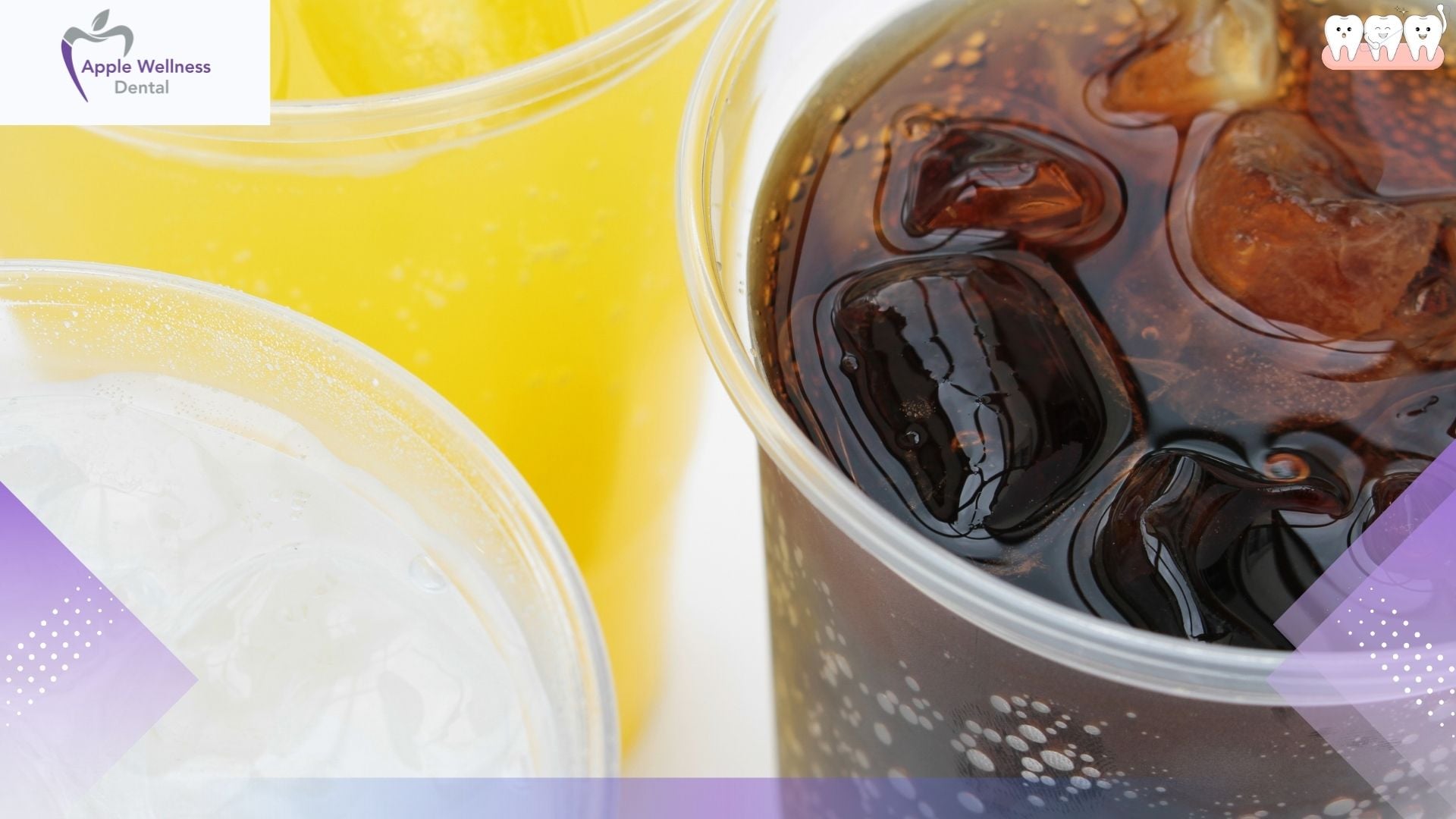
For patients who had a straightforward single-tooth extraction with no surgical involvement and no complications, the standard minimum waiting period before drinking soda is 48 to 72 hours. By the end of this window, the initial blood clot has typically begun transitioning into early granulation tissue — the soft cellular layer that starts filling the socket from the edges inward. This tissue is more mechanically stable than a freshly formed clot, meaning the risk of dislodgement from carbonation is meaningfully lower than it was in the first day.
Even after 72 hours, reintroducing soda should be done gradually and carefully. Start with a small amount consumed gently from a glass — never directly from a can or bottle, which can create unintentional suction or a strong burst of carbonation against the socket. Avoid using a straw regardless of what you’re drinking, as the sucking motion creates negative oral pressure that can disturb healing tissue. Pay attention to how the area feels after drinking, and stop immediately if you notice any increase in pain, a bad taste, or renewed bleeding.
Surgical Extractions and Wisdom Teeth: Wait a Full Week
Wisdom tooth extractions — particularly the removal of impacted lower wisdom teeth — and other surgical extractions require a more extended period of dietary caution. For these procedures, waiting a full seven days before introducing soda is the appropriate standard. Surgical removals involve cutting through gum tissue, sometimes removing bone, and leaving behind larger, deeper sockets that take considerably longer to stabilize than those from simple extractions.
Lower wisdom teeth carry the highest documented rate of dry socket among all extraction types — estimated at 25 to 30 percent in some patient populations, compared to 2 to 5 percent for routine removals. Given that dry socket is both painful and entirely preventable with careful adherence to post-operative instructions, the extra days of soda avoidance for surgical cases represent a very small inconvenience against a significant and avoidable risk.
Always Prioritize Your Dentist’s Specific Instructions
The timelines above reflect the general clinical consensus, but your individual recovery depends on factors specific to your procedure, your oral health history, and your healing response. Your dental provider’s post-operative instructions — given based on direct knowledge of your case — take precedence over any general guideline. If you weren’t given explicit guidance about soda or carbonated drinks, a brief phone call to your dental office is the most reliable way to get a specific answer.
This is particularly important if you have health conditions that affect wound healing, are taking medications that influence clotting, or had a complex extraction with any complications. In these cases, your personal timeline for safely resuming soda may differ from the standard one, and making that call before reaching for a drink is a straightforward step that can save you significant pain.
The Blood Clot: Why It’s the Center of Every Post-Extraction Decision
Every dietary and behavioral restriction after a tooth extraction — soda, straws, smoking, spitting, vigorous rinsing — exists for the same underlying reason: to protect the blood clot that forms in the empty socket after the tooth is removed. Understanding what the clot does and why it’s fragile helps make sense of why a beverage choice matters so much.
After extraction, the socket is an open wound — a hole in the gum tissue and underlying bone with nerve endings and blood vessels exposed at the base. The blood clot forms within the first 15 to 30 minutes of the procedure under correct gauze pressure and seals this wound. It covers the exposed bone and nerves, provides a scaffold for the tissue that will eventually fill the socket, and acts as a physical barrier against bacteria, food particles, and air. Without it, the bone below is directly exposed — the definition of dry socket.
In the first 24 to 48 hours, the clot has no mechanical reinforcement from surrounding tissue. It sits in the socket largely by its own coagulation structure. Any physical disruption — from suction, pressure, direct contact, or carbonation-driven agitation — can pull it loose. By days three to four, early granulation tissue begins to form around and beneath it, gradually making the socket more resilient. By day seven in an uncomplicated recovery, tissue coverage is progressing well and the clot’s role is largely being transferred to the regenerating tissue beneath it. This is the biological basis for the recovery timeline that governs drink restrictions. The NHS explains how dry socket develops when this clot is lost prematurely and what patients can expect from treatment.
Dry Socket: What You’re Protecting Yourself Against
Dry socket (alveolar osteitis) is the most frequently discussed complication of tooth extraction — and with good reason. It is painful, preventable, and requires professional treatment to resolve. It occurs when the blood clot in the socket is dislodged, dissolves, or never fully forms, leaving the underlying bone and nerve tissue exposed to air, food, and bacteria. The result is a deep, throbbing pain that typically begins two to four days after the extraction — often after the initial soreness had already started to fade — and radiates to the ear, jaw, or neck on the same side.
Other characteristic signs include a visibly empty or whitish-gray socket when viewed in a mirror, a persistent bad taste or odor that wasn’t present earlier in recovery, and pain that responds poorly to over-the-counter pain relievers. Dry socket is not a sign of infection, though infection can develop alongside it if the exposed bone is not treated promptly.
Treatment is clinical. Your dentist will gently clean the socket to remove any debris, then place a medicated dressing — usually containing eugenol or a similar analgesic compound — directly into the socket to cover the exposed bone and provide pain relief. This dressing typically needs to be changed every one to two days until granulation tissue has sufficiently covered the wound. Most patients experience significant pain relief within 24 hours of treatment. The condition adds roughly one to two weeks to overall recovery, all of which is avoidable through careful adherence to post-operative guidance — including not drinking soda too soon after the extraction.
What Soda’s Acidity Does to Healing Gum Tissue
Beyond the carbonation risk, the acidity of soda deserves specific attention because it operates differently from the mechanical disruption caused by fizzing. Acidic fluids don’t need to physically dislodge a clot to cause harm — they interact chemically with the cellular tissue forming at the edges of the socket and in the early granulation layer.
The pH of common sodas ranges from roughly 2.3 for colas to around 3.0 to 3.5 for clear sodas and citrus-flavored varieties. For comparison, pure water has a neutral pH of 7.0. At a pH below 4, the acidic environment can denature the proteins involved in tissue repair, slow the proliferation of fibroblasts (the cells responsible for building new connective tissue), and increase inflammation in the perioral tissue. In a mouth that is already managing a healing wound, introducing repeated acid exposure prolongs recovery and increases discomfort even when the clot remains intact.
Sugar compounds this effect. The oral bacteria responsible for tooth decay and gum disease metabolize sugar into acid as a byproduct, effectively extending the duration of acid exposure at the wound site well beyond the time it takes to finish the drink. For patients who had any pre-existing gum inflammation or cavities, this accelerated bacterial activity near an open wound creates additional risk. A diet rich in soft, non-acidic, low-sugar foods and drinks during extraction recovery supports healing from both the outside and the inside.
What to Drink Instead of Soda During Recovery
Avoiding soda for 48 to 72 hours — or a full week for surgical cases — doesn’t mean enduring thirst or deprivation. There are several genuinely appealing drink options that support hydration and recovery without introducing any of soda’s risks.
Plain water at room temperature is the ideal choice throughout recovery. It hydrates effectively, has no acidity, contains no sugar, and creates no carbonation pressure against the socket. Staying well hydrated supports healthy saliva production, which plays an active role in the healing process — saliva contains growth factors and antimicrobial proteins that benefit the socket environment. Sip gently from a glass, letting the liquid flow without creating any suction.
Warm (not hot) broths and soups are both nourishing and easy to consume during the first several days when eating solid food is uncomfortable. Bone broth in particular provides protein and minerals that support tissue repair. Allow soups to cool to a warm rather than hot temperature — very hot liquids cause blood vessels near the extraction site to dilate, which can trigger or restart bleeding.
Diluted, non-citrus fruit juices — such as a small amount of apple or grape juice mixed with water — provide flavor and some nutritional value without the extreme acidity of citrus options. Consume these gently from a cup rather than a glass with a straw, at room temperature. Avoid undiluted juices, which can be more acidic than they appear.
Herbal teas (caffeine-free, non-acidic, at a warm rather than hot temperature) are another appropriate option during recovery. Chamomile and peppermint teas are particularly popular for their mild soothing properties. Avoid black tea and green tea in the first day or two, as their tannin content can interact with clot formation — though a warm moistened black tea bag placed against the socket can actually help control bleeding if needed, which is a separate and limited application.
Other Post-Extraction Drink Restrictions to Keep in Mind
Soda is the most commonly asked-about beverage restriction after extraction, but several other drinks carry similar or related risks during the recovery period and are worth being aware of so your overall approach to hydration supports healing rather than working against it.
- Alcohol: Thins the blood, can interact with pain medications or antibiotics, and impairs the body’s healing response. Avoid for at least 24 to 48 hours post-extraction, and longer if you’re on any prescription medications.
- Very hot beverages: Coffee, hot tea, and hot soup consumed before they’ve cooled can dilate blood vessels near the socket and trigger renewed bleeding. Let all warm drinks cool to a moderate temperature first.
- Energy drinks: Combine carbonation, high acidity, sugar, and caffeine — all problematic during recovery. Treat these with the same caution as soda and avoid them for the full first week.
- Citrus juices: Orange juice, grapefruit juice, lemonade, and similar high-acid options can irritate healing tissue. Save these until the socket is clearly well on its way to closing.
- Any beverage through a straw: The sucking motion creates negative pressure inside the mouth that can dislodge the clot regardless of what you’re drinking. Avoid straws for a minimum of 48 to 72 hours, and up to one week for surgical extractions.
Healing Progresses Better With Professional Guidance Behind It
Post-extraction recovery is straightforward for most patients — but it goes smoothest when you have a dental team you can reach out to when questions come up. Whether you’re unsure about when to reintroduce soda, concerned about how your socket looks, or experiencing pain that doesn’t seem to be improving on the expected timeline, those are exactly the moments to call your dental office rather than searching for answers and hoping for the best. At Apple Wellness Dental, we support our patients through every stage of their care — before, during, and after procedures like tooth extractions. If you have questions about your recovery or want to schedule a follow-up visit to confirm your healing is on track, we’re here for that. Reach us at 229 1st Street SW, Airdrie, AB or call us at +1 587 332 6767 — because good dental care doesn’t end when you leave the chair.
Common Questions About When Can I Drink Soda After Tooth Extraction
Q: How long after tooth extraction can I have soda?
A: For most simple extractions with normal healing, waiting at least 48 to 72 hours before drinking soda is the standard recommendation. For surgical extractions and wisdom tooth removals, a full seven days is the safer guideline. Soda combines carbonation, acidity, and sugar — all of which can irritate or disrupt the healing socket. When you do reintroduce it, sip gently from a glass and avoid drinking directly from a can or bottle.
Q: Can I drink diet soda after tooth extraction instead of regular soda?
A: Diet soda is not safer than regular soda during extraction recovery. While it contains no sugar, it is still carbonated and highly acidic — typically with a pH between 2.8 and 3.3. The carbonation risk to the clot and the acidity risk to healing tissue are both present regardless of sugar content. The same waiting period applies to diet soda as to any other carbonated beverage: 48 to 72 hours minimum for simple extractions, one full week for surgical cases.
Q: What happens if I drink soda too soon after a tooth extraction?
A: Drinking soda too soon after extraction risks dislodging the blood clot protecting your socket, which can lead to dry socket — a painful condition requiring professional treatment. The carbonation creates physical pressure against the clot, and the acidity irritates the healing tissue around the wound. Dry socket typically appears two to four days after extraction as intensifying, deep pain radiating to the jaw or ear. If this happens, contact your dentist promptly rather than waiting for symptoms to resolve on their own.
Q: Can I drink soda 3 days after tooth extraction?
A: Three days after a simple extraction with normal healing, carefully reintroducing soda is generally considered acceptable for most patients. By day three, early granulation tissue has begun forming in the socket, making the area more resilient than in the first 48 hours. Sip gently from a glass — no straws, no drinking directly from a can — and choose a less acidic option if possible. Stop immediately if you notice increased pain, bad taste, or any renewed bleeding from the site.
Q: Can I drink soda 5 days after tooth extraction?
A: For a simple extraction with smooth, uncomplicated healing, five days post-extraction is a reasonable and generally safe point to consume soda in moderation. The socket should be showing visible tissue coverage by this stage, and the risk of clot disruption is substantially lower than in the first few days. Continue to sip gently and avoid straws. For surgical extractions or wisdom teeth removals, five days is still within the recommended avoidance window — wait for the full seven days in those cases.
Q: Is ginger ale safe to drink after tooth extraction?
A: Ginger ale is still a carbonated drink and carries the same risks to a healing extraction socket as any other fizzy beverage. While it is less acidic than cola — typically around pH 3.2 — the carbonation is still present and can agitate the healing socket during the critical early recovery period. Ginger ale should be treated with the same caution as any other soda: avoid it for 48 to 72 hours minimum after a simple extraction, and for a full week after surgical extractions.
Q: Why is soda specifically worse than other drinks after extraction?
A: Soda is particularly problematic because it combines three recovery risks in a single drink: carbonation, high acidity, and sugar. Most other restricted drinks carry only one or two of these factors. Carbonation creates pressure against the clot, acidity slows cellular tissue repair and causes irritation, and sugar feeds the oral bacteria that increase infection risk near an open wound. This triple combination makes soda one of the highest-risk beverages a patient can consume during the critical early stages of extraction healing.
Q: Does the type of soda affect how risky it is after extraction?
A: Yes — the type of soda influences the degree of risk, though no soda is safe during the first 48 to 72 hours of recovery. Colas are among the most acidic common sodas with a pH around 2.3 to 2.5. Clear sodas and ginger ales tend to be slightly less acidic, typically ranging from pH 3.0 to 3.5. Citrus-flavored sodas can be similarly acidic to colas. Carbonation levels also vary by product. That said, the general restriction applies to all carbonated drinks regardless of type until the minimum waiting period has passed.
Q: Can I use a straw to drink soda after tooth extraction to avoid the socket?
A: No — using a straw actually adds an additional risk on top of the soda itself. The sucking motion required to drink through a straw creates negative pressure inside the mouth that can dislodge the blood clot in the socket — independent of what’s in the straw. Using a straw to drink soda after extraction combines two distinct clot-disruption risks at once. Straws should be avoided for at least 48 to 72 hours following a simple extraction and for a full week following surgical or wisdom tooth removals.
Q: What should I drink instead of soda while recovering from tooth extraction?
A: Plain water at room temperature is the best choice for hydration throughout extraction recovery. Warm (not hot) broths, diluted non-citrus fruit juices, and caffeine-free herbal teas consumed from a cup without a straw are all appropriate alternatives during the first week. These options hydrate effectively, contain no carbonation, and have minimal to no acidity — giving your body the fluid it needs without creating any of the conditions that slow healing or risk clot disruption.
Conclusion
The answer to when you can drink soda after tooth extraction is straightforward once you understand what your body is doing during recovery. For simple extractions, 48 to 72 hours is the minimum waiting period. For surgical cases and wisdom tooth removals, a full week is the appropriate standard. In both cases, reintroducing soda gradually — sipped gently from a glass, in moderation, with no straw — is the right approach once the waiting period has passed.
What’s worth remembering is that soda’s triple combination of carbonation, acidity, and sugar makes it one of the more disruptive drink choices for a healing socket. Every day you wait before reaching for it is a day your body has used to build more stable tissue in the socket and reduce the risk of a complication that would cost you far more time and discomfort than the original wait. The recovery window is short. The protection it provides is real.
If you have any uncertainty about your own healing timeline — or if something about your recovery doesn’t feel right — the team at Apple Wellness Dental is ready to give you the professional guidance you need. Don’t guess your way through recovery when expert support is just a call away.