
When Can I Lift Weights After Tooth Extraction
Safe Timeline for Returning to the Gym
If you’re an active person who regularly hits the gym, one of the first questions you ask after scheduling a tooth extraction is: when can I lift weights after tooth extraction? The short answer is that you should wait at least 5 to 7 days before resuming heavy lifting, and even longer for complex or surgical extractions. Rushing back too soon can increase bleeding, swelling, and the risk of dry socket, which turns a simple recovery into a painful setback.
In this guide, we’ll walk you through the exact timeline for returning to weightlifting, explain why physical activity affects healing, and show you how to ease back into your routine safely. We’ll cover what happens during the first 24–48 hours, when light activity becomes okay, and what signs tell you it’s time to stop. Our FAQ section answers the most common questions about exercise and extraction recovery. If you’re unsure whether you’re ready to return to the gym, our team at Apple Wellness Dental is here to give you clear, personalized advice based on your specific case.
Key Takeaways
- Wait at least 24–48 hours before any physical activity and 5–7 days before lifting weights after a simple tooth extraction.
- For surgical extractions or wisdom tooth removal, wait 7–14 days before resuming heavy lifting to avoid complications.
- Exercise too soon can raise blood pressure, dislodge the blood clot, and cause dry socket or prolonged bleeding.
- Light walking is usually okay after 48 hours, but avoid strenuous activity, bending over, or jaw clenching during early recovery.
- Signs you’re ready to lift again: no bleeding, minimal swelling, no pain, and dentist clearance.
- Never rely on DIY advice alone—professional guidance ensures your recovery stays on track without avoidable setbacks.
Overview
This article breaks down exactly when you can return to weightlifting after tooth extraction, why timing matters, and how to heal safely without losing your fitness progress. We explain the healing phases, how exercise affects blood flow and clot stability, and what activities are safe at each stage. You’ll see a day-by-day timeline, warning signs that mean you’re pushing too hard, and how to modify your workouts while you recover. Our FAQ section covers the questions patients ask most often. If you’re uncertain about your specific situation, our team at Apple Wellness Dental is ready to review your case and give you a personalized timeline. For more on what to expect during recovery, see our guide on how to prepare for tooth extraction.
Why Exercise Affects Tooth Extraction Healing

After a tooth extraction, your body focuses all its energy on forming a stable blood clot and healing the socket. This clot acts as a protective shield over the exposed bone and nerve endings. If it gets dislodged too soon, you risk developing dry socket, a painful condition where the socket is left exposed. Exercise impacts this process in several direct ways.
Physical activity raises your heart rate and blood pressure. When blood pressure increases, more blood flows to your head and neck, which can cause the extraction site to bleed more or the clot to become unstable. Heavy lifting, straining, or bending over creates extra pressure in the upper body and jaw, which can push the clot loose. Even moderate workouts can slow healing if you start them too early.
That’s why we always tell patients to prioritize rest during the first few days. Your fitness routine will still be there after you heal, but a setback from dry socket can add weeks of pain and extra visits to the clinic. For more on clot protection, see our article on when to start salt water rinses.
The Healing Timeline After Tooth Extraction
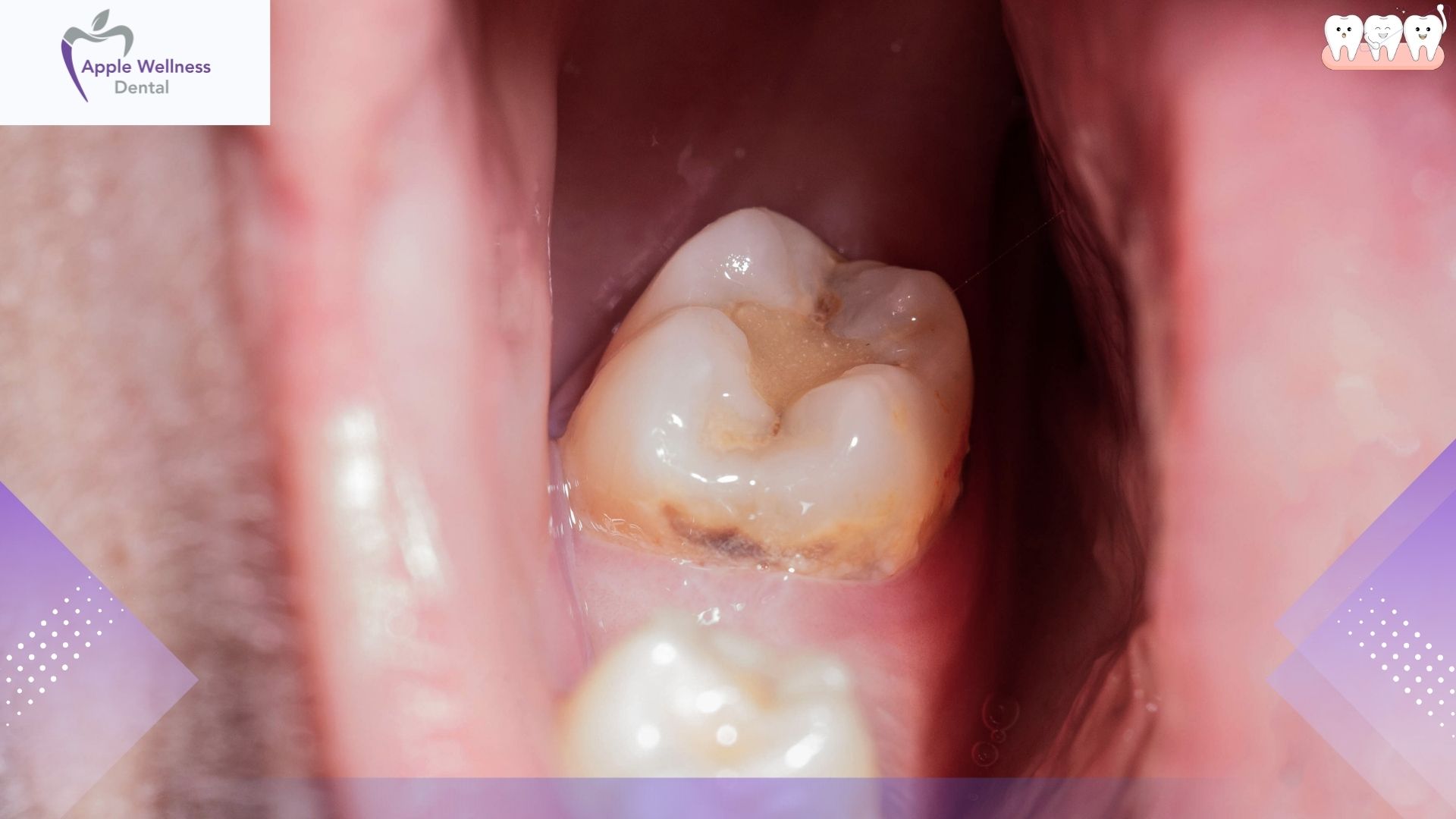
Healing happens in stages, and each stage has different restrictions. The first 24–48 hours are the most critical for clot formation. Days 3–7 are when soft tissue begins to close over the socket. Weeks 2–4 are when the gum tissue fully heals, and bone healing continues for months. Your exercise timeline should match these stages.
First 24–48 Hours: Complete Rest
During the first two days, avoid all strenuous activity. This means no weightlifting, no running, no high-intensity cardio, and no CrossFit-style workouts. Even light housework or yard work can raise your blood pressure enough to cause bleeding. Stick to resting with your head elevated, applying ice to reduce swelling, and moving only for basic needs like eating and using the bathroom.
This is the most fragile period for the blood clot. Dislodging it now almost guarantees dry socket. If you feel restless, gentle walking around the house is okay, but keep it slow and short. Do not try to “push through” the urge to exercise. Your body needs this rest to heal properly.
Days 3–5: Light Activity Only
By day 3, if bleeding has stopped and swelling is decreasing, you can start introducing very light movement. This includes gentle walking, slow stretching, or light yoga that doesn’t involve inversion or strain. You should still avoid anything that raises your heart rate significantly or causes you to clench your jaw.
Weightlifting is not safe yet. Even light weights can cause jaw clenching or straining, which increases pressure in the mouth. If you feel any throbbing, bleeding, or increased pain during activity, stop immediately and rest for another day or two. Recovery is not linear, and pushing too hard can set you back.
Days 5–7: Gradual Return to Moderate Exercise
For simple extractions, many patients can resume moderate exercise after 5–7 days if they have no pain, no bleeding, and minimal swelling. This might include light cardio, bodyweight exercises, or very light weights. Start at 25–50% of your normal intensity and see how your body responds.
Heavy lifting, bench press, squats, or deadlifts are still not recommended at this stage. These exercises create significant intra-abdominal and intra-oral pressure, which can still affect the healing socket. If you’re unsure whether you’re ready, wait another 2–3 days. It’s better to lose a week of training than to develop dry socket.
Week 2 and Beyond: Return to Full Activity
After 7–10 days, most patients with simple extractions can gradually return to their normal workout routine. Start with lighter weights and lower intensity for the first few sessions, then build back up over the next week. For surgical extractions or wisdom tooth removal, wait at least 10–14 days before heavy lifting, and some patients may need up to 3–4 weeks depending on healing progress.
Even after you resume lifting, pay attention to how your mouth feels. If you notice increased pain, swelling, or bleeding after a workout, scale back and give yourself more time. Your healing socket is still filling in with new tissue and bone for several weeks, so it remains somewhat vulnerable. For more on recovery complications, see our guide on risks of dental extraction.
Simple vs. Surgical Extraction: Different Timelines
The type of extraction you had matters significantly for your exercise timeline. A simple extraction involves removing a tooth that’s fully visible in the mouth. The dentist loosens it and removes it with forceps. Recovery is faster, and patients often feel ready to resume activity sooner.
Simple Extraction Timeline
- 24–48 hours: Complete rest, no exercise
- Days 3–5: Light walking only
- Days 5–7: Moderate exercise with caution
- Week 2+: Full activity if healing well
Surgical Extraction Timeline
A surgical extraction involves cutting through gum tissue, removing bone, or extracting impacted teeth (like wisdom teeth). This creates a larger wound with more tissue trauma. Recovery takes longer, and the risk of complications is higher if you push too hard too soon.
- 24–72 hours: Complete rest, no activity
- Days 3–7: Light walking only
- Week 2: Moderate exercise with caution
- Week 3–4+: Full activity if healing well
If you had a surgical extraction, wait at least 10–14 days before heavy lifting. Some patients need up to 3–4 weeks, especially if multiple teeth were removed or if bone grafting was performed. Your dentist will give you a personalized timeline based on your procedure. For more on wisdom teeth specifically, see our wisdom teeth removal guide.
Risks of Lifting Weights Too Soon
Returning to weightlifting before you’re ready can lead to several avoidable complications. The most common is dry socket, which occurs when the blood clot gets dislodged and the bone and nerve are exposed. This causes severe, throbbing pain that often radiates to your ear or temple. It typically starts 2–4 days after extraction and doesn’t respond well to over-the-counter pain relievers. Treatment requires a professional visit to place a medicated dressing in the socket.
Other risks include prolonged bleeding, increased swelling, and delayed healing. Physical exertion raises blood pressure, which can cause the extraction site to start bleeding again even after it had stopped. This not only slows healing but also increases the risk of infection. In some cases, patients experience jaw stiffness or TMJ discomfort from clenching during heavy lifts.
These complications are preventable by waiting the right amount of time. The few days you “save” by rushing back to the gym are not worth the weeks of pain and extra appointments that dry socket causes. If you’re tempted to lift early, ask yourself: is one workout worth risking a week of severe pain? The answer is almost always no.
How to Know When You’re Ready to Lift Again
Before returning to weightlifting, check these signs that your body is ready:
- No active bleeding: The extraction site should not bleed at rest or with gentle pressure.
- Minimal swelling: Swelling should be mostly gone or easily manageable with ice.
- No severe pain: Mild discomfort is normal, but sharp or throbbing pain means you need more time.
- No foul taste or odor: This can indicate infection or dry socket.
- You can open and close your mouth comfortably: Jaw stiffness means you’re not ready for heavy exertion.
- Your dentist has cleared you: If you had a follow-up appointment, get professional approval before resuming heavy lifting.
If any of these signs are present, wait another 2–3 days and re-evaluate. Healing varies by person, and some patients need more time than others. Listen to your body instead of following a rigid calendar. For more on pain management, see our guide on relieving pain after extraction.
Modifying Your Workouts During Recovery
You don’t have to stop moving entirely, but you do need to adjust your routine. During the first week, focus on very light activity that keeps your heart rate low and doesn’t involve jaw clenching. Gentle walking, light stretching, or seated upper-body movements that don’t require straining are usually safe after 48 hours.
Avoid exercises that involve bending over, Inversions (like downward dog in yoga), or heavy breath-holding. These increase pressure in your head and neck. When you start light weights again, use lighter loads than normal and focus on higher reps. Avoid exercises that require you to grip heavily or clench your jaw, such as heavy deadlifts, bench press, or pull-ups. Consider using machines instead of free weights to reduce the need for stabilization and clenching.
Stay hydrated and eat enough protein to support healing. Dehydration can worsen swelling and slow recovery. If you feel any discomfort during exercise, stop immediately. Pushing through pain will only make things worse. Remember: your priority right now is healing, not hitting a personal record.
Why Professional Guidance Matters
It’s tempting to search online for advice and make your own decision about when to resume lifting. But every extraction is different. The size of the socket, how much tissue was involved, whether bone was removed, and your overall health all affect healing speed. A timeline that works for one person may be too aggressive for another.
Professional guidance ensures you’re making the right choice for your specific case. At Apple Wellness Dental, we review your procedure, healing progress, and overall health before giving you the green light to resume activity. We can also spot early signs of complications that you might miss on your own. If bleeding restarts, swelling increases, or pain worsens, we can intervene quickly before it becomes a serious problem.
DIY recovery often leads to avoidable setbacks. Patients who rush back too soon end up with dry socket, prolonged bleeding, or infection, which requires additional treatment and extends recovery time. The cost of treating complications far exceeds the “cost” of waiting an extra few days. If you’re wondering when can i lift weights after tooth extraction in your specific situation, call us for a personalized answer. You can reach us at Apple Wellness Dental, 229 1st Street SW, Airdrie, AB, or call +1 587 332 6767. We’ll help you balance your fitness goals with safe healing.
Common Questions About When Can I Lift Weights After Tooth Extraction
Q: When can I lift weights after tooth extraction?
A: For a simple extraction, wait at least 5–7 days before lifting weights. For surgical extraction or wisdom tooth removal, wait 7–14 days or longer. Heavy lifting should be delayed until you have no bleeding, minimal swelling, and no pain. Always get clearance from your dentist before resuming heavy exercise.
Q: Can I lift light weights after 3 days?
A: Light weights with very low intensity may be okay after 3–4 days for simple extractions, but only if you have no bleeding, swelling, or pain. Avoid heavy lifting, jaw clenching, or straining. If you feel any discomfort, stop immediately and wait longer. Most patients are safer waiting at least 5–7 days.
Q: What happens if I lift weights too soon?
A: Lifting too soon can raise blood pressure, dislodge the blood clot, and cause dry socket. Symptoms include severe throbbing pain, foul taste, and visible bone in the socket. This requires professional treatment and extends recovery time. You may also experience prolonged bleeding or increased swelling.
Q: Can I do cardio after tooth extraction?
A: Light walking is okay after 48 hours. Avoid running, cycling, or high-intensity cardio for at least 5–7 days. Cardio raises your heart rate and blood pressure, which can affect the extraction site. Gradually return to moderate cardio after a week if you have no pain or bleeding.
Q: Does jaw clenching during lifting affect healing?
A: Yes. Jaw clenching increases pressure in the mouth and can disturb the healing socket. Many people clench unconsciously during heavy lifts. This is another reason to wait before returning to heavy weights. Be mindful of your jaw and try to keep it relaxed during light activity.
Q: Can I exercise if I’m taking pain medication?
A: Avoid exercise while taking opioid pain medication, as it can impair coordination and judgment. Even over-the-counter pain relievers can mask pain signals that would tell you to stop. Wait until you’re no longer dependent on medication and can feel your body’s signals clearly.
Q: How do I know if I have dry socket?
A: Dry socket symptoms include severe throbbing pain 2–4 days after extraction, pain that radiates to the ear or temple, foul taste or odor, and visible bone in the socket. Pain doesn’t respond well to OTC medication. If you suspect dry socket, call us immediately for treatment.
Q: Can I work out if I still have some swelling?
A: Mild swelling is normal for 2–3 days, but if swelling is still significant after day 3, wait before exercising. Increased blood flow from exercise can worsen swelling. Resume activity only when swelling is mostly gone and you’re comfortable moving without pain.
Q: Will one workout ruin my recovery?
A: One light workout may not ruin recovery, but heavy lifting or high-intensity exercise too soon significantly increases risk. If you accidentally exercise too soon and notice bleeding, increased pain, or swelling, stop immediately and rest. Contact us if symptoms don’t improve within a day.
Q: Can I return to my normal routine after 2 weeks?
A: Most patients with simple extractions can return to normal activity after 2 weeks. For surgical extractions, wait 3–4 weeks. Start gradually and build back up over a week. If you feel any pain or discomfort, scale back and give yourself more time.
Conclusion
When can I lift weights after tooth extraction? For simple extractions, the safe answer is 5–7 days. For surgical extractions or wisdom tooth removal, wait 7–14 days or longer. Rushing back too soon can cause dry socket, prolonged bleeding, and delayed healing. Your body needs time to form a stable blood clot and begin tissue repair. Physical activity raises blood pressure and creates pressure in the mouth, which can disrupt this process.
Listen to your body, follow the timeline, and get professional clearance before resuming heavy lifting. The few days you “lose” are not worth the weeks of pain that complications cause. At Apple Wellness Dental in Airdrie, we’re here to help you heal safely and get back to your routine without avoidable setbacks. If you’re unsure whether you’re ready to lift again, call Apple Wellness Dental to discuss your recovery and get personalized guidance on when can i lift weights after tooth extraction for your specific case.