
What Sports Require Custom Mouthguards for Safety
Athletic participation has reached unprecedented levels across all age groups, with millions of individuals engaging in competitive and recreational sports activities. While the physical and mental benefits of sports participation are well-documented, the inherent risks associated with athletic activities cannot be ignored. Among the most concerning injuries are those affecting the oral and facial regions, which can result in permanent damage, expensive treatments, and long-term complications that extend far beyond the playing field.
The importance of protective equipment in sports has evolved significantly over the past several decades, with safety standards becoming increasingly stringent across various athletic disciplines. Among the most critical pieces of protective gear are mouthguards, which serve as the primary defense against dental trauma, jaw injuries, and concussions. Understanding what sports require custom mouthguards has become essential knowledge for athletes, parents, coaches, and healthcare providers who prioritize comprehensive safety protocols.
Custom mouthguards represent the gold standard in oral protection, offering superior fit, comfort, and protection compared to their over-the-counter counterparts. Unlike generic options that provide a one-size-fits-all approach, custom mouthguards are precisely crafted to match the unique contours of an individual’s teeth and jaw structure. This personalized approach ensures optimal protection while maintaining the ability to communicate clearly, breathe comfortably, and perform at peak levels without distraction or discomfort.
The distinction between sports that mandate mouthguard use and those where protection is recommended but optional continues to evolve as research reveals new insights into injury prevention. While some athletic organizations have implemented strict requirements for mouthguard use, others maintain voluntary guidelines that leave the decision to individual participants or their guardians. This variation in requirements often leads to confusion about when custom protection is truly necessary versus merely advisable.
Professional dental organizations and sports medicine experts consistently advocate for the use of custom mouthguards in high-risk activities, emphasizing that the investment in quality protection far outweighs the potential costs associated with dental trauma. The financial implications of oral injuries extend beyond immediate treatment costs, often requiring years of follow-up care, restorative procedures, and potential complications that can affect an individual’s quality of life long after their athletic career has ended.
Key Takeaways
For additional context, see this comprehensive guide.
- High-Contact Sports Mandate Protection: Football, hockey, lacrosse, and boxing universally require mouthguards due to the extreme risk of facial contact and collision. These sports involve regular physical contact between players or with equipment, making dental trauma almost inevitable without proper protection.
- Court Sports Present Significant Risk: Basketball, volleyball, and racquet sports generate substantial numbers of dental injuries despite not always requiring mouthguards. The combination of fast-moving balls, equipment, and player contact creates multiple opportunities for oral trauma.
- Custom Fit Provides Superior Protection: Professional-grade custom mouthguards offer significantly better protection, comfort, and performance compared to store-bought alternatives. The precise fit ensures optimal coverage while allowing for clear communication and unrestricted breathing.
- Age Considerations Matter: Youth athletes face higher injury rates and may require different protection standards than adult participants. Developing teeth and jaws need specialized consideration when selecting appropriate mouthguard protection.
- Multi-Sport Athletes Need Versatile Protection: Athletes participating in multiple sports throughout the year benefit from custom mouthguards that can provide adequate protection across different activities and risk levels.
- Professional Requirements Vary: Different athletic organizations, leagues, and governing bodies maintain varying standards for mouthguard use, creating inconsistency in protection requirements across similar sports and competition levels.
- Investment Justification: The cost of custom mouthguards represents minimal expense compared to potential dental treatment costs, which can easily reach thousands of dollars for complex restorative procedures following traumatic injuries.
Overview of Sports Requiring Mouthguard Protection
For additional context, see detailed information on this topic.
The landscape of sports safety has undergone dramatic transformation as medical research continues to reveal the long-term consequences of athletic injuries. Sports needing mouthguards span a broad spectrum of activities, from obvious high-contact sports to seemingly lower-risk activities where dental trauma occurs with surprising frequency. Understanding this comprehensive range helps athletes and their families make informed decisions about protective equipment investments.
Contact sports represent the most obvious category requiring mouthguard protection, with football leading the way in both injury statistics and protective equipment requirements. The National Federation of State High School Associations mandates mouthguard use in football, recognizing the sport’s inherent risks from helmet-to-helmet contact, tackling, and the general physicality of play. Similarly, ice hockey’s combination of high-speed movement, hard surfaces, and flying pucks creates an environment where facial protection becomes absolutely essential for participant safety.
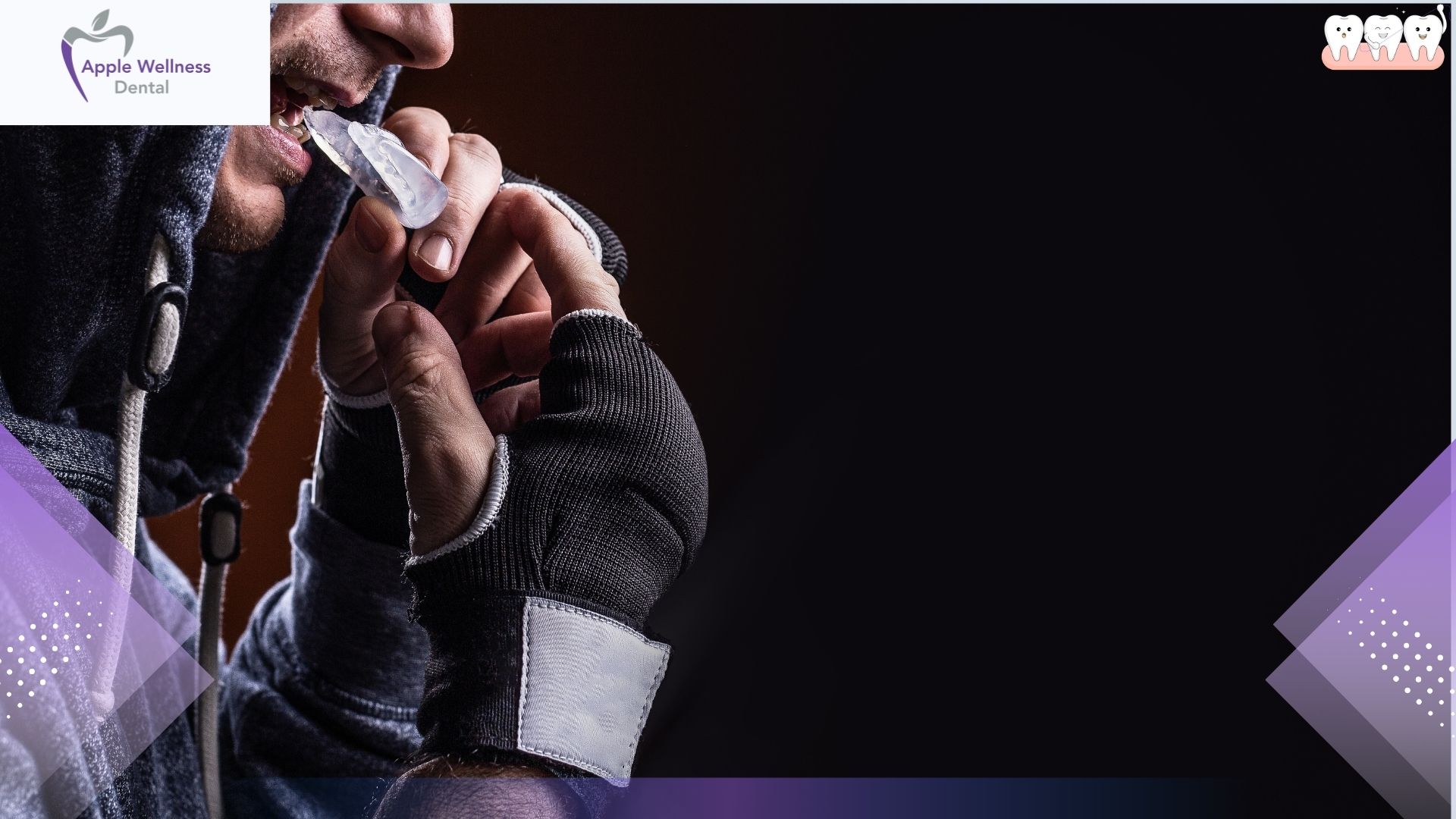
Combat sports including boxing, mixed martial arts, wrestling, and martial arts disciplines universally recognize the necessity of oral protection. These activities involve deliberate contact to the head and face, making mouthguards not just recommended but required equipment for sanctioned competition. The intensity and direct nature of contact in these sports leaves no room for compromise when it comes to protective gear selection and quality.
Field sports such as lacrosse, field hockey, and soccer present unique challenges due to their combination of equipment use, player contact, and ball or puck movement at high velocities. While some of these sports mandate mouthguard use at certain levels, others maintain voluntary guidelines that often result in inconsistent protection among participants. The outdoor nature of many field sports also introduces environmental factors that can increase injury risk, such as uneven playing surfaces and weather conditions.
High-Contact Sports with Mandatory Requirements
For additional context, see our in-depth resource.
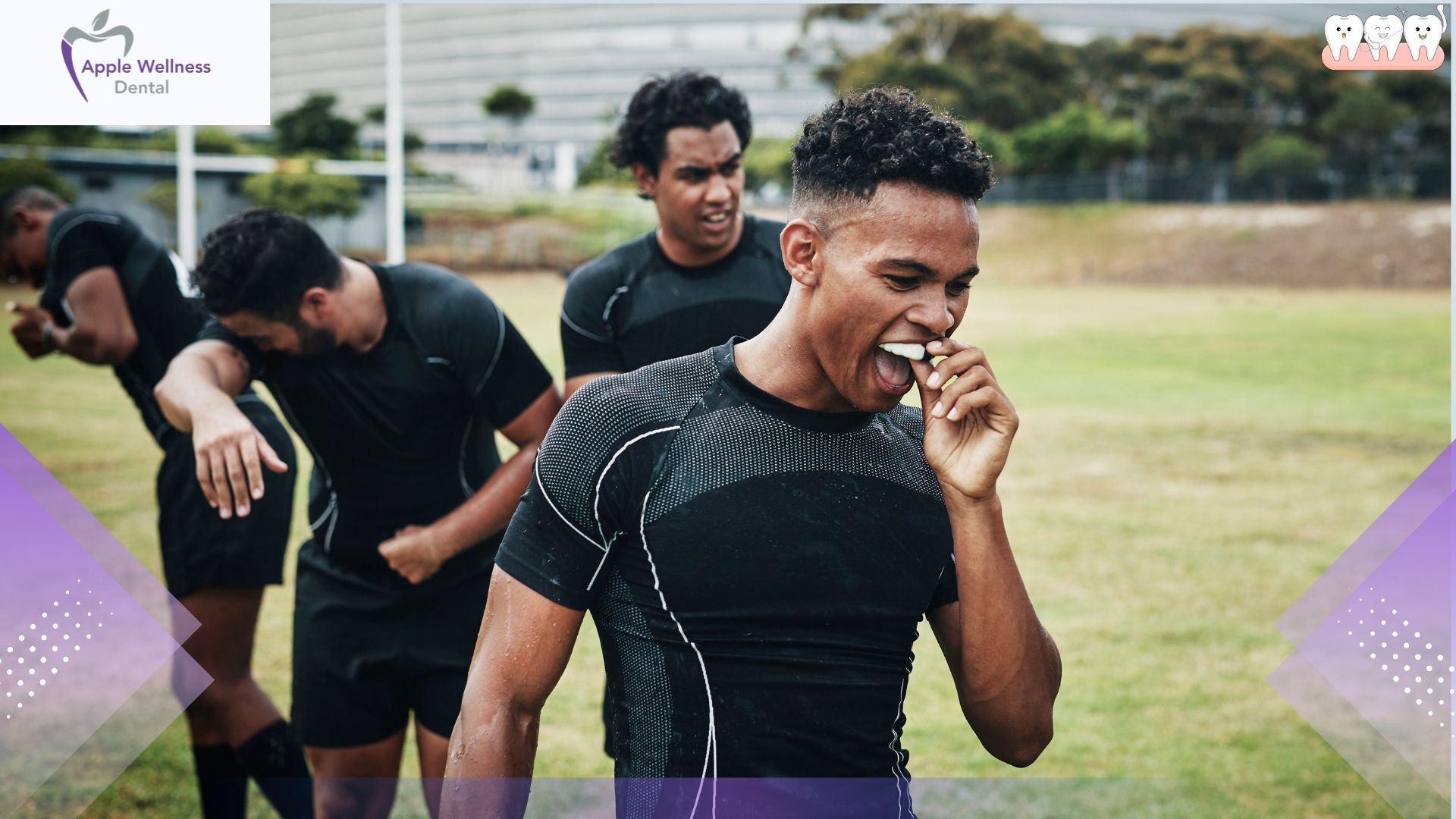
Football stands as the quintessential example of a sport where custom mouthguards have become not just recommended but essential equipment for safe participation. The National Football League, college programs, and high school associations across the country have implemented strict mouthguard requirements, recognizing the sport’s inherent risks from high-velocity collisions, helmet contact, and the general physicality that defines the game. The statistics surrounding football-related dental injuries paint a clear picture of why protection is non-negotiable, with studies indicating that players without proper mouthguards face injury rates nearly 60 times higher than those with adequate protection.
Ice hockey represents another sport where mouthguard requirements have evolved from recommendations to mandates across most competitive levels. The combination of high-speed skating, hard ice surfaces, wooden or composite sticks, and rubber pucks traveling at speeds exceeding 100 miles per hour creates an environment where facial injuries are not just possible but probable without proper protection. Professional hockey organizations have documented significant reductions in dental trauma following the implementation of mandatory mouthguard policies, providing concrete evidence of their effectiveness in real-world competitive situations.
Lacrosse, often called “the fastest game on two feet,” combines elements that make mouthguard protection absolutely essential for participant safety. The sport involves hard rubber balls traveling at extreme velocities, wooden or composite sticks used in close proximity to players’ faces, and regular body contact that can result in accidental collisions. Men’s and women’s lacrosse present different risk profiles, but both versions of the sport have recognized the necessity of oral protection through mandatory mouthguard requirements at most competitive levels.
Boxing and mixed martial arts represent the most obvious examples of sports requiring comprehensive oral protection due to their fundamental nature involving deliberate contact to the head and face. Professional boxing organizations worldwide mandate custom mouthguard use, recognizing that the forces generated by trained fighters can easily cause catastrophic dental damage without proper protection. The custom fit becomes even more critical in these sports, as any interference with breathing or communication can have serious performance and safety implications during competition.
Wrestling, while not involving strikes to the face like boxing, presents unique risks that make mouthguard protection valuable for serious competitors. The sport’s emphasis on leverage, throws, and ground control can result in accidental contact between participants’ heads, knees, or elbows and opponents’ faces. Additionally, the intense physical exertion and close contact nature of wrestling can lead to situations where athletes inadvertently bite their tongues or cheeks without proper oral protection. For those dealing with existing dental issues, our detailed information on this topic can provide valuable guidance on managing oral health during athletic participation.
Court and Field Sports with Elevated Risk
For additional context, see expert insights in this article.
Basketball has emerged as one of the leading causes of sports-related dental injuries, despite the sport’s relatively non-contact classification and the absence of mandatory mouthguard requirements in most leagues and organizations. The combination of fast-paced play, jumping, and close player proximity creates numerous opportunities for accidental contact between players’ elbows, heads, and faces. Research conducted by dental trauma specialists indicates that basketball accounts for a disproportionate number of emergency dental visits, particularly among youth athletes who may be less aware of spatial positioning and collision avoidance techniques.
The nature of basketball injuries often involves sudden, unexpected contact that gives players no opportunity to prepare or protect themselves. Common scenarios include players colliding while pursuing rebounds, accidental elbow contact during defensive plays, and falls that result in facial contact with the court surface or other players. The hardwood playing surface adds another dimension of risk, as falls can result in significant impact forces that easily overcome the protective capacity of natural jaw muscles and soft tissues.
Volleyball presents unique risks that many participants and coaches underestimate, largely due to the sport’s non-contact nature and emphasis on skill over physicality. However, the reality of volleyball competition includes fast-moving balls, net contact, player collisions during pursuit of balls, and diving maneuvers that can result in facial contact with the court surface. Beach volleyball adds additional complexity with sand surfaces that can cause different types of facial injuries and environmental factors that may increase injury risk.
Tennis, racquetball, and squash represent racquet sports where high-velocity balls and equipment create significant potential for facial trauma. Tennis balls traveling at professional speeds can easily cause dental damage upon facial contact, while racquetball and squash present even greater risks due to their enclosed playing environments and harder ball compositions. The confined spaces of racquetball and squash courts also increase the likelihood of player-to-player contact and ball-to-face contact due to rapid direction changes and close proximity play.
Soccer, known as football in most of the world, involves regular head contact with balls, potential player collisions, and goalkeeper-specific risks that make oral protection valuable for serious participants. While field players face moderate risk levels, goalkeepers encounter significantly elevated danger due to their role in stopping high-velocity shots and their frequent contact with both balls and other players in the goal area. The sport’s global popularity and year-round participation make understanding protection options particularly important for families with young soccer enthusiasts. Parents seeking guidance on youth dental care can find our comprehensive guide helpful for understanding how sports participation affects developing teeth and oral health.
Individual and Combat Sports Protection Standards
For additional context, see step-by-step instructions.
Individual combat sports maintain the most stringent and universally accepted standards for mouthguard protection, largely due to the deliberate nature of contact and the severe consequences of inadequate protection. Boxing organizations worldwide have established comprehensive requirements that mandate not only mouthguard use but specific standards for construction, fit, and replacement intervals. Professional boxing commissions typically require custom-fitted mouthguards that meet strict specifications for thickness, coverage area, and material composition, recognizing that generic protection simply cannot provide adequate safety for elite-level competition.
Mixed martial arts has rapidly evolved its safety standards as the sport has gained mainstream acceptance and professional recognition. The Ultimate Fighting Championship and other major organizations now require custom mouthguards for all competitors, with specific regulations governing design, color, and replacement protocols. The multi-disciplinary nature of MMA, combining striking, grappling, and ground fighting, creates unique challenges for mouthguard design that must accommodate various fighting positions while maintaining optimal protection throughout different phases of competition.
Traditional martial arts disciplines including karate, taekwondo, judo, and Brazilian jiu-jitsu have varying approaches to mouthguard requirements depending on the specific style, competition level, and organizational affiliation. Full-contact karate and taekwondo competitions universally require mouthguards, while non-contact or light-contact variations may have more flexible requirements. The philosophical approaches of different martial arts schools also influence protection standards, with some emphasizing traditional training methods while others prioritize modern safety protocols.
Wrestling presents unique considerations for mouthguard use due to the sport’s emphasis on breathing control, communication with coaches, and the potential for equipment to become dislodged during intense grappling exchanges. While not universally required, many wrestling programs strongly recommend mouthguard use, particularly for athletes with existing dental work or those who have previously experienced oral injuries. The custom fit becomes especially important in wrestling to ensure the mouthguard remains secure during rapid position changes and high-intensity physical exertion.
Gymnastics and cheerleading represent individual sports where mouthguard use varies significantly based on specific activities and skill levels. Competitive gymnastics involving high-level tumbling, dismounts, and apparatus work can benefit from mouthguard protection, particularly for athletes learning new skills or competing at elite levels where the consequences of falls are more severe. Cheerleading, especially competitive cheerleading involving stunts, pyramids, and tumbling, has seen increasing acceptance of mouthguard use as the sport has evolved toward more athletic and acrobatic elements. Athletes in these sports who experience dental emergencies can benefit from learning proper management techniques while seeking professional care.
Youth Sports and Developmental Considerations
Youth athletics present unique challenges and considerations when determining appropriate mouthguard protection, as developing teeth, jaws, and coordination levels create different risk profiles compared to adult participants. Children and adolescents face higher injury rates in most sports due to factors including developing motor skills, size mismatches between players, and less developed awareness of spatial relationships and collision avoidance. These factors combine to make protective equipment selection even more critical for young athletes, while also creating specific requirements for fit, comfort, and accommodation of changing dental structures.
The developmental nature of children’s dentition requires special consideration when selecting and fitting custom mouthguards. Young athletes typically experience regular tooth loss, eruption of permanent teeth, and orthodontic treatment that can significantly alter their oral anatomy over short periods. This reality necessitates more frequent mouthguard replacement and adjustment compared to adult athletes, while also requiring dental professionals who understand the unique needs of developing dental structures and can anticipate future changes when designing protective appliances.
Orthodontic considerations add another layer of complexity to youth mouthguard selection, as traditional braces, clear aligners, and other corrective appliances create additional protection needs while also affecting mouthguard fit and design. Athletes wearing braces face increased risk of soft tissue injury from metal brackets and wires during sports participation, making properly fitted mouthguards essential rather than optional. The combination of orthodontic appliances and sports participation requires coordination between orthodontists, general dentists, and sports medicine professionals to ensure optimal protection throughout treatment periods.
Parental education plays a crucial role in youth sports safety, as many parents lack awareness of injury risks and protection options available for their children. Understanding the long-term consequences of dental trauma, including the potential need for lifetime dental care and associated costs, helps families make informed decisions about protective equipment investments. The relatively modest cost of custom mouthguards becomes even more justified when considering the developing nature of children’s teeth and the decades of potential complications that can result from early traumatic injuries.
School and league policies regarding youth mouthguard use vary significantly across different regions, sports, and age groups, creating inconsistency in protection standards that can confuse parents and athletes. Some school districts have implemented comprehensive mouthguard requirements across multiple sports, while others maintain sport-specific policies or leave decisions to individual coaches and programs. This variation in requirements often results in inadequate protection for young athletes who would benefit from consistent safety standards across all their athletic activities. Families seeking guidance on establishing proper dental care routines for young athletes can find valuable information about maintaining oral health during active sports participation.
Professional vs. Amateur Requirements and Standards
The distinction between professional and amateur mouthguard requirements reflects the different risk tolerances, resources, and organizational structures that exist across various levels of athletic competition. Professional sports organizations typically maintain the most stringent safety standards, driven by factors including liability concerns, player union negotiations, insurance requirements, and the significant financial investments involved in elite athlete development. These comprehensive requirements often serve as models for amateur organizations, though implementation timelines and enforcement mechanisms may vary significantly based on available resources and organizational priorities.
Professional football leagues worldwide have established detailed mouthguard specifications that go far beyond simple “required” designations, including specific standards for materials, thickness, coverage areas, and replacement intervals. The National Football League’s requirements include provisions for custom fitting by qualified dental professionals, regular inspection protocols, and penalties for non-compliance that can affect both individual players and team organizations. These comprehensive standards reflect the league’s recognition that inadequate protection can result in career-ending injuries and significant financial consequences for all parties involved.
Amateur sports organizations face different challenges when implementing mouthguard requirements, including cost considerations for participants, availability of qualified fitting professionals, and enforcement mechanisms that may be limited by volunteer-based administrative structures. High school athletic associations have generally led the way in implementing comprehensive protection standards, often mandating mouthguard use in sports where professional organizations maintain similar requirements. However, recreational leagues and club sports may have more variable standards that depend on local leadership, insurance requirements, and participant demographics.
International competition adds another layer of complexity to mouthguard requirements, as different countries and governing bodies may maintain varying standards for similar sports. Olympic sports typically follow international federation guidelines that may differ from domestic professional league requirements, creating situations where elite athletes must adapt their protective equipment based on specific competition rules. These variations can affect athlete preparation, equipment costs, and performance optimization strategies for competitors who participate in multiple venues and organizational structures.
The evolution of professional standards often drives improvements in amateur requirements, as research conducted at elite levels demonstrates the effectiveness of enhanced protection protocols. Professional sports investments in injury prevention research, equipment development, and safety protocol refinement typically filter down to amateur levels over time, though implementation may be delayed by cost considerations and organizational inertia. This trickle-down effect has resulted in steadily improving safety standards across all levels of athletic participation, though gaps between professional and amateur protection levels continue to exist in many sports.
Apple Wellness Dental’s Commitment to Athletic Safety
Apple Wellness Dental recognizes the critical importance of sports safety and oral protection for athletes of all ages and skill levels participating in Airdrie’s vibrant athletic community. Our comprehensive approach to athletic dental care combines advanced custom mouthguard fabrication with educational initiatives designed to help athletes, parents, and coaches understand the importance of proper oral protection. We work closely with local sports organizations, schools, and athletic programs to ensure that participants have access to the highest quality protective equipment and the knowledge necessary to make informed safety decisions.
Our custom mouthguard services utilize the latest digital impression technology and advanced materials to create protective appliances that offer superior comfort, protection, and performance compared to over-the-counter alternatives. Each mouthguard is individually designed and fabricated to match the unique dental anatomy of the wearer, ensuring optimal fit, retention, and protection while allowing for clear communication and unrestricted breathing during athletic activities. We understand that comfort and performance are essential factors in compliance, and our custom approach addresses these concerns while maximizing protective benefits.
The team at Apple Wellness Dental maintains extensive experience in sports dentistry and understands the specific requirements of different athletic activities. We work with athletes to select appropriate mouthguard designs based on their sport participation, position-specific risks, and individual dental considerations including orthodontic appliances, previous dental work, and developing dentition in younger athletes. Our consultation process includes comprehensive risk assessment, detailed fitting procedures, and follow-up care to ensure continued protection throughout athletic seasons and career progression.
Educational outreach represents a cornerstone of our athletic safety initiatives, as we believe that informed athletes and families make better decisions about protective equipment and oral health maintenance. We regularly participate in community sports safety events, provide educational materials to local athletic programs, and offer consultation services to coaches and athletic directors seeking to implement comprehensive safety protocols. Our goal extends beyond simply providing mouthguards to creating a culture of safety awareness that protects athletes throughout their competitive careers and beyond.
Frequently Asked Questions
What sports absolutely require custom mouthguards for participation?
Football, ice hockey, lacrosse, boxing, and mixed martial arts universally require mouthguards for sanctioned competition, with most organizations specifically mandating custom-fitted options for optimal protection. These sports involve high levels of contact, equipment use, or deliberate striking that make oral protection essential for safe participation.
How often should custom mouthguards be replaced for active athletes?
Custom mouthguards should typically be replaced annually for adult athletes or whenever significant dental changes occur, such as new dental work or orthodontic adjustments. Youth athletes may require more frequent replacement due to developing dentition and growth changes that affect fit and protection levels.
Can athletes wear the same custom mouthguard for multiple sports?
While a well-fitted custom mouthguard can provide adequate protection across multiple sports, optimal safety may require sport-specific designs that account for different risk levels, communication needs, and performance requirements. Consultation with a sports dentistry professional can help determine the best approach for multi-sport athletes.
What should athletes do if they experience dental trauma despite wearing a mouthguard?
Immediate dental evaluation is essential following any significant oral trauma, even when wearing protective equipment. Athletes should preserve any displaced teeth in milk or saline solution and seek emergency dental care promptly to maximize treatment options and outcomes. Our related article provides comprehensive guidance for managing dental emergencies before professional care is available.
Are there specific mouthguard requirements for athletes with braces or other orthodontic appliances?
Athletes with orthodontic appliances require specialized mouthguard designs that accommodate brackets, wires, and other hardware while providing enhanced protection against soft tissue injury. Custom fabrication becomes even more important for orthodontic patients to ensure proper fit and adequate protection throughout treatment periods.
How do custom mouthguards compare to over-the-counter options in terms of protection and performance?
Custom mouthguards offer significantly superior protection, comfort, and performance compared to generic alternatives due to their precise fit, optimal material thickness, and professional design. The improved retention and comfort of custom options also result in better compliance and more consistent protection during athletic activities.
What factors should parents consider when deciding about mouthguard protection for young athletes?
Parents should evaluate their child’s sport participation, competition level, injury history, and developmental dental status when making protection decisions. The long-term costs associated with dental trauma often far exceed the investment in quality protective equipment, making custom mouthguards a wise financial and health decision for active youth. Additional information about pediatric dental care considerations can help families understand the broader context of oral health during athletic participation.
Can custom mouthguards help prevent concussions in addition to dental injuries?
While mouthguards primarily protect against dental and oral injuries, some research suggests they may provide modest concussion reduction benefits by helping to stabilize the jaw and potentially reducing force transmission to the brain. However, mouthguards should not be considered primary concussion prevention devices, and athletes should rely on sport-specific helmets and other protective equipment for head injury prevention.
Conclusion
Understanding what sports require custom mouthguards represents a fundamental aspect of comprehensive athletic safety planning that extends far beyond simple equipment selection. The evidence overwhelmingly demonstrates that custom-fitted oral protection provides superior safety, comfort, and performance benefits compared to generic alternatives, while the long-term costs associated with dental trauma far exceed the modest investment in quality protective equipment. As sports participation continues to grow across all age groups and competition levels, the importance of proper oral protection becomes increasingly critical for maintaining both immediate safety and long-term oral health.
The evolution of mouthguard requirements across different sports reflects growing awareness of injury prevention principles and the accumulation of research demonstrating the effectiveness of proper protection. From mandatory requirements in high-contact sports like football and hockey to emerging recognition of risks in traditionally lower-contact activities like basketball and soccer, the trend clearly favors increased protection standards across the athletic spectrum. This progression suggests that current voluntary guidelines may become mandatory requirements as organizations prioritize participant safety and liability reduction.
For athletes, parents, and coaches, the decision to invest in custom mouthguard protection should be viewed as an essential component of comprehensive safety planning rather than an optional accessory. The combination of superior protection, enhanced comfort, and improved performance makes custom mouthguards the clear choice for serious athletes who want to maximize their safety while maintaining optimal performance levels. As our understanding of sports-related injuries continues to evolve, the role of quality protective equipment in preventing both immediate trauma and long-term complications becomes increasingly apparent.
Apple Wellness Dental remains committed to supporting Airdrie’s athletic community through comprehensive sports dentistry services, educational initiatives, and ongoing advocacy for improved safety standards across all levels of competition. By working together with athletes, families, coaches, and sports organizations, we can create an environment where participation in athletic activities is both safe and rewarding, allowing individuals to pursue their athletic goals while protecting their long-term oral health and overall well-being.