
What Sports Require Custom Mouthguards in Airdrie Areas
When it comes to protecting your teeth during athletic activities, understanding what sports require custom mouthguards in Airdrie is essential for maintaining optimal oral health. Custom mouthguards represent a critical investment in dental protection that can prevent thousands of dollars in emergency dental treatments and preserve your natural smile for years to come.
In Airdrie’s vibrant sports community, athletes of all ages participate in various activities that pose different levels of risk to their oral health. From the ice rinks where hockey players battle for the puck to the football fields where contact is inevitable, dental injuries remain one of the most common sports-related injuries that can be effectively prevented with proper protection.
The distinction between generic store-bought mouthguards and professionally fitted custom options becomes particularly important when considering the unique demands of different sports. While over-the-counter alternatives might seem convenient and cost-effective, they often fail to provide adequate protection during high-impact activities, potentially leaving athletes vulnerable to serious dental trauma.
Custom mouthguards offer superior protection because they’re specifically designed to fit the unique contours of an individual’s mouth, providing optimal coverage while maintaining comfort and breathing efficiency. This personalized approach ensures that athletes can focus on their performance without worrying about their mouthguard slipping, causing discomfort, or interfering with communication during critical moments.
For families in Airdrie, the decision to invest in custom mouthguards often depends on understanding which sports present the highest risk for dental injuries and how different activities require varying levels of protection. This comprehensive guide will help you make informed decisions about dental protection for yourself or your young athletes, ensuring that sports participation remains safe and enjoyable.
Key Takeaways
For additional context, see this comprehensive guide.
- High-Contact Sports Require Mandatory Protection: Hockey, football, boxing, and martial arts present the highest risk for dental injuries, making custom mouthguards essential rather than optional equipment for these activities.
- Custom Fit Provides Superior Protection: Professionally fitted mouthguards offer significantly better protection than store-bought alternatives, reducing the risk of tooth loss, fractures, and soft tissue injuries by up to 60 times.
- Multiple Sports Benefit from Protection: Beyond obvious contact sports, activities like basketball, soccer, baseball, and even some individual sports can benefit from custom mouthguard protection due to unexpected contact or equipment-related injuries.
- Age-Specific Considerations Matter: Young athletes with developing teeth and mixed dentition require special attention when fitting custom mouthguards, as their oral structures continue to change throughout their athletic careers.
- Professional Assessment Determines Necessity: A qualified dental professional can evaluate individual risk factors, sport-specific requirements, and personal oral health needs to recommend the most appropriate level of protection.
- Investment Prevents Costly Treatments: The cost of custom mouthguards represents a fraction of potential emergency dental treatments, root canals, implants, or reconstructive procedures that may result from sports-related dental trauma.
- Performance Enhancement Benefits: Beyond protection, properly fitted custom mouthguards can improve athletic performance by reducing jaw tension, improving breathing efficiency, and allowing better focus during competition.
Understanding Sports-Related Dental Injuries in Airdrie
For additional context, see detailed information on this topic.
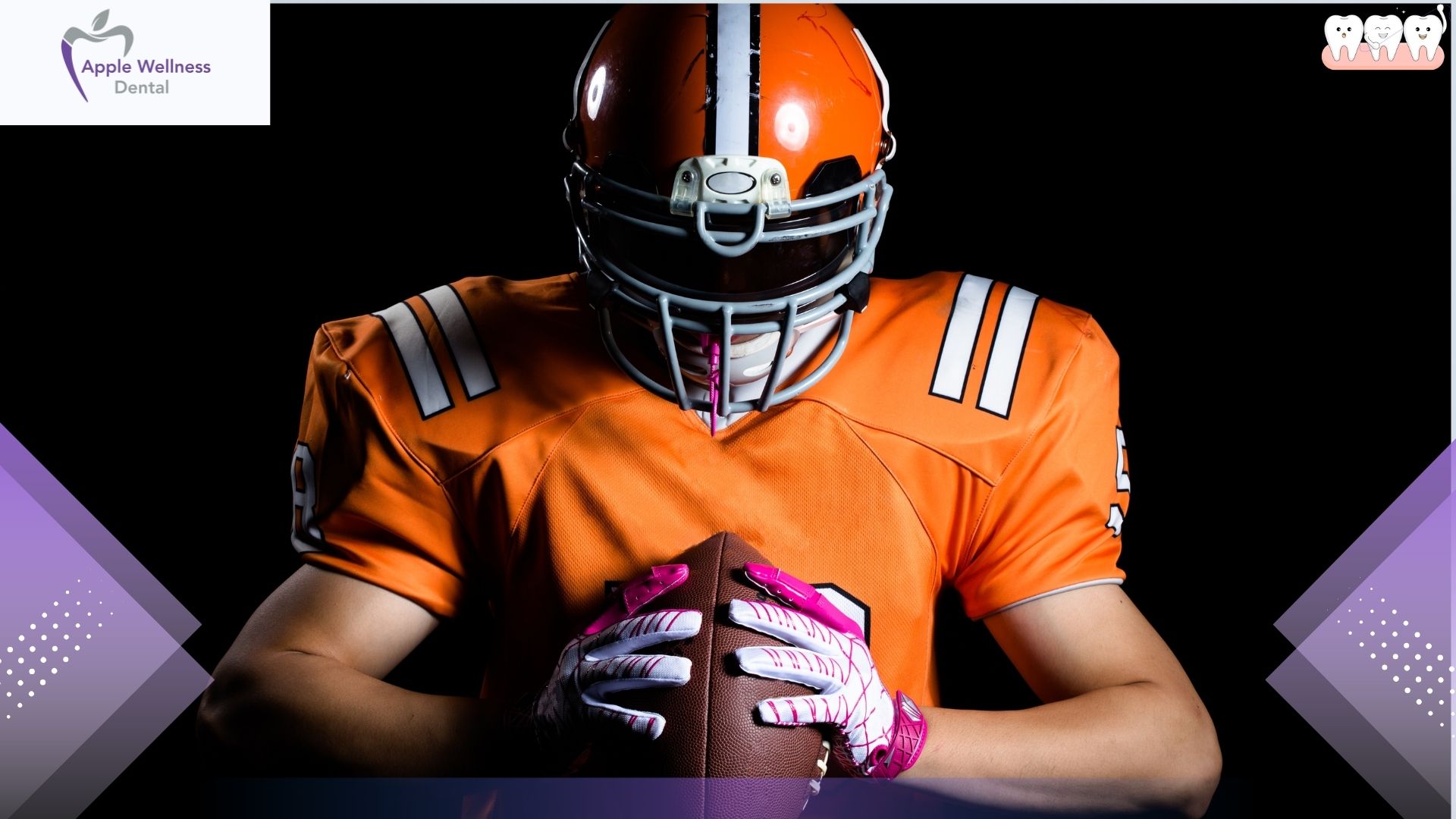
Sports-related dental injuries represent a significant concern for athletes across all age groups in Airdrie, with research indicating that participants in organized sports face a 10% chance of experiencing orofacial injuries during their athletic careers. These injuries can range from minor chips and cracks to complete tooth avulsion, jaw fractures, and severe soft tissue damage that requires immediate emergency intervention.
The mechanism of dental injuries in sports typically involves direct impact from equipment, contact with other players, or falls onto hard surfaces. In hockey, for example, pucks traveling at speeds exceeding 100 mph can cause devastating dental trauma, while football players face risks from helmet-to-helmet contact and unexpected collisions during plays.
Understanding the anatomy of dental injuries helps explain why custom protection becomes so critical for certain activities. The upper front teeth, particularly the central incisors, remain most vulnerable to sports-related trauma due to their prominent position and exposure during impact. However, custom mouthguards distribute forces across the entire dental arch, significantly reducing the likelihood of concentrated damage to individual teeth.
Emergency dental situations often arise from sports injuries, and knowing how to respond appropriately can make the difference between saving and losing a tooth. Athletes and parents should be prepared to seek immediate professional care when dental trauma occurs, as prompt treatment significantly improves outcomes for injured teeth.
High-Risk Contact Sports Requiring Custom Mouthguards
For additional context, see our in-depth resource.
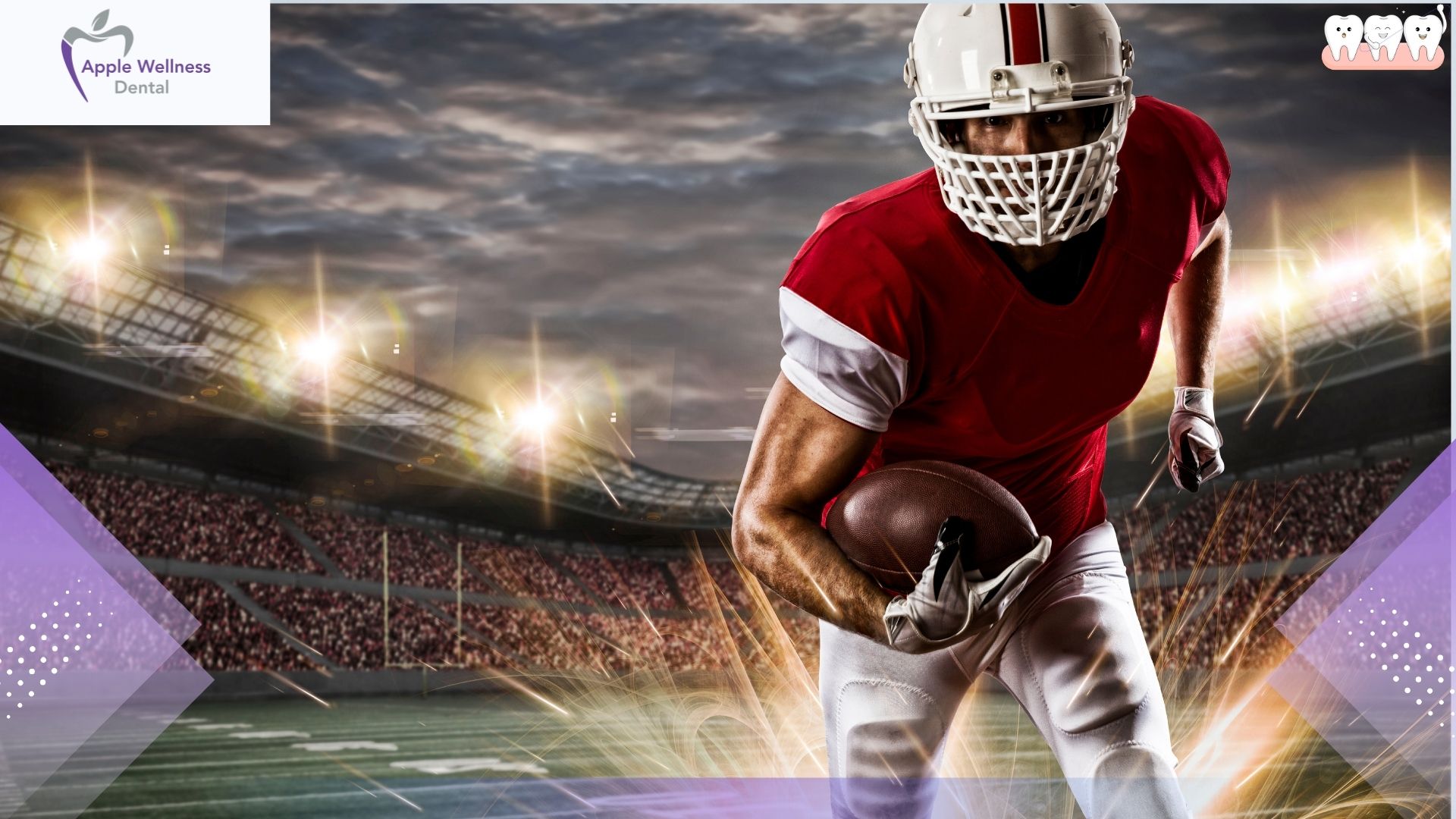
Certain sports present such significant risks for dental injuries that custom mouthguards should be considered mandatory equipment rather than optional protection. These high-risk activities involve regular physical contact between players, high-speed equipment, or situations where falls and collisions occur frequently throughout competition.
Hockey stands as perhaps the most obvious example of a sport requiring comprehensive dental protection. The combination of high-speed skating, flying pucks, and physical contact creates an environment where dental injuries occur regularly. Professional hockey players universally wear mouthguards, and this protection should extend to all levels of play, from youth leagues through adult recreational hockey in Airdrie’s numerous ice facilities.
Football presents another clear case for mandatory custom mouthguard use, with the sport’s inherent contact nature creating numerous opportunities for dental trauma. Despite wearing helmets, football players frequently experience impacts that can drive the jaw upward, causing teeth to clash together or creating situations where the lower jaw impacts the face mask or helmet interior.
Boxing and martial arts represent perhaps the highest risk categories for facial and dental injuries, given that these sports specifically involve striking the head and face area. Custom mouthguards in these disciplines serve dual purposes: protecting teeth from direct impact and potentially reducing the risk of concussions by helping to stabilize the jaw during impacts.
Wrestling, while not involving strikes to the head, creates significant opportunities for dental injuries through accidental contact between opponents, falls to the mat, or situations where knees and elbows make contact with the face during grappling exchanges. The close-contact nature of wrestling makes custom mouthguards particularly valuable for preventing both dental injuries and cuts to the lips and tongue.
Lacrosse combines many risk factors from other sports, including high-speed ball movement, stick contact, and physical player interaction. Both field lacrosse and box lacrosse present significant dental injury risks, making custom mouthguards essential equipment for participants at all competitive levels.
Moderate-Risk Sports Where Custom Protection Provides Significant Benefits
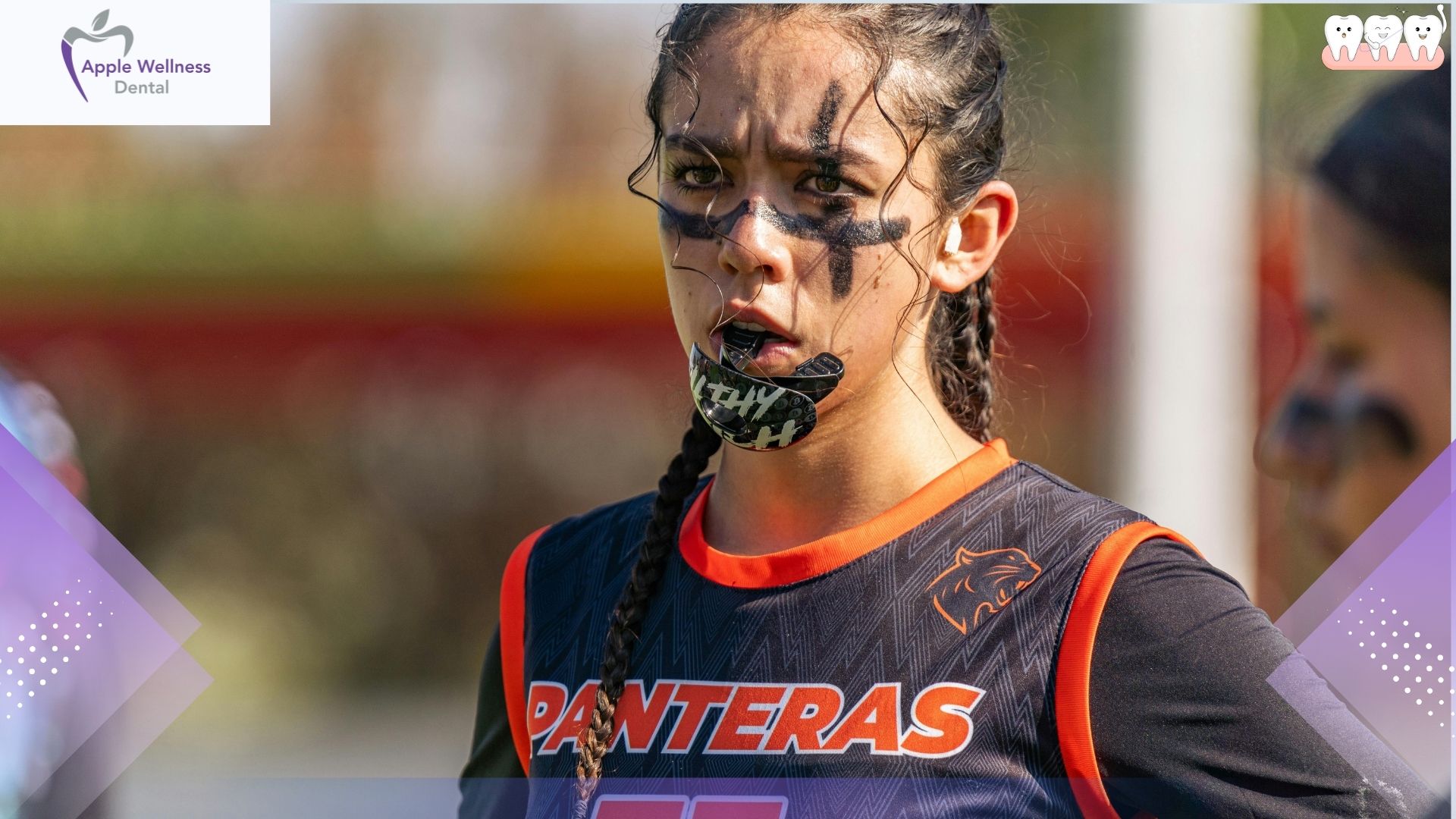
While some sports may not require mandatory mouthguard use, numerous activities present moderate risks that make custom protection a wise investment for serious athletes. These sports typically involve occasional contact, fast-moving equipment, or situations where unexpected collisions can occur despite the activity’s generally non-contact nature.
Basketball exemplifies a moderate-risk sport where dental injuries occur more frequently than many people realize. Despite being classified as a non-contact sport, basketball involves significant physical interaction, with elbows, shoulders, and heads frequently coming into contact during rebounds, defensive plays, and drives to the basket. The hard basketball itself can also cause dental trauma when players attempt to catch errant passes or when the ball deflects unexpectedly.
Soccer presents unique challenges for dental protection, as the sport prohibits hand use while encouraging players to use their heads for ball control and scoring. Headers can sometimes result in player-to-player contact, and goalkeepers face particular risks when diving for saves or defending against close-range shots. The increasing physicality of modern soccer has led many dental professionals to recommend mouthguard protection for serious players.
Baseball and softball create dental injury risks through several mechanisms, including wild pitches, batted balls, and collisions during base running or fielding plays. Catchers face particular risks due to their proximity to the batter and the potential for foul tips to deflect toward their face, despite wearing protective masks.
Field hockey combines stick use with fast-paced play, creating opportunities for both intentional and accidental contact that can result in dental injuries. The hard ball used in field hockey can cause significant trauma when struck at high speeds, and the sticks themselves present additional risks during competitive play.
Volleyball, while generally considered low-contact, can produce dental injuries when players collide while pursuing the ball or when defensive plays result in contact with the floor or net posts. Beach volleyball presents additional risks due to the harder playing surface and outdoor environmental factors that can affect visibility and reaction times.
For young athletes participating in these moderate-risk sports, parents should consider consulting with dental professionals who can provide specialized pediatric expertise in determining appropriate protection levels based on individual circumstances and competitive levels.
Individual and Low-Contact Sports Considerations
Even sports traditionally considered low-risk or individual activities can benefit from custom mouthguard protection under certain circumstances. These situations often depend on the specific competitive level, environmental factors, and individual athlete characteristics that may increase injury risk beyond typical expectations for the sport.
Cycling, particularly mountain biking and BMX, presents significant dental injury risks despite being an individual sport. Falls from bicycles can result in direct facial impact with the ground, handlebars, or other environmental obstacles. Professional and serious recreational cyclists increasingly use custom mouthguards as part of their protective equipment, especially when participating in high-speed or technical riding disciplines.
Skateboarding and snowboarding share similar risk profiles, with falls and crashes being inherent parts of the learning process and even advanced participation. The hard surfaces and equipment involved in these sports can cause severe dental trauma when falls occur, making mouthguard protection valuable for participants pushing their limits or learning new techniques.
Gymnastics presents unique considerations for dental protection, as athletes regularly perform inverted movements and complex skills that could result in falls or equipment contact with the face. While gymnastics injuries more commonly affect other body parts, the potential for dental trauma exists, particularly during dismount phases or when learning new skills.
Track and field events generally present low dental injury risks, but certain disciplines like pole vaulting or high jumping involve potential falls that could affect the face and mouth area. Distance running rarely requires dental protection, but sprint events with close competitor proximity might benefit from mouthguard use in some circumstances.
Swimming and diving typically don’t require mouthguards during training or competition, but water polo combines swimming with significant physical contact, making it a sport where custom protection becomes highly recommended. The aquatic environment can make dental injuries particularly challenging to manage, emphasizing the importance of prevention.
Tennis and other racquet sports present moderate risks through several mechanisms, including ball impact, racquet contact during swings, and potential player collisions in doubles play. Professional tennis players occasionally suffer dental injuries from high-speed ball impacts, and recreational players may face similar risks during competitive play.
Age-Specific Requirements and Pediatric Considerations
The decision regarding custom mouthguard protection becomes particularly complex when considering young athletes, as their developing oral structures, changing dentition, and evolving athletic abilities create unique considerations that differ significantly from adult protection needs.
Children and teenagers experience continuous dental development throughout their athletic careers, with primary teeth giving way to permanent ones and facial structures growing and changing regularly. This dynamic environment requires specialized approaches to mouthguard fitting and replacement schedules that account for these developmental changes while maintaining optimal protection levels.
The timing of mouthguard fitting becomes crucial for young athletes, as premature fitting may result in poor protection due to rapid oral changes, while delayed fitting may leave children vulnerable during critical developmental periods. Dental professionals typically recommend initial consultations around age 6-8 for children participating in high-risk sports, with regular follow-ups to assess developmental changes and protection needs.
Young athletes often struggle with mouthguard compliance due to comfort issues, breathing difficulties, or communication challenges that can affect their athletic performance and enjoyment. Custom-fitted options address many of these concerns by providing superior comfort and fit compared to generic alternatives, improving the likelihood that young athletes will consistently wear their protection.
Parents should understand that regular dental monitoring becomes even more important for young athletes, as sports participation can accelerate wear patterns and create additional oral health considerations that require professional oversight.
The psychological aspects of dental protection also play important roles in pediatric sports participation. Young athletes who experience dental injuries may develop anxiety or reluctance to participate fully in their chosen sports, while those who feel adequately protected often display greater confidence and willingness to engage competitively.
Educational components become essential when introducing young athletes to custom mouthguard use, as children need to understand proper care, cleaning, and storage procedures to maintain their protection equipment effectively. Parents and coaches should work together to establish routines that make mouthguard use automatic and natural for young participants.
Insurance considerations may also affect decisions regarding custom mouthguards for young athletes, as some dental insurance plans provide coverage for preventive sports protection, particularly when recommended by dental professionals for high-risk activities.
Professional Assessment and Custom Fitting Process
The process of obtaining custom mouthguards involves comprehensive professional assessment that goes far beyond simply taking impressions of the teeth. Qualified dental professionals evaluate multiple factors to determine the most appropriate protection strategy for each individual athlete’s needs and circumstances.
Initial consultations typically include detailed discussions about the specific sports involved, competitive levels, frequency of participation, and any previous dental injuries or concerns. This information helps dental professionals understand the risk profile and protection requirements for each individual case, allowing for personalized recommendations that address specific needs.
The clinical examination phase involves thorough evaluation of existing dental work, bite relationships, jaw alignment, and overall oral health status. Athletes with existing dental restorations, orthodontic appliances, or structural abnormalities may require specialized mouthguard designs that accommodate these factors while providing optimal protection.
Impression-taking procedures for custom mouthguards utilize advanced materials and techniques that capture precise details of the oral structures, ensuring that the final product fits accurately and comfortably. Modern digital scanning technologies are increasingly replacing traditional impression materials, providing more comfortable experiences for patients while improving accuracy and fit quality.
The fabrication process involves multiple steps where dental technicians create mouthguards using specialized materials designed for sports protection. These materials must balance durability, comfort, and protective capabilities while maintaining appropriate thickness and coverage areas for the intended sport and risk level.
Fitting appointments allow for final adjustments and modifications to ensure optimal comfort and protection. During these visits, dental professionals evaluate the fit, make necessary adjustments, and provide detailed instructions for proper use, care, and maintenance of the custom mouthguard.
Follow-up care includes regular evaluations to assess wear patterns, fit changes due to dental development or treatment, and overall condition of the mouthguard. Athletes should expect periodic replacement of their custom protection as oral structures change or as the mouthguard materials show signs of wear that could compromise protective effectiveness.
At Apple Wellness Dental, our experienced team understands the unique protection needs of Airdrie’s athletic community and provides comprehensive custom mouthguard services that prioritize both safety and performance for athletes of all ages and competitive levels.
Frequently Asked Questions
How long do custom mouthguards typically last for active athletes?
Custom mouthguards typically last 1-3 years for adult athletes, depending on the frequency of use, sport intensity, and individual wear patterns. Young athletes may need replacements more frequently due to dental development and growth changes that affect fit and protection effectiveness.
Can I wear a custom mouthguard if I have braces or other orthodontic appliances?
Yes, custom mouthguards can be specially designed to accommodate braces and other orthodontic appliances. In fact, orthodontic patients often face increased injury risks that make custom protection even more important, and specialized designs can protect both teeth and orthodontic hardware.
What’s the difference between single-arch and dual-arch custom mouthguards?
Single-arch mouthguards cover either upper or lower teeth (usually upper), while dual-arch versions protect both. The choice depends on sport requirements, individual bite characteristics, and protection needs, with dental professionals recommending the most appropriate option based on specific circumstances.
How much do custom mouthguards cost compared to store-bought alternatives?
Custom mouthguards typically cost $150-400, while store-bought versions range from $5-30. However, the superior protection, comfort, and durability of custom options often make them more cost-effective long-term, especially considering potential dental injury treatment costs.
Can custom mouthguards help prevent concussions in addition to dental injuries?
While research continues, some studies suggest that properly fitted mouthguards may provide modest concussion protection by helping stabilize the jaw and potentially reducing force transmission to the brain during impacts, though their primary benefit remains dental protection.
How do I properly clean and maintain my custom mouthguard?
Clean custom mouthguards with cool water and mild soap after each use, brush gently with a soft toothbrush, and store in a ventilated container. Avoid hot water, harsh chemicals, or leaving the mouthguard in direct sunlight, which can damage the material and affect fit.
What should I do if my custom mouthguard becomes damaged during sports?
Stop using a damaged mouthguard immediately and contact your dental professional for evaluation. Damaged mouthguards can create sharp edges that injure soft tissues or provide inadequate protection that increases injury risk during continued use.
Are there any sports where mouthguards might actually be dangerous or counterproductive?
Very few sports present situations where mouthguards might be problematic, but activities requiring precise breathing control or those with strangulation risks might need special consideration. Dental professionals can evaluate sport-specific factors to determine appropriate protection strategies for unusual circumstances.
Conclusion
Understanding what sports require custom mouthguards in Airdrie empowers athletes, parents, and coaches to make informed decisions about dental protection that can prevent serious injuries and preserve oral health throughout athletic careers. The investment in custom protection represents a small cost compared to the potential expenses and complications associated with sports-related dental trauma.
The evidence clearly demonstrates that custom mouthguards provide superior protection compared to generic alternatives, offering better fit, comfort, and injury prevention capabilities across a wide range of sports and activities. From high-contact sports like hockey and football to moderate-risk activities like basketball and soccer, custom protection enhances safety while allowing athletes to perform at their best.
For families in Airdrie, the decision to pursue custom mouthguard protection should involve consultation with qualified dental professionals who can assess individual risk factors, sport-specific requirements, and personal oral health needs. This professional guidance ensures that protection strategies align with actual risks and provide optimal benefits for each athlete’s unique circumstances.
As sports participation continues to grow in our community, prioritizing dental protection through custom mouthguards represents a proactive approach to athlete safety that supports long-term oral health and continued sports enjoyment. Whether dealing with existing dental concerns or preventing future problems, custom protection offers peace of mind that allows athletes to focus on performance rather than injury risks.
The comprehensive approach to sports dentistry available through Apple Wellness Dental ensures that Airdrie’s athletic community has access to the expertise and custom protection solutions needed to maintain optimal oral health while pursuing their athletic goals safely and confidently.