
What Qualifies as a Dental Emergency in Airdrie
When dental pain strikes suddenly or an accident damages your teeth, knowing what qualifies as a dental emergency in Airdrie can mean the difference between saving and losing a tooth. Dental emergencies don’t follow a convenient schedule – they often occur during evenings, weekends, or holidays when regular dental offices are closed. Understanding the distinction between urgent dental situations that require immediate attention and those that can wait until your next scheduled appointment is crucial for making informed decisions about your oral health care.
In Airdrie, families face various dental emergencies throughout the year, from sports-related injuries during hockey season to sudden toothaches that develop overnight. The key to managing these situations effectively lies in recognizing the signs that indicate immediate professional intervention is necessary. Some dental issues may seem alarming but can actually be managed at home until you can see your dentist during regular business hours, while others require emergency treatment to prevent permanent damage or serious complications.
The cost of delaying treatment for a true dental emergency often far exceeds the expense of seeking immediate care. What might start as a manageable problem can quickly escalate into a complex issue requiring extensive treatment, multiple appointments, and significantly higher costs. Additionally, untreated dental emergencies can lead to systemic health problems, as oral infections have the potential to spread to other parts of the body.
Apple Wellness Dental understands that dental emergencies cause stress and anxiety for patients and their families. That’s why it’s essential to have a clear understanding of what constitutes a true dental emergency and what steps to take when one occurs. This knowledge empowers you to respond appropriately, potentially saving your teeth and preventing unnecessary complications while managing pain and discomfort effectively.
Emergency dental situations can affect patients of all ages, from toddlers who fall and chip their teeth to adults who experience sudden, severe dental pain. The approach to handling these emergencies may vary depending on the patient’s age, the nature of the injury or problem, and the time of day when the emergency occurs. Having a plan in place before an emergency strikes can help you remain calm and take the appropriate action when every minute counts.
Key Takeaways
For additional context, see this comprehensive guide.
- Severe Pain: Intense, persistent tooth pain that doesn’t respond to over-the-counter pain medications typically indicates a serious problem requiring immediate attention, such as an abscess or severe infection that could spread to other parts of the body.
- Knocked-Out Teeth: A completely avulsed tooth represents one of the most time-sensitive dental emergencies, with the highest chance of successful reimplantation occurring when treatment begins within 30 minutes of the injury.
- Facial Swelling: Significant swelling of the face, jaw, or gums, especially when accompanied by fever, difficulty swallowing, or breathing problems, indicates a serious infection that requires immediate medical intervention.
- Uncontrolled Bleeding: Excessive bleeding from the mouth that cannot be controlled with direct pressure within 15-20 minutes requires emergency treatment, as it may indicate damage to major blood vessels or soft tissues.
- Broken or Cracked Teeth: While not all tooth fractures constitute emergencies, those involving significant pieces of the tooth, exposure of the nerve, or sharp edges that could cause injury to soft tissues require prompt professional attention.
- Lost Fillings or Crowns: Although these situations may not always require emergency treatment, they can become urgent if they result in severe pain, sensitivity, or if the exposed tooth structure is at risk of further damage.
- Soft Tissue Injuries: Cuts, tears, or puncture wounds to the lips, cheeks, tongue, or gums that are deep, won’t stop bleeding, or show signs of infection need immediate professional care to prevent complications and ensure proper healing.
Understanding Dental Emergency Classifications

For additional context, see detailed information on this topic.
Dental emergencies fall into several distinct categories, each requiring different levels of urgency and types of intervention. Understanding these classifications helps patients and their families make informed decisions about when to seek immediate care versus when to wait for regular office hours. The most critical factor in determining emergency status is whether the situation poses an immediate threat to the patient’s oral health, overall health, or quality of life.
Traumatic dental injuries represent one of the most common categories of dental emergencies in Airdrie. These injuries often result from sports activities, motor vehicle accidents, falls, or other physical trauma. The severity of traumatic injuries can range from minor chips or cracks that cause minimal discomfort to complete tooth avulsion or jaw fractures that require immediate emergency room intervention. The key to managing traumatic dental injuries effectively lies in quick assessment and appropriate immediate care.
Infectious dental emergencies pose another significant category of urgent dental situations. Dental infections can develop rapidly and spread to surrounding tissues, potentially becoming life-threatening if left untreated. Signs of serious dental infections include severe swelling, fever, difficulty swallowing or breathing, and intense pain that radiates to the ear, jaw, or neck. These symptoms indicate that the infection may be spreading beyond the tooth and surrounding tissues.
Pain-related dental emergencies encompass situations where patients experience severe, unmanageable discomfort that significantly impacts their ability to function normally. While not all dental pain constitutes an emergency, certain types of pain patterns indicate serious underlying problems that require immediate attention. Persistent, throbbing pain that worsens over time and doesn’t respond to over-the-counter pain medications often signals nerve damage or infection.
Immediate Response to Dental Trauma
For additional context, see our in-depth resource.
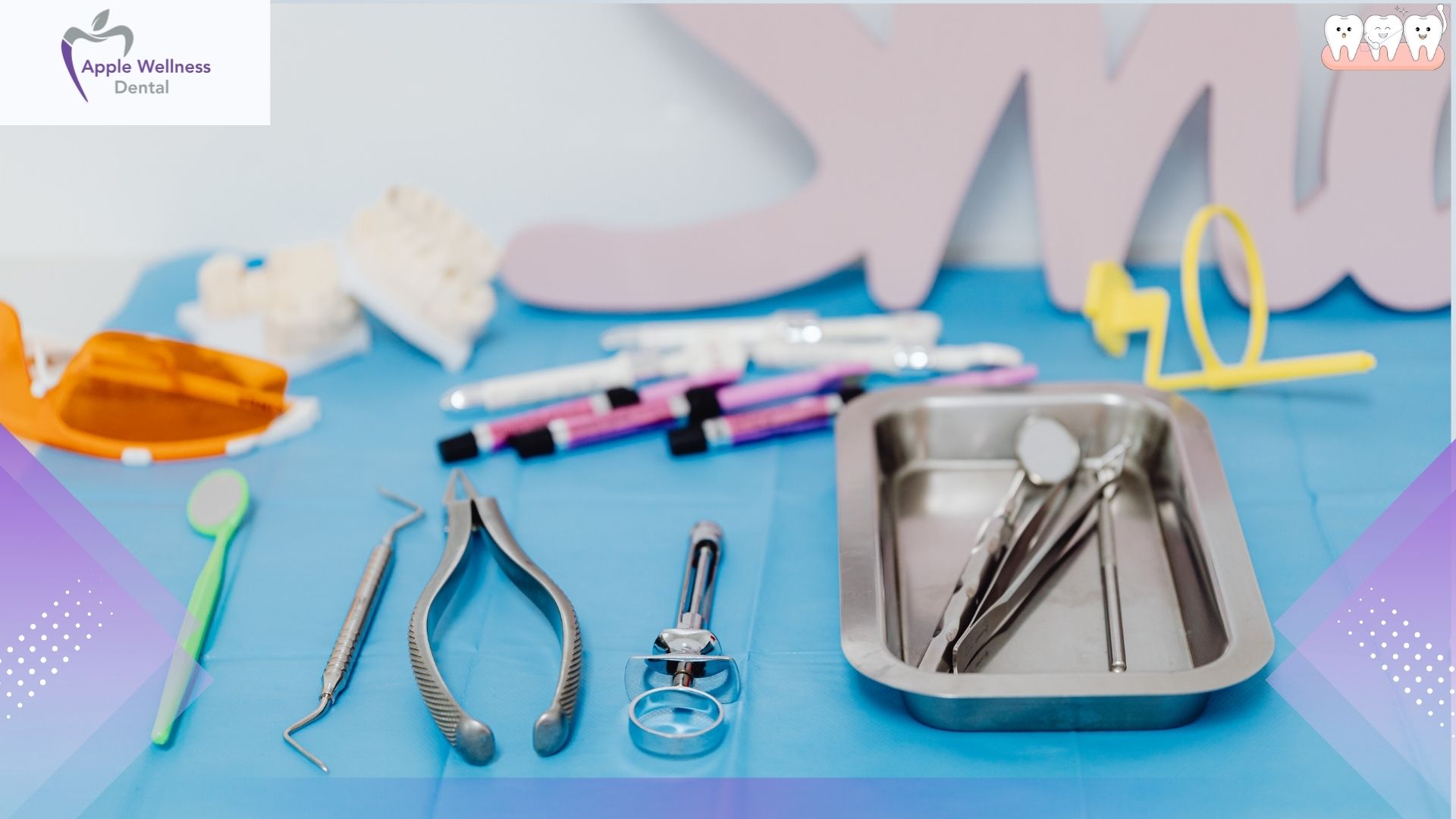
When dental trauma occurs, the first few minutes following the injury are critical for determining the long-term outcome. Proper immediate care can often mean the difference between saving and losing a tooth, making it essential for patients and caregivers to know the appropriate steps to take. The initial response should focus on controlling bleeding, managing pain, preserving any displaced teeth or tooth fragments, and seeking professional care as quickly as possible.
For knocked-out teeth, time is of the essence. The tooth should be handled only by the crown, never by the root, and gently rinsed with clean water if it’s dirty. If possible, the tooth should be reinserted into its socket immediately and held in place by gently biting on a clean cloth or gauze. If reinsertion isn’t possible, the tooth should be kept moist in milk, saliva, or a tooth preservation solution while seeking emergency dental care.
Fractured or chipped teeth require careful handling to prevent further damage and preserve any broken pieces. Large fragments should be saved and brought to the dental appointment, as they may be reattachable in some cases. The injured area should be rinsed gently with warm water, and cold compresses can be applied to reduce swelling and manage pain. Sharp edges that could injure the tongue or cheeks should be covered with dental wax or sugar-free gum if available.
Soft tissue injuries in the mouth often accompany dental trauma and require immediate attention to control bleeding and prevent infection. Direct pressure should be applied using clean gauze or cloth, and the area should be rinsed gently with warm salt water if possible. Ice packs applied to the outside of the face can help reduce swelling and provide some pain relief while preparing to seek professional care.
Parents dealing with pediatric dental trauma should remain calm and reassuring, as children often become frightened and uncooperative when injured. For families in Airdrie, understanding how dental professionals work with anxious children can be invaluable during emergency situations. Quick, decisive action combined with a calm demeanor helps ensure the best possible outcome for the child’s dental health.
Recognizing Dental Infections and Abscesses
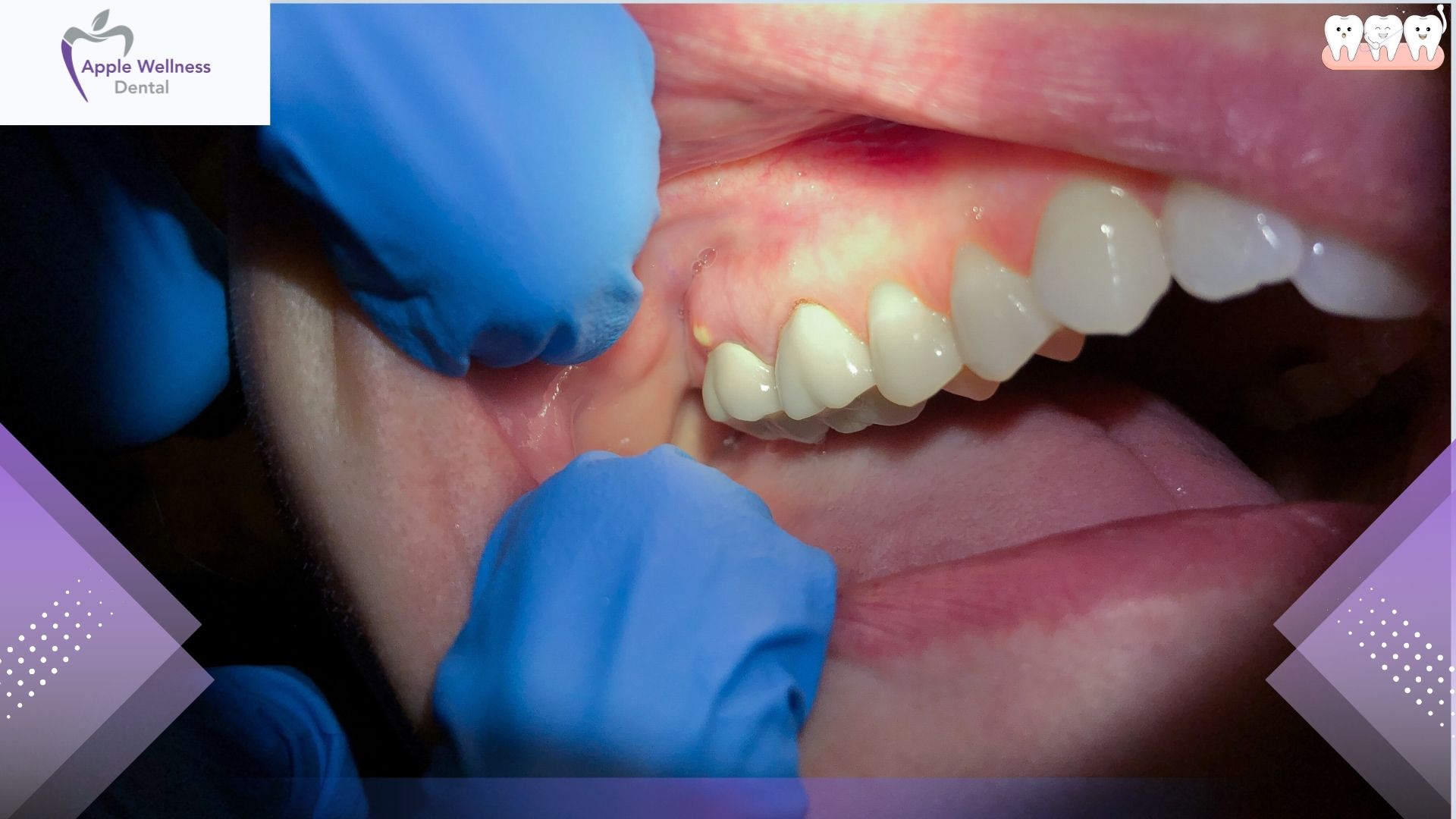
Dental infections and abscesses represent some of the most serious dental emergencies, as they have the potential to become life-threatening if left untreated. These conditions develop when bacteria invade the tooth’s pulp or surrounding tissues, often as a result of untreated decay, trauma, or failed dental work. Recognizing the early signs of dental infections is crucial for preventing complications and ensuring prompt treatment.
The most obvious sign of a dental abscess is severe, persistent pain that may be described as throbbing, sharp, or shooting. This pain often worsens when lying down, chewing, or applying pressure to the affected area. The pain may radiate to the ear, jaw, or neck, and patients often report that over-the-counter pain medications provide little or no relief. Sleep disruption due to pain intensity is common and indicates the need for immediate professional intervention.
Visible swelling represents another critical warning sign of dental infection. The swelling may appear in the gums around the affected tooth, in the cheek, or even extend to the neck area. When swelling is accompanied by fever, difficulty swallowing, or breathing problems, it indicates that the infection is spreading and requires emergency medical attention. In severe cases, patients may need to go directly to a hospital emergency room rather than waiting for dental office hours.
Bad taste in the mouth or visible drainage from the gums often accompanies dental abscesses. This drainage may provide temporary pain relief as pressure is released, but it doesn’t resolve the underlying infection. The presence of pus or unusual drainage should always be evaluated by a dental professional, as it indicates active infection that requires antibiotic therapy and definitive treatment of the source.
Systemic symptoms such as fever, general malaise, or swollen lymph nodes indicate that the dental infection is affecting the patient’s overall health. These symptoms suggest that the body’s immune system is working to fight the infection, but professional intervention is necessary to eliminate the source and prevent further complications. Patients experiencing these symptoms should seek immediate dental care and may require antibiotic treatment before definitive dental procedures can be performed.
Managing Severe Dental Pain
Severe dental pain can be debilitating and often indicates underlying problems that require immediate professional attention. Understanding how to manage dental pain effectively while seeking emergency care is essential for maintaining comfort and preventing the situation from worsening. The approach to pain management should focus on both immediate relief and identifying when professional intervention is necessary.
Over-the-counter pain medications can provide temporary relief for dental pain, but their effectiveness in managing severe pain is limited. Ibuprofen is often more effective than acetaminophen for dental pain because of its anti-inflammatory properties. However, when pain persists despite appropriate medication use or requires increasingly frequent dosing, it indicates that professional treatment is needed to address the underlying cause.
Cold therapy can be highly effective for managing dental pain and reducing swelling, particularly when the pain results from trauma or acute inflammation. Ice packs should be applied to the outside of the face for 15-20 minutes at a time, with breaks between applications to prevent tissue damage. Cold therapy is most effective during the first 24-48 hours after injury or when pain first develops.
Certain pain characteristics indicate that immediate emergency care is necessary rather than attempting to manage the discomfort at home. Pain that is constant, severe, and unresponsive to over-the-counter medications often signals nerve damage or serious infection. Similarly, pain that prevents sleep, eating, or normal daily activities requires professional evaluation and treatment to prevent complications.
For families with children experiencing severe dental pain, the situation requires special consideration. Children may have difficulty describing their pain accurately, and their distress can be particularly concerning for parents. Understanding appropriate dental care schedules for children can help prevent many emergency situations, but when severe pain does occur, prompt professional evaluation is essential for proper diagnosis and treatment.
When to Seek Emergency Care vs. Urgent Care
Distinguishing between situations that require immediate emergency treatment and those that can be managed as urgent but non-emergency cases is crucial for making appropriate healthcare decisions. This distinction affects not only the type of care sought but also the cost and availability of treatment options. Understanding these differences helps patients and families respond appropriately to various dental situations.
True dental emergencies that require immediate attention include situations where delay could result in permanent damage, life-threatening complications, or severe, unmanageable pain. These situations include knocked-out teeth, severe facial swelling with breathing difficulties, uncontrolled bleeding, and signs of serious infection with systemic symptoms. These conditions warrant immediate professional attention, even if it means seeking care outside of regular office hours.
Urgent dental situations that can typically wait until the next business day include minor chips or cracks without pain, lost fillings or crowns that aren’t causing severe discomfort, and mild to moderate pain that responds to over-the-counter medications. While these situations do require professional attention, they don’t pose immediate threats to the patient’s health or the viability of the affected teeth.
The decision-making process should also consider the patient’s age, overall health status, and ability to manage discomfort. Young children and elderly patients may require more prompt attention due to their increased vulnerability to complications. Similarly, patients with compromised immune systems or certain medical conditions may need earlier intervention to prevent serious complications from developing.
Apple Wellness Dental provides guidance to help patients determine the appropriate level of care needed for their specific situations. Having a relationship with a trusted dental practice that offers emergency consultation can be invaluable when urgent situations arise. Many dental offices provide after-hours contact information or guidance for patients experiencing dental emergencies, helping them make informed decisions about seeking immediate care versus waiting for regular office hours.
For parents dealing with pediatric dental emergencies, understanding the benefits of specialized pediatric dental care becomes particularly important. Pediatric dental specialists have additional training in managing childhood dental emergencies and can provide age-appropriate care that considers the unique needs of developing teeth and anxious young patients.
Common Treatment Approaches for Dental Emergencies
The treatment approach for dental emergencies varies significantly depending on the type and severity of the problem, the patient’s age and overall health, and the time elapsed since the emergency occurred. Understanding common treatment protocols helps patients know what to expect when seeking emergency dental care and can help them make informed decisions about their treatment options.
For traumatic injuries involving knocked-out teeth, the treatment approach focuses on reimplantation when possible, followed by stabilization and monitoring. Success rates for tooth reimplantation are highest when treatment begins within 30 minutes of the injury, but attempts may still be made several hours later depending on how the tooth was preserved. The reimplanted tooth typically requires splinting to adjacent teeth and will need ongoing monitoring to assess the health of the tooth’s root and nerve.
Dental infections and abscesses often require a multi-step treatment approach that begins with managing the acute infection and pain, followed by definitive treatment of the underlying problem. Initial treatment may include antibiotic therapy to control the infection, drainage of any abscesses, and pain management. Once the acute infection is controlled, definitive treatment such as root canal therapy or tooth extraction may be necessary to prevent recurrence.
Fractured teeth require treatment approaches that depend on the extent and location of the fracture. Minor chips may be repaired with bonding materials or smoothed to prevent soft tissue injury. More extensive fractures that expose the tooth’s nerve require immediate protection of the exposed tissue, often followed by root canal therapy and crown placement. In cases where the fracture extends below the gum line, extraction may be the only viable option.
Pain management is a critical component of emergency dental treatment, often requiring a combination of approaches to provide effective relief. Local anesthesia is typically used during emergency procedures to ensure patient comfort, while prescription pain medications may be provided for managing discomfort following treatment. Anti-inflammatory medications are often particularly effective for dental pain and can help reduce swelling associated with trauma or infection.
The treatment approach for pediatric dental emergencies requires special consideration of the child’s developmental stage, cooperation level, and long-term dental health. Understanding common pediatric dental treatments helps parents understand their options when emergency situations arise. Pediatric emergency treatments often emphasize preservation of primary teeth when possible, as these teeth play important roles in speech development, nutrition, and guiding the eruption of permanent teeth.
Frequently Asked Questions
What should I do if my child knocks out a permanent tooth during sports?
Handle the tooth only by the crown, rinse it gently if dirty, and try to reinsert it immediately. If that’s not possible, keep it moist in milk or saliva and seek emergency dental care within 30 minutes for the best chance of successful reimplantation.
How can I tell if tooth pain is serious enough to warrant emergency treatment?
Severe, persistent pain that doesn’t respond to over-the-counter medications, especially when accompanied by swelling, fever, or difficulty swallowing, indicates the need for immediate emergency dental care to prevent complications.
Is a cracked tooth always considered a dental emergency?
Not all cracked teeth are emergencies. Minor cracks without pain can often wait until regular office hours, but cracks that cause severe pain, expose the nerve, or create sharp edges that injure soft tissues require immediate attention.
What constitutes uncontrolled bleeding that requires emergency care?
Bleeding that continues for more than 15-20 minutes despite direct pressure, or bleeding accompanied by difficulty swallowing or breathing, requires immediate emergency treatment as it may indicate serious tissue damage.
Should I go to the emergency room or dentist for facial swelling?
Severe facial swelling, especially when accompanied by fever, difficulty swallowing, or breathing problems, may require emergency room treatment. For localized swelling without systemic symptoms, emergency dental care is typically appropriate.
How long can I wait to treat a lost filling or crown?
While not always immediate emergencies, lost fillings or crowns should be addressed within a few days to prevent further damage. If severe pain or sensitivity develops, seek care sooner to prevent complications.
What pain relief methods are safe while waiting for emergency dental care?
Over-the-counter anti-inflammatory medications like ibuprofen, cold compresses applied to the outside of the face, and gentle saltwater rinses can provide temporary relief while seeking professional care.
Are there different emergency protocols for children versus adults?
Yes, pediatric dental emergencies often require different approaches due to developing teeth, cooperation challenges, and different treatment goals. Understanding proper dental care frequency for children helps prevent many emergency situations from developing.
Conclusion
Understanding what qualifies as a dental emergency in Airdrie empowers patients and families to respond appropriately when urgent dental situations arise. The key to managing dental emergencies effectively lies in recognizing the signs that indicate immediate professional intervention is necessary versus those that can be managed temporarily until regular dental care is available. This knowledge can mean the difference between saving and losing teeth, preventing serious complications, and managing pain and discomfort effectively.
Apple Wellness Dental emphasizes the importance of having a clear emergency plan in place before urgent situations develop. This includes understanding the signs of serious dental problems, knowing appropriate first aid measures, and having access to emergency dental care when needed. Regular preventive dental care remains the best strategy for avoiding many dental emergencies, but when they do occur, prompt and appropriate response is essential for optimal outcomes.
The investment in immediate emergency dental care, while potentially expensive, is typically far less costly than the extensive treatment that may be required if problems are allowed to progress. More importantly, prompt treatment of dental emergencies helps preserve oral health, prevent systemic complications, and maintain quality of life for patients of all ages. By understanding these principles and maintaining relationships with trusted dental professionals, Airdrie families can feel confident in their ability to handle dental emergencies effectively when they arise.