
How to Stop Bleeding After Tooth Extraction
Getting a tooth pulled can feel like a relief, especially if it has been causing pain for weeks. But what happens after the procedure — particularly the bleeding — can catch many patients off guard. Some bleeding right after a tooth extraction is completely normal. Your body is doing exactly what it’s designed to do: forming a blood clot to seal the wound and begin the healing process.
The real concern starts when the bleeding doesn’t slow down, or when it restarts hours after leaving the dental office. At that point, it’s easy to feel anxious and unsure about what steps to take. The good news is that most post-extraction bleeding can be managed with the right techniques. And when it can’t, knowing when to call your dentist is just as important as knowing what to do at home.
This guide walks you through everything you need to know about how to stop bleeding after tooth extraction — from the first few minutes after your procedure to the days that follow — so you can heal safely and confidently.
Key Takeaways
- Light bleeding for up to 24 hours after a tooth extraction is considered normal and expected.
- Biting down on a clean gauze pad is the first and most effective step to control post-extraction bleeding.
- Avoid rinsing, spitting, or using straws for at least 24 hours — these actions can dislodge the blood clot.
- Certain habits like smoking, physical exertion, and eating hard foods can trigger or worsen bleeding.
- Persistent or heavy bleeding beyond 24 hours is a sign you should contact your dental provider right away.
- Dry socket — a painful complication from a dislodged clot — requires professional treatment, not home remedies.
What to Expect and How This Guide Helps You
This article covers the complete picture of post-tooth-extraction bleeding: what’s normal, what’s not, the proven methods to control it, the mistakes that make it worse, and how complications like dry socket develop. You’ll also find answers to the most common questions patients ask after their procedure, along with clear guidance on when it’s time to stop managing things at home and reach out to a dental professional.
Whether you’ve just had a simple extraction or a more involved surgical removal, this resource is built around what you actually need — practical, trustworthy information that prioritizes your health above everything else.
Understanding the Blood Clot: Your Body’s Natural Bandage
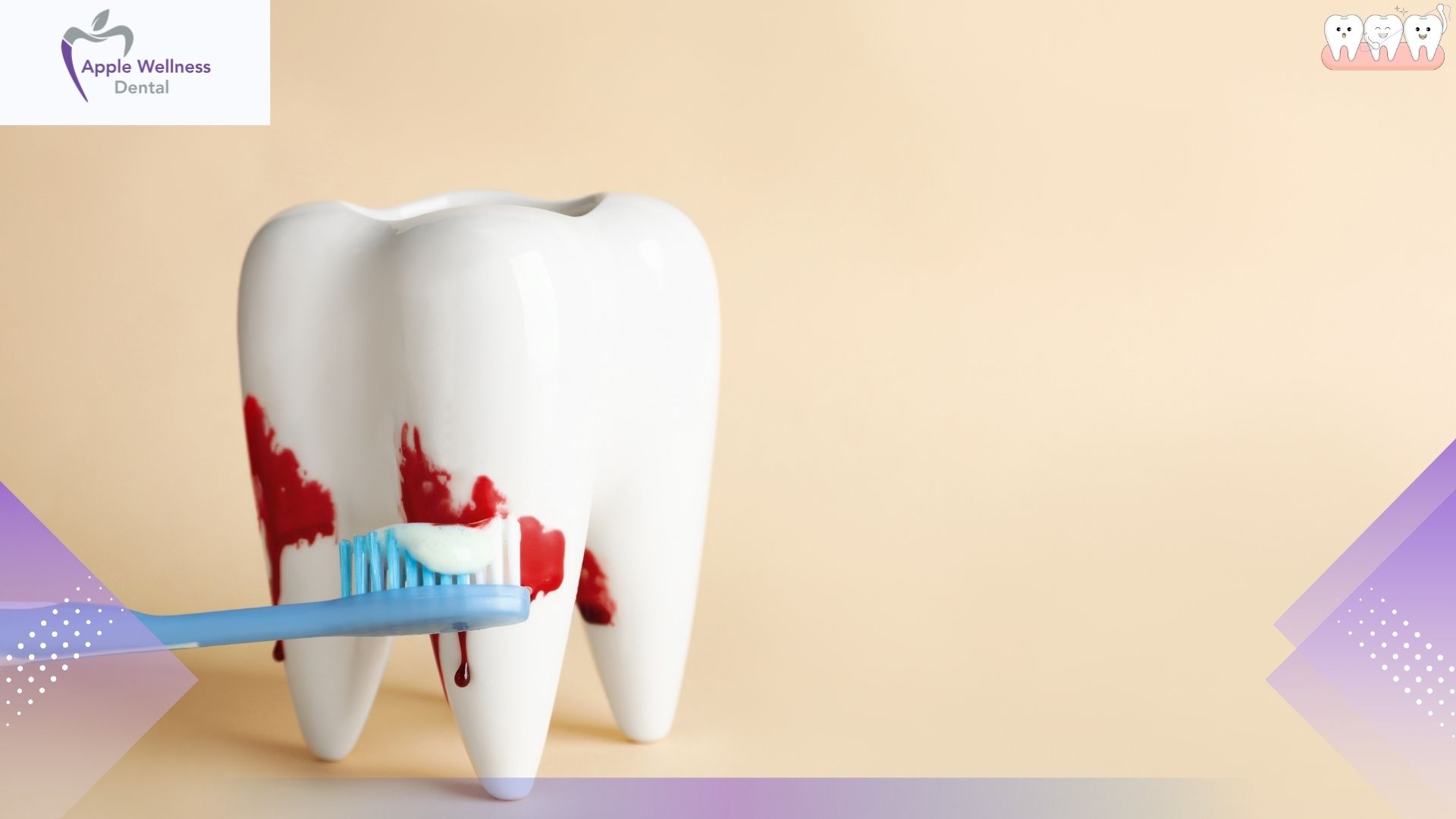
After a tooth is removed, a socket — an open wound in your gum and jawbone — is left behind. Your body immediately begins working to fill that space with a blood clot, which acts as a protective covering over the bone and nerve endings underneath. This clot is not just about stopping the bleeding; it’s the foundation for all tissue regeneration that follows.
The clot typically forms within 15 to 30 minutes of the extraction when proper pressure is applied. Over the following days, it is gradually replaced by soft tissue and, eventually, bone. This is why preserving the clot during the first 24 to 72 hours is critical. Any disruption to it — whether from suction, pressure, or irritation — can set your healing back significantly or lead to a painful condition known as dry socket.
Understanding this process helps explain why so many of the post-extraction instructions your dentist gives you exist. They’re not arbitrary. Each one protects the clot and supports the natural healing cascade your body has already started.
How to Stop Bleeding After Tooth Extraction: Step-by-Step
Apply Firm, Steady Pressure With Gauze
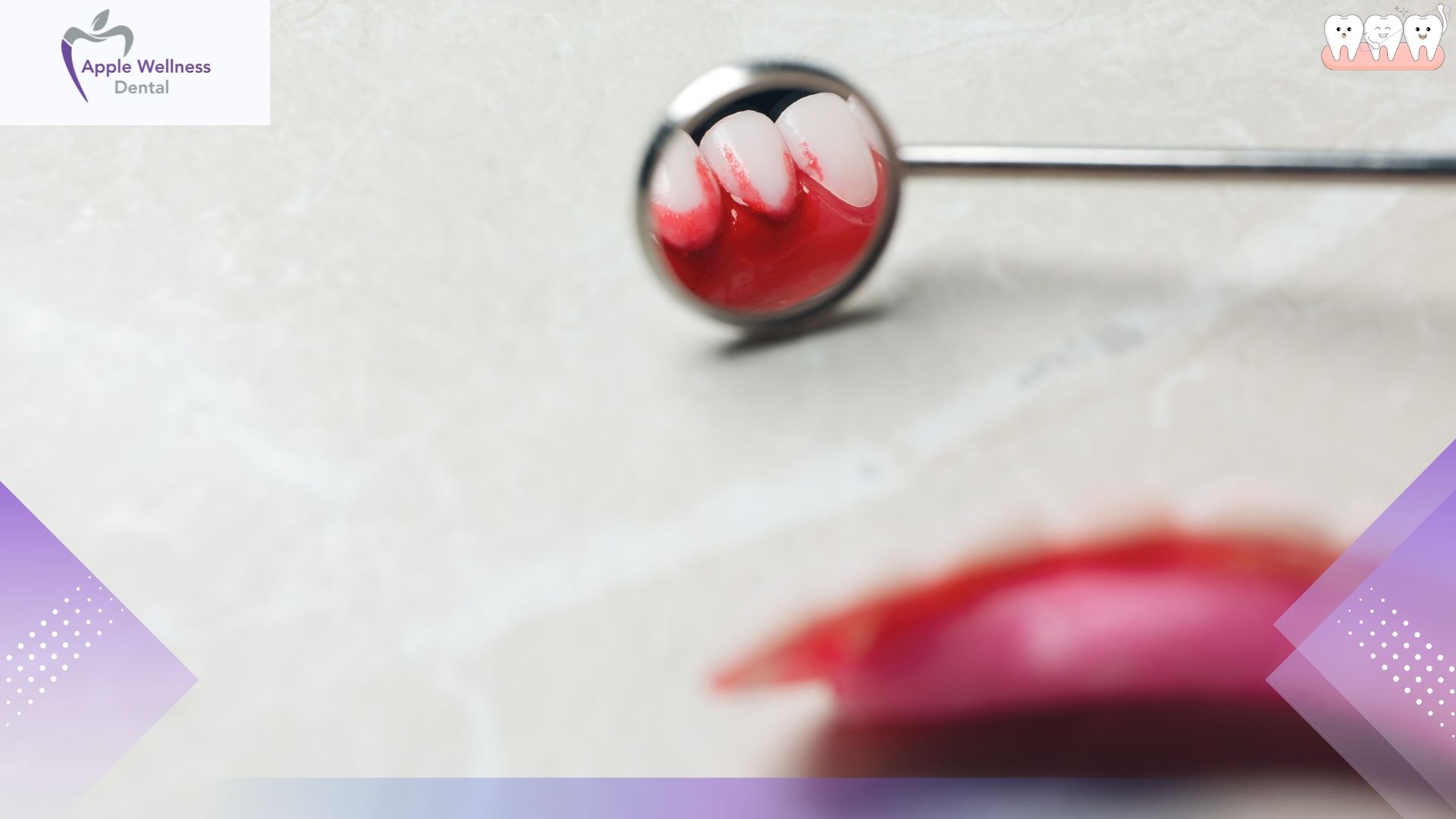
The first and most effective way to control bleeding after a tooth extraction is to apply direct pressure to the extraction site using clean, moistened gauze. Fold the gauze into a thick pad, place it directly over the socket, and bite down firmly for 30 to 45 minutes without lifting or checking. Consistency matters here — repeatedly removing the gauze to check the wound interferes with clot formation and prolongs the bleeding.
If the first gauze pad becomes saturated, replace it with a fresh one and continue applying pressure. Most patients find that bleeding slows significantly within the first hour when this step is followed correctly. If you’ve run out of gauze, a moistened tea bag — particularly one containing black tea — can be used as a substitute. The tannins in black tea have natural astringent properties that help blood vessels constrict.
Keep Your Head Elevated
Blood pressure in the head and mouth increases when you lie flat, which can make post-extraction bleeding harder to control. For the first 24 hours, keep your head elevated above the level of your heart — whether you’re resting on the couch or sleeping. Propping yourself up with two or three pillows makes a noticeable difference in how quickly bleeding settles down.
Avoid bending over or lowering your head for extended periods, as this creates the same effect as lying flat. Simple activities like picking something up off the floor can temporarily increase blood flow to the site and restart minor bleeding. Move slowly and deliberately during your first day of recovery.
Apply a Cold Compress to Your Cheek
Using a cold pack or wrapped ice on the outside of your cheek helps constrict blood vessels near the extraction site, which reduces both swelling and bleeding. Apply the cold compress in 20-minute intervals — 20 minutes on, 20 minutes off — during the first 24 hours. This is most effective in the immediate hours following the procedure.
Do not place ice directly inside your mouth or onto the gum tissue. External application is sufficient and avoids any risk of disturbing the clot. If you don’t have an ice pack available, a bag of frozen vegetables wrapped in a clean towel works just as well.
Rest and Limit Physical Activity
Physical exertion raises your heart rate and blood pressure, both of which can intensify or restart bleeding at the extraction site. Avoid strenuous activities — including exercise, heavy lifting, and even vigorous walking — for at least 24 hours after your extraction. Your body’s energy is better directed toward healing during this window.
Most patients can return to light activity the following day, but more demanding physical routines should wait 48 to 72 hours, depending on how the healing progresses. If you notice renewed bleeding after any physical activity, return to rest and apply gauze pressure again.
What to Avoid After a Tooth Extraction
Knowing what not to do is just as valuable as knowing the right steps to take. Several common habits and behaviors can dislodge the blood clot, introduce bacteria to the wound, or reopen the extraction site entirely.
- Rinsing or spitting forcefully: The suction created by spitting or rinsing creates negative pressure in the mouth that can pull the clot right out of the socket. Avoid both for the first 24 hours.
- Drinking through a straw: The same sucking motion that makes straws convenient creates the exact conditions that dislodge clots. Skip the straw for at least 72 hours.
- Smoking or using tobacco: Smoking introduces harmful chemicals directly into the wound and creates suction that removes the clot. It also significantly impairs healing and dramatically raises your risk of developing dry socket.
- Eating hard, crunchy, or sticky foods: Hard foods can physically displace the clot, while sticky foods can pull it out. Stick to soft foods — yogurt, soup, mashed potatoes, scrambled eggs — for the first few days.
- Poking or touching the socket: Avoid using your tongue, fingers, or any object to probe the extraction site. This disturbs healing tissue and introduces bacteria.
- Consuming alcohol: Alcohol can thin the blood and interact poorly with any medications prescribed after your extraction. Avoid it during the initial healing period.
When Bleeding Is Normal vs. When It Becomes a Concern
What’s Considered Normal Bleeding
Some degree of bleeding and blood-tinged saliva is completely normal in the first 24 hours after a tooth extraction. You may notice that your saliva looks pink or reddish — this is typically just a small amount of blood mixing with a larger volume of saliva, which makes it appear more dramatic than it actually is. True active bleeding should gradually slow with gauze pressure and rest.
By the end of the first day, most patients experience minimal to no active bleeding. Mild oozing can occasionally continue into the second day, particularly for more complex extractions, but it should not be heavy or require constant attention.
Signs That Something May Be Wrong
Certain patterns of bleeding indicate that professional evaluation is needed rather than continued home management. Reach out to your dental provider if you experience any of the following:
- Bleeding that has not slowed after applying firm pressure for 30 to 45 minutes, repeated over two rounds
- Bright red, active bleeding that soaks through gauze quickly and consistently
- Bleeding that stops but restarts significantly after 24 hours with no clear cause
- Signs of infection alongside bleeding — including severe pain, swelling that worsens, bad taste, or fever
- Signs of dry socket — where the clot is visibly absent and you experience deep, throbbing pain radiating to the jaw or ear
Knowing about common dental procedures and their recovery timelines can help you gauge whether your experience falls within the expected range. If you’re unsure, it’s always safer to call your dentist than to wait.
Dry Socket: What It Is and Why It Matters
Dry socket — clinically called alveolar osteitis — occurs when the blood clot at the extraction site is lost or dissolves before the wound has healed. Without the clot, the underlying bone and nerve tissue become exposed to air, food, and bacteria, causing intense pain that typically begins two to four days after the extraction.
The pain from dry socket is usually described as a deep, constant ache that may radiate up toward the ear or down the jaw. You may also notice a bad odor or taste from the socket, and visually, the area may appear empty or have a whitish-gray appearance where the clot should be.
Dry socket is one of the most common complications of tooth extraction and occurs in roughly 2 to 5 percent of standard extractions, with rates rising significantly for lower wisdom teeth removals. The NHS outlines dry socket causes and treatment in detail for patients who want to understand the condition further.
Why Dry Socket Cannot Be Treated at Home
Unlike minor post-extraction bleeding that responds to gauze and rest, dry socket requires clinical treatment. Your dentist will clean the socket, remove any debris, and place a medicated dressing directly into the space to relieve pain and protect the exposed bone while healing progresses. This dressing may need to be changed every day or two until the tissue regenerates adequately.
Attempting to treat dry socket on your own — with over-the-counter products, home rinses, or anything placed into the socket — can introduce bacteria, cause further irritation, and delay healing. The only appropriate response to suspected dry socket is to return to your dental office as soon as possible.
Medications and Bleeding: What You Should Know
Certain medications affect how quickly your blood clots, which directly impacts how much you bleed after an extraction and how long it lasts. Blood thinners — including prescription anticoagulants and even daily low-dose aspirin — reduce your blood’s clotting ability. Non-steroidal anti-inflammatory drugs can also contribute to prolonged bleeding.
Before your extraction, your dentist should be aware of all medications and supplements you’re taking — including herbal products like fish oil, vitamin E, and garlic supplements, which can also thin the blood. Depending on the situation, your dentist may coordinate with your physician about temporarily adjusting certain medications before the procedure. The American Dental Association provides guidance on anticoagulant use before dental procedures for both patients and clinicians.
Never stop taking a prescribed medication without consulting your prescribing physician first, even if you’re concerned about bleeding after an extraction. Your dentist and doctor can work together to manage the situation appropriately.
Eating and Drinking Safely During Recovery
What to Eat After a Tooth Extraction
Your diet during the first few days of recovery plays a direct role in how well and how quickly the extraction site heals. Soft, room-temperature foods that require minimal chewing are your best choices. Think yogurt, applesauce, oatmeal, scrambled eggs, soft-cooked vegetables, mashed potatoes, and smooth soups. These options provide nutrition without placing pressure on the healing socket.
Avoid very hot foods and beverages for the first 24 hours, as heat can dilate blood vessels and restart bleeding. Cold foods like ice cream and chilled smoothies (consumed with a spoon, not a straw) are often both soothing and appropriate for the first day.
Staying Hydrated Without Compromising the Clot
Staying hydrated supports healing, but how you drink matters as much as what you drink. Use a cup or glass and sip gently — no gulping or any motion that creates suction in your mouth. Avoid carbonated beverages, which can irritate the socket with their fizzing action, and skip alcoholic drinks entirely during the initial recovery period.
Water is your best option for hydration after an extraction. If you want something with more flavor, a diluted fruit juice consumed gently is generally acceptable. Just remember: no straws, and room temperature or cool — not hot.
Oral Hygiene During the Healing Period
Maintaining oral hygiene after an extraction requires a careful balance. On one hand, keeping your mouth clean prevents infection. On the other, aggressive rinsing or brushing near the socket can dislodge the clot and cause significant setbacks.
For the first 24 hours, do not rinse your mouth at all. After that, you can begin gently rinsing with warm salt water — about half a teaspoon of salt dissolved in a glass of warm water — to keep the area clean. Do this gently, letting the water fall out of your mouth rather than spitting it out forcefully. This is one of the most useful things you can do to support healing after the first day.
Continue brushing your teeth normally, but avoid the extraction site itself for the first few days. Use a soft-bristled toothbrush and take care not to bump or disturb the socket. Good overall oral hygiene supports recovery and helps reduce the risk of infection in the surrounding teeth and gum tissue.
Ready to Heal the Right Way? We’re Here for You
Post-extraction care should never feel like guesswork. At Apple Wellness Dental, we walk every patient through their recovery plan before they leave the chair — because confident, well-informed patients heal better. If you’re currently dealing with prolonged bleeding, unexpected pain, or any other concern after a recent tooth removal, we encourage you to reach out to us right away. Our team is ready to provide the professional attention your smile deserves. You can find us at 229 1st Street SW, Airdrie, AB, or give us a call at +1 587 332 6767. Whether it’s a follow-up concern or your next scheduled visit, Apple Wellness Dental is here to support every stage of your dental health journey — from procedure to full recovery.
Common Questions About How to Stop Bleeding After Tooth Extraction
Q: How long should bleeding last after a tooth extraction?
A: Most active bleeding slows within one to two hours of the extraction when gauze pressure is properly applied. Light oozing or blood-tinged saliva can continue for up to 24 hours and is considered normal. If bleeding is still heavy or hasn’t slowed significantly after 24 hours, contact your dental provider for guidance rather than continuing to manage it on your own.
Q: Can I swallow blood after a tooth extraction?
A: Swallowing small amounts of blood mixed with saliva is generally harmless, though it can sometimes cause nausea. The main concern is identifying whether active bleeding is occurring. If blood is pooling quickly in your mouth or soaking through gauze rapidly, that indicates more significant bleeding that needs attention — not just blood in your saliva from a small amount of oozing.
Q: Is it okay to sleep after a tooth extraction if I’m still bleeding?
A: You should not go to sleep while actively bleeding. Wait until the bleeding has clearly slowed or stopped before lying down. When you do sleep, keep your head elevated and place an old towel over your pillow to protect it. Avoid sleeping on the side where the extraction was done, as this can put indirect pressure on the healing socket.
Q: What if gauze isn’t available — what can I use instead?
A: A moistened black tea bag is a well-known alternative to gauze for controlling post-extraction bleeding. The tannins in black tea act as natural astringents that help blood vessels contract, which supports clot formation. Place the moistened tea bag directly over the socket and bite down with steady pressure for 30 minutes. Plain cloth or a clean folded tissue can also serve as a temporary substitute.
Q: Why did my extraction site start bleeding again the next day?
A: Restarted bleeding after it initially stopped is often caused by something that disturbed the clot — physical activity, rinsing too hard, eating inappropriately, or touching the socket. Return to gauze pressure and rest. If bleeding restarts without any obvious cause or doesn’t respond to pressure, call your dentist. Unexpected rebleeding can occasionally signal a more complex healing issue that needs professional evaluation.
Q: How do I know if I have dry socket rather than normal post-extraction discomfort?
A: Dry socket typically develops two to four days after the extraction and presents as intensifying pain — not improving pain. The discomfort is usually deep and throbbing, often radiating toward the ear or jaw, and may be accompanied by a bad taste or odor from the socket. Normal post-extraction discomfort gradually improves over the first few days. If your pain is getting worse rather than better, seek professional care promptly.
Q: Can I take painkillers for the bleeding and pain after extraction?
A: Pain relief after extraction is appropriate and recommended, but the type of painkiller matters. Avoid aspirin and ibuprofen if you’re experiencing bleeding, as both can thin the blood and prolong it. Acetaminophen is generally the preferred option for pain management immediately after extraction unless your dentist has prescribed something specific. Always follow the dosage instructions provided and consult your dentist if you’re unsure what to take.
Q: How does smoking affect bleeding after a tooth extraction?
A: Smoking after an extraction is one of the most significant risk factors for both prolonged bleeding and dry socket. The suction motion required to smoke creates negative pressure in the mouth, which can pull the blood clot directly out of the socket. Beyond the mechanical risk, the chemicals in tobacco also impair blood flow to the tissues and slow the body’s healing response significantly. Most dental providers recommend avoiding smoking for at least 72 hours, and ideally longer.
Q: What role does diet play in healing after tooth extraction?
A: What you eat directly affects both bleeding control and tissue recovery after an extraction. Hard, crunchy, or sticky foods can physically displace the clot, while very hot foods can cause blood vessels to expand and restart bleeding. Soft, room-temperature foods — like yogurt, soup, and mashed foods — support healing without placing stress on the socket. Staying hydrated (without straws) and eating nutritious soft foods promotes faster, more comfortable recovery overall.
Q: When should I call my dentist after a tooth extraction?
A: You should contact your dentist if bleeding hasn’t slowed after 45 minutes of consistent gauze pressure, if it restarts heavily after the first day, or if you develop signs of dry socket or infection. Warning signs include intensifying rather than improving pain, swelling that worsens after 48 hours, fever, or a foul taste from the socket. Don’t hesitate to call — dental offices expect post-procedure questions and would rather hear from you early than have you wait too long.
Conclusion
Managing bleeding after a tooth extraction is straightforward when you know what to do and — just as importantly — what to avoid. Firm gauze pressure, head elevation, rest, cold compresses, and careful attention to your diet and habits in the first 24 to 72 hours give your body the conditions it needs to form and protect a stable blood clot. That clot is the cornerstone of your entire healing process, so every precaution taken to preserve it pays off in a faster, less complicated recovery.
The majority of patients who follow post-extraction instructions heal without complications. But when something doesn’t feel right — bleeding that won’t stop, pain that intensifies, or signs of dry socket — the right step is always to contact a dental professional rather than push through it alone. Your dentist has the tools and expertise to address complications quickly and prevent them from becoming more serious.
If you have questions about how to stop bleeding after a tooth extraction or you’re concerned about how your healing is progressing, Apple Wellness Dental is ready to help you through every step of your recovery — with the professional care and guidance your oral health deserves.