
Can I Eat After Tooth Extraction — What You Need to Know
You’ve just had a tooth extracted, and somewhere between the numbness wearing off and the gauze coming out, a very practical question takes over: can I eat after tooth extraction? And if so, when — and what? It’s one of the most common post-procedure questions dental patients ask, and it deserves a thorough, specific answer rather than a vague “stick to soft foods.”
The honest answer is yes, you can eat after a tooth extraction — but not immediately, not anything you like, and not in the same way you normally would. The extraction site left behind after a tooth is removed is an open wound in your gum and underlying bone. What you eat, when you eat it, and how you position food in your mouth during the first week of recovery has a direct effect on how well and how quickly that wound heals. Make the right choices, and your recovery stays on track. Make the wrong ones — eating too soon, choosing the wrong foods, or chewing on the wrong side — and you risk complications that set healing back significantly.
This guide gives you a complete, day-by-day eating roadmap for tooth extraction recovery — covering when to start eating, what foods support healing, what foods to avoid and why, and how your dietary choices connect to the most common post-extraction complication: dry socket. Whether you had a simple extraction or a more involved surgical removal, you’ll find practical, clinically grounded guidance here for every stage of recovery.
Key Takeaways
- You can typically begin eating soft foods a few hours after your extraction, once the initial bleeding has slowed and the local anesthetic has largely worn off.
- Avoid eating until the numbness from local anesthesia has faded — chewing while numb risks biting your cheek, tongue, or lip without realizing it.
- Soft, room-temperature foods are the safest choices for the first 24 to 48 hours — think yogurt, scrambled eggs, mashed potatoes, and smooth soups.
- Hard, crunchy, sticky, and spicy foods should be avoided for at least the first week to protect the healing socket and blood clot.
- Chew on the opposite side of the mouth from the extraction site to reduce direct pressure and food contact with the wound.
- A nutrient-rich recovery diet — soft foods with protein, vitamins, and hydration — actively supports faster tissue healing, not just comfort.
What This Guide Covers
This article covers the full picture of eating after a tooth extraction — from the first few hours post-procedure through the first week of recovery. We walk through what happens biologically at the extraction site that makes diet so important, provide specific food recommendations and foods to avoid at each stage, explain the dry socket risk and how food choices contribute to it, and address the most common patient questions about post-extraction diet. If you’ve been wondering whether you can eat after tooth extraction, how long to wait, and what the safest options are, you’ll find specific, actionable answers here.
Why What You Eat After Extraction Matters So Much

Every dietary recommendation given after a tooth extraction connects back to a single biological priority: protecting the blood clot that forms in the empty socket. When a tooth is removed, it leaves behind a wound — an exposed hole in the gum and jawbone with nerve endings and blood vessels at the base. Within 15 to 30 minutes of the extraction under correct gauze pressure, a blood clot forms to seal this wound. That clot covers the exposed bone and nerves, acts as a physical barrier against food and bacteria, and provides the scaffold for the tissue regeneration that will gradually fill the socket over the following weeks.
Food poses several risks to this healing process. Hard or crunchy foods can physically dislodge the clot through mechanical contact or pressure. Sticky foods can adhere to the socket and pull the clot free. Very hot foods cause the same blood vessel dilation that makes hot beverages risky — increased local blood flow that can restart bleeding. Spicy or acidic foods irritate the delicate healing tissue and slow cellular repair. Small, hard food particles — like seeds, grains, or chip fragments — can lodge inside the socket and introduce bacteria or physical disruption to the wound.
Understanding these mechanisms makes the dietary restrictions feel logical rather than arbitrary. You’re not being asked to eat differently for the sake of inconvenience — every food choice in the first week of recovery is either supporting your body’s healing process or working against it. The American Dental Association’s tooth extraction post-operative guidance outlines the dietary precautions that support complication-free recovery.
When Can I Start Eating After Tooth Extraction?
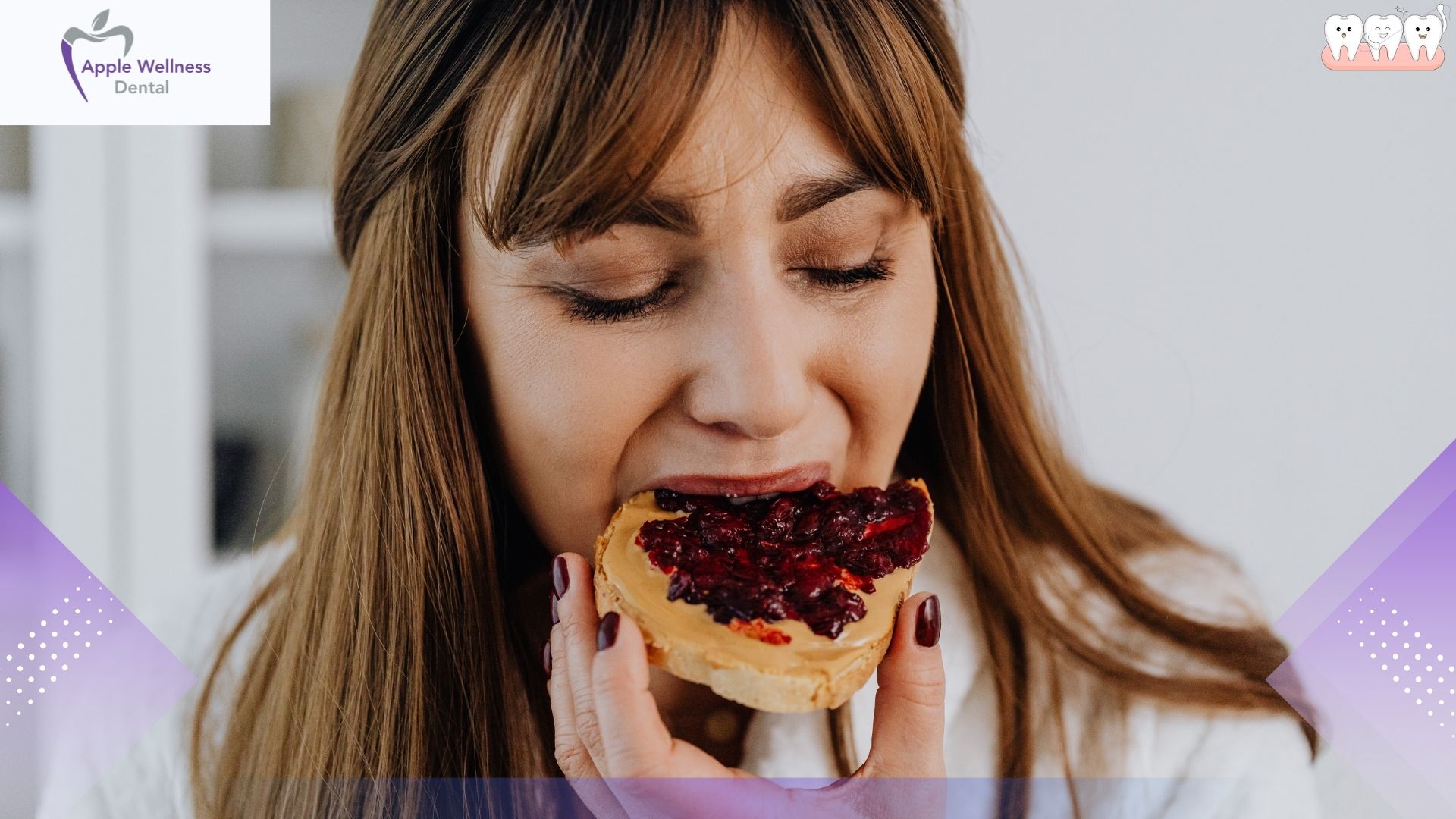
Wait for the Anesthesia to Wear Off First
Before thinking about what to eat, the first rule is to wait until the local anesthetic has sufficiently worn off before putting food in your mouth. Most local anesthetics used in dental procedures last between two and four hours, though the duration varies by the type of anesthetic used and the extent of the injection. Eating while your mouth is still numb is genuinely risky — you can bite down hard on your cheek, tongue, or lip without feeling it, causing injuries that add to your recovery burden at the worst possible time.
Some patients feel residual numbness longer than others, especially if multiple injections were given or if the extraction involved a nerve block. If you’re not sure whether the numbness has fully resolved, wait. The first meal after an extraction is not worth a self-inflicted bite injury on top of everything else your mouth is already managing.
Your First Meal: A Few Hours After the Procedure
Once the anesthetic has worn off and the initial bleeding has clearly slowed — typically two to three hours after the procedure — you can begin eating soft, room-temperature foods gently. This first meal should be very simple: something that requires essentially no chewing, creates no suction in the mouth, and doesn’t need to make contact with the extraction area at all. Yogurt, a smoothie consumed with a spoon (never a straw), applesauce, or soft-cooked oatmeal at a lukewarm temperature are all appropriate starting points.
Eat slowly, keep food on the opposite side of your mouth from the extraction site, and stop if anything causes significant discomfort or pain at the wound area. The goal of this first meal is nutrition and comfort — not normalcy. Your eating routine will return over the following days as healing progresses.
What to Eat After Tooth Extraction: Day by Day
Day 1 to Day 2: Liquid and Fully Soft Foods Only
During the first 24 to 48 hours, the blood clot is at its most fragile and the extraction site at its most sensitive. Foods during this period should require no chewing whatsoever or only the most minimal contact with teeth. The objective is to nourish yourself without introducing any mechanical force, temperature extreme, or chemical irritation near the healing socket.
Good choices for this stage include smooth yogurt, applesauce, mashed banana, lukewarm broth or cream soup (no chunks), soft-cooked oatmeal at room temperature, pudding, ice cream (consumed with a spoon — no suction), and protein shakes sipped gently from a cup without a straw. These foods provide a range of macronutrients and are genuinely satisfying without posing any of the risks that firmer foods would.
Hydration matters significantly during recovery. Staying well hydrated supports healthy saliva production, which contains growth factors and antimicrobial compounds that benefit the socket environment. Drink plain water throughout the day, sipping gently from a cup. Avoid using straws — the suction motion creates negative pressure in the mouth that can dislodge the clot just as effectively as physical food contact can.
Day 3 to Day 5: Expanding to Soft Solid Foods
By day three, most patients with simple extractions will have moved past the most fragile clot stage and into early granulation tissue formation. Pain should be noticeably improving, and swelling, if any, should be reducing. At this point, you can begin expanding your food options to include soft solids that require minimal chewing — as long as you continue to chew on the opposite side of the mouth from the extraction.
Appropriate foods at this stage include scrambled eggs, soft-cooked fish, mashed potatoes with gravy, soft-cooked pasta with a smooth sauce, ripe avocado, cottage cheese, soft-cooked vegetables (carrots, zucchini, sweet potato), and tofu. These options provide meaningful nutritional variety and begin to address the protein and micronutrient needs that support active tissue regeneration. Protein is particularly important at this stage — it provides the amino acid building blocks for the new connective tissue forming in the socket.
Continue to avoid anything with small hard fragments that could lodge in the socket — seeds, grains, nuts, raw vegetables, and crispy toppings. Even foods that seem soft overall but have textural elements (granola toppings on yogurt, for example) should be avoided during this period. The socket is still open and food debris that enters it can cause irritation, bacterial buildup, and prolonged soreness even without dislodging the clot.
Day 6 to Day 7 and Beyond: Returning to Normal Eating
By the end of the first week, most patients with uncomplicated simple extractions can begin transitioning back to a more normal diet. The socket should be visibly showing tissue coverage at this stage, pain should be mild and clearly improving day by day, and the risk of clot disruption is substantially lower than it was in the first few days. You can gradually reintroduce firmer foods, chew on both sides of the mouth (with care near the extraction site), and return to your regular eating habits.
That said, “the end of the first week” is a guideline, not a guarantee. For surgical extractions — particularly impacted wisdom tooth removals — the healing timeline is longer, and soft food restrictions typically extend through the full second week before a more normal diet is appropriate. Listen to your body, pay attention to how the area responds when you try firmer foods, and back off if pain increases after eating something more challenging. Full bone regeneration in the socket takes several months, though the surface closure that allows normal eating typically completes within two to three weeks.
Foods to Avoid After Tooth Extraction and Why
Knowing what not to eat is just as important as knowing what’s safe. Several categories of food consistently appear in post-extraction complications and are worth understanding in specific terms rather than a generic “avoid hard foods” instruction.
- Hard and crunchy foods — chips, crackers, raw carrots, nuts, hard bread crusts: these can fracture against the socket or gum tissue, physically disturbing the healing wound and potentially dislodging the clot.
- Sticky foods — caramel, chewing gum, gummy candies, toffee: adhesive foods can grip the clot and pull it free when swallowed or chewed. They are among the highest-risk food types during the first week of recovery.
- Small, sharp food particles — seeds, rice, popcorn kernels, coarse grains: these have a tendency to lodge inside the open socket, where they introduce bacteria and cause persistent soreness that extends the recovery.
- Spicy foods — hot sauces, chili, strongly spiced dishes: spicy compounds irritate the mucous membrane of healing gum tissue and can cause significant discomfort near the wound site.
- Very hot foods — soups, beverages, or dishes that are served hot rather than warm: heat causes vasodilation in gum tissue blood vessels, which can restart bleeding at the extraction site in the first 24 to 48 hours.
- Acidic foods — citrus fruits, tomato-based sauces, vinegar-heavy dishes: acidity irritates healing tissue and can slow cellular repair at the socket edges, prolonging sensitivity.
- Alcohol — thins the blood, interacts poorly with pain medications, and impairs the body’s tissue healing response. Avoid for at least 24 to 48 hours, and longer if you’ve been prescribed antibiotics or prescription pain management.
How Nutrition Actively Supports Healing After Extraction
It’s worth reframing the post-extraction diet from a list of restrictions into an opportunity. What you eat during recovery isn’t just about avoiding harm — the right nutritional choices actively accelerate tissue repair, support immune function, and reduce the inflammation that contributes to prolonged pain and swelling.
Protein is the most critical macronutrient for wound healing. Amino acids — particularly arginine, glutamine, and the branched-chain amino acids — are the direct raw materials from which new connective tissue, collagen, and epithelial cells are built. During the days following extraction, prioritizing protein-rich soft foods like eggs, yogurt, cottage cheese, soft fish, and blended legume soups supports the cellular repair process in a tangible way.
Vitamin C is essential for collagen synthesis — the structural protein that forms the foundation of new gum tissue. It also supports immune function, which is relevant given that the extraction site is an open wound with some degree of bacterial exposure during the healing period. Soft sources of vitamin C that are appropriate during recovery include mashed sweet potato, blended fruit (avoiding highly citrus options), and soft-cooked bell peppers.
Zinc plays a documented role in wound healing and is found in soft-cooked foods like eggs, legumes, and soft cheeses. Vitamin A, which supports immune response and tissue regeneration, is abundant in sweet potato, squash, and soft-cooked carrots. A recovery diet that consciously incorporates these nutrients — rather than defaulting to plain crackers and applesauce alone — supports measurably faster healing. The NHS guidance on eating well provides a useful framework for building a nutrient-rich recovery diet within soft food constraints.
Dry Socket and Diet: The Direct Connection
Dry socket (alveolar osteitis) is the most common complication of tooth extraction and the most directly relevant to eating habits during recovery. It occurs when the blood clot protecting the socket is lost or dissolves before the wound has healed sufficiently, leaving the underlying bone and nerves exposed. The result is intense, throbbing pain that typically begins two to four days after extraction — often after the initial soreness has started to improve — and radiates toward the ear, jaw, or cheek.
Several dietary behaviors are known contributors to dry socket risk: eating too soon after the procedure before the clot has stabilized, eating crunchy or sticky foods that physically displace the clot, eating on the same side as the extraction and creating direct pressure on the wound, and drinking through straws that generate suction. Each of these scenarios either mechanically disrupts the clot or creates pressure conditions that pull it from the socket.
Dry socket cannot be treated at home. It requires clinical intervention — your dentist will clean the socket and place a medicated dressing that covers the exposed bone and provides pain relief. This dressing needs changing every one to two days until the wound heals from beneath. The condition typically adds one to two weeks to recovery and is entirely avoidable with careful dietary and behavioral adherence during the first week. Every food choice you make during that window is either an investment in smooth healing or a risk you’re taking with your recovery timeline.
Special Considerations for Wisdom Tooth Extractions
Wisdom tooth extractions — particularly surgical removals of impacted teeth — warrant their own dietary discussion because the recovery is more involved than a standard single-tooth extraction. Surgical procedures require cutting through gum tissue and sometimes removing bone, leaving larger, deeper sockets that heal more slowly and remain vulnerable to food impaction and clot disruption for a longer period.
For wisdom tooth extractions, soft food restrictions typically extend for a full two weeks rather than one, and the transition back to normal eating should be more gradual. Many patients are also given an irrigation syringe after the first week to gently flush the socket with water, helping remove food debris that accumulates in the deep socket — a step that isn’t typically necessary for simpler extractions but is important for the larger wounds left by wisdom teeth.
The nutritional principles remain the same: prioritize protein and vitamins, avoid hard and sticky foods, chew away from the surgical sites, and pay attention to how the area responds to each new food introduced. For patients who had all four wisdom teeth removed simultaneously, finding nutritionally adequate soft foods that don’t feel monotonous across two weeks can be a real challenge — variety within the approved food categories matters for both nutrition and morale during an extended recovery.
Have Questions About Your Recovery? Let Us Help
Post-extraction diet questions are among the most practical concerns patients bring to their dental team — and getting those answers right makes a genuine difference in how smooth your healing turns out to be. At Apple Wellness Dental, we take post-operative care seriously. Every patient leaves our office with clear instructions, and we remain available for the follow-up questions that come up at home — whether it’s about what you can eat, how your socket looks, or whether a symptom is normal. If you’re recovering from an extraction and want personalized guidance on your diet and healing progress, we’re here to help. Find us at 229 1st Street SW, Airdrie, AB or call our team at +1 587 332 6767 — because your recovery matters as much to us as the procedure itself.
Common Questions About Can I Eat After Tooth Extraction
Q: How soon after tooth extraction can I eat?
A: You can generally start eating soft foods two to three hours after your extraction, once the local anesthetic has worn off and initial bleeding has slowed. Do not eat while your mouth is still numb — you risk biting your cheek or lip without feeling it. Start with foods that require no chewing, like yogurt, applesauce, or smooth lukewarm soup, and chew only on the opposite side from the extraction site.
Q: What soft foods are best to eat after tooth extraction?
A: The best soft foods after tooth extraction are those that require minimal to no chewing and do not contain small hard fragments that could enter the socket. Ideal choices include yogurt, scrambled eggs, mashed potatoes, smooth soups, applesauce, soft-cooked oatmeal, ripe bananas, avocado, cottage cheese, soft-cooked fish, pudding, and blended protein shakes consumed without a straw. These options provide meaningful nutrition without creating mechanical risk at the healing wound.
Q: Can I eat normally after tooth extraction the same day?
A: No — normal eating on the same day as your extraction is not appropriate. The blood clot forming in your socket is at its most fragile immediately after the procedure, and regular foods carry too much risk of mechanical disruption, temperature sensitivity, and bacterial introduction at the wound site. Stick strictly to soft, room-temperature foods for the first 24 to 48 hours, and progress gradually toward a normal diet as healing clearly improves over the following days.
Q: Can I eat on the same side as my tooth extraction?
A: You should avoid chewing directly on the extraction side for at least the first week of recovery, or until the socket has clearly closed over with new tissue. Chewing on the wound side creates direct mechanical pressure on the healing socket and increases the chance of food particles lodging in the open wound. Keep food on the opposite side of your mouth during recovery. Once the socket has healed sufficiently and tenderness has resolved, you can gradually return to chewing normally on both sides.
Q: Can I eat ice cream after tooth extraction?
A: Yes — ice cream consumed with a spoon is one of the most commonly recommended comfort foods after tooth extraction. It is soft, requires no chewing, and the cold temperature can provide mild soothing relief for swelling and discomfort. The key restriction is to avoid using a straw with milkshakes or blended versions, as straw suction can dislodge the clot. Also avoid ice cream with hard mix-ins like candy pieces, nuts, or cookie chunks during the first week of healing.
Q: How long should I eat soft foods after tooth extraction?
A: For simple extractions, soft food restrictions typically apply for the first five to seven days of recovery. By the end of the first week, most patients can begin transitioning back to their normal diet with care. For surgical extractions and wisdom tooth removals, soft food restrictions may extend through the second week. The exact timeline depends on how your healing progresses — gradual introduction of firmer foods, with attention to how the socket responds, is the safest approach for transitioning back to a normal diet.
Q: Can I eat chips or crunchy snacks after tooth extraction?
A: No — chips, crackers, popcorn, and all crunchy snack foods should be strictly avoided during the first week of extraction recovery. Crunchy foods fracture into sharp fragments that can mechanically disturb the healing socket, dislodge the blood clot, or lodge inside the wound and cause persistent irritation and bacterial buildup. These foods should be among the last items you reintroduce when transitioning back to a normal diet, even after the soft food restriction period has ended.
Q: Can I eat eggs after tooth extraction?
A: Yes — soft-cooked or scrambled eggs are one of the best foods to eat during extraction recovery. They are soft, require minimal chewing, and are an excellent source of protein — the most important nutrient for wound healing and tissue repair. Eggs can be introduced as early as day two or three of recovery once the initial clot has stabilized. Prepare them scrambled, poached soft, or as a smooth egg drop soup, and avoid hard-boiled eggs, which require more chewing pressure.
Q: Is it okay to eat spicy food after tooth extraction?
A: Spicy foods should be avoided for the full first week of extraction recovery. The compounds that create spiciness — primarily capsaicin — are chemical irritants that aggravate the mucous membrane of healing gum tissue and can cause significant burning discomfort near the wound site. Spicy foods can also trigger increased salivation and swallowing movements that create indirect pressure changes near the socket. Save your favorite hot dishes for after your healing is clearly complete.
Q: What happens if food gets into the extraction socket?
A: Small amounts of food entering the socket are common and often not immediately harmful if the clot remains intact, but food debris left in the socket can cause irritation, bacterial buildup, and extended soreness. After the first 24 hours, gentle salt water rinses after meals help clear food from the area without disrupting healing tissue. If food becomes impacted and causes increasing pain or a bad taste, contact your dental provider for guidance — they may recommend a gentle irrigation of the socket to clear the debris safely.
Conclusion
So, can you eat after tooth extraction? Yes — but with purpose, patience, and the right choices at each stage of recovery. Starting with completely soft, room-temperature foods in the first 24 to 48 hours, progressing to soft solids by day three to five, and transitioning back to your normal diet by the end of the first week for simple extractions gives your body exactly the conditions it needs to heal cleanly and efficiently.
What you eat during recovery isn’t just about avoiding complications — it’s an active contribution to the healing process. Protein, vitamins, and proper hydration all play documented roles in how quickly and completely the socket heals. Every food choice you make in the first week either supports that process or adds risk to it.
If you have questions about what’s appropriate for your specific recovery — or if something about your healing doesn’t feel right — the team at Apple Wellness Dental is here to give you clear, professional guidance every step of the way. Post-extraction care is part of the service we provide, and we want your recovery to be as smooth and straightforward as possible.