
The Complete Patient Guide to Nutrition and Recovery Following a Tooth Extraction
how to eat after tooth extraction safely and comfortably is a primary concern for patients stepping out of the dental chair. Following an oral surgical procedure, the immediate goal is to adequately nourish your body while rigorously protecting the extraction site to ensure proper cellular healing. For the first 24 to 48 hours, current 2026 dental guidelines recommend adhering strictly to a liquid and ultra-soft diet, consuming items at cool or room temperatures. Under no circumstances should you use a straw, as the suction creates negative intraoral pressure that can dislodge the vital blood clot, leading to a severely painful condition known as dry socket. By gradually transitioning from nutrient-dense liquids to soft, mashable foods over a period of 7 to 14 days, you can maintain optimal systemic nutrition without compromising your surgical site.
Key Takeaways
- Protect the Blood Clot: Never use a straw, spit forcefully, or suck on hard candies, as these actions create negative pressure that can dislodge the clot.
- First 48 Hours: Strictly consume cold or room-temperature liquids and puréed foods to prevent thermal irritation and mechanical trauma.
- Days 3 to 5: Gradually reintroduce soft, mashable foods that require minimal to no chewing, such as scrambled eggs and mashed potatoes.
- Nutrient Density: Prioritize protein and Vitamin C to support collagen synthesis and rapid tissue regeneration.
- Hydration: Drink at least 64 to 80 ounces of water daily to maintain salivary flow and support systemic healing.
The Biological Stages of Post-Extraction Healing
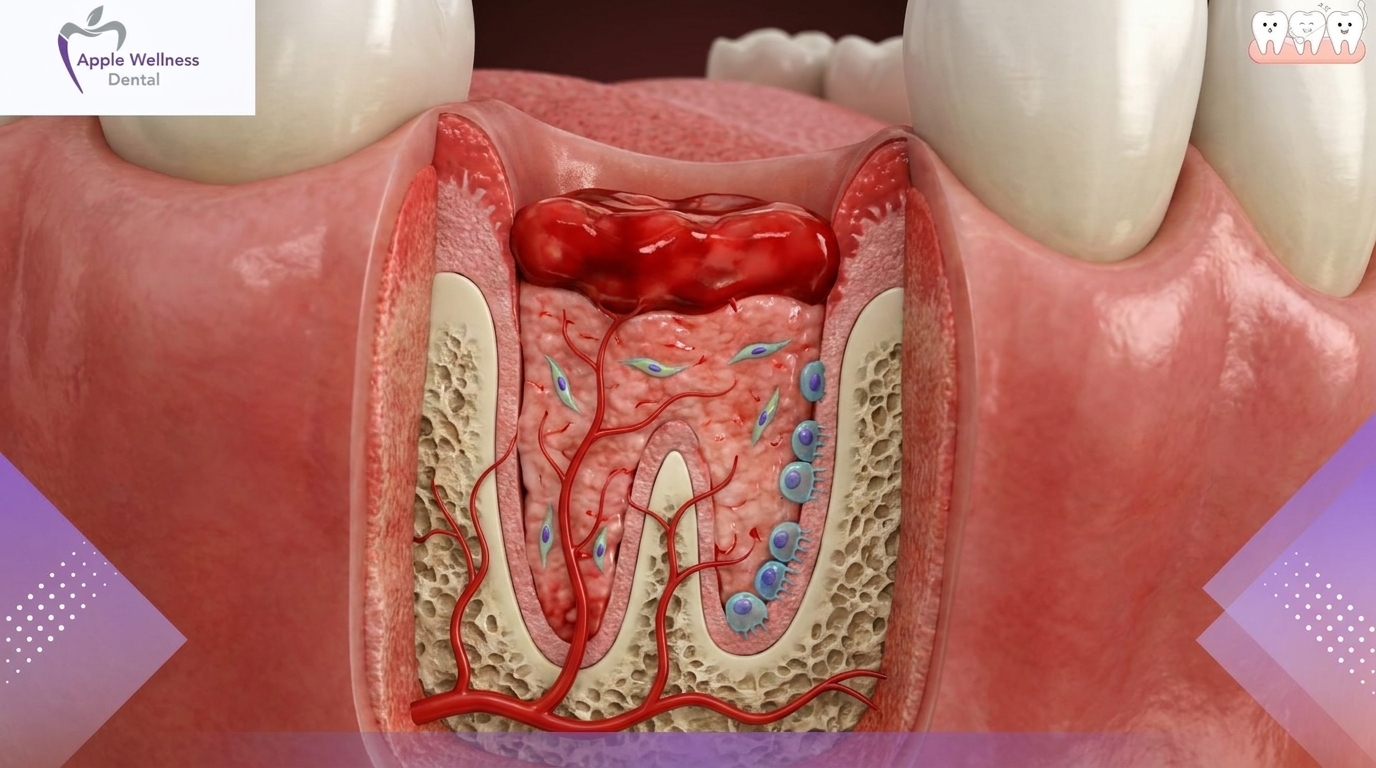
To understand the dietary restrictions following a dental extraction, it is essential to comprehend the biological phases of oral wound healing. The human mouth is an incredible environment capable of rapid cellular regeneration, but it requires specific conditions to function optimally. The healing process begins the moment the tooth is removed.
Initially, hemostasis occurs. Within the first 12 to 24 hours, platelets aggregate in the empty alveolar socket, forming a protective blood clot. This clot acts as a biological scaffold and a physical barrier against oral bacteria. Following this, the inflammatory phase peaks between 48 and 72 hours, characterized by an influx of white blood cells that sterilize the wound environment. Between days three and seven, the proliferative phase begins as fibroblasts lay down granulation tissue—a matrix of new blood vessels and collagen.
If hard, crunchy, or sharp foods are consumed during these delicate early stages, they can lacerate the developing granulation tissue or dislodge the foundational clot. Clinical research indicates that early mechanical disruption is a leading cause of delayed wound healing in the oral cavity. Therefore, dietary choices directly influence the cellular architecture of your recovering gums and jawbone.
Day-by-Day Nutritional Timeline
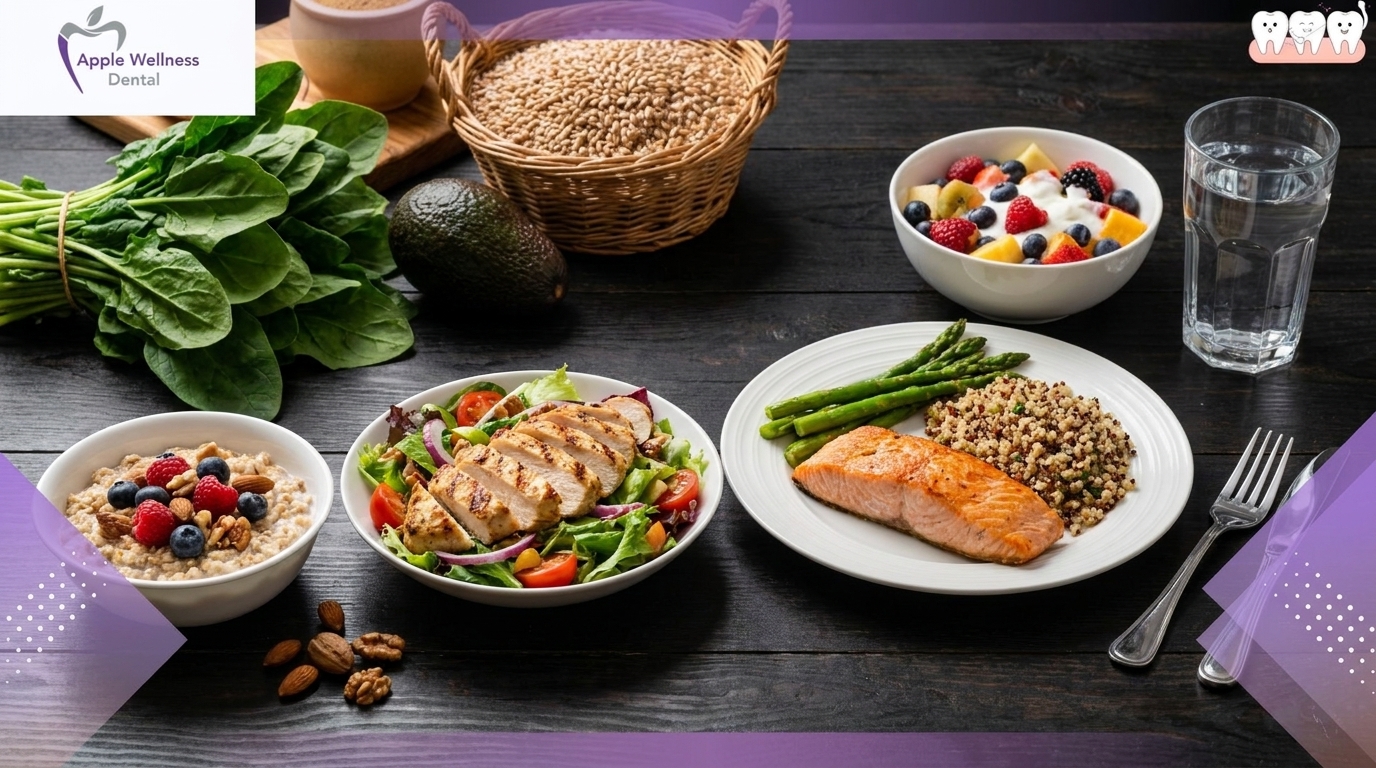
Phase 1: The Liquid and Ultra-Soft Diet (Days 1 to 2)
During the first 48 hours, your diet must consist entirely of liquids and smooth purées. Mastication (chewing) should be entirely avoided. Furthermore, all foods must be consumed cold or at room temperature. Heat acts as a vasodilator, widening blood vessels and potentially inducing secondary bleeding at the surgical site. During this phase, foods should ideally be kept below 90°F (32°C).
Excellent options for Phase 1 include:
- Greek Yogurt: Exceptionally high in protein, which is vital for tissue repair, and contains active probiotics that can help balance the oral microbiome.
- Bone Broth (Cooled): Rich in natural collagen, amino acids, and essential trace minerals necessary for osteogenesis (bone formation).
- Applesauce: A smooth source of carbohydrates and Vitamin C that requires zero chewing effort.
- Meal Replacement Shakes: Ensure these are smooth, without added seeds or crunchy bits, to meet daily caloric requirements easily.
Phase 2: The Mashable Diet (Days 3 to 5)
As the initial swelling subsides and granulation tissue begins to form, you can graduate to a “mashable” diet. These are foods that can be easily squashed with a fork and require only gentle pressure from the tongue and palate to swallow. During this phase, you can begin introducing lukewarm foods, but strictly avoid extremes in temperature.
Recommended Phase 2 foods include fluffy scrambled eggs, creamy mashed potatoes, well-cooked oatmeal, and soft, flaky baked fish. These foods provide a significant caloric and nutritional boost, offering the building blocks required for cellular division and tissue remodeling.
Dietary Comparison: Safe vs. Hazardous Foods
Navigating the post-operative dietary landscape requires clear differentiation between foods that support healing and those that pose a structural threat. Below is a comprehensive breakdown of dietary choices for the first two weeks of recovery.
| Food Category | Safe Options (Healing Phase) | Hazardous Options (Avoid) | Scientific Rationale |
|---|---|---|---|
| Fruits & Veggies | Mashed bananas, applesauce, puréed spinach | Raw carrots, apples, berries with small seeds | Small seeds can become lodged deep within the alveolar socket, triggering localized infections. |
| Proteins | Scrambled eggs, tofu, soft-baked white fish | Steak, jerky, crusty fried chicken | Tough proteins require excessive masticatory force, straining the jaw muscles and disturbing the surgical site. |
| Grains | Overcooked pasta, smooth oatmeal, soft rice | Crusty bread, chips, popcorn, crackers | Sharp edges of chips and crusts can lacerate delicate new granulation tissue and induce bleeding. |
| Beverages | Water, milk, nutritional shakes (drunk from a glass) | Carbonated sodas, very hot coffee, alcohol | Carbonation and alcohol can prematurely dissolve the fibrin network of the blood clot. |
Essential Nutrients for Accelerating Oral Tissue Repair
The speed and quality of your recovery are heavily dictated by your systemic nutrition. Healing oral tissues require a massive influx of specific micronutrients. Because your overall volume of food intake will likely drop during the first few days, maximizing the nutrient density of the foods you do consume is critical.
Vitamin C is paramount. As a critical co-factor in collagen synthesis, Vitamin C forms the structural foundation of new gum tissue. Puréed sweet potatoes and smooth fruit blends are excellent sources. Protein is equally vital; aiming for 50 to 70 grams per day through soft sources like eggs, yogurt, and protein powders ensures your body has the amino acids necessary to rebuild the cellular matrix. Furthermore, Vitamin A aids in immune function and epithelialization—the process where new skin cells cover the wound surface.
The Mechanics of Safe Mastication and Hydration
Even when eating soft foods, the mechanics of how you eat matter. Unilateral chewing—directing all food to the side of the mouth opposite the extraction site—is mandatory for the first week. This keeps food debris away from the healing wound and prevents accidental biting of the gums, which may still be numb from lingering local anesthesia.
Hydration protocols are equally crucial, but the method of delivery is restricted. You must drink directly from a glass or cup. As Dr. Matthew Messina, a widely recognized consumer advisor for the American Dental Association, frequently emphasizes regarding extraction aftercare: ‘The blood clot that forms in the tooth socket is an essential part of the normal healing process. If that blood clot is dislodged or dissolves, it exposes the underlying bone and nerves, resulting in a severely painful condition known as dry socket.’
Hydrating adequately (aiming for 64 to 80 ounces of water daily) maintains salivary flow. Saliva contains natural antimicrobial peptides and enzymes that protect the extraction site from opportunistic bacteria.
Complication Prevention: Alveolar Osteitis (Dry Socket)
Alveolar osteitis, commonly referred to as dry socket, is the most notorious complication following a dental extraction. It occurs when the foundational blood clot fails to develop, dissolves prematurely, or is mechanically dislodged before the underlying bone and nerve endings are covered by granulation tissue. Clinical statistics from the National Institute of Dental and Craniofacial Research suggest that while dry socket occurs in only 1% to 5% of routine dental extractions, the incidence rate can spike to nearly 30% for the extraction of impacted lower third molars (wisdom teeth).
Dietary missteps are a leading catalyst for dry socket. Creating a vacuum in the mouth via a straw, smoking a cigarette, or aggressively slurping hot soups creates sufficient pressure to rip the clot from the alveolar bone. Furthermore, acidic foods and alcoholic beverages can alter the pH of the mouth, prematurely dissolving the fibrin proteins holding the clot together. Preventing alveolar osteitis requires strict adherence to dietary guidelines and excellent, yet gentle, oral hygiene.
Smokers are at a particularly high risk, experiencing a dry socket rate up to three times higher than non-smokers, largely due to the combination of negative pressure from inhaling and the chemical restriction of peripheral blood flow caused by nicotine.
Conclusion
Understanding the dietary protocols following an oral surgery is not merely about comfort; it is a critical component of medical aftercare. By respecting the biological healing phases, prioritizing nutrient-dense soft foods, and avoiding mechanical stressors like straws and crunchy textures, you drastically reduce your risk of complications such as dry socket or localized infection. Proper nutrition provides the systemic building blocks for rapid tissue regeneration, allowing you to return to your normal diet and lifestyle as swiftly and safely as possible.
If you are experiencing severe pain, prolonged bleeding, or have concerns about your post-operative healing timeline, professional intervention is necessary. Do not hesitate to seek clinical guidance. Contact our team today to schedule a follow-up appointment or to get answers to your recovery questions.
Frequently Asked Questions
When can I eat normal, solid foods again?
Most patients can begin slowly transitioning back to a normal, solid diet around 7 to 14 days post-extraction, depending on the complexity of the surgery. Always listen to your body and avoid chewing directly over the extraction site until it is fully closed.
Can I drink hot coffee the morning after an extraction?
No, you should avoid hot beverages like coffee or tea for at least the first 48 hours. Hot liquids act as vasodilators, which can increase blood flow to the surgical site and cause secondary bleeding or swelling.
Is dairy safe to consume after a tooth extraction?
Yes, dairy products like yogurt, milk, and smooth cheeses are generally excellent choices, provided you do not have a dairy allergy. They are soft, cool, and rich in the protein and calcium necessary for tissue and bone repair.
What should I do if food gets lodged in the extraction socket?
Do not attempt to dig it out with a toothpick, finger, or toothbrush, as this can destroy the blood clot. Instead, perform a very gentle warm salt water rinse (do not spit forcefully, just let the water fall from your mouth) to dislodge the debris naturally.
Are smoothies a good option, and can I add seeds?
Smoothies are an excellent source of nutrition, but you must strictly avoid adding small seeds like chia, flax, or berries with seeds (such as raspberries). These small particles can easily become trapped deep inside the healing socket and trigger a severe infection.
References
- American Dental Association (ADA) – Guidelines on post-extraction care and dry socket prevention.
- National Institute of Dental and Craniofacial Research (NIDCR) – Data and statistics on alveolar osteitis incidence.
- Mayo Clinic – Patient protocols for oral surgery recovery and nutritional intake.
- Academy of Nutrition and Dietetics – Dietary recommendations for soft tissue healing and micronutrient requirements.